[Reporter Experience] Sealing Wax: Creating Seals That Remind One of 'Bridgerton'
A reporter explores the history and modern craft of sealing wax, which was once a practical tool for securing documents and verifying identity…
When watching movies or dramas set in the 18th or 19th centuries, like the popular Netflix period drama 〈Bridgerton〉, one often sees scenes where red wax is melted and dropped onto a letter, followed by a seal being pressed firmly onto it. While the distinct pattern left on the letter may look like a small prop that enhances the period atmosphere of the work, in the past, it was a practical means of securely delivering documents and proving the identity of the sender.
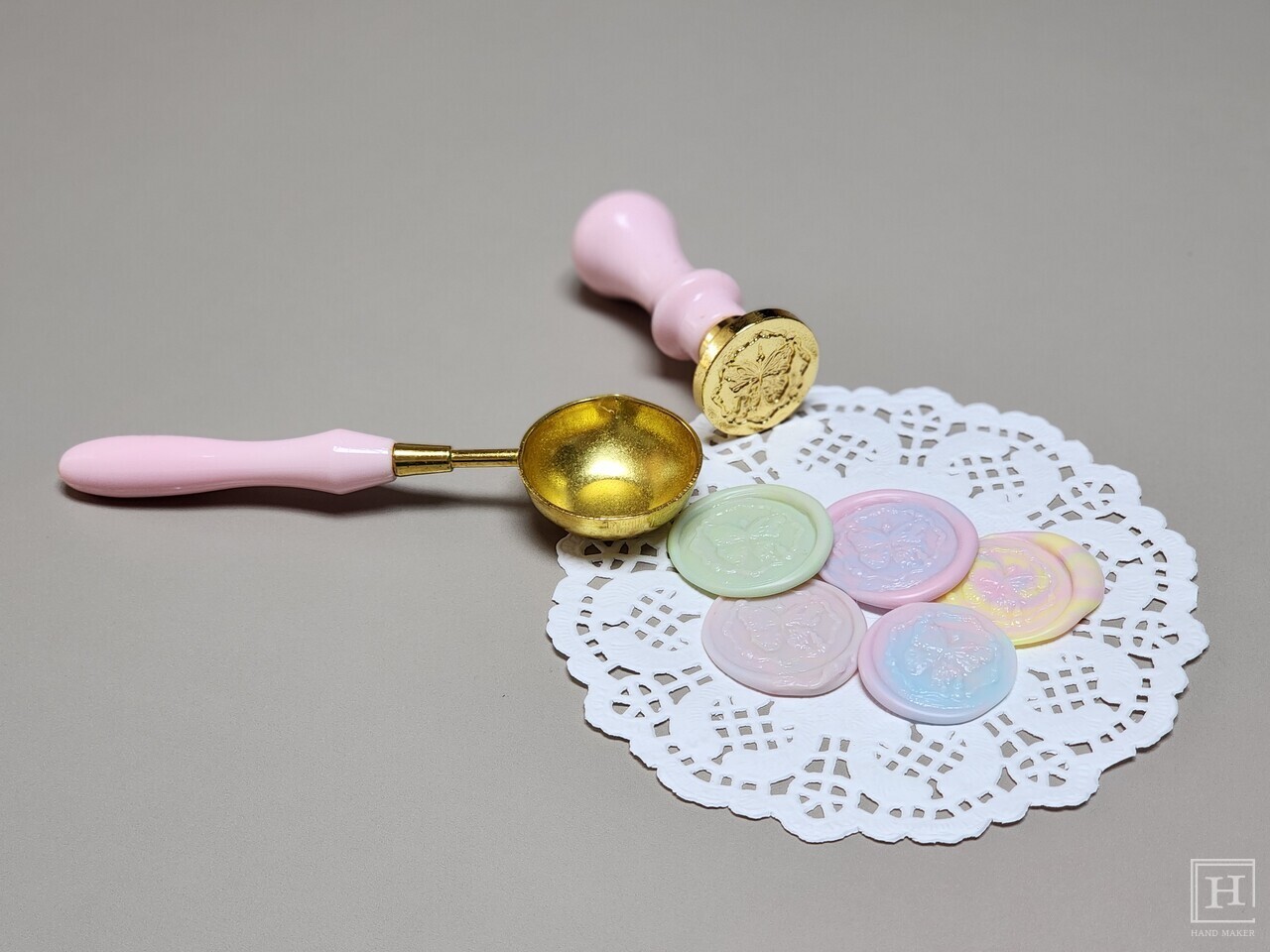
This item used to seal letters and documents is what is known as 'sealing wax.' Today, rather than its original function, it is more familiar as a craft used to decorate letters and gifts by combining colorful wax with various patterned stamps. Thus, the method once used to seal letters in the past has remained as a craft today. The reporter also tried melting wax and pressing a seal directly.
A lock on a letter, melted, pressed, and sealed
'Sealing wax' is, literally, a wax material used to seal documents or letters. When melted with hot heat and dropped onto paper or parchment, it hardens quickly, and it was used by pressing a patterned seal onto it before it hardened to leave a design.
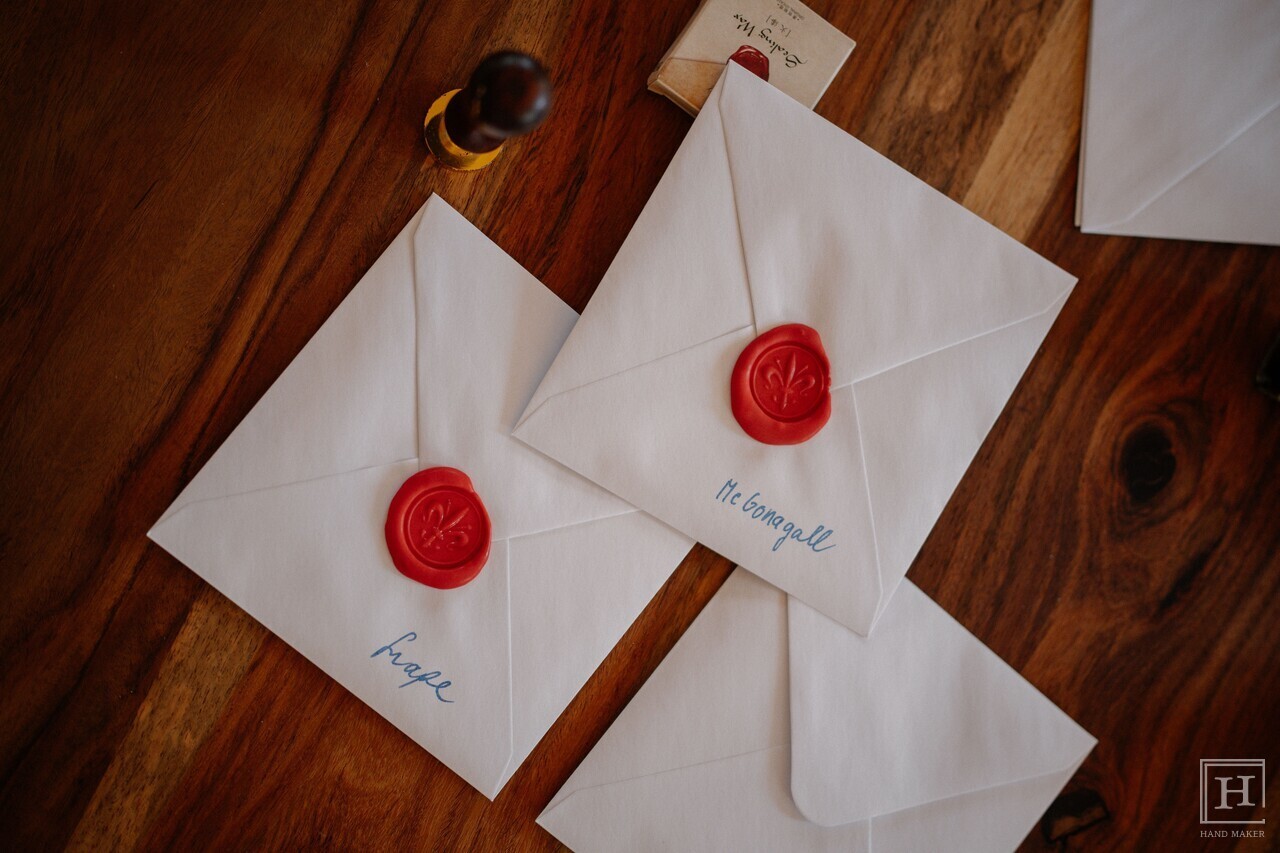
It did not merely serve as an adhesive to stick envelopes together. Once the wax hardens, it breaks or leaves a trace if the seal is broken, so it also functioned as a device to confirm that the contents had not been opened, similar to today's 'security stickers' or tamper-evident packaging. Additionally, by pressing a seal pattern representing an individual or institution, it was used as a means to indicate the sender's identity and prove the authenticity of the document.
In particular, in medieval Europe, seals held significance important enough to replace signatures. According to The National Archives, since many people at that time could not write or sign their names, they would leave their seal on important contracts or certificates to indicate their agreement to the contents of the document.
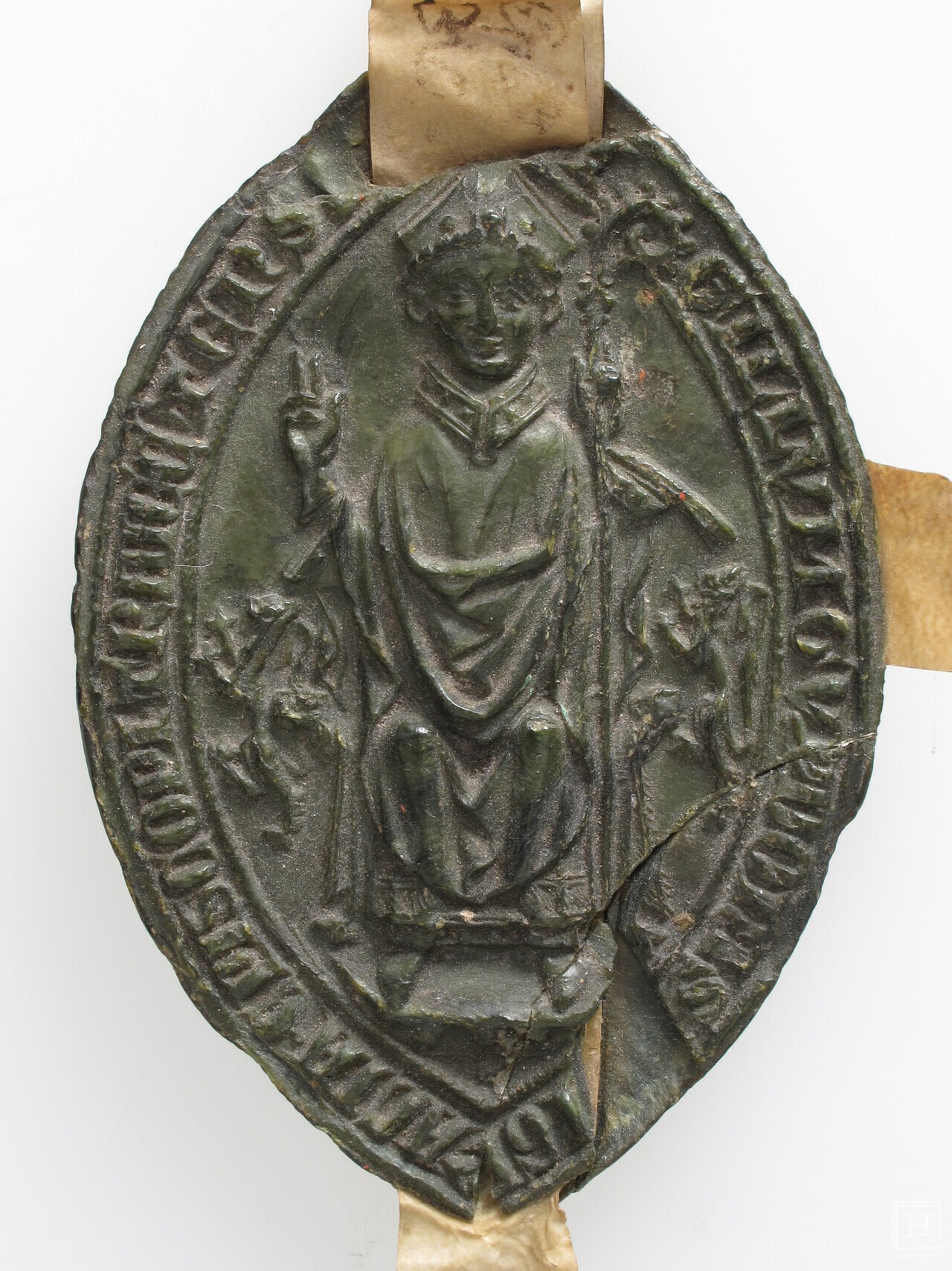
Not only kings and nobles, but also religious institutions, cities, and various organizations used unique seals. By including a portrait, coat of arms, or symbol of the owner in the seal, they could represent authority and status. In essence, it functioned similarly to modern signatures or official stamps.
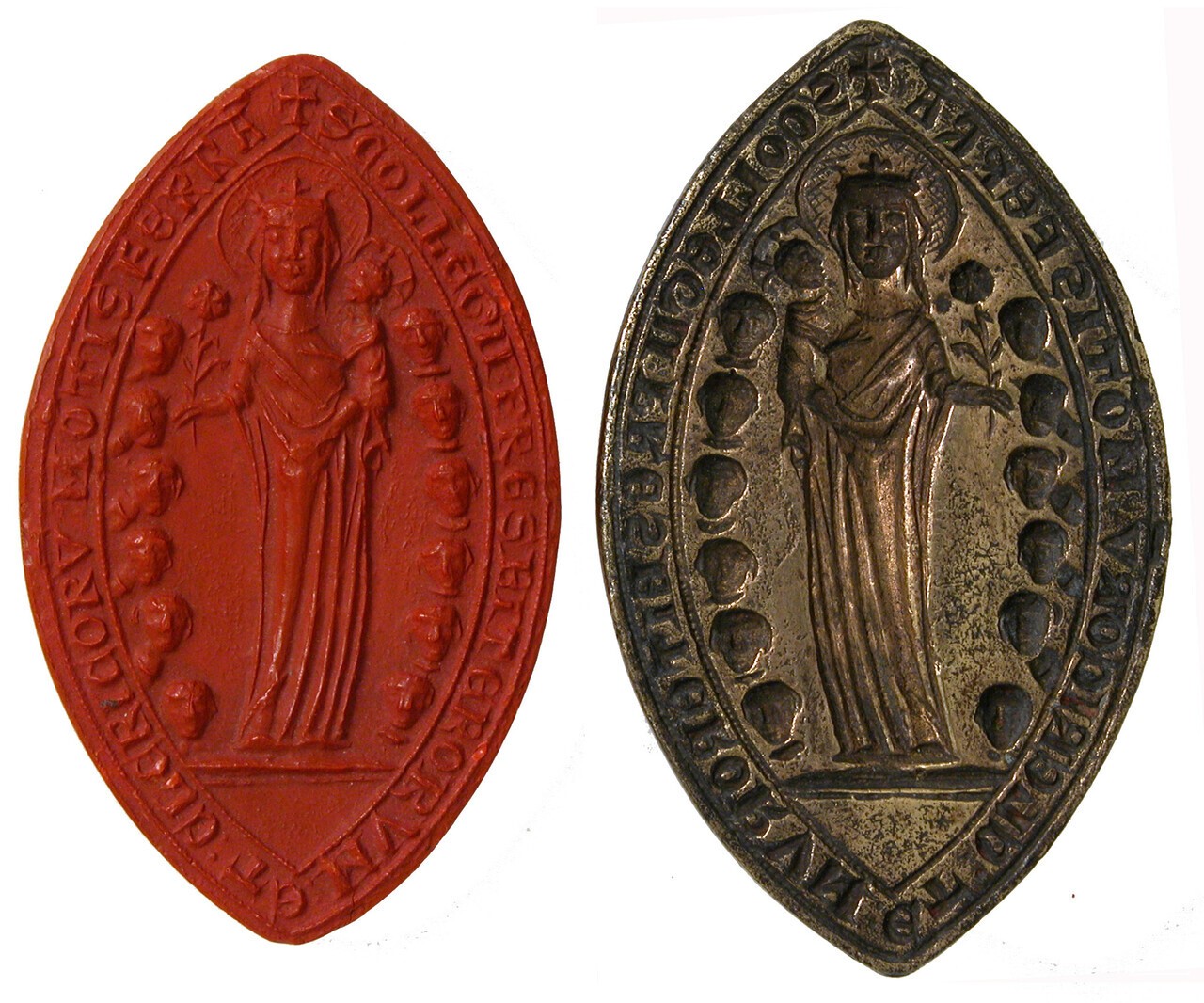
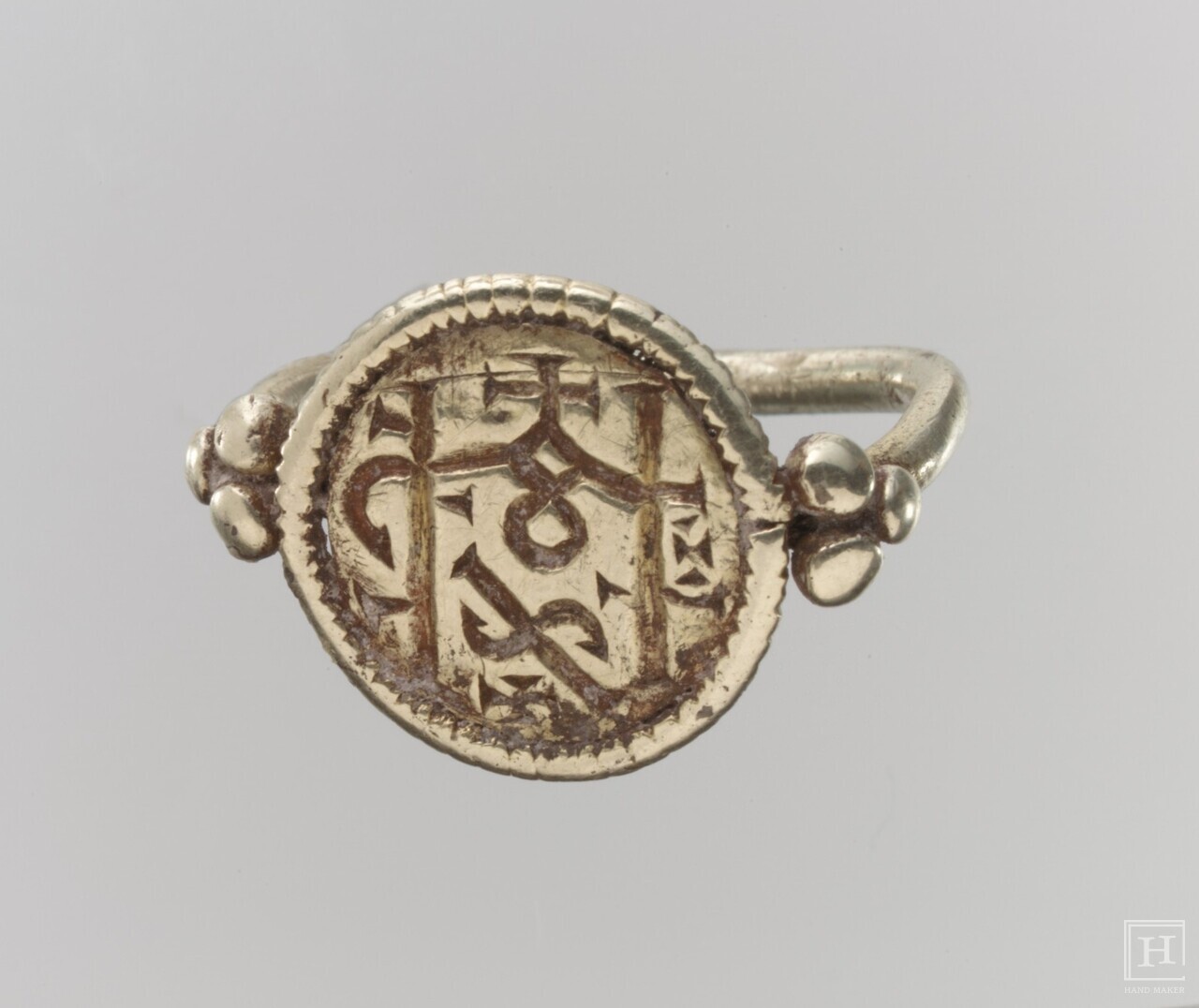
To distinguish them precisely, 'sealing wax' is the material used by melting, the 'seal' is the mark left upon it, and the tool used to create that mark is the 'seal matrix' or stamp. Not only forms with a metal pattern plate attached to the end of a handle were used, but 'signet rings' with patterns engraved on the bottom were also used.
When the matrix was pressed into the gently heated wax and then removed, the owner's pattern remained exactly as it was. Among large official seals of the Middle Ages, there was also a method of attaching strings or pieces of parchment to a document and hanging a large wax seal on them.
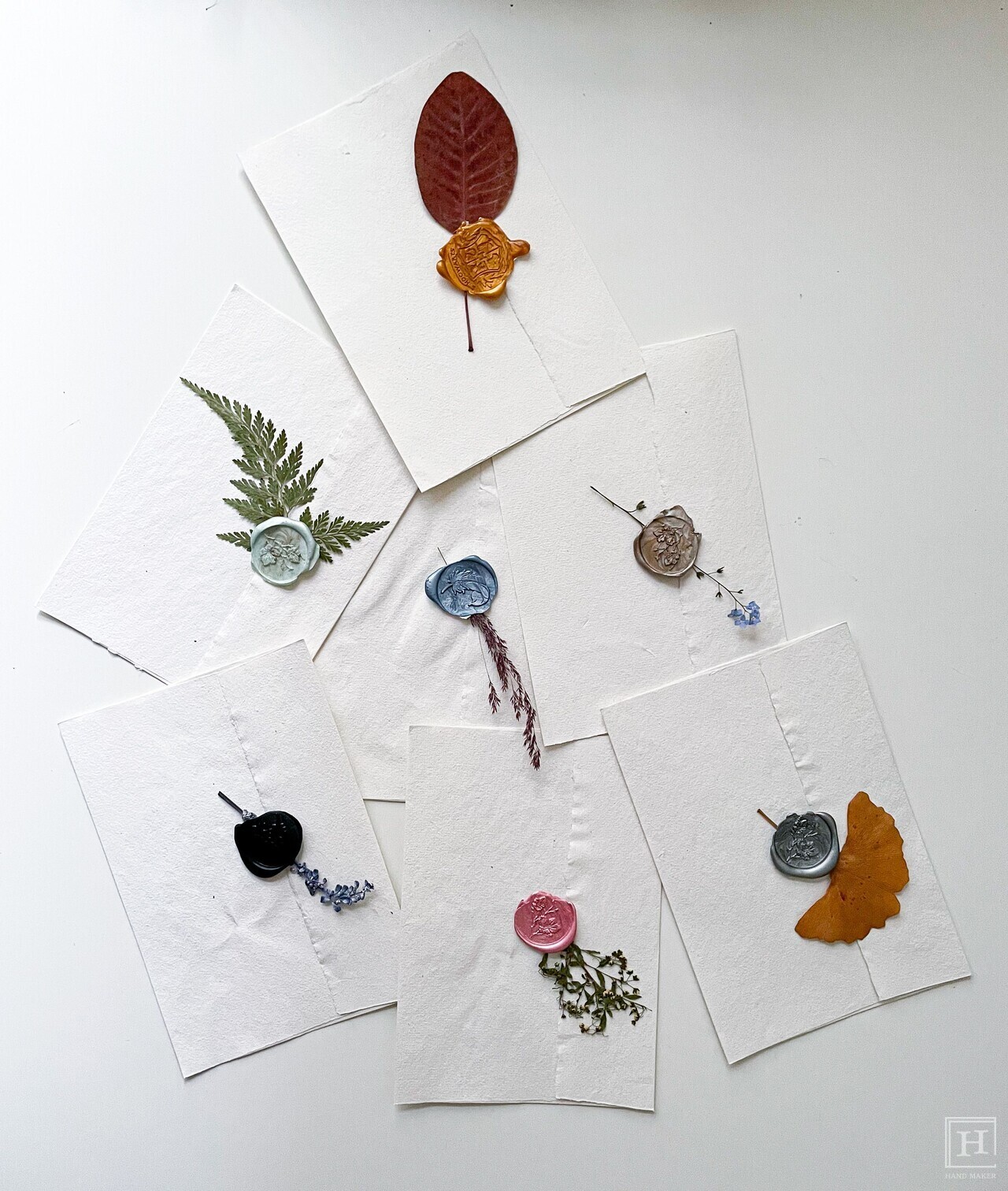
The materials for sealing wax also changed depending on the era. In the Middle Ages, it mainly used beeswax mixed with resin-based substances, and colors like red or others were produced by adding pigments. After trade between Europe and Asia became active, harder sealing waxes appeared, composed of shellac (a natural resin) along with turpentine, various resins, fillers, and pigments.
This form expanded after the 16th century, and products in various colors such as black, green, blue, and gold were made in addition to red. Therefore, it is not accurate to describe all historical sealing wax simply as 'beeswax.'
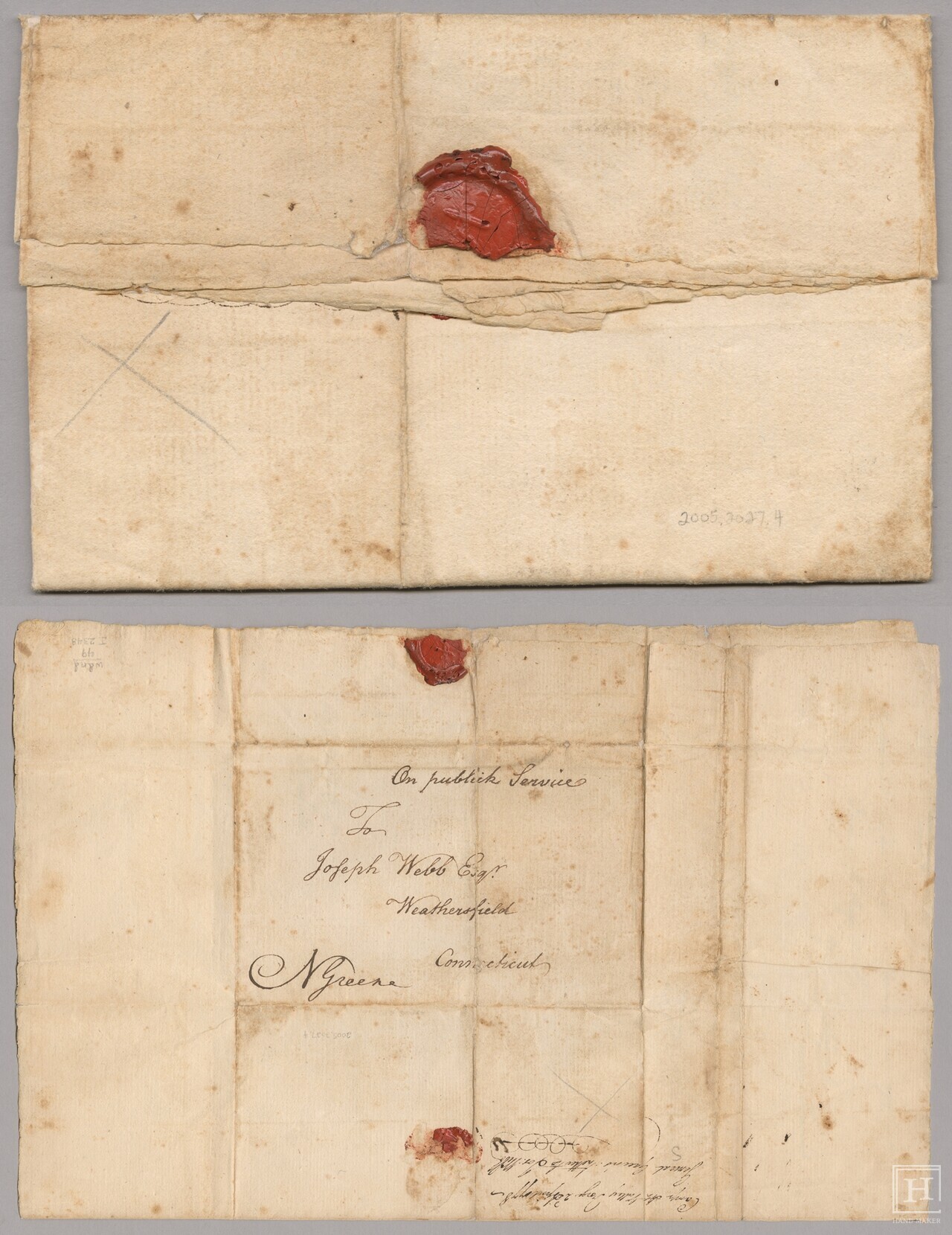
The way letters were sealed was also different from today. Before modern envelopes became common, it was frequent to fold the paper on which the letter was written several times, write the address on the outside, and seal it by dropping wax on the folded part.
The Smithsonian National Postal Museum explains that until the mid-19th century, postal rates varied depending on the number of sheets of paper, so using a separate envelope increased the cost. By folding the letter to make it a single sheet and sealing it with sealing wax or adhesive wafers, one could save paper while hiding the contents. After the mid-19th century, when postal rates decreased and machine-made and adhesive envelopes were distributed, the practical necessity of sealing wax gradually diminished.
Melt on a candle and press with a fancy patterned stamp
The tools used were simpler than expected. Basically, one needed sealing wax, a candle or lamp to light, and a seal. After heating the end of a wax stick in the fire to melt it, it was dropped onto the paper, and the seal was pressed vertically before the wax hardened. When using small wax beads, a method of placing them in a metal spoon and melting them over a candle is also used. The combination of wax beads → melting spoon → burner or tea light candle → stamp, commonly seen in experience workshops today, has made this process safe and convenient.
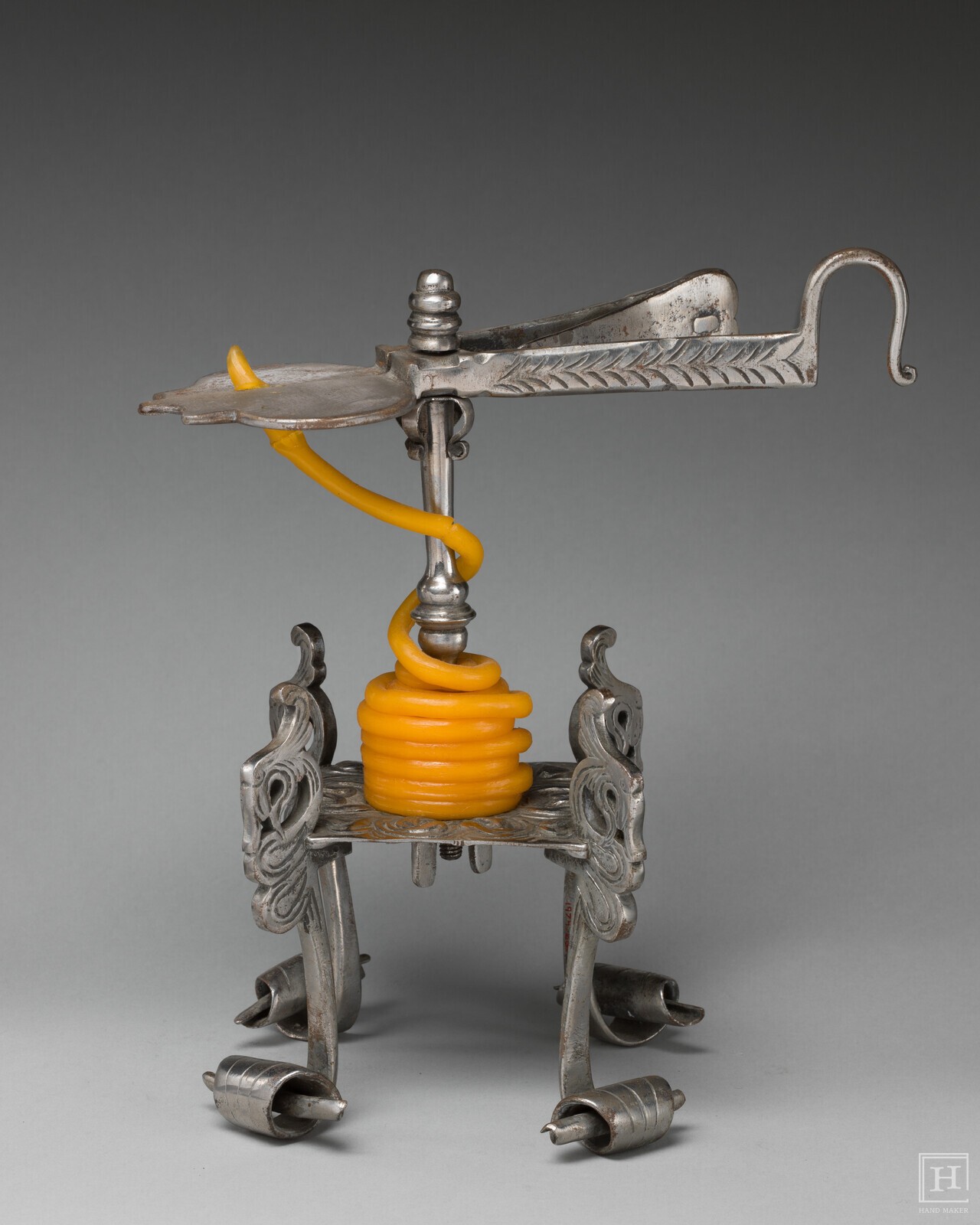
In the past, there was also a unique desk tool called a 'wax jack.' It is a device where a long, thin wax taper is wrapped around a metal stand, the end is lit, and the small flame is used to melt the sealing wax stick. The Metropolitan Museum of Art holds an iron wax jack made in England in 1675. In an era when letters were frequently exchanged, it was one of the tools placed on a writing desk, much like pens and ink.
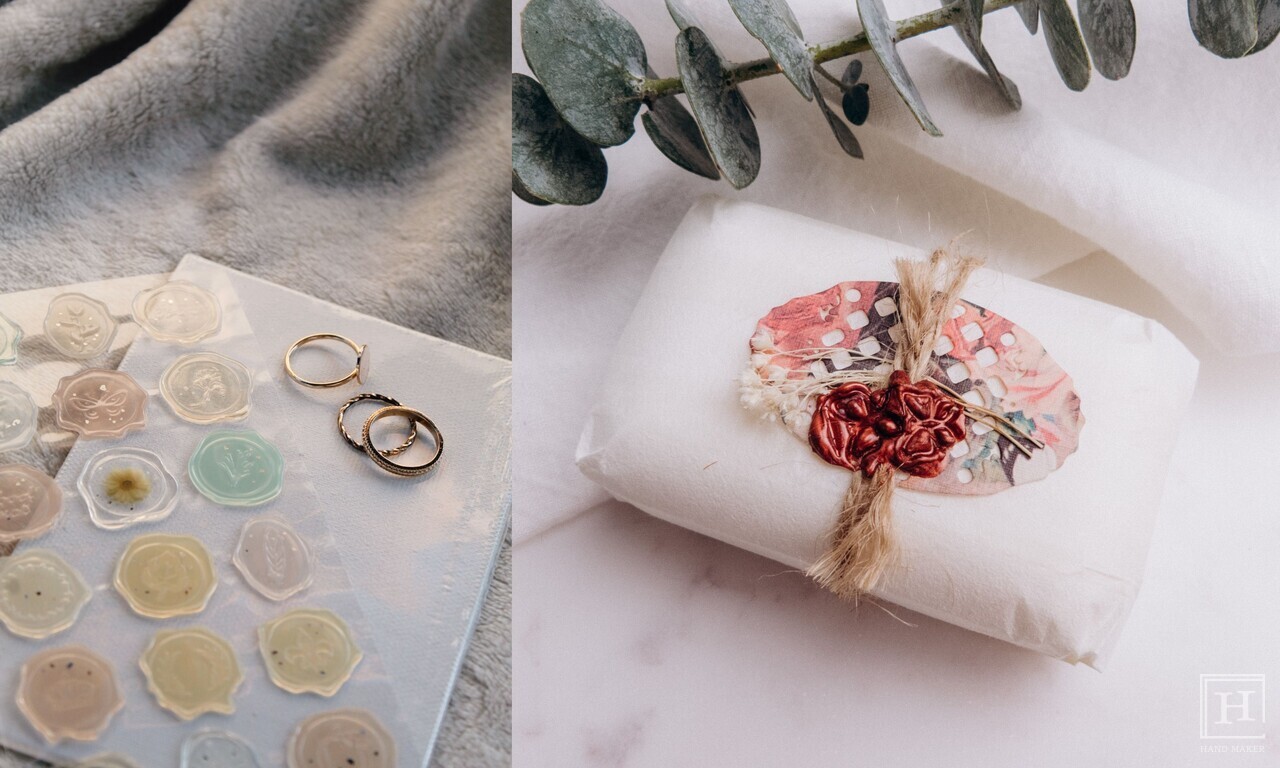
Today, the function of sealing wax has changed significantly. The roles of proving document authenticity or securely sealing letters have been replaced by signatures, adhesive envelopes, and security seals, and sealing wax has re-established itself as a craft material used for wedding invitations, letters, gift wrapping, and decorating diaries.
To supplement the traditional shellac-based wax that was fragile during the mailing process, 'flexible sealing wax' based on synthetic resin that bends easily or products that can be used with a glue gun have appeared. A practical item of the past has now become a decorative tool that adds a handmade touch to letters and packaging.
Sealing wax DIY is simpler and easier than expected
Sealing wax crafts are easy to access as DIY kits are well-organized in the market. Even last July, a kit was released at Daiso at a low price and gained popularity. The reporter also wanted to experience it and searched for the product, but it was sold out in both offline and online Daiso stores. After a long time, the kit was found at an offline store.
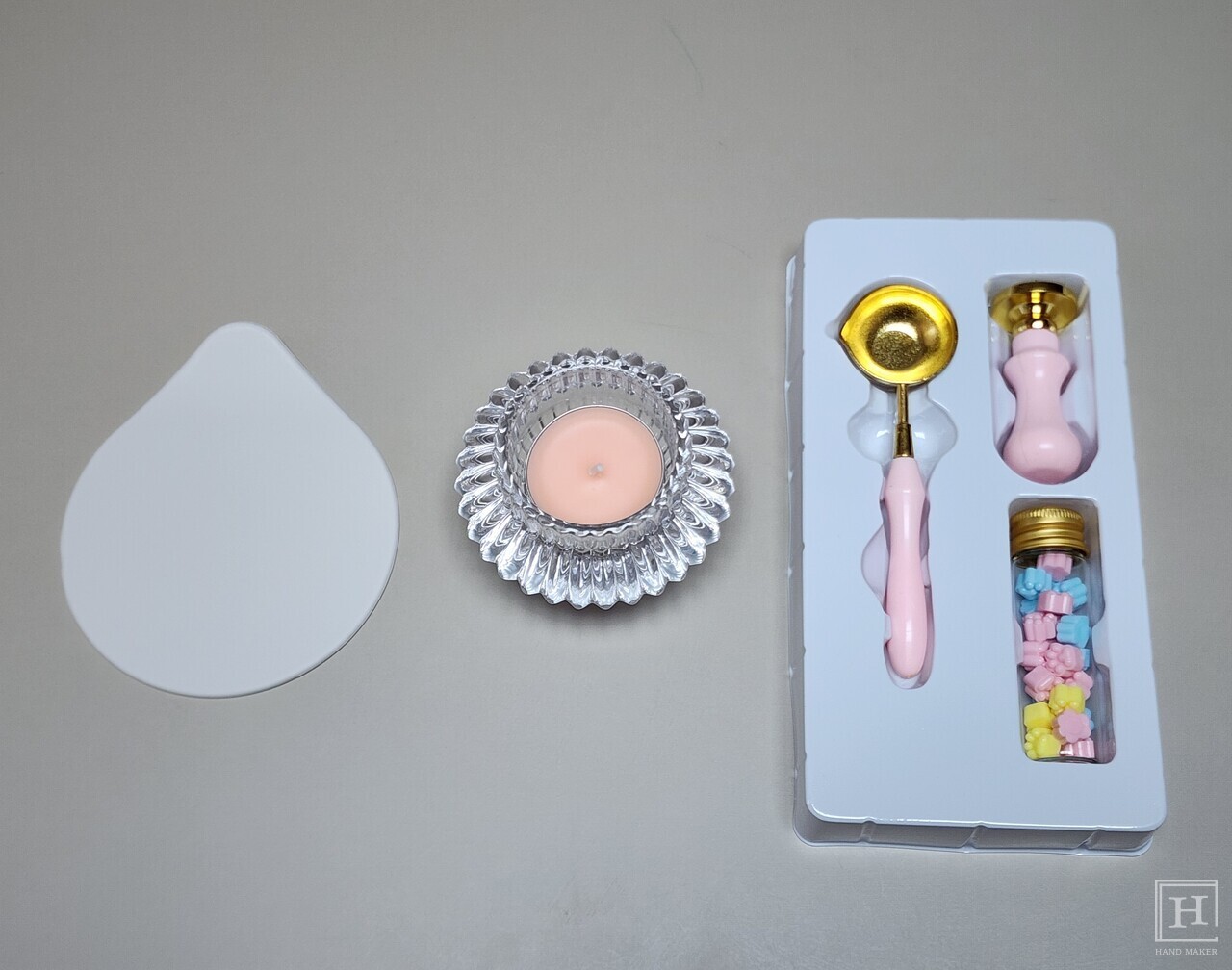
For a low price of 2,000 won, it includes a melting spoon to melt wax beads, wax beads, and a stamp. Tea light candles to melt the wax, a candle holder, and a silicone mat to pour the melted wax must be purchased separately. The silicone mat was replaced with a silicone coaster recommended on social media. Everything was purchased at Daiso, and the total purchase cost was 5,000 won.
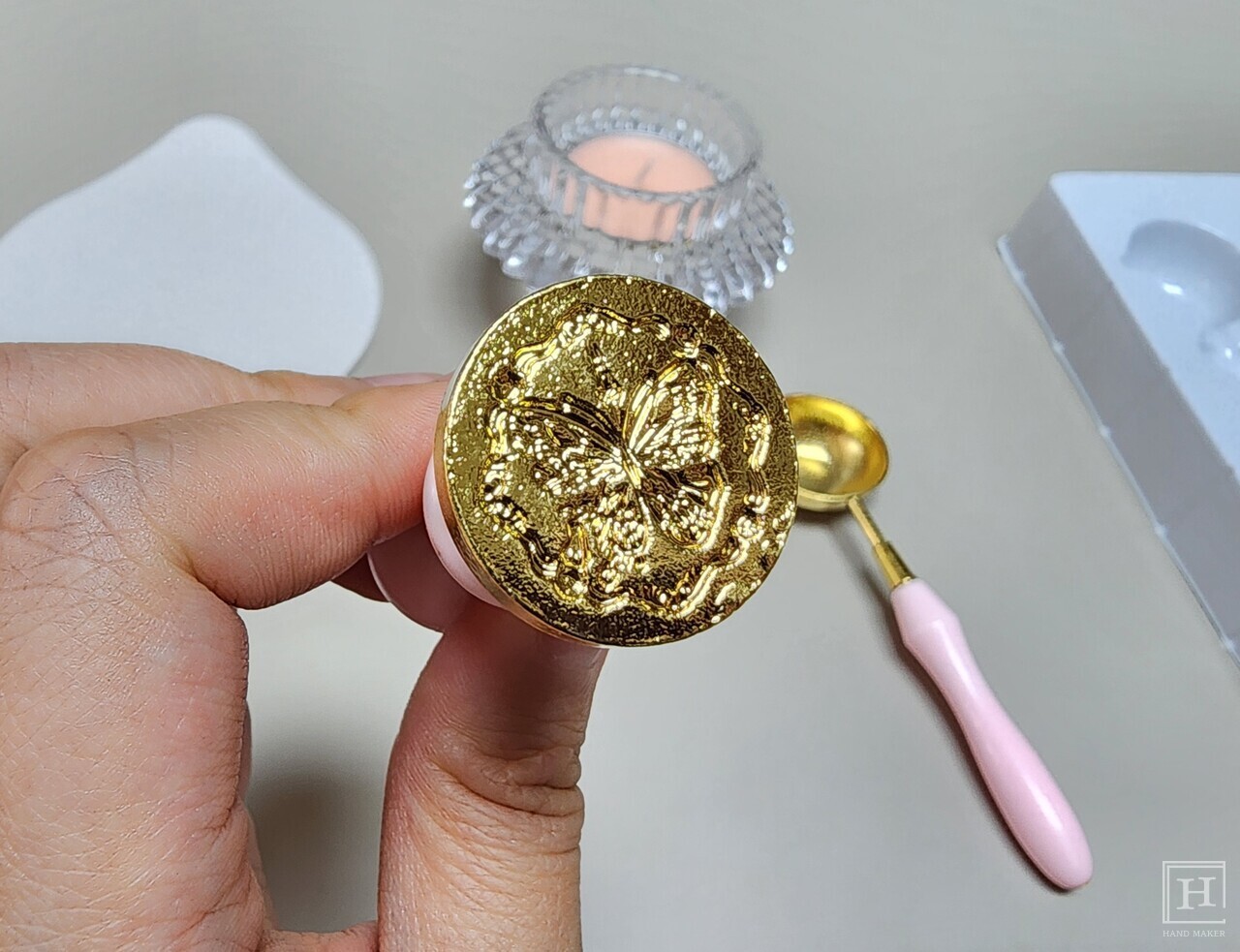
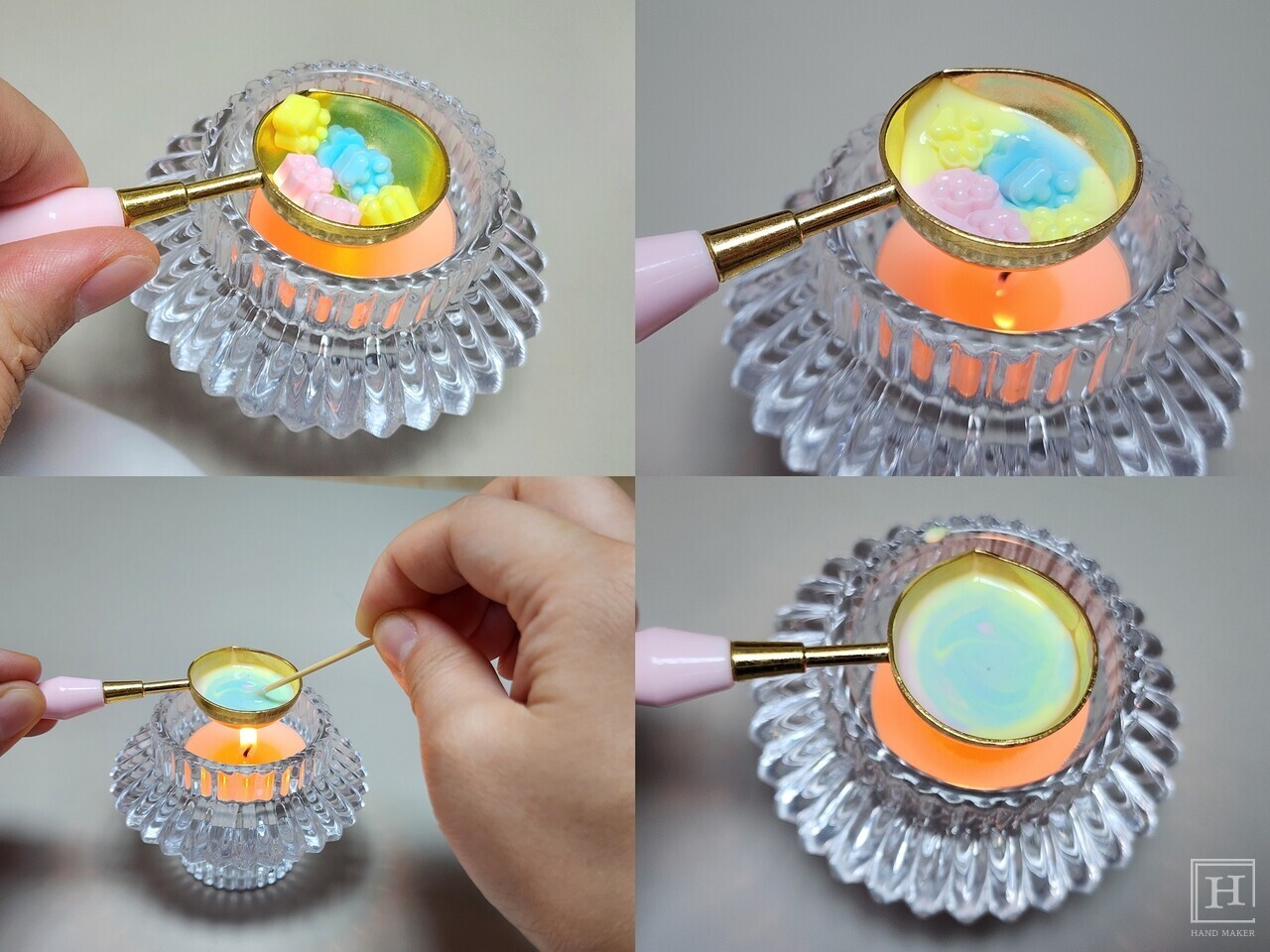
The purchased kit includes a butterfly-shaped stamp. Following the instructions, 5-6 wax beads are put into the melting spoon and melted. It takes longer to melt than expected, taking approximately 3 minutes. I also mixed the fully melted wax a little.
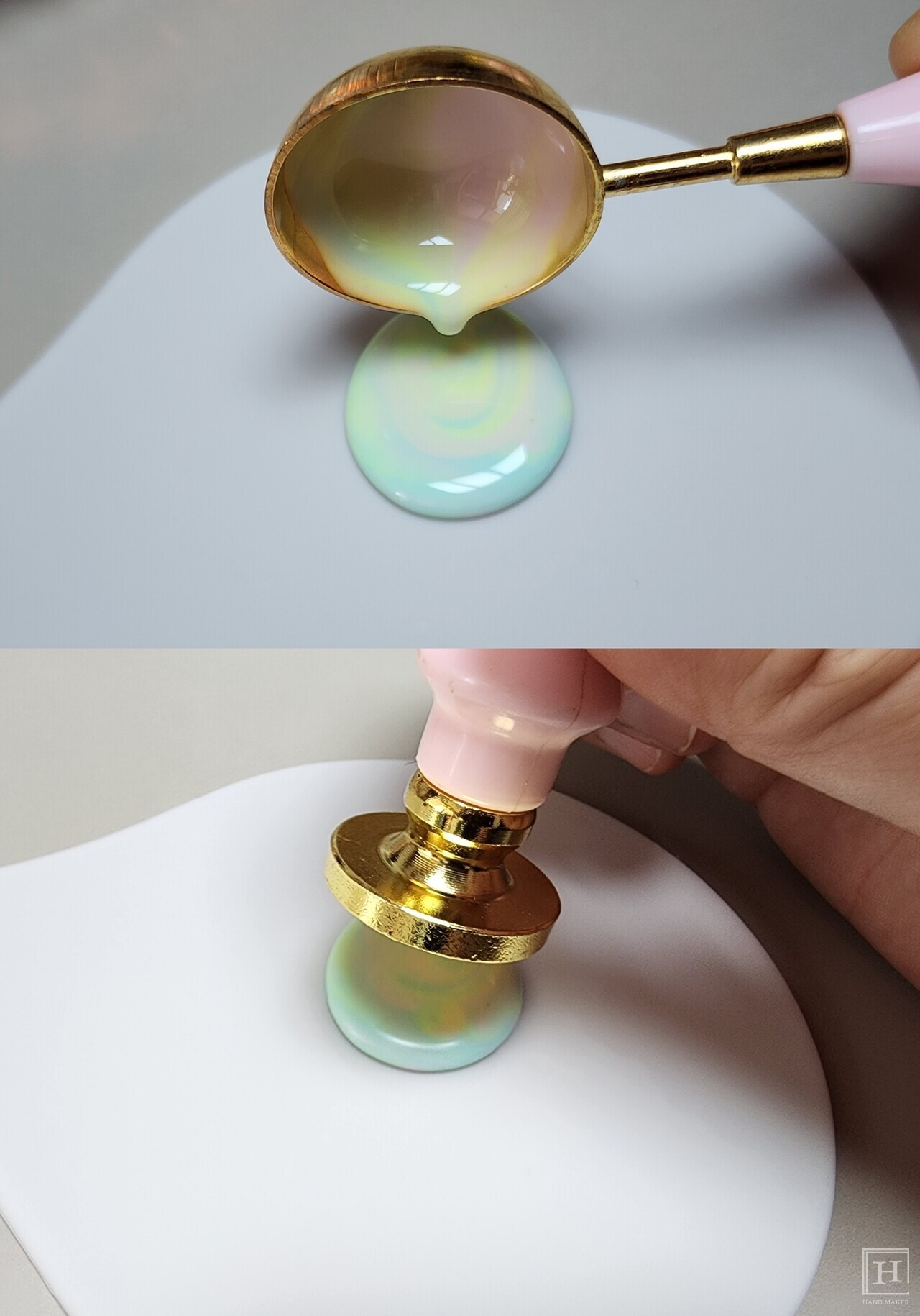
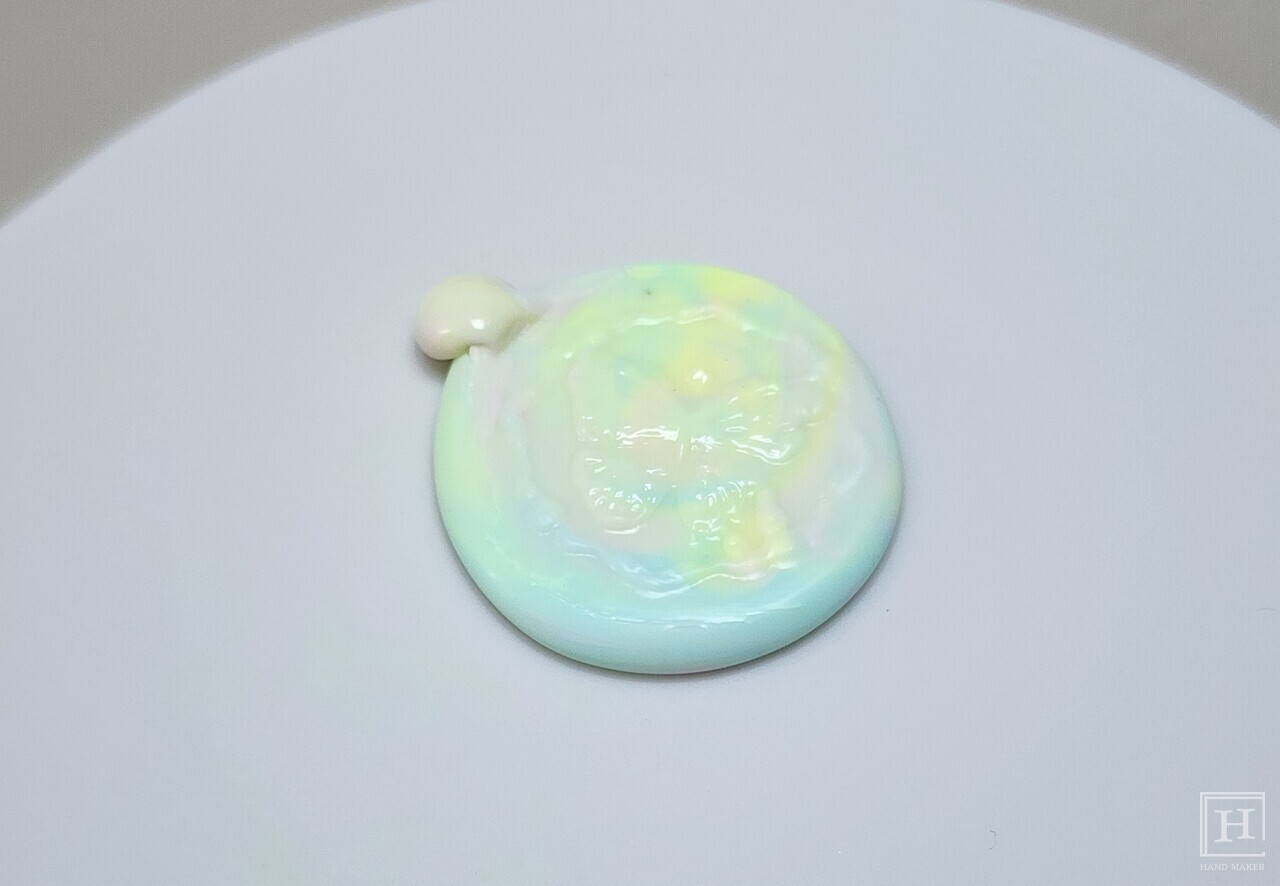
The melted wax was poured onto the silicone mat, and once the surface dried slightly, the stamp was pressed. Since it was the first attempt, I didn't know the timing well and pressed it too late, so the wax had already hardened slightly, causing the unmelted wax to burst out and resulting in failure.
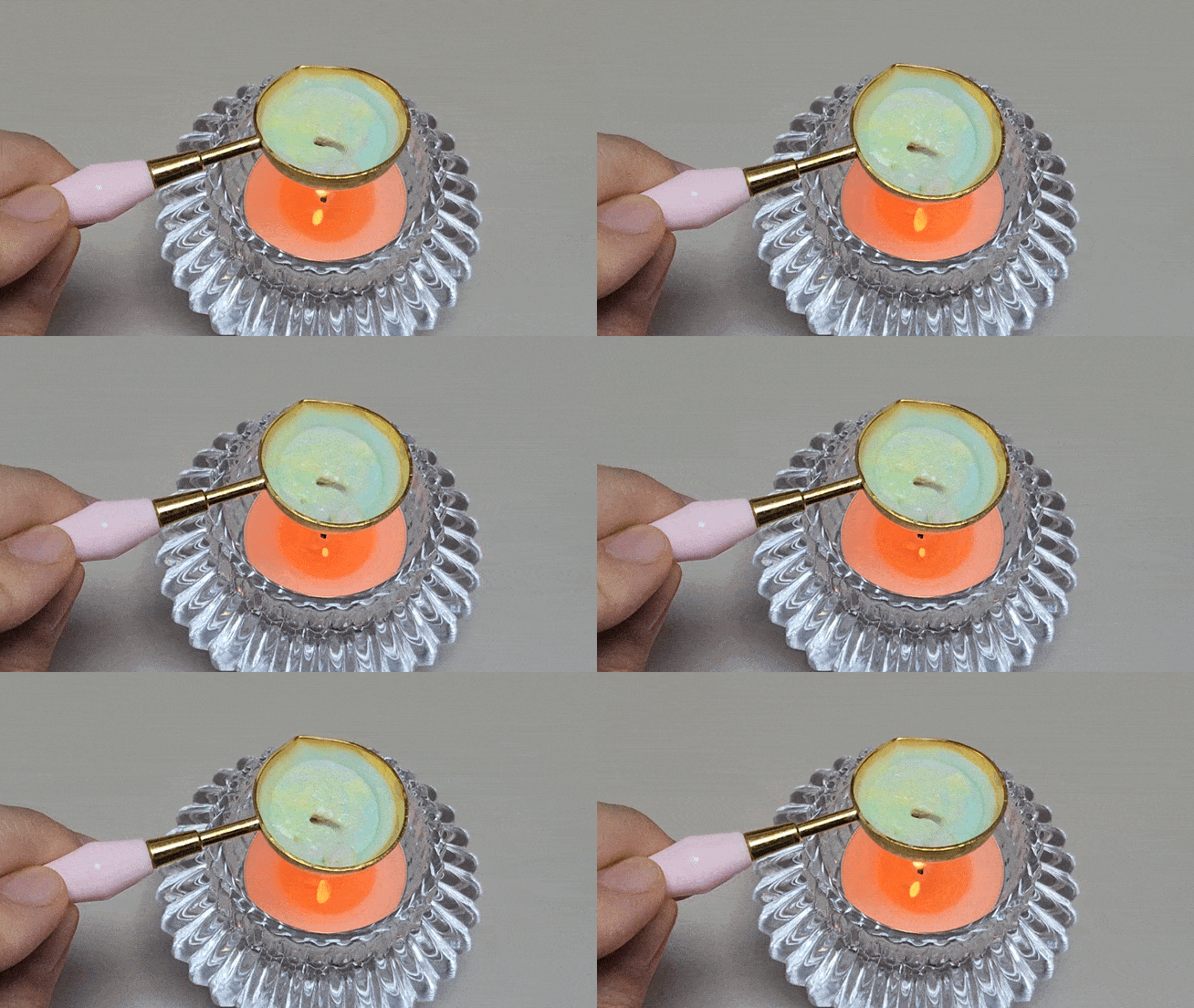
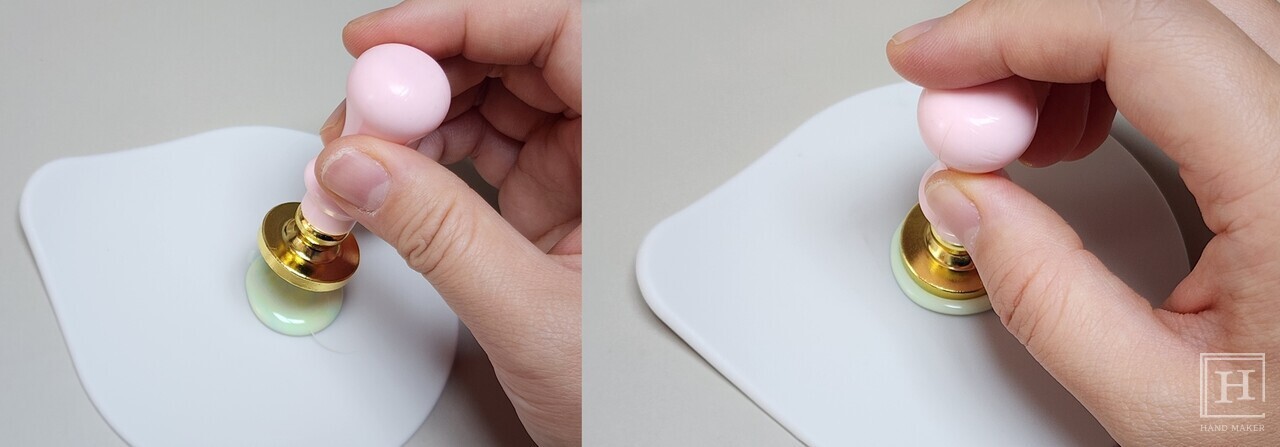
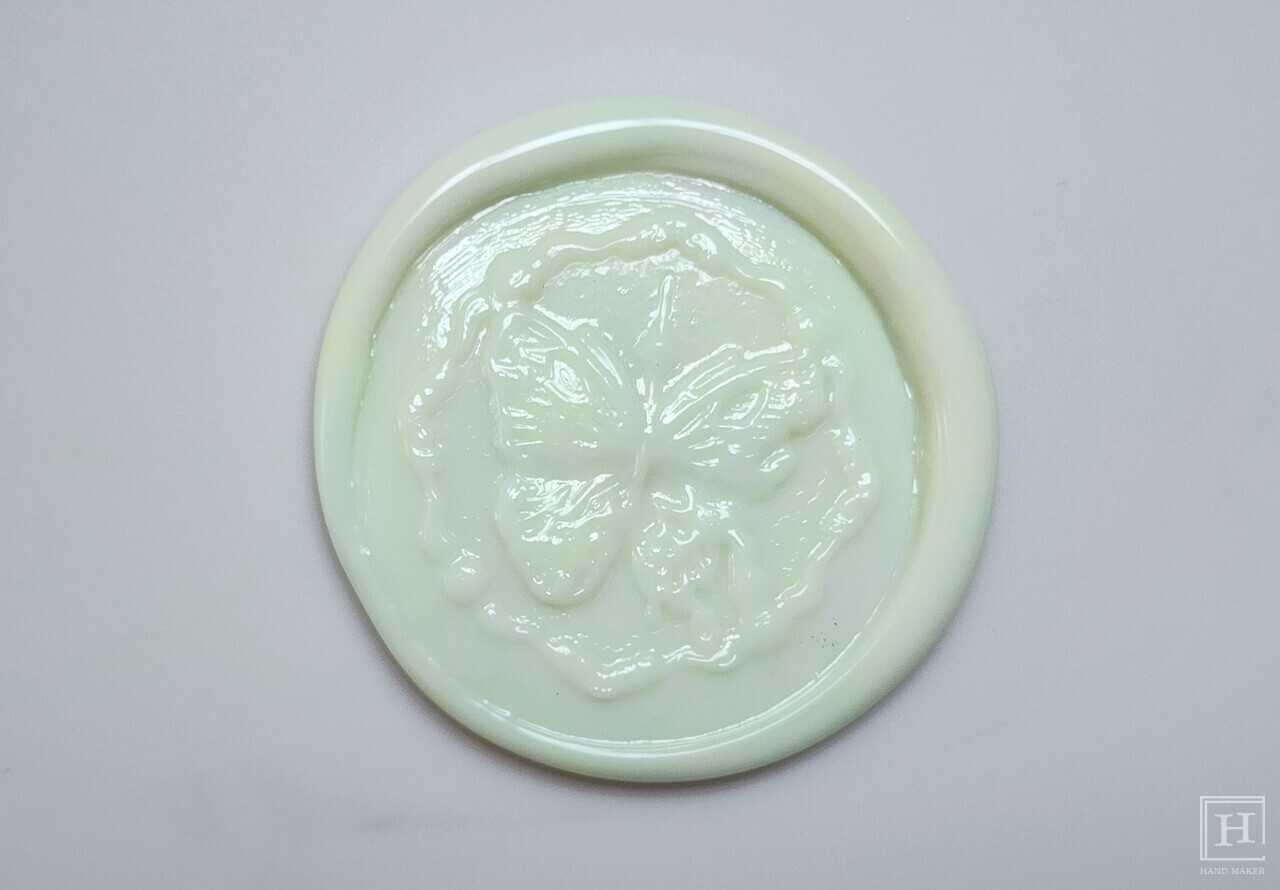
I melted the failed wax and tried again. After three attempts, I poured the melted wax onto the silicone mat and immediately pressed the stamp to complete it. I could see the butterfly shape clearly imprinted.
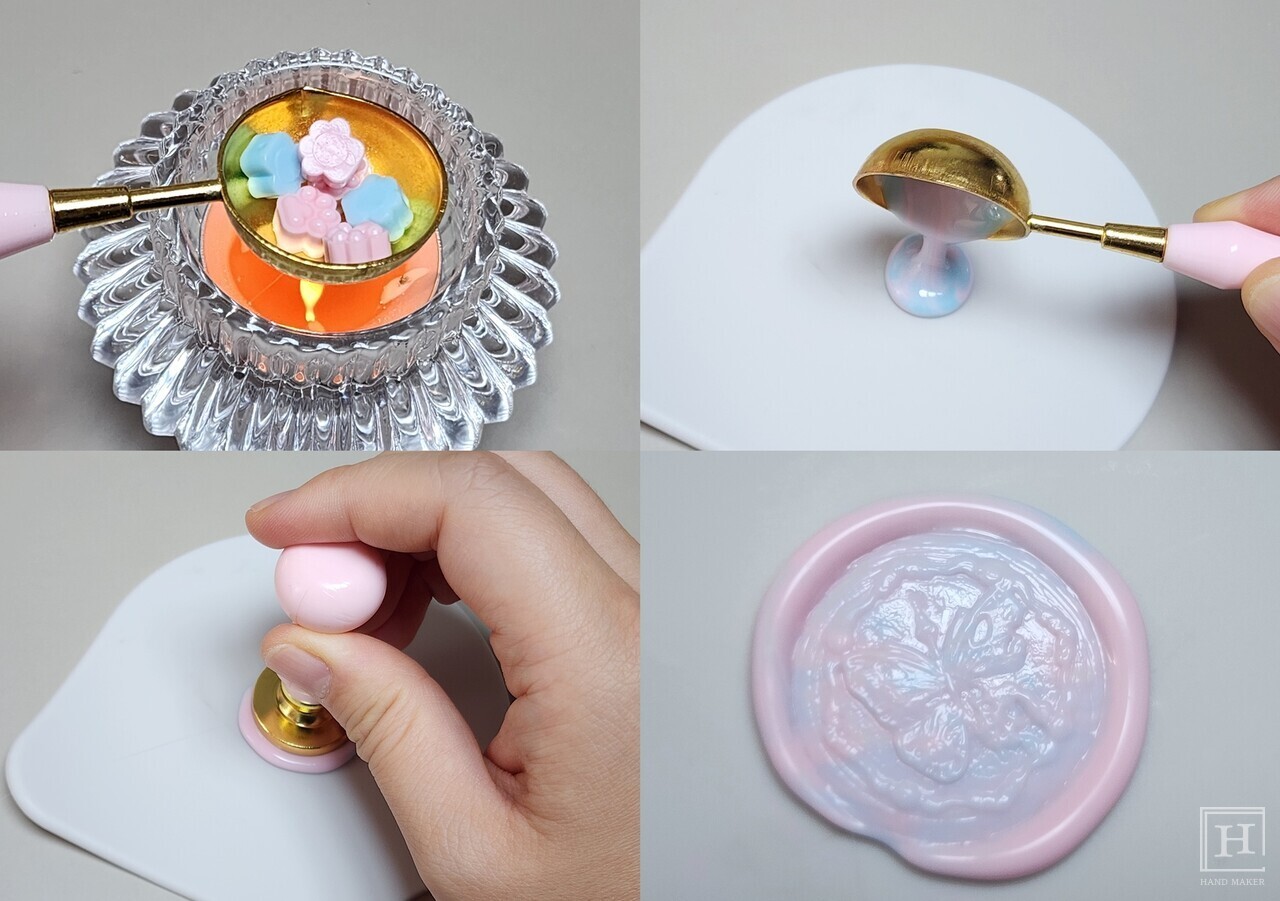
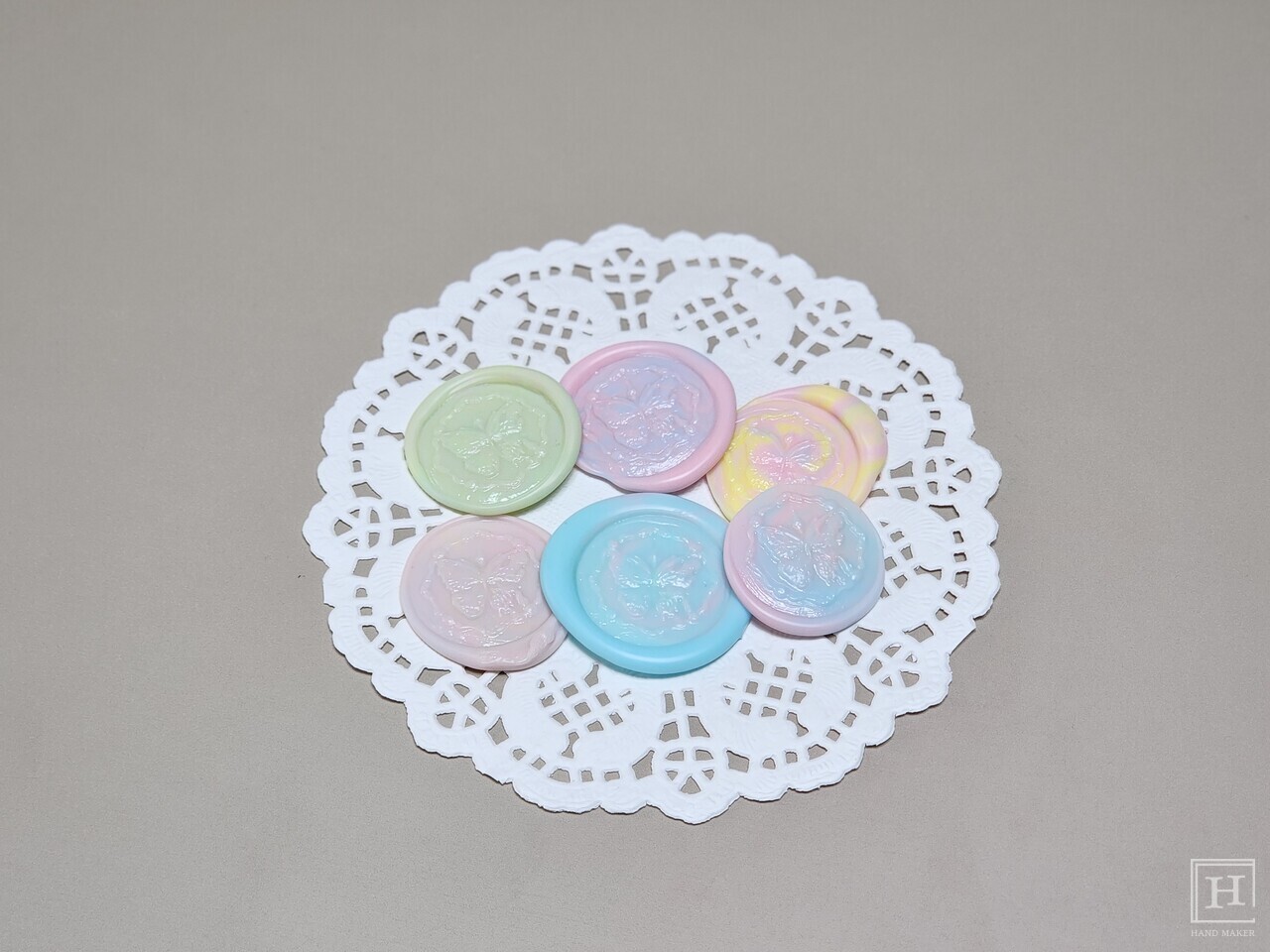
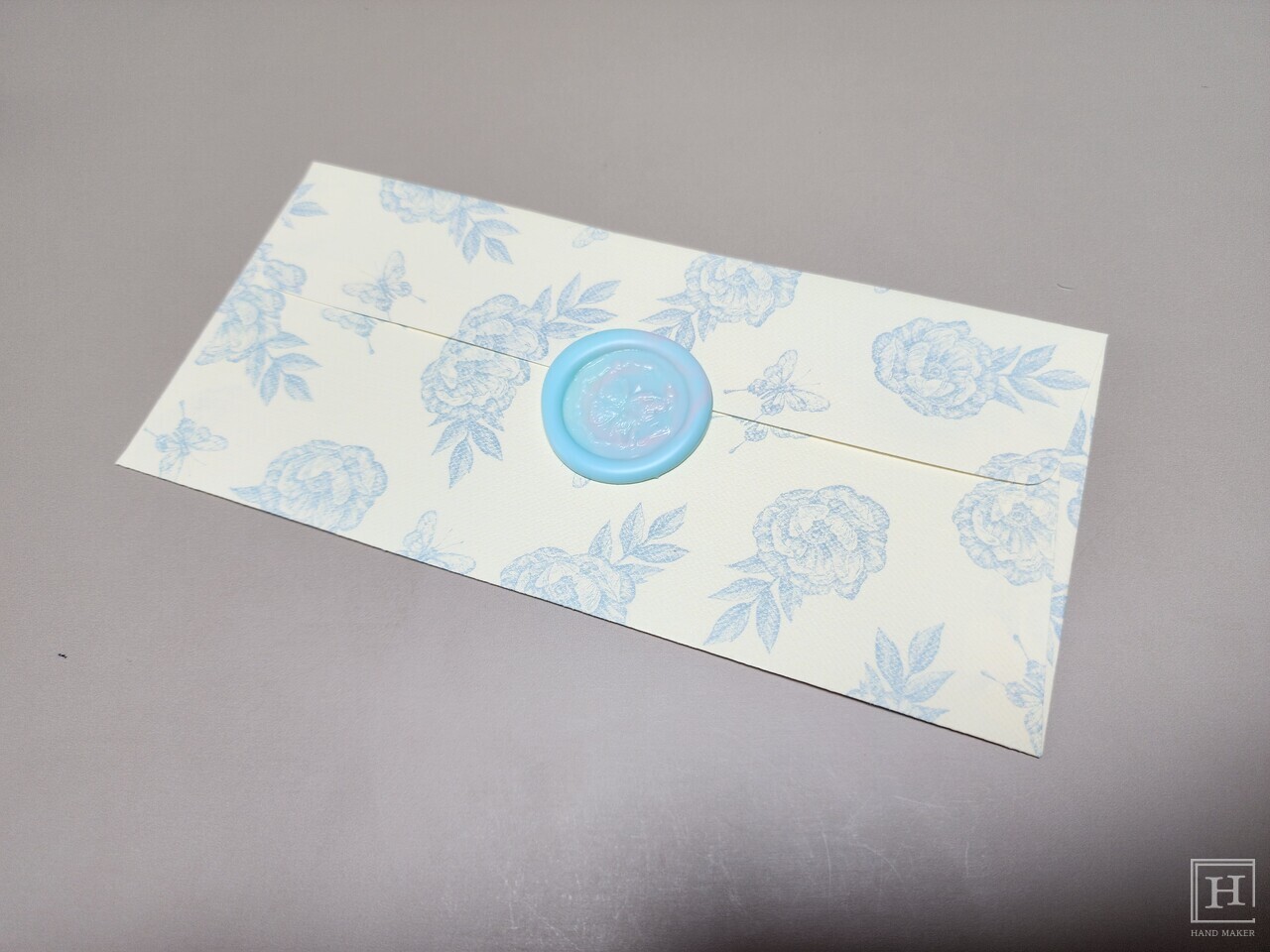
After succeeding, I made several more sealing waxes by changing to various colors. Placing them on an envelope made them look luxurious. It is an easy craft if you know the method.
If you want to enjoy it more as a hobby, it would be good to purchase stamps with various patterns and wax beads in various colors. Among the beads, there are glitter waxes with sparkling pearls, which give a brilliant feeling when you see the finished product. Also, having a silicone spatula to scrape the remaining wax from the spoon would be helpful.
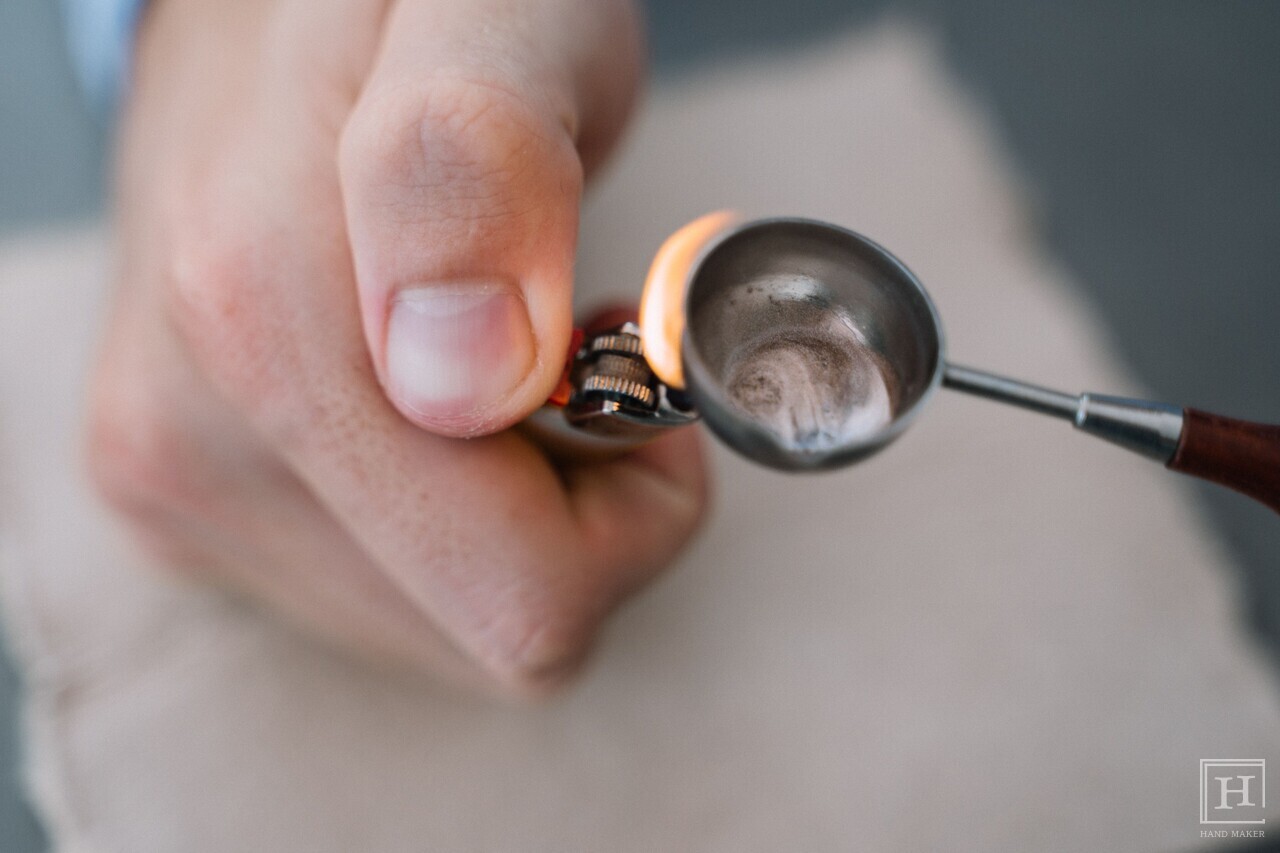
One thing to be careful of is that since candles are used, one must be careful of burns. If you hold the melting spoon handle incorrectly, the end can also be hot. Therefore, people who enjoy the sealing wax hobby sometimes use a separate sealing wax warmer. Similarly, tea lights can be used, but there are also electric products, so you can choose as you wish.
Sealing wax, which was once a practical tool for securely delivering letters and documents, has now become a hobby that gives the joy of making something by hand. The process of watching the wax melt slowly, mixing the desired colors, and waiting for the moment it is completed by pressing the seal is more fun than expected. It is also an attractive craft that the results vary slightly depending on how the wax spreads, even when using the same color and the same seal.
Reporter at HANDMAKER (핸드메이커), a Korean magazine devoted to crafts and handmade culture. Covers exhibitions, design and the people who make things by hand.
Comments 0
Comments are currently disabled.