
A House Built by a Father and Remembered by a Son… Seongbuk Museum of Art to Hold 《Suh Se-ok · Do Ho Suh: Touch》
The Seongbuk Museum of Art will host a special exhibition titled 《Suh Se-ok · Do Ho Suh: Touch》, featuring the works of Korean painter Suh Se-ok and his son, contemporary artist Do Ho Suh. The exhibition explores how the two artists, connected by a traditional Hanok in Seongbuk-dong, express themes of home, people, and accumulated memories.
An opportunity will open to appreciate the works of artist Do Ho Suh, who is garnering attention for his large-scale solo exhibition at MMCA Seoul, through a new perspective. This time, one can examine the house containing his childhood and the art of his father, Suh Se-ok, together. This is an exhibition where one meets two artists who started from the same space and sees how they expressed houses, people, and the memories accumulated within them through their works.
An opportunity will open to appreciate the works of artist Do Ho Suh, who is garnering attention for his large-scale solo exhibitions at MMCA Seoul, from a new perspective. This time, one can examine the house containing his childhood and the art of his father, Suh Se-ok, together. This exhibition is a meeting of two artists who started from the same space, seeing how they expressed houses, people, and the memories accumulated within them through their works.
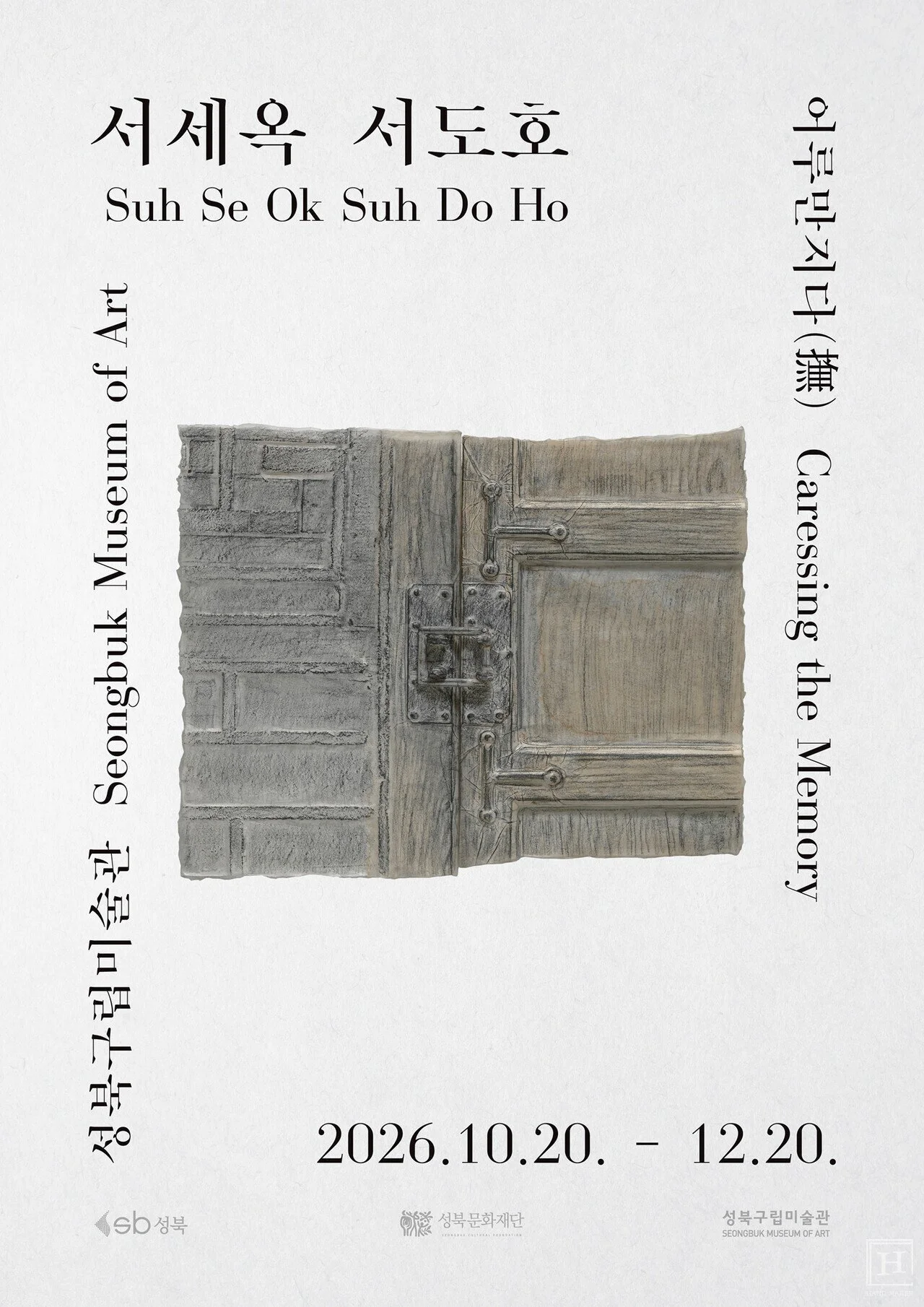
The Seongbuk Museum of Art will hold the special exhibition 《Suh Se-ok · Do Ho Suh: Touch》 starting on the 20th. As part of the ‘2026 1st Seongbuk Art Week: Home, Connected Breath’, it introduces the artistic worlds of the two, centered around the Seongbuk-dong Hanok they share.
The space connecting the two artists is the Hanok built by Suh Se-ok in Seongbuk-dong in the 1970s. Modeled after Yeongyeongdang at Changdeokgung Palace, the house was named ‘Musongjae’. Suh Se-ok lived here, appreciating and painting things he loved, such as scholar's rocks and Buddhist statues. In particular, his representative ‘Human’ series was also born in this house in the late 1970s.
Do Ho Suh, who spent his childhood here, began to view houses from a new perspective as he traveled between various cities such as New York and London after growing up. He has continued his work of recreating the spaces where he stayed into forms that can be moved anywhere by reproducing them with cloth. To him, a house is not a fixed building, but a space that remains in memory even after leaving and moves along with him.
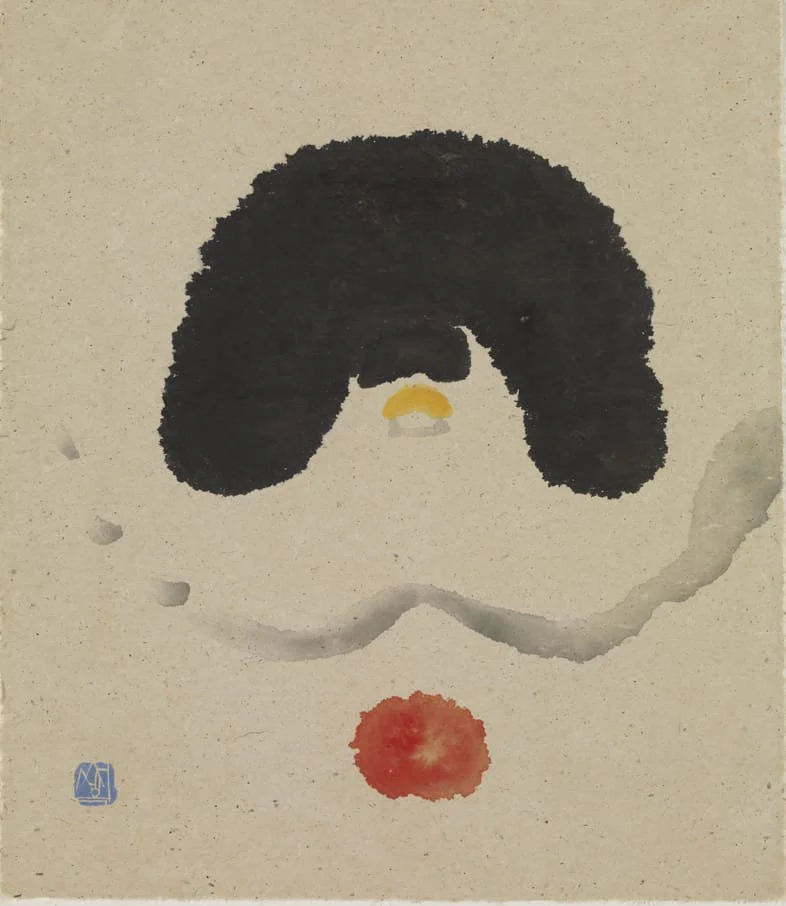
The exhibition is largely divided into two parts. In Part 1, ‘House, a Space of Thought and Memory’, the life and artistic world of Suh Se-ok are examined with a focus on the Seongbuk-dong Hanok. It presents works such as 〈South-Facing House〉 and 〈Neighborhood〉, which depict houses and villages harmonized with nature, as well as 〈Peaches of Immortality〉, 〈Narcissus and Scholar's Rock〉, and 〈Lingzhi and Scholar's Rock〉, which use objects he kept close to him as subjects.
Along with this, new frottage works produced by Do Ho Suh in 2026 will also be unveiled. While he previously reproduced entire houses, this time he focused on parts where his father's touch remains, such as the patterns on the walls of the Seongbuk-dong Hanok and the stone structures in the garden. Using the frottage technique, which transfers patterns and traces by rubbing the surface of objects, he captured childhood memories in his works.
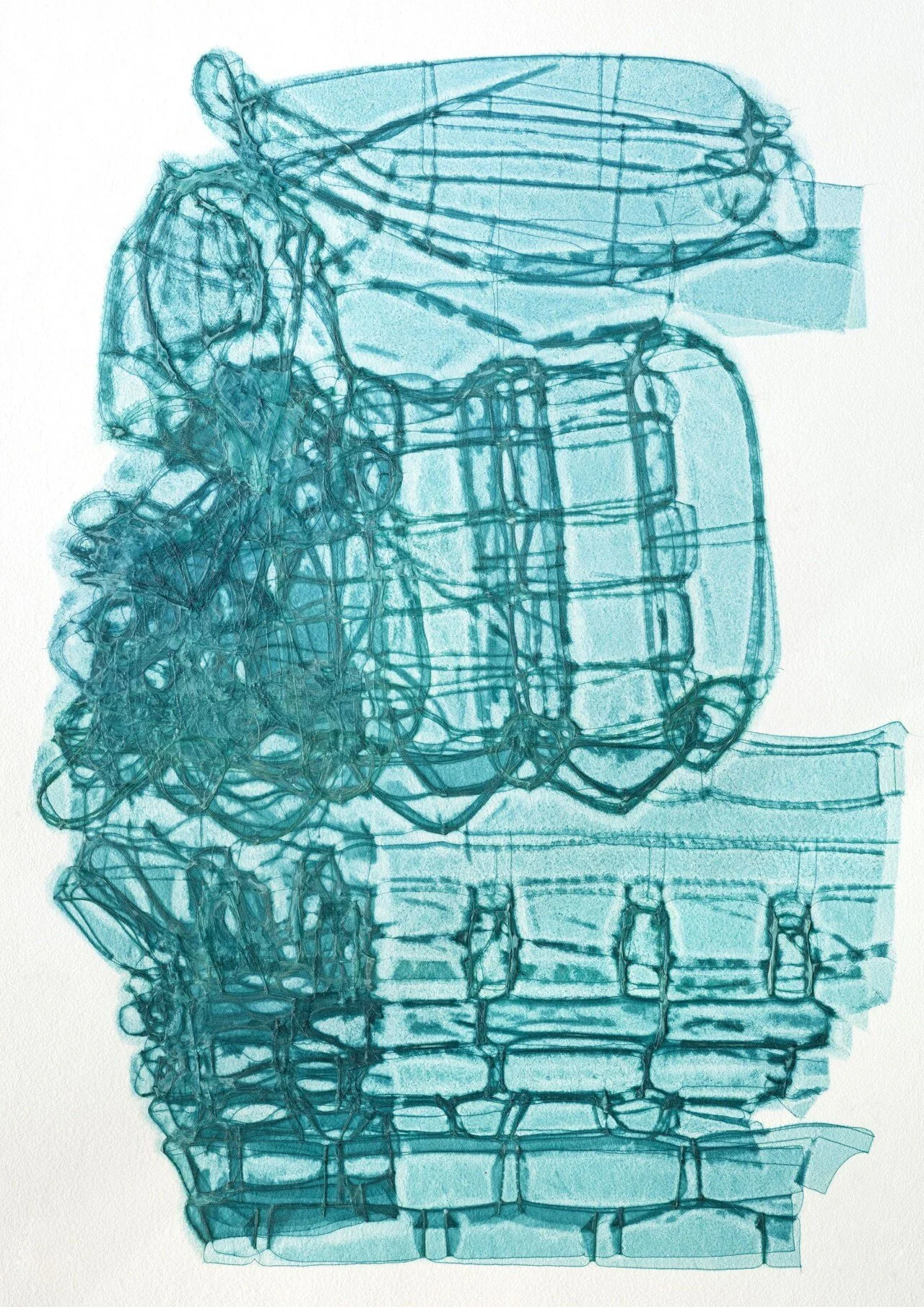
In Part 2, ‘Human and Existence, Connecting Time’, the ways in which the two artists express humans and relationships are highlighted. You can encounter Suh Se-ok's representative ‘Human’ series and large-scale works 〈People〉 and 〈Dancing People〉, as well as Do Ho Suh's thread drawings, the 2026 new work ‘Karma’ series, and 〈My Houses〉 which reaches 3m in length.
In particular, while Suh Se-ok's powerful ink lines and Do Ho Suh's delicate thread lines contrast, they show the common interest of the two artists in looking at humans and life. It is meaningful in that one can appreciate the artistic worlds that the father and son have connected in different ways in one place.
The exhibition will run until December 20, and anyone can view it for free without a separate advance reservation. Detailed information can be found on the official website of the Seongbuk Museum of Art.
Reporter at HANDMAKER (핸드메이커), a Korean magazine devoted to crafts and handmade culture. Covers exhibitions, design and the people who make things by hand.
Related Articles
National Museum of Korea Sells Early Bird Tickets for Kunsthaus Zürich Collection Exhibition
Adding Experiences to Artwork Appreciation... Gyeonggi Ceramics Biennale ‘Stacking Clay · Finding Ceramics’
Comments 0
Comments are currently disabled.