[Field Sketch] Gyeonggi Ceramics Biennale 2026 ② Surveying the Trends and Diverse Works of Contemporary Ceramics Worldwide: 《International Competition》
The International Competition, held at the Gyeonggi Museum of Ceramic Art in Icheon until November 1, showcases contemporary ceramics from around the world.
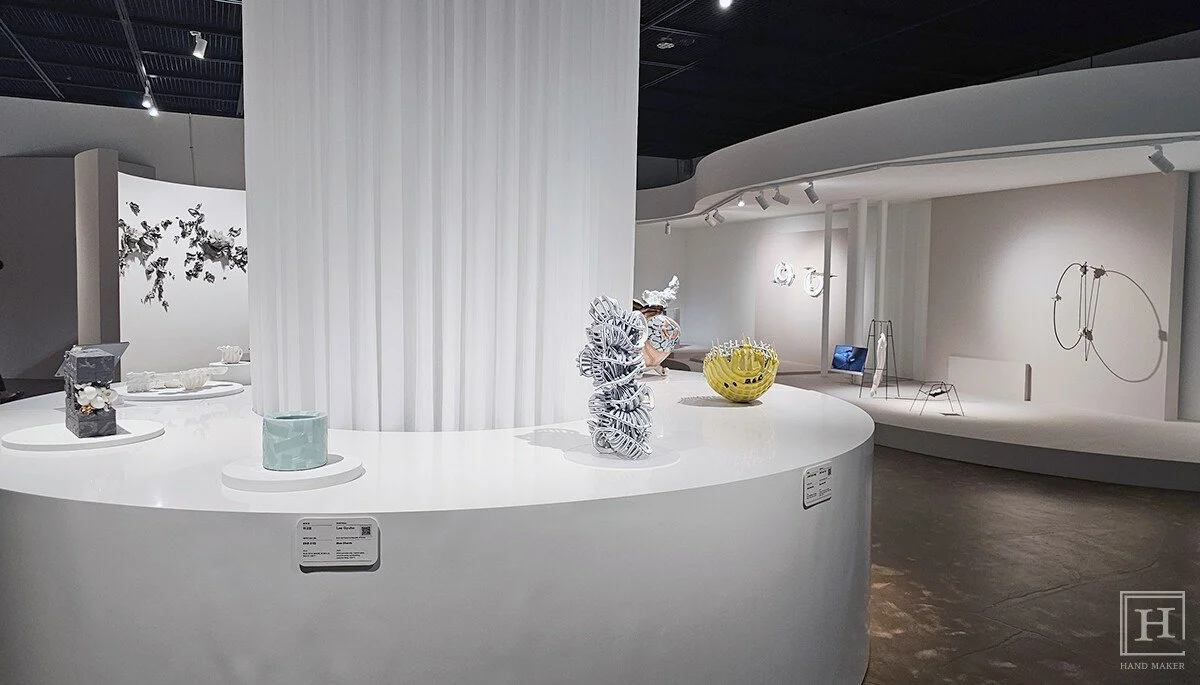
The 《International Competition》, held at the Gyeonggi Museum of Ceramic Art in Icheon until November 1, is a competition that has introduced contemporary ceramics from all over the world and observed the trends of its changes since it began in 2001.
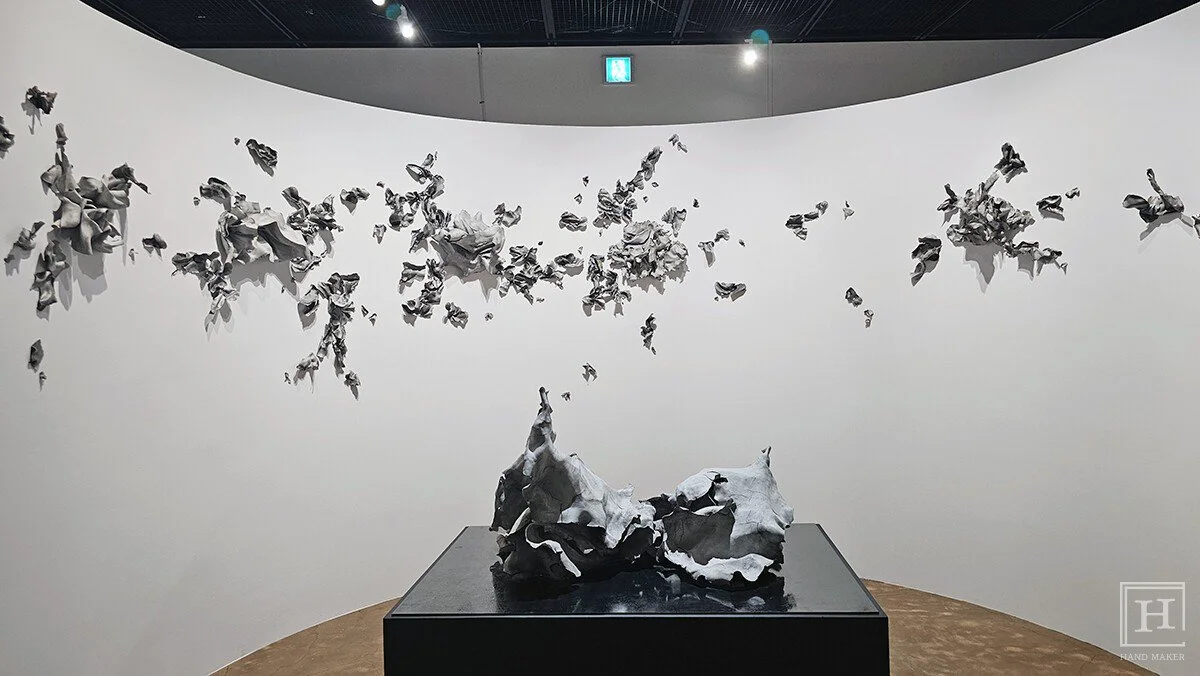
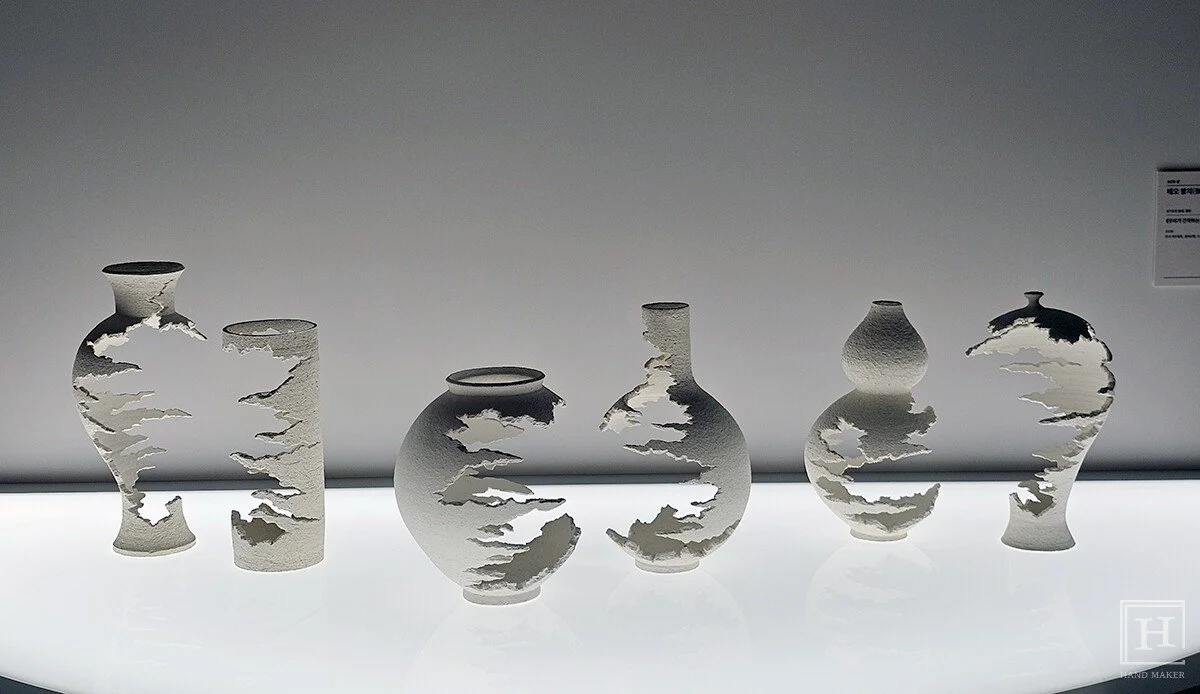
In this 13th International Competition, 1,050 artists from 77 countries participated, and a total of 58 works were finally selected through online image screening and on-site physical screening. The 58 selected works show various forms and production methods, ranging from traditional vessels to sculpture and installation.
Furthermore, works originating from different regions and cultural backgrounds inform how ceramics are being made, interpreted, and expanded in various parts of the world today.
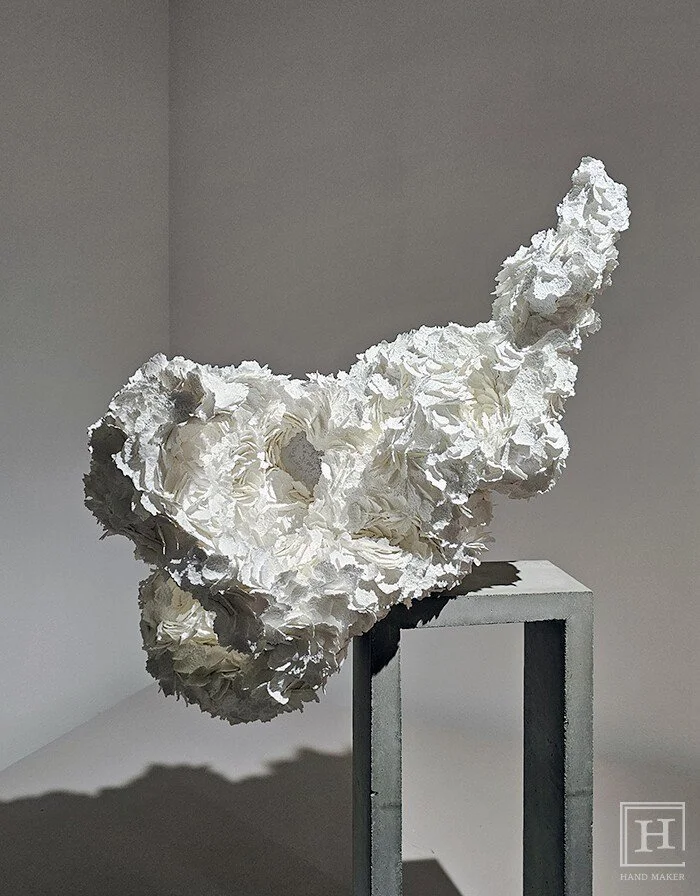
The Grips focus on the increasingly unstable rhythms of nature and the resulting uncertainty within the changing climate. Rather than directly reproducing a specific place or event, 〈It Will Never Snow Again〉 reveals a state where nature seems to remain on the boundary between dormancy and activity, existence and erosion. Through works that appear to be ongoing processes rather than completed or stable forms, the two artists capture the fragile tension and shaking order that nature maintains within a constantly changing environment.
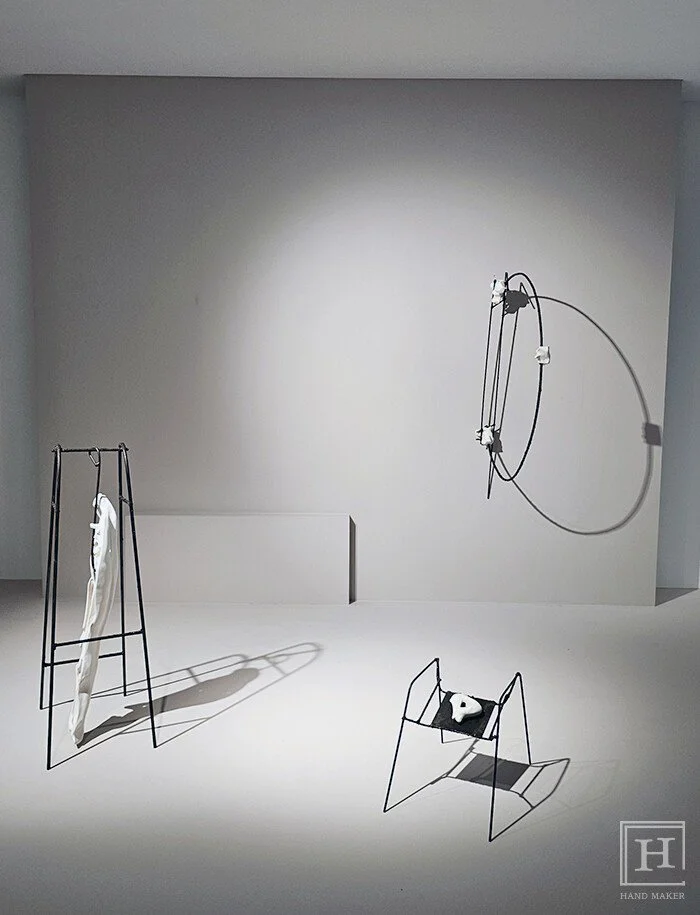
〈Finding the Body Between Bones〉, which stems from the artist's rehabilitation experience, notes that the body's rehabilitation process—repetition and correction, measurement and adjustment—is structurally similar to the ceramic production process, where clay is shaped, supported, and fired, then re-evaluated and modified.
At the center of the work lies a ceramic bone suspended within a welded steel frame. The bone is presented as an object of structural exploration possessing both hardness and vulnerability, while the metal support acting as an external skeleton reveals the dependency shared by body and matter by stabilizing the form while simultaneously constraining it.
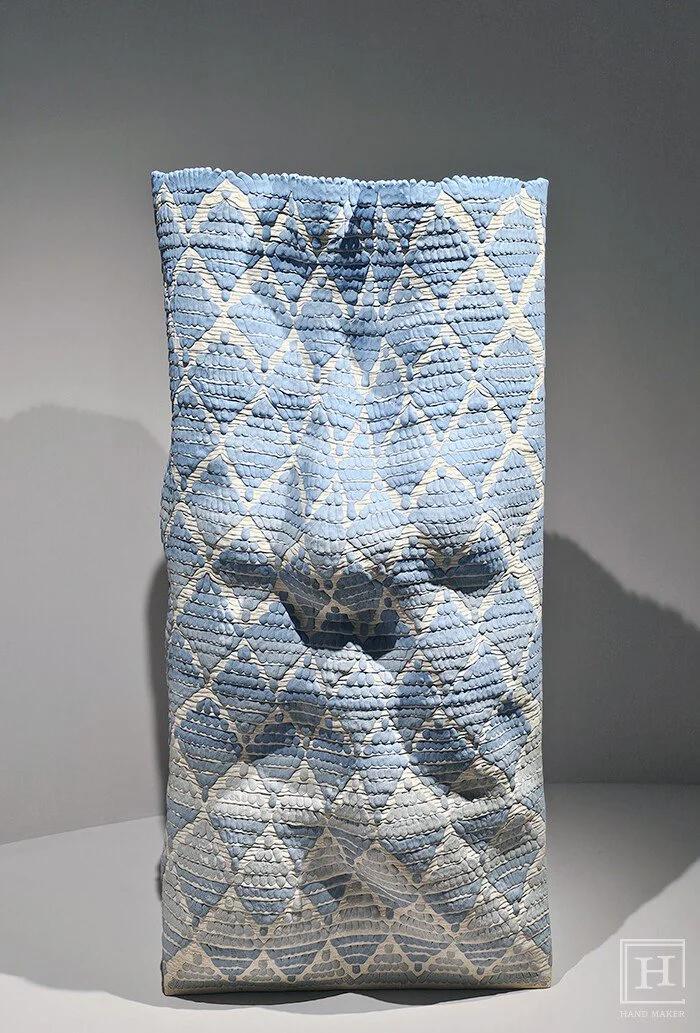
In Korean culture, 'vessels' (geureut) have functioned as objects that metaphorically represent personality and inclusivity beyond functional categories. Based on the Korean culture in which she is rooted, the artist expands 'vessels' into a formative structure that explores the way individuals expand and tune themselves within relationships with others. In this work, 〈Remnant〉, strength and delicacy coexist in the open forms slowly built up by hand, and the surface, which retains fingerprints and traces of coils from the production process and subtle imbalances, reveals the gestures of the body accumulated through repetition, patience, and care.
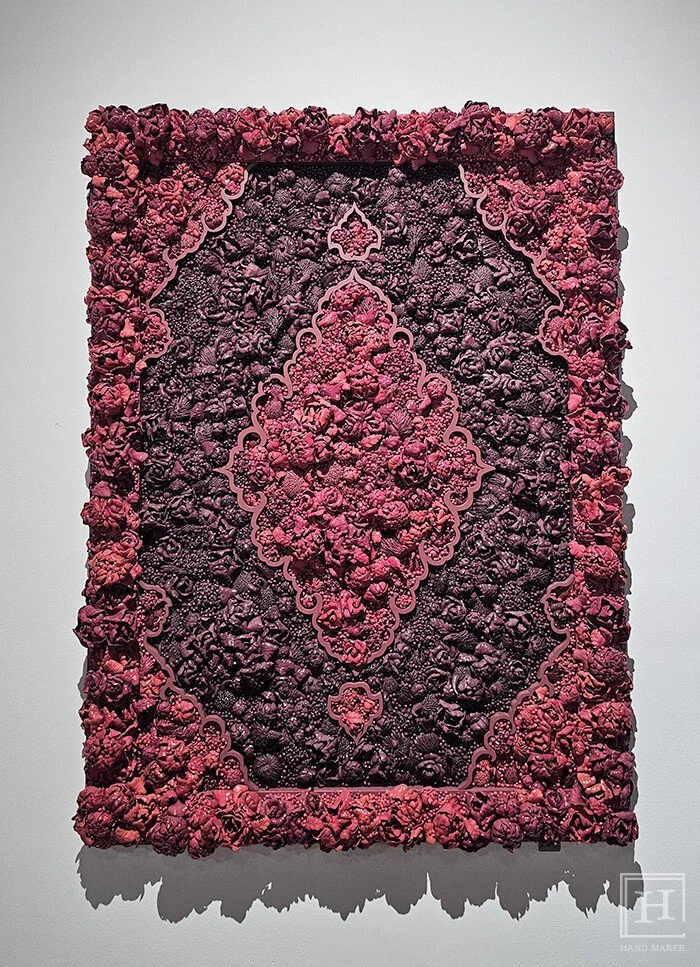
The artist focuses on the image and compositional methods of carpets, which have symbolically contained nature in various cultures for a long time. 〈Blooming Carpet〉, which expands the tradition of carpets—where flowers, plants, and landscapes are transformed into repetitive patterns and decorations—into ceramic modeling, creates a single 'habitat' where memory and nature, tradition and modern sculptural language meet.
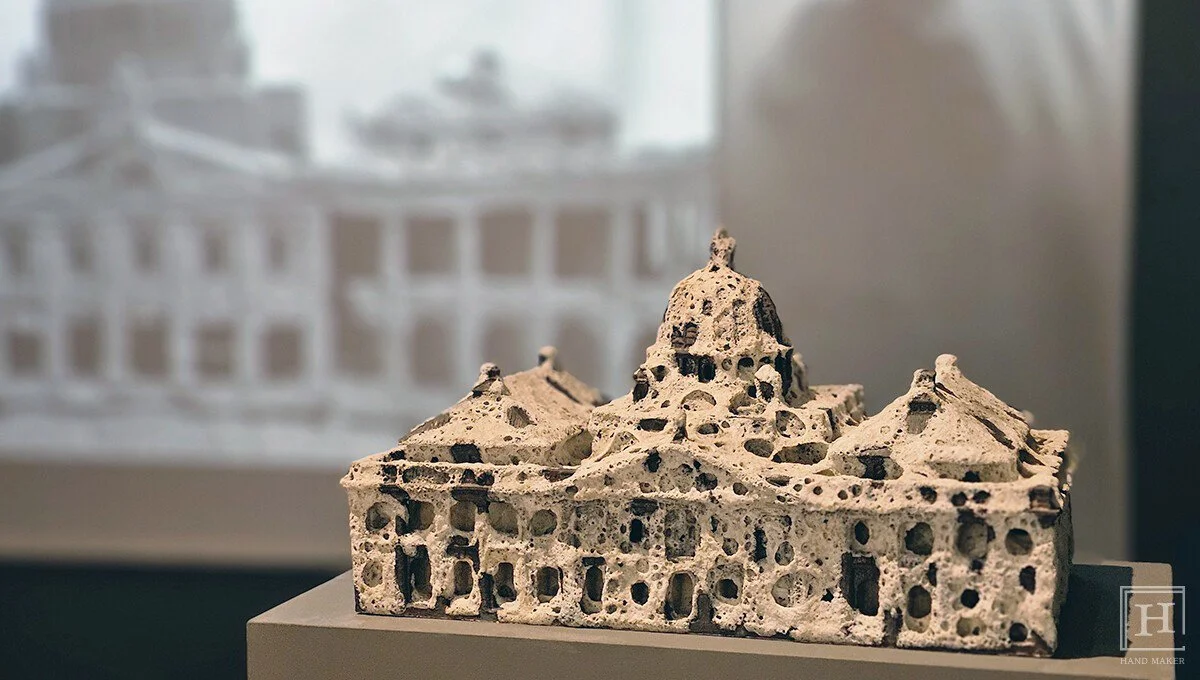
Lau Yat Wai explores the process of memory remaining, disappearing, and being reconstructed through video and ceramics. 〈Vortex of Memory in Silence〉 consists of a video recording the process of unfired clay slowly melting and collapsing in water, and ceramic objects that precisely reproduce everyday items and are covered with thick lava glaze.
Here, the melting clay symbolizes dissolving memories, while the glaze covering the surface symbolizes memories being rewritten as new experiences accumulate.
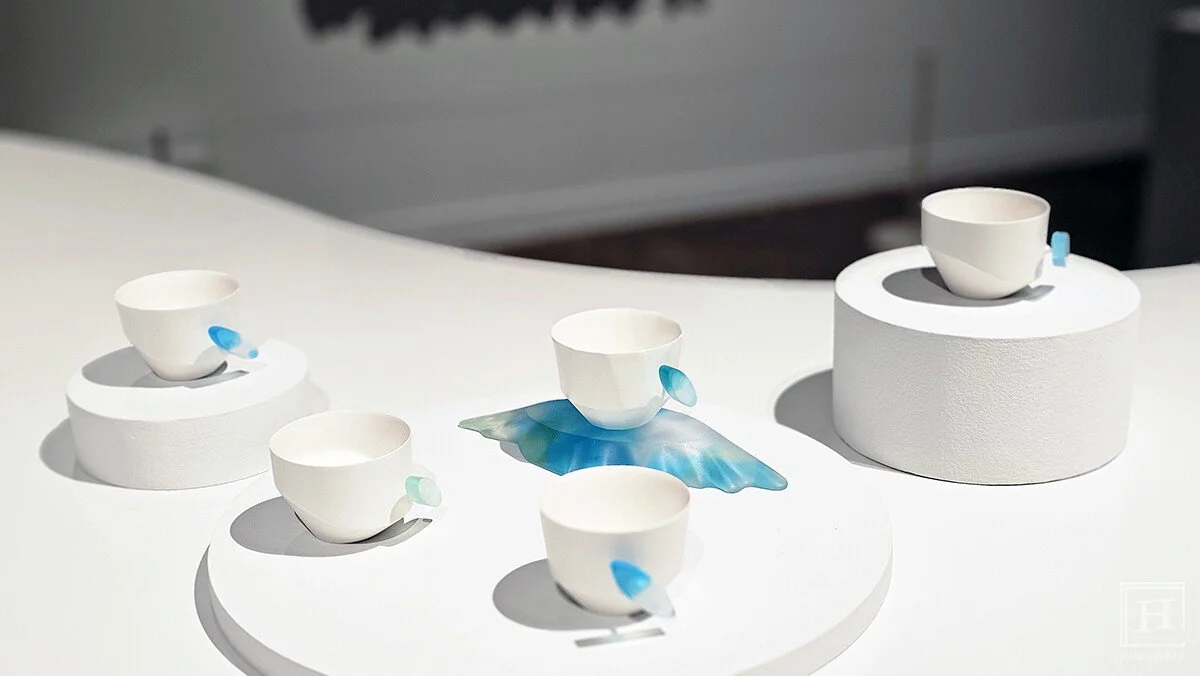
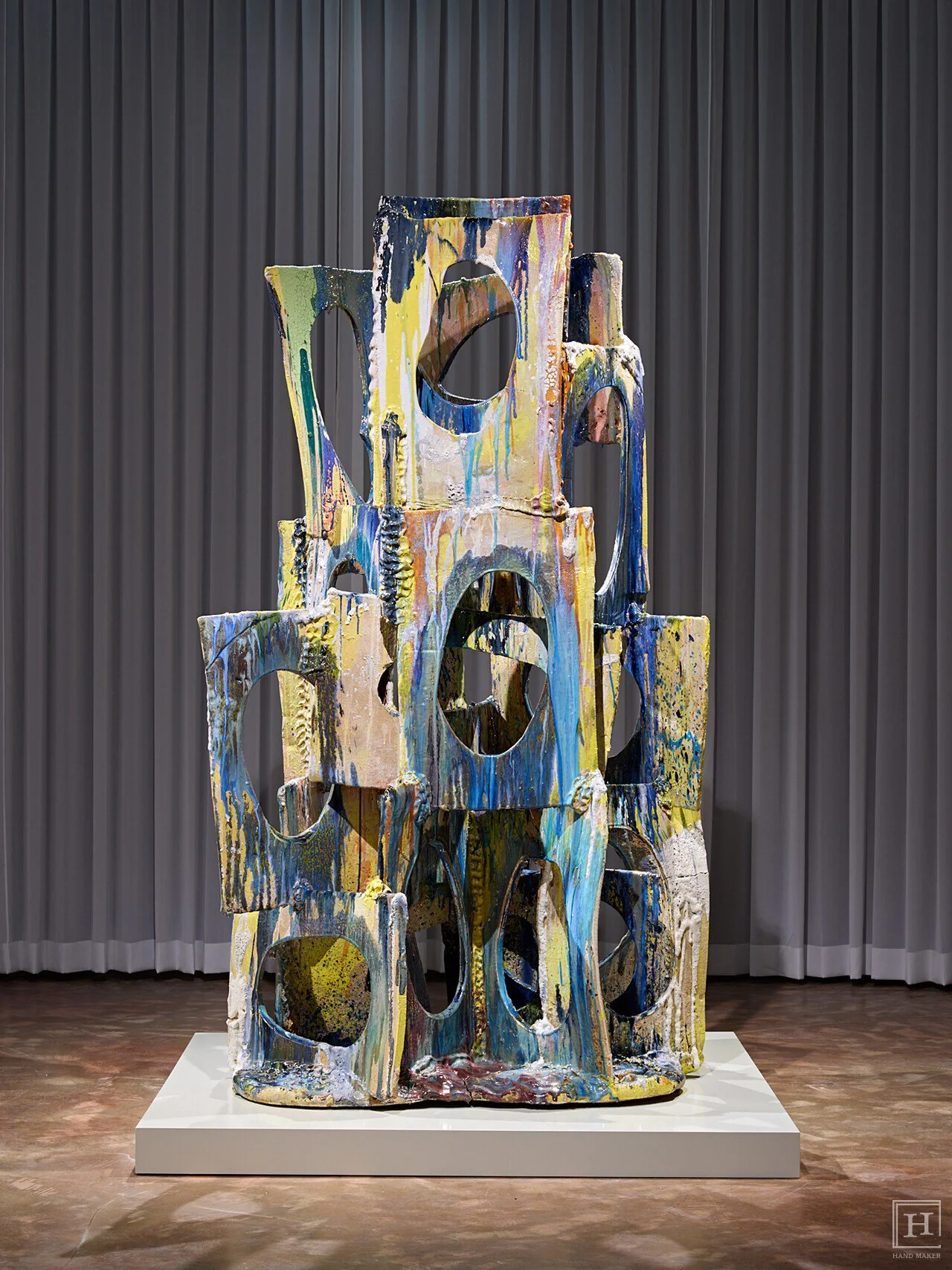
During the process of creating this work, I gave my young son the opportunity to participate in the work, and the child created free colors by pouring glaze over the piece," and "The entire process was improvised and rapid, which well revealed the freedom and fragility I wanted to convey through this work."
An official from the exhibition stated, "Through this Gyeonggi Ceramics Biennale International Competition, we hope to examine the various aspects and the present of contemporary ceramic art, and to gauge the changes and possibilities that will follow in the future."
Reporter at HANDMAKER (핸드메이커), a Korean magazine devoted to crafts and handmade culture. Covers exhibitions, traditional crafts and the makers behind them.
Related Articles
![[On-site Sketch] Re-weaving Past Times and Memories with Warm Knitting, Hwang Jae-won's 《Connecting…](/storage/handmk-global/2026/09/9977ab9b-6100-4ca7-8ad4-e947975824d5-d4134722-thumb.webp)
[On-site Sketch] Re-weaving Past Times and Memories with Warm Knitting, Hwang Jae-won's 《Connecting Slowly: The Unfamiliar Transformation of Familiar Objects》
![[Field Sketch] Gyeonggi Ceramics Biennale 2026 ① A creative journey made by clay and the Earth, the "Earth Makes" exhibition](/storage/handmk-global/2026/09/6ef72930-ffbb-4da1-a0aa-9c9ce3c08798-b06a97ce-thumb.webp)
[Field Sketch] Gyeonggi Ceramics Biennale 2026 ① A creative journey made by clay and the Earth, the "Earth Makes" exhibition
![[On-site Sketch] Capturing Light, Shadow, and Even Solitude in a Slice of Cake: 《Hyundai Card…](/storage/handmk-global/2026/09/81dbe9bd-42df-43f7-a1c8-fd5c7c803a58-a4094b1d-thumb.webp)
Comments 0
Comments are currently disabled.