
[Field Sketch] 2026 Gyeonggi Ceramics Biennale ③ The Tradition and Present of Korean Ceramics Created by the Hands of Masters: "Ceramic Masters of Our Time" Special Exhibition
The Gyeonggi Ceramic Museum in Gwangju is hosting the "Ceramic Masters of Our Time" special exhibition until November 1…
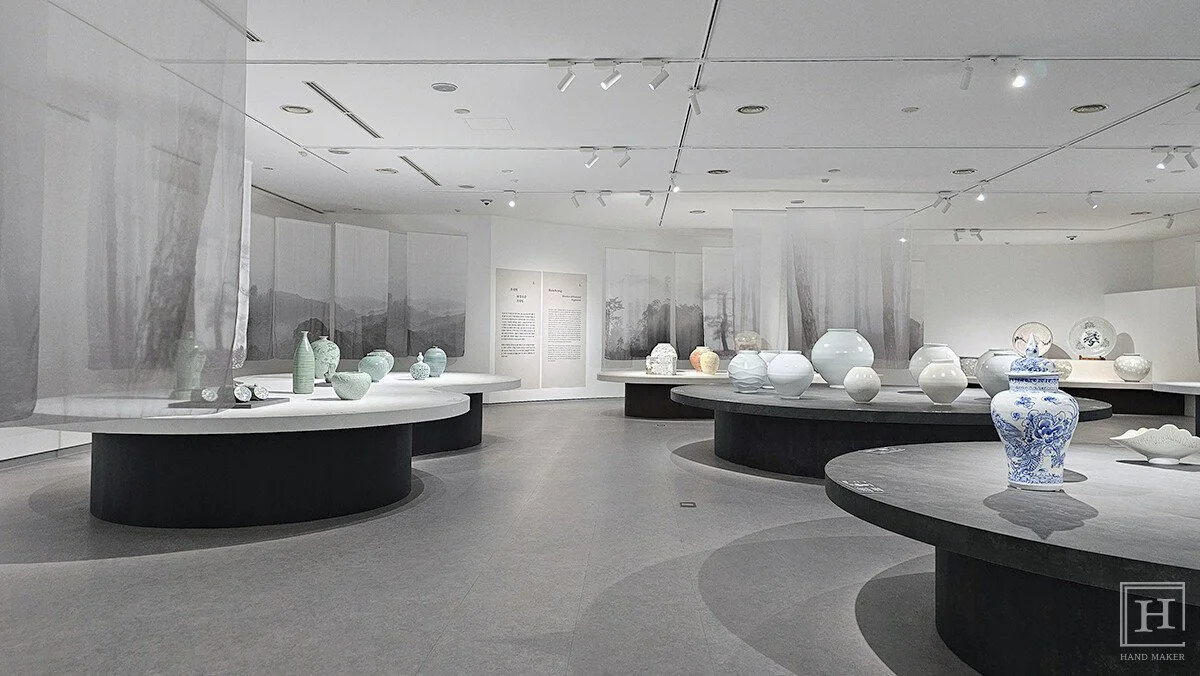
The Gyeonggi Ceramic Museum in Gwangju is holding the "Ceramic Masters of Our Time" special exhibition until November 1, presenting the succession of traditional ceramics and the possibility of expansion into the future ceramics industry.
The tradition of Korean ceramics has been passed down through clay, fire, and the hands of numerous masters. The production techniques and aesthetic sense accumulated over long periods of time are constantly being inherited and reinterpreted amidst changing eras, reaching the present day.
The exhibition is composed of four themes: 'Celadon, the Succession of Technique and Modern Interpretation', 'The Free Form of Buncheong', 'White Porcelain: Dignity and Majesty within Simplicity', and 'New Possibilities of Korean Ceramics'. Along with the works, the exhibition explores the meaning of Korean ceramic tradition, technology, creation, and succession through the stories of the masters.
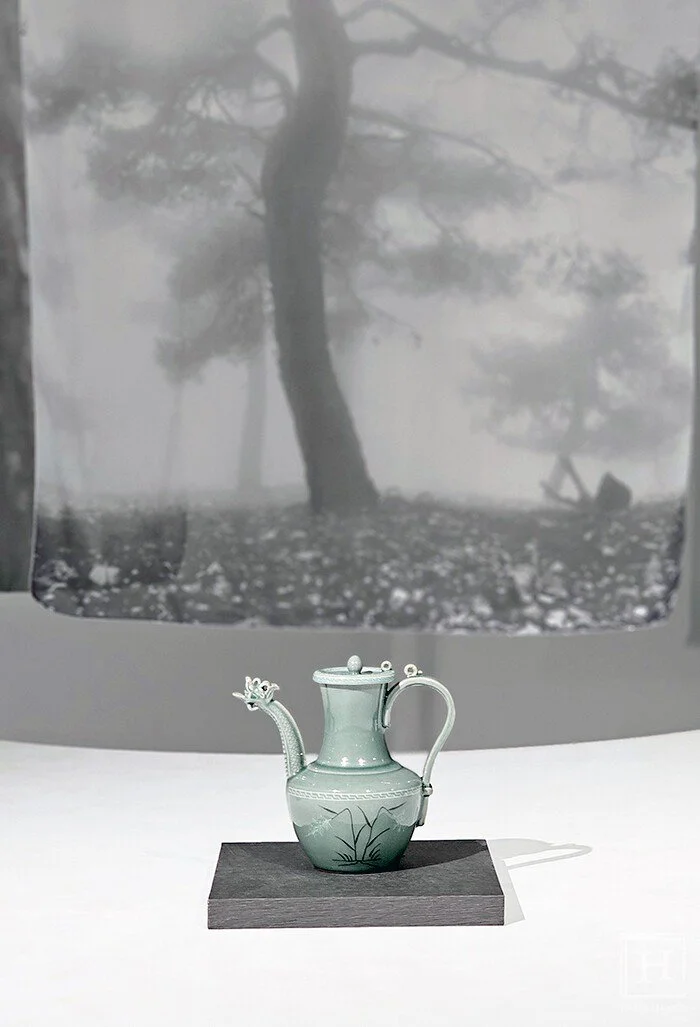
Celadon, the Succession of Technique and Modern Interpretation
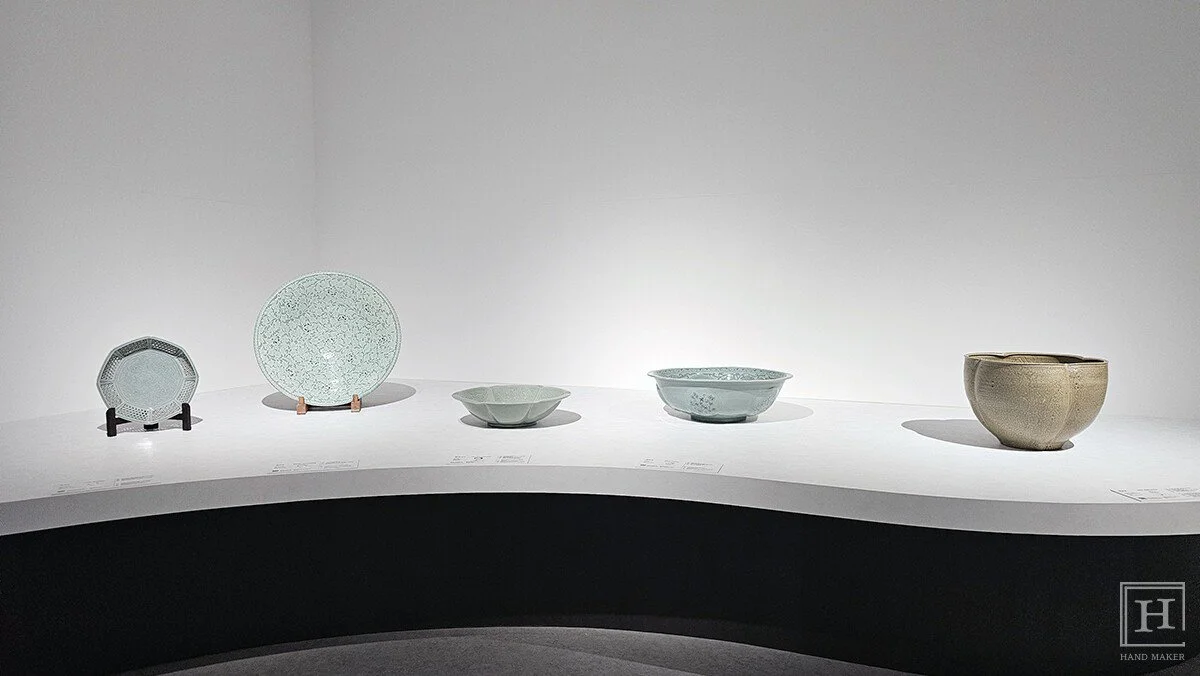
Celadon, which reached its technical and artistic peak in Goryeo during the 12th century, began to be restored in modern times by several masters after a long period of disconnection. Following national liberation, research into reproduction and technology to revive the colors, shapes, and patterns of Goryeo Celadon intensified.
In the kiln sites (yojang), shapes were made on the wheel, patterns were carved, and paintings were drawn. Various techniques were gathered in one place, from applying glaze to the process of firing the kiln. Those starting their work would watch and assist the work of skilled masters, learning techniques one by one by doing it themselves. When a master who built such skills became independent and opened their own kiln, the techniques they learned were passed on to new places.
Efforts continued to find good clay and vary the raw materials and mixtures of glazes to realize the jade color (bisaek), and to recover the lines and proportions of traditional shapes through wheel-throwing. Along with this, as decorative techniques such as inlay (sanggam), relief (eumyanggak), and openwork (tugak), as well as firing experience in handling fire, were accumulated, the technical foundation for modern celadon production was established, and these techniques were passed down to multiple generations of masters centered around the kilns.
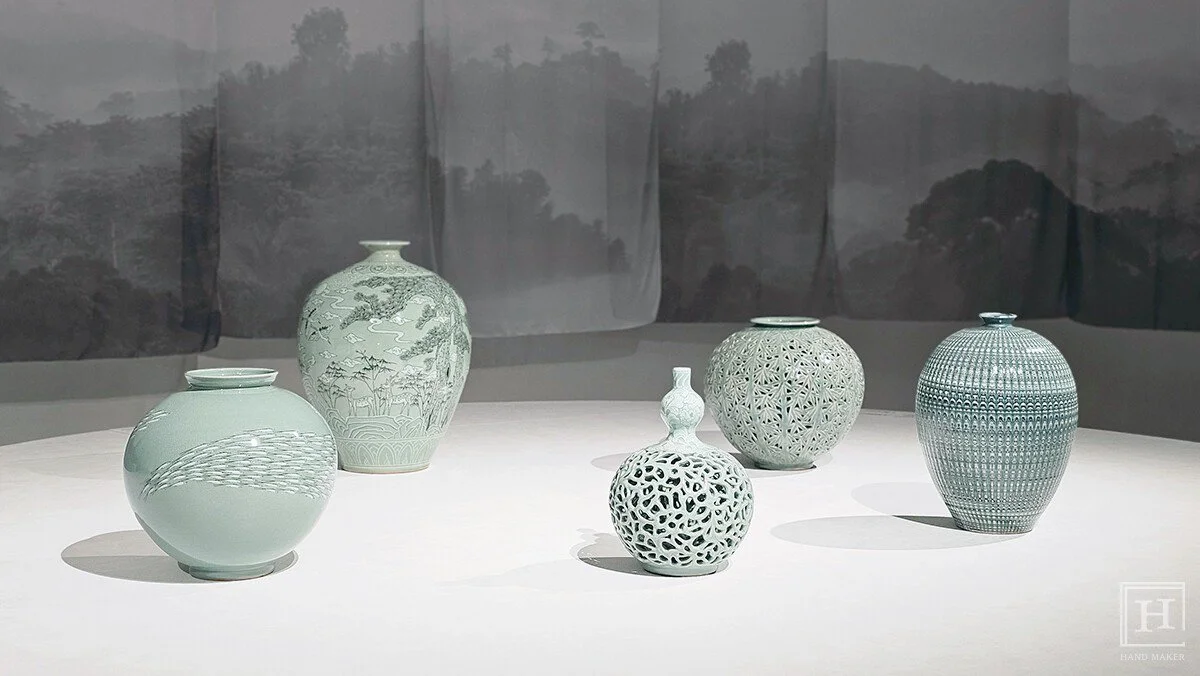
Today's celadon does not stop at merely repeating the inherited techniques. Just as the Goryeo people captured their ideals, lives, and the natural scenery that enriched their lives in celadon using various materials and techniques on functional and beautiful forms, today's masters are creating original celadon by developing their own colors based on traditional techniques and decorative methods, adding new patterns and forms. The glazes that create color, the shaping that molds form, and the carving and decoration that add artistry to the surface started from techniques to revive past celadon, but today they have become a language of creation that reveals the individuality of the master.
The Free Form of Buncheong
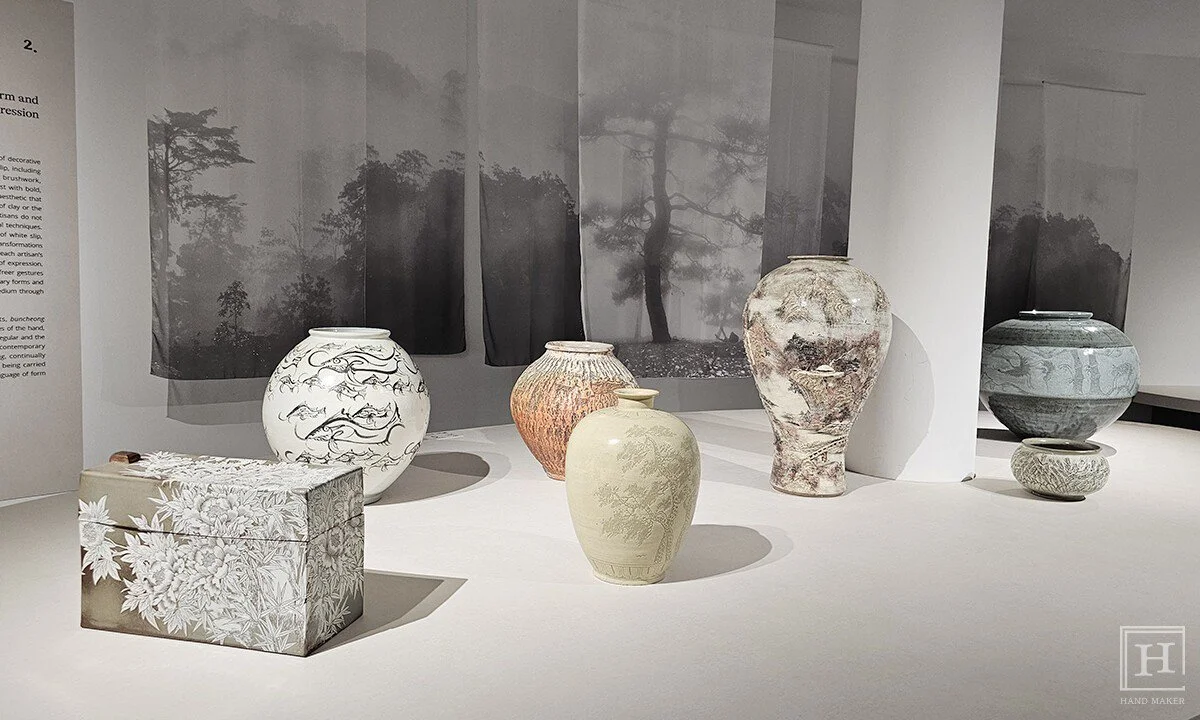
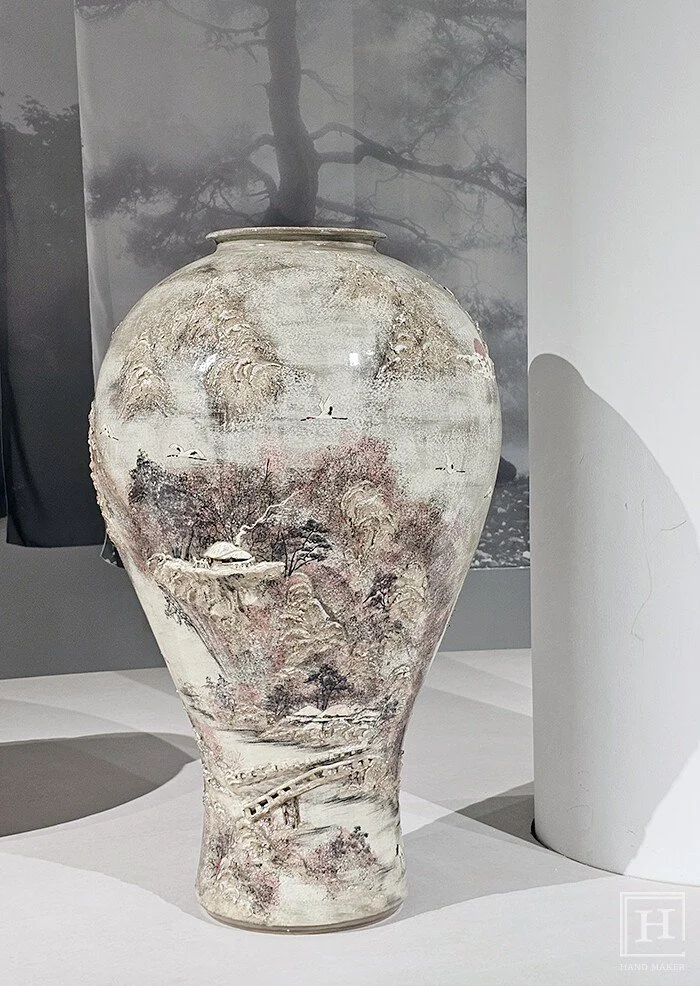
Buncheong ware is ceramics that express various techniques such as stamping (inhwa), inlay (sanggam), carved (johwa), sgraffito (bakji), iron-painted (cheolhwa), brush-stroke (guiyal), and dipping (deombeong) on a surface coated with white clay. Sophisticated planned expressions coexist with bold and improvised traces, showing a free formative beauty that does not hide the movement of the clay and hands. Today's masters do not limit the aesthetic of Buncheong to the reproduction of traditional techniques.
Buncheong expresses patterns by coating white clay on the clay and using various methods of carving, scratching, stamping, and drawing. Even when using the same traditional techniques, a completely different appearance is created depending on the master's hand. Masters have been finding their own answers to what to preserve from that tradition and what to create anew.
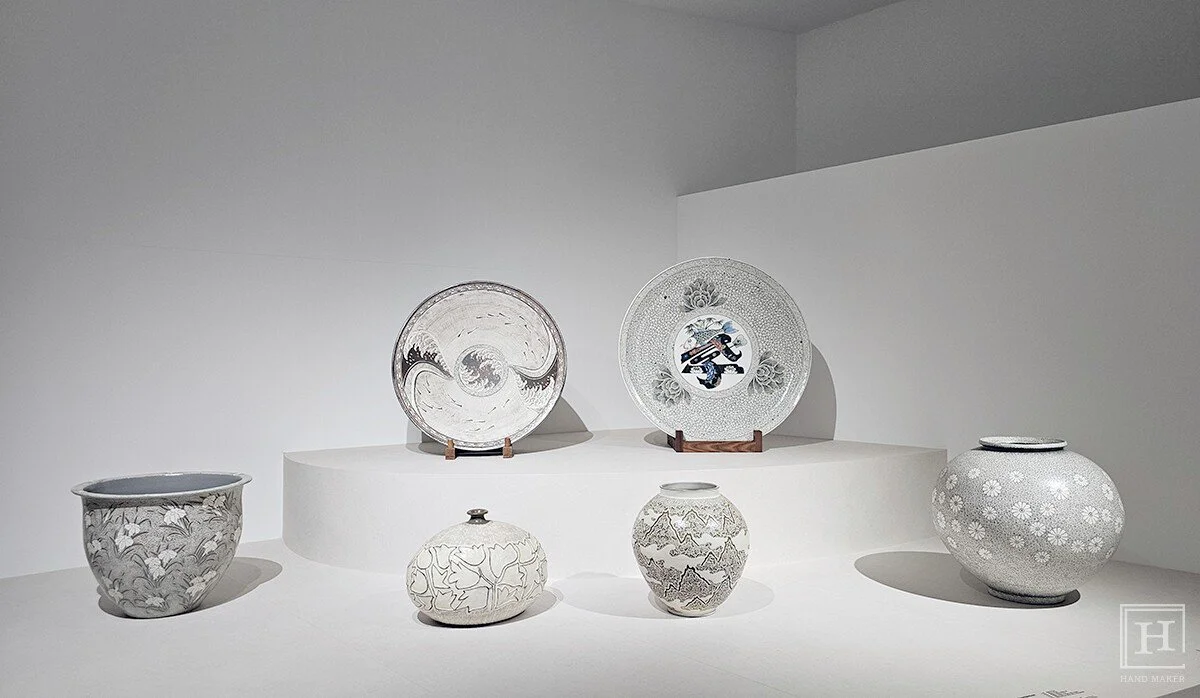
The shapes created on the potter's wheel, the texture of white clay, the traces left by knives and brushes, and the accidental changes created by glaze and fire expand into new expressions as they meet individual experiences and senses. From traditional inlay patterns and sanggam to free brushwork (guiyal) and submerging (deombeong), and reaching modern forms and modeling, Buncheong has become a way to actively reveal the individuality of a master.
Freedom arising from proficiency, Buncheong. One of the charms of Buncheong ware is its freedom. White clay is applied over the earth, patterns are carved or stamped, and paintings are made with brushes. In that process, the master's touch remains intact. Even fast-moving lines or traces of hands become the unique expression of Buncheong.
Rather than a perfectly controlled result, the aesthetic of Buncheong—which accepts the physical properties of the clay and the traces of the hand, freely crossing the boundaries between regular and irregular—resonates with modern sensibilities. The freedom of Buncheong, which has been constantly varied within the framework of tradition, is being passed on as a new formative language through the masters.
Dignity and Majesty within Simplicity, White Porcelain
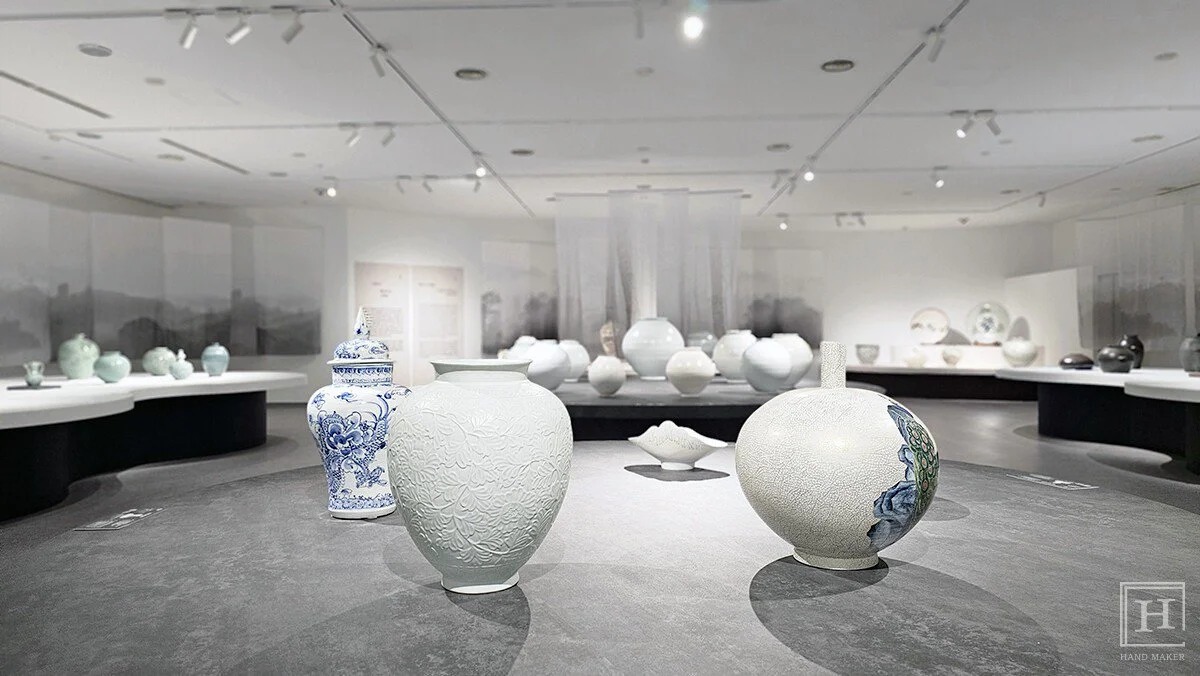
The dignity and majesty revealed in simplicity stem from the high level of skill used to create Joseon White Porcelain. Representing the Joseon era, White Porcelain has contained the aesthetic of Korean ceramics within clear, simple colors and restrained forms. From pure white porcelain, which minimizes decoration to reveal the beauty of form and void, to Moon Jars, which stand out with their generous sense of form, White Porcelain has created various expressions and depths within its characteristic simplicity.
The beauty of White Porcelain does not lie solely in its white color and simple forms. From Cheonghwa, painted with blue pigment on White Porcelain, to Yanggak, where patterns are carved to stand out, and Tugak, where patterns are made by piercing the surface, to Geumchae, which adds golden accents—masters have expanded the expression of White Porcelain by adding various techniques.
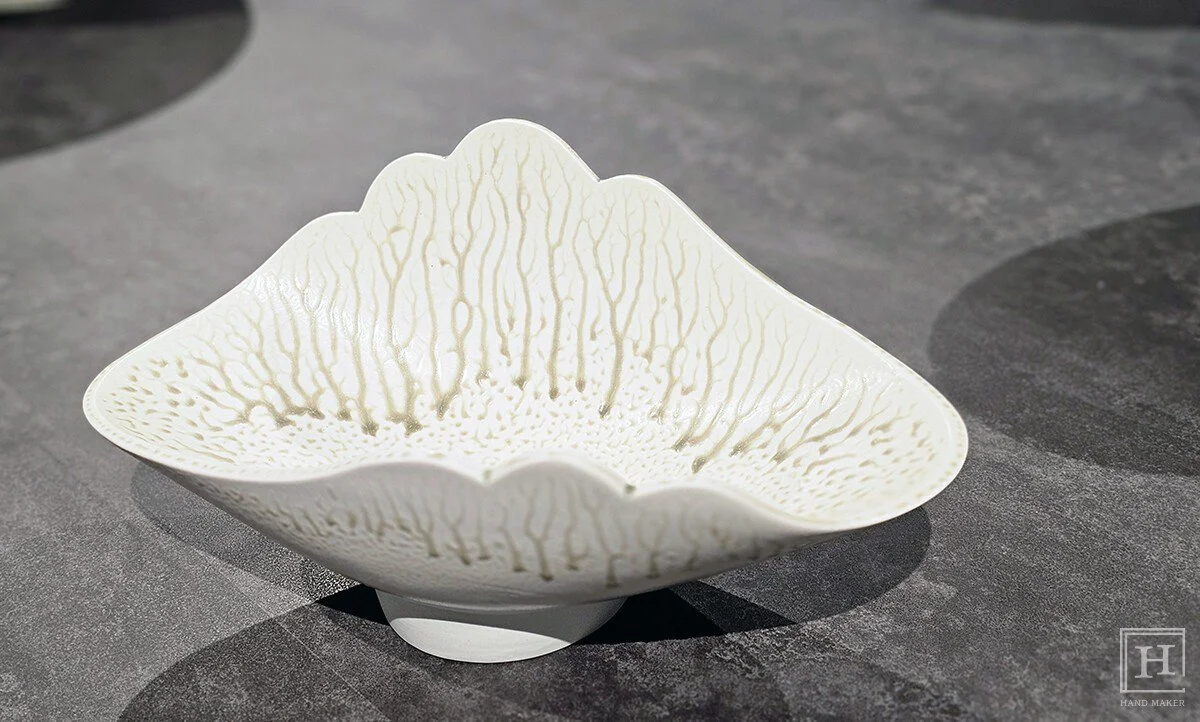
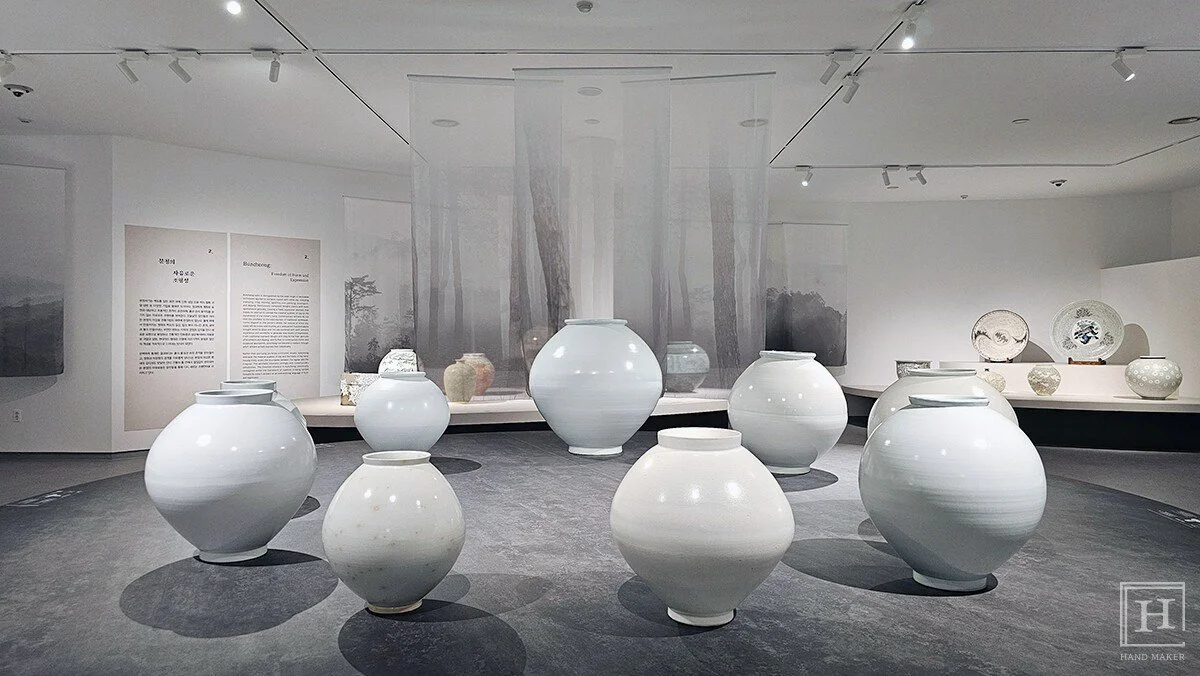
The simple appearance of White Porcelain actually demands a high level of proficiency from the master. Long experience in selecting good clay, adjusting glaze, capturing form and proportion on the wheel, and managing the kiln fire makes subtle differences. This is because, as decoration is restrained, the lines and proportions of the vessel, the subtle changes in glaze color, and every single trace left on the surface determine the impression of the work.
While exploring the aesthetics of such Joseon White Porcelain, today's masters have been searching for their own lines, proportions, surfaces, and colors. From working on traditional vessel shapes like the Moon Jar to seeking new modeling by transforming forms, carving surfaces, or through changes in glaze and surface, their expressions are expanding diversely. The dignity and majesty of White Porcelain, dwelling within simplicity, is reborn as the White Porcelain of our time through the new lines, colors, and modeling added by the masters.
New Possibilities for Korean Ceramics
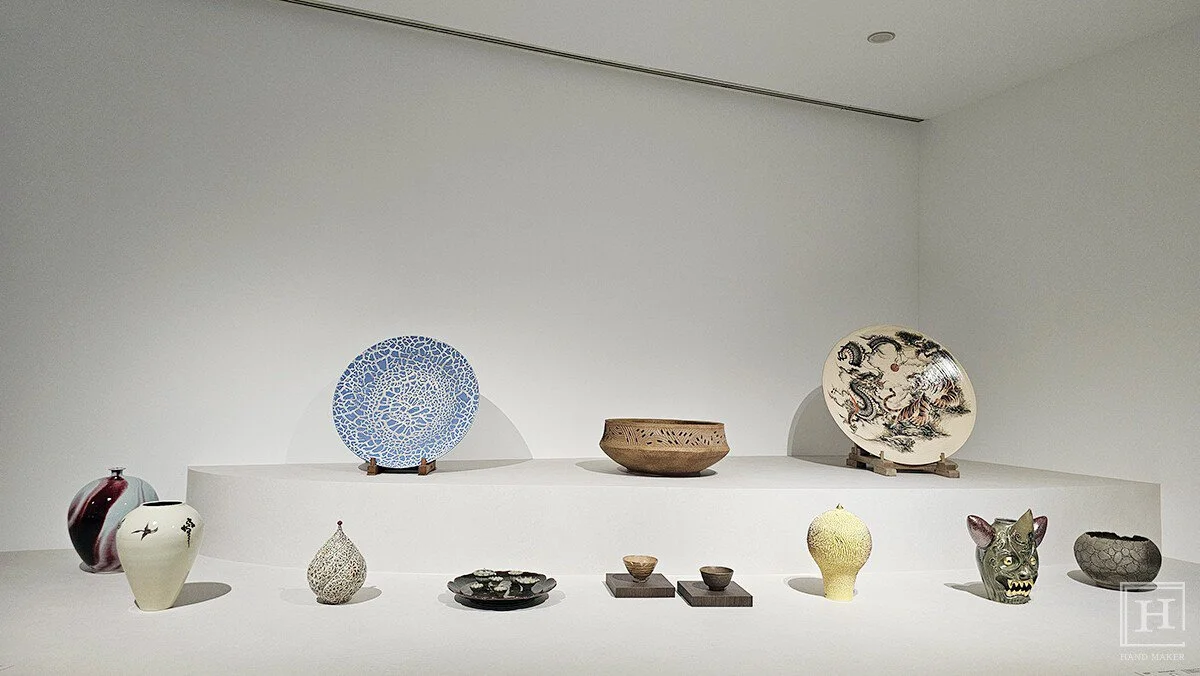
Tradition is not a fixed format, but a living culture that has constantly changed through eras and people. Goryeo celadon and Joseon Buncheong and White Porcelain were also born and changed within the technology, lifestyle, and aesthetics of their time, becoming the heritage we call "tradition" today.
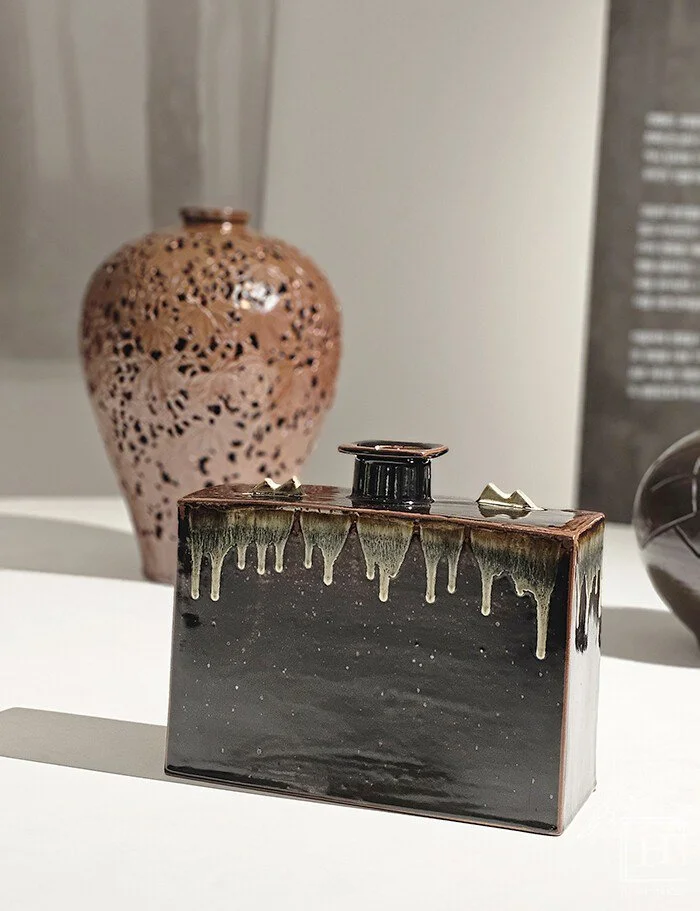
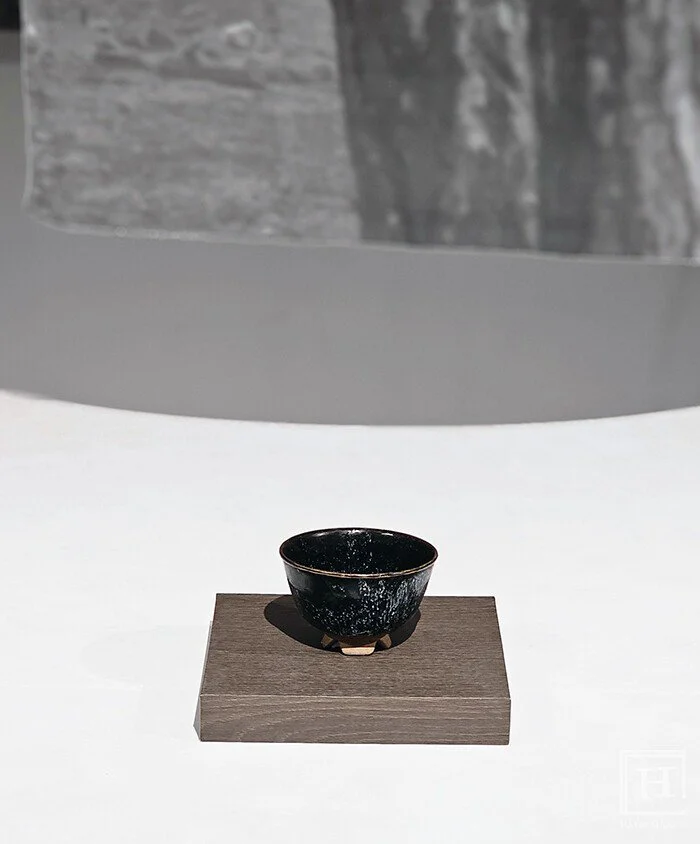
Today's masters do not stay within the traditional classifications of Celadon, Buncheong, and White Porcelain, but explore their own materials, techniques, forms, and colors. They look at the traditions of Onggi and functional ceramics in a new light, combine new modeling with traditional wheel-throwing, and find colors that did not exist in the past through constant experimentation with glaze and fire. Sometimes they discover new techniques through failure and chance, and complete them as their own skill through long repetition.
For these individuals, the way to carry on tradition is to add the sensibilities and experiences of the era they live in to create "their own ceramics." A new interpretation of Korean ceramics is not about breaking away from tradition, but about adding new possibilities so that tradition can continue to expand vibrantly in the future.
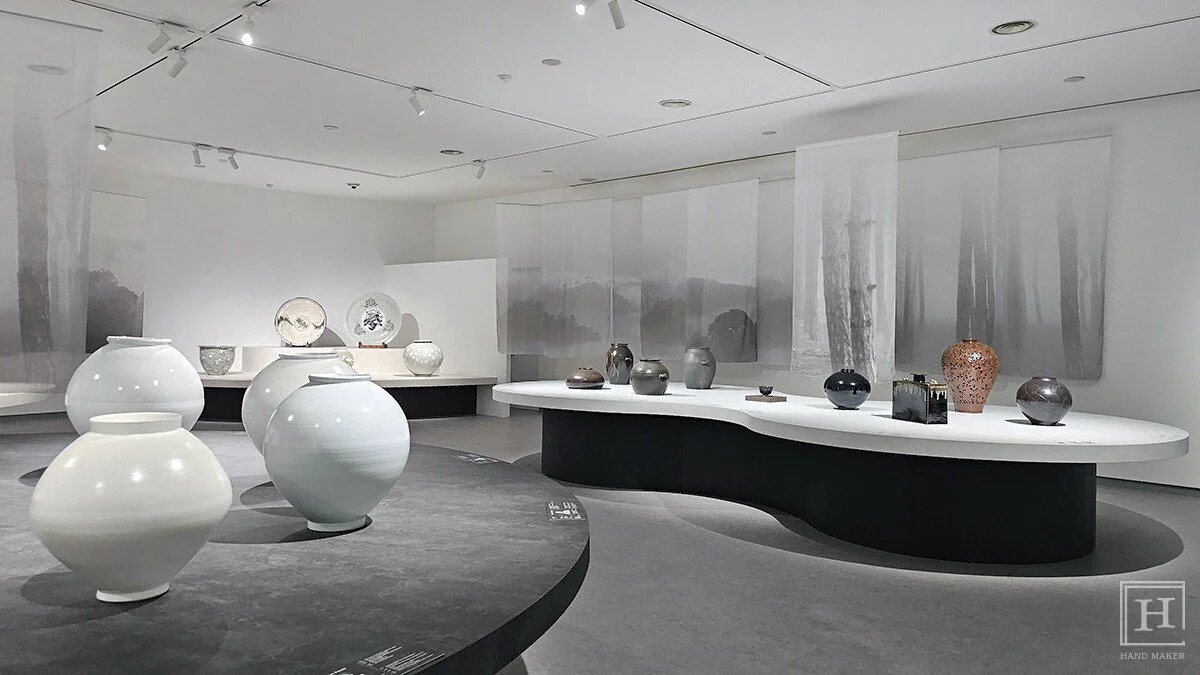
The tradition of Korean ceramics has been passed down through clay, fire, and the hands of numerous masters. Production techniques and aesthetic sensibilities accumulated over long periods of time are constantly being inherited and reinterpreted amidst the changes of the times, reaching the present day. This exhibition serves as a venue to highlight the work of 64 masters—including Korea Masters nationwide, Gyeonggi regional masters, and holders of intangible heritage—who are newly expanding the meaning and value of tradition in their own ways amidst the rapidly changing flow of the era.
An official from the exhibition stated, "The 'Ceramic Masters of Our Time' special exhibition will be a place to encounter the tradition of Korean ceramics being carried on by today's masters and to discover the future and possibilities of our ceramics that will be passed on to the next generation."
Meanwhile, at the Gyeonggi Ceramic Museum, the "Beautiful Korean Ceramics Competition" is being held concurrently, which invites entries for traditional ceramics that express Korean sentiments and beauty in a modern way, aiming to discover excellent emerging artists who inherit and modernize the tradition of Korean ceramics.
Reporter at HANDMAKER (핸드메이커), a Korean magazine devoted to crafts and handmade culture. Covers exhibitions, traditional crafts and the makers behind them.
Related Articles
![[Field Sketch] Gyeonggi Ceramics Biennale 2026 ② Surveying the Trends and Diverse Works of…](/storage/handmk-global/2026/09/993f8493-7de4-48fb-84e1-80cb669c5633-535c7399-thumb.webp)
[Field Sketch] Gyeonggi Ceramics Biennale 2026 ② Surveying the Trends and Diverse Works of Contemporary Ceramics Worldwide: 《International Competition》
![[On-site Sketch] Re-weaving Past Times and Memories with Warm Knitting, Hwang Jae-won's 《Connecting…](/storage/handmk-global/2026/09/9977ab9b-6100-4ca7-8ad4-e947975824d5-d4134722-thumb.webp)
[On-site Sketch] Re-weaving Past Times and Memories with Warm Knitting, Hwang Jae-won's 《Connecting Slowly: The Unfamiliar Transformation of Familiar Objects》
![[Field Sketch] Gyeonggi Ceramics Biennale 2026 ① A creative journey made by clay and the Earth, the "Earth Makes" exhibition](/storage/handmk-global/2026/09/6ef72930-ffbb-4da1-a0aa-9c9ce3c08798-b06a97ce-thumb.webp)
Comments 0
Comments are currently disabled.