
“How do I take the coins out?” The craftwork called the miser's purse, ‘Miser’s purse’
The article explores the history and unique design of the "Miser’s purse," a specialized coin purse used in 19th-century Europe and America. It explains how the purse's structure served practical purposes for securing coins and how its name and usage have been interpreted by researchers.
While today one can pay for goods with just a single card or a smartphone, until just about 20 years ago, the sound of coins jingling in one's pocket was a familiar part of daily life. Going further back in time to the era when coins were the primary currency, how to carry them was also an important issue. They had to be kept securely so they wouldn't get mixed up in a pocket, yet remain accessible when needed.
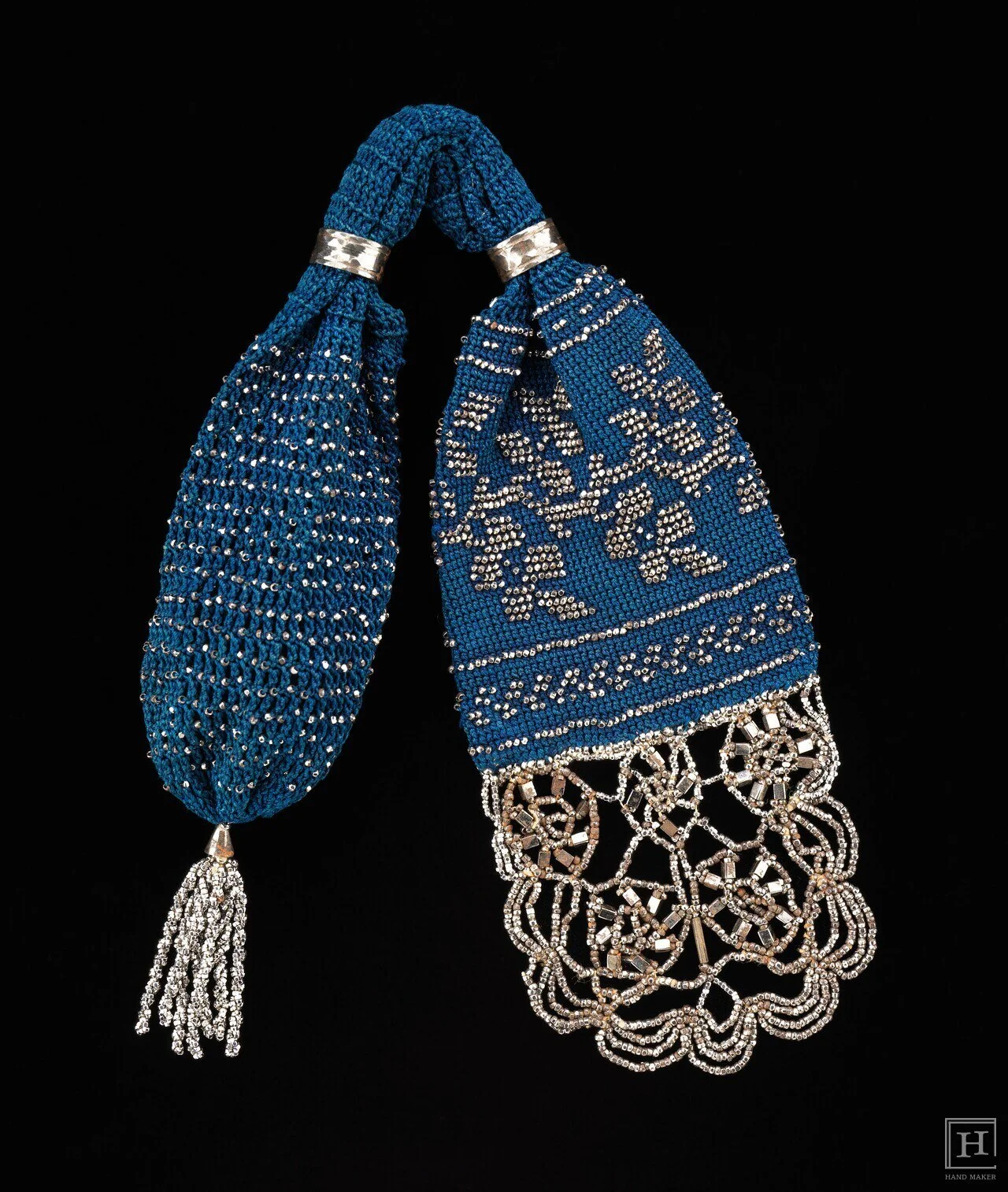
In 19th-century Europe and America, a unique type of coin purse reflecting these needs was used. It is known today by the name ‘Miser’s purse.’ Characterized by a long body and two metal rings attached in the middle, this purse looks more like a knitted ornament than a wallet at first glance.
However, every small part of its structure contains the lifestyle of the people of that time, designed to carry coins safely. With the addition of silk, knitting, and colorful bead decorations, this practical item evolved into a piece of craftwork.
‘Miser’s purse’ was not actually used by misers
The Miser’s purse is a long, slender purse that is narrow in the middle, with a slit in the center to insert coins and two movable metal rings on either side of it. After inserting coins through the slit and moving them to one of the center points between the two ends, pushing the rings closes the opening so the contents cannot fall out. It is said that this small opening and the structure that makes it difficult to open easily made it hard to recklessly take out and spend money.
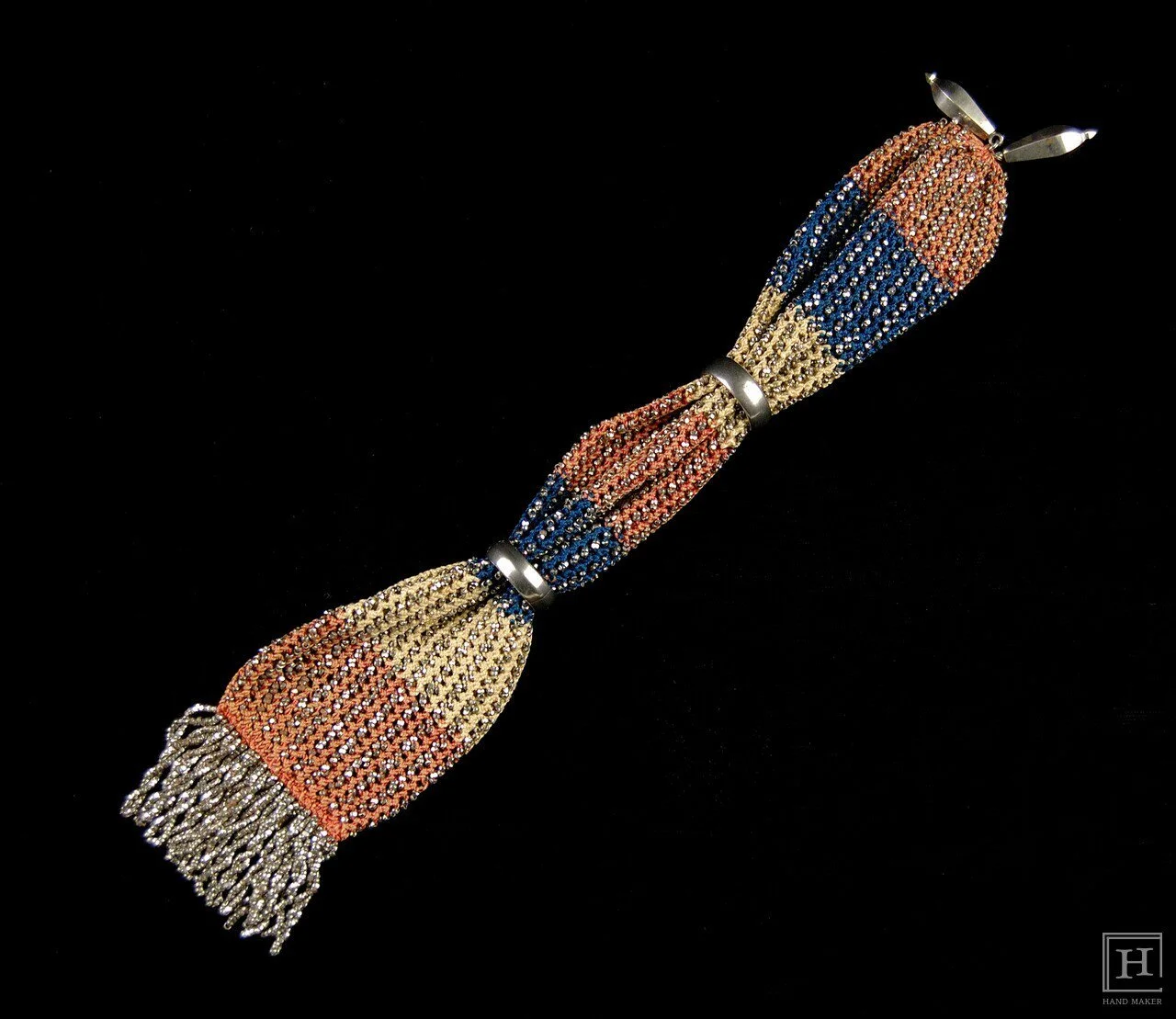
Because of this shape, it is known by the name ‘Miser’s purse,’ which includes the word ‘miser’ meaning a stingy person, but interestingly, it was not called this since its heyday in the 19th century.
According to research by Laura L. Camerlengo, a researcher of decorative art history at the Cooper Hewitt, Smithsonian Design Museum, it was simply called a ‘purse,’ ‘long purse,’ or ‘gentleman’s purse’ at the time. It is understood that the name ‘miser’s purse’ emerged in the early 20th century as the trend was fading.
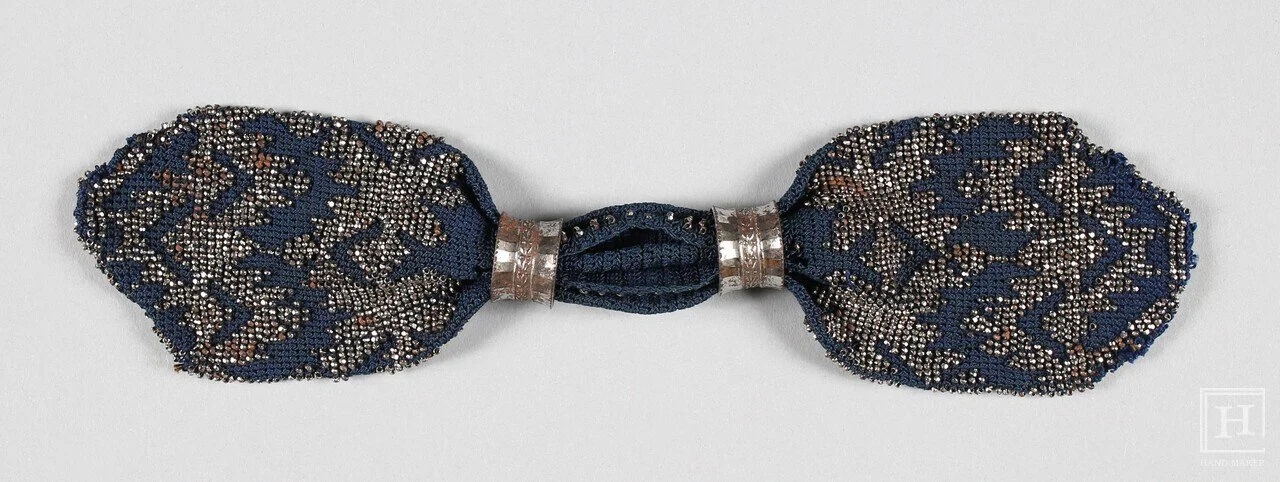
Therefore, it is difficult to conclude that the Miser’s purse was a ‘wallet used by misers’ or a ‘wallet invented to prevent spending.’ Its exact origin has not been clearly identified either. While there is an explanation that it originated from the custom of putting coins in the end of a stocking, experts point out that this is difficult to prove. Instead, looking at existing artifacts, there is a possibility that the long, narrow-centered pouch shapes used in 17th–18th century Europe led to the 19th-century Miser’s purse.
Gold and silver coins were distinguished by touch
There is a reason for the unique shape of the Miser’s purse. Different types of coins could be stored separately in the spaces on both sides of the purse, and the ends were sometimes made differently so that one could know which coin was in which side just by touching it.
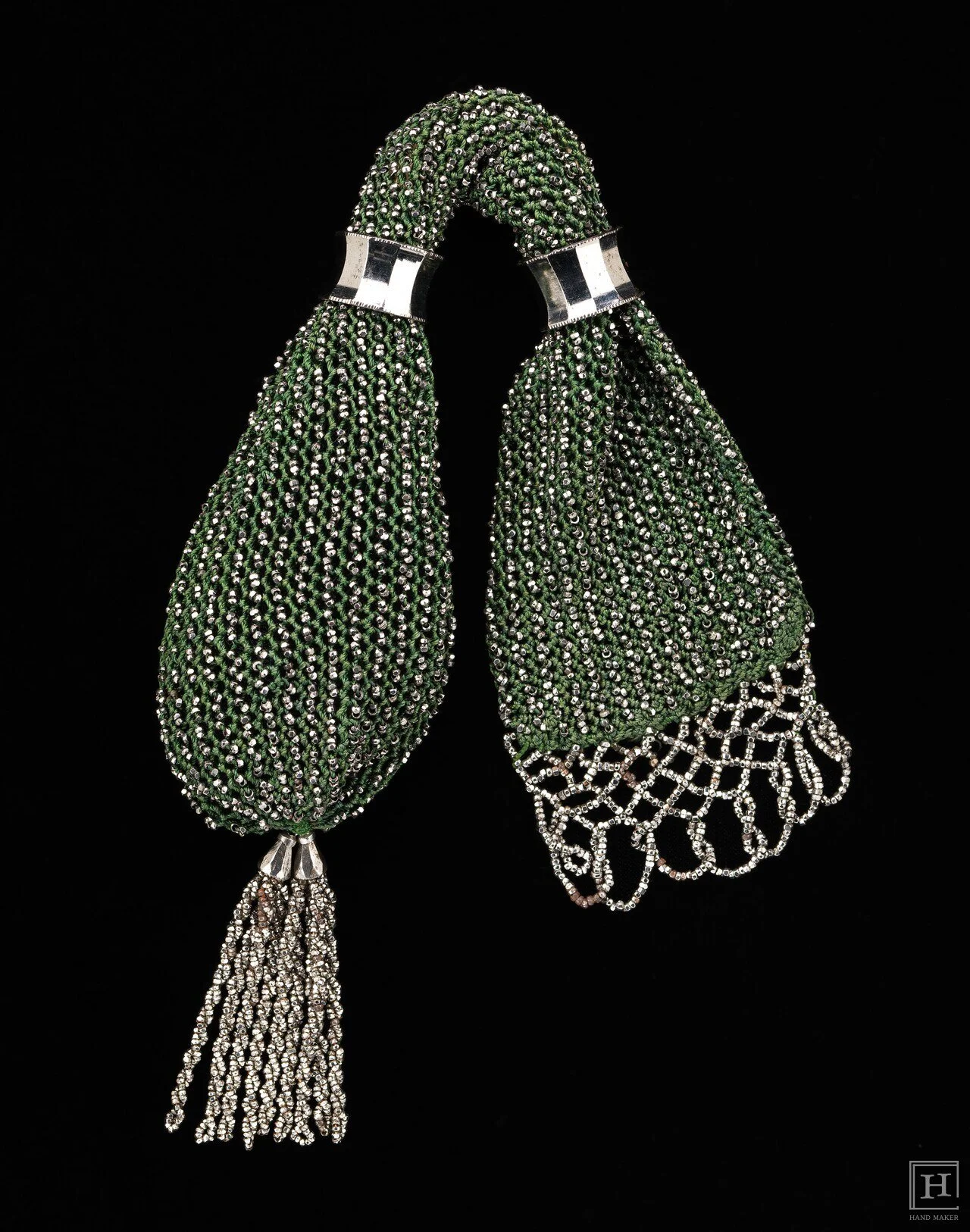
One end might be made round while the other is square, or a tassel might be attached to one side and a fringe to the other. They also used different colors.
The production methods introduced in the 19th-century American women's magazine Godey’s Lady’s Book include an explanation to make both ends different so that one can distinguish the side containing gold coins from the side containing silver coins even in dark places. One method was to use gold beads on the side for gold coins and silver beads on the side for silver coins. In this way, elements that appeared to be decorative also served as a kind of tactile indicator.
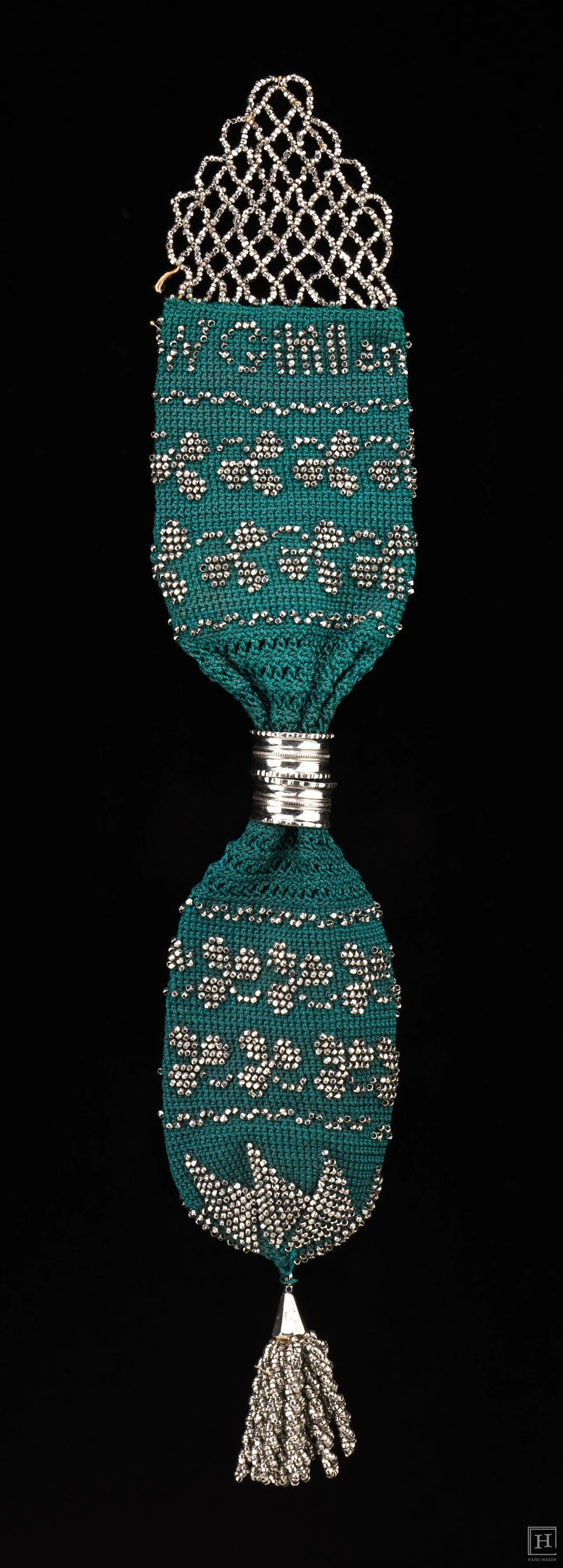
This purse could be used by both men and women. Men carried them in coat or trouser pockets, while women carried them in skirt pockets or small bags. Until around the mid-19th century, they were even produced in different lengths to distinguish between short versions for women and long versions for men.
Knitting silk and stringing beads… a handicraft that became a purse
Another reason why the Miser’s purse is interesting is its method of production. While it was a practical coin purse, it was also an object that concentrated the textile craft techniques popular at the time.
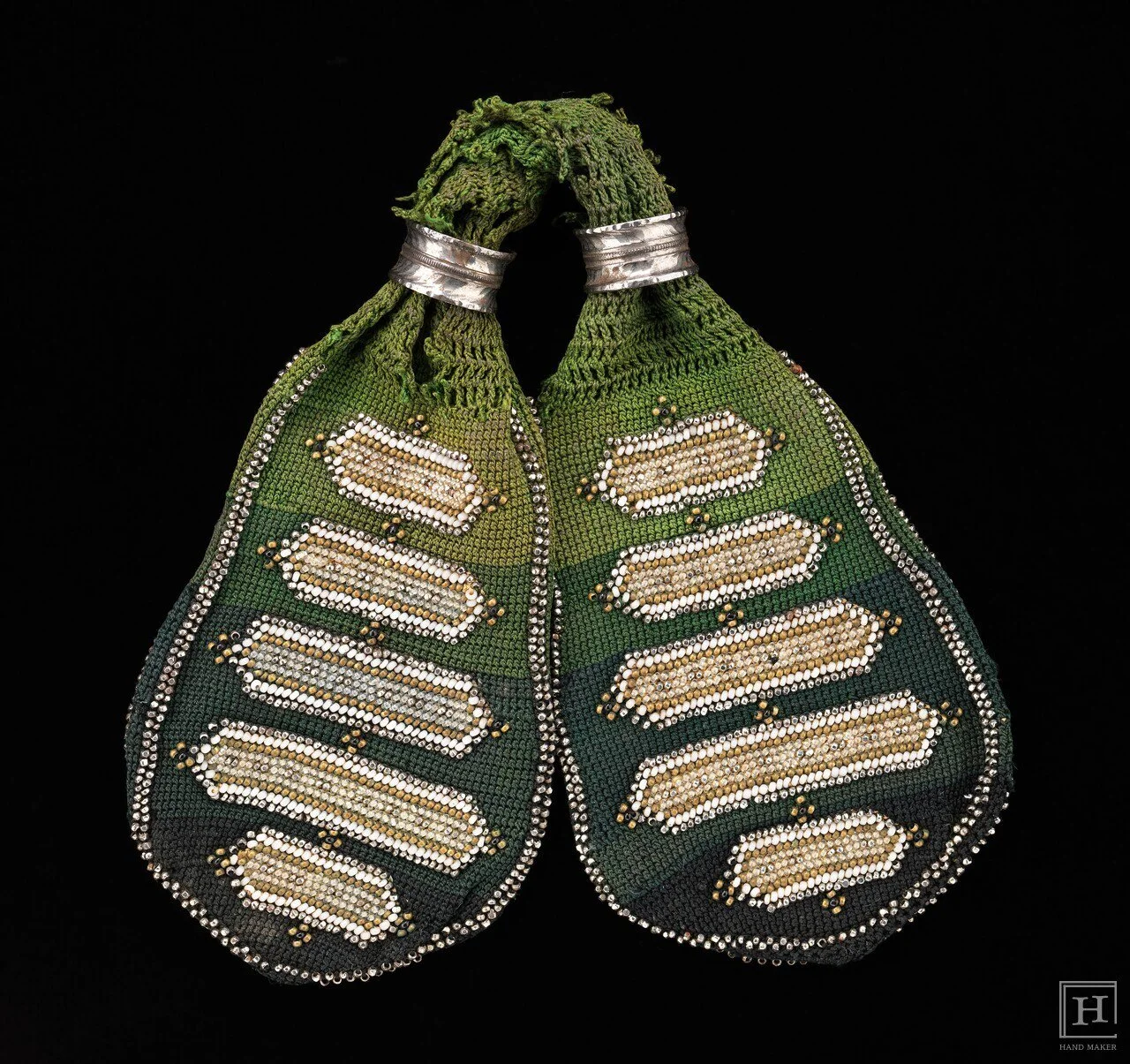
Silk was widely used as the main material, and the body was made using techniques such as netting, knitting, and crochet. Glass or metal beads were densely added on top, and it was decorated with tassels or fringes at the ends. In the 19th-century American Miser’s purse held by The Metropolitan Museum of Art, various combinations of materials such as silk and metal, or cotton and metal, can be observed.
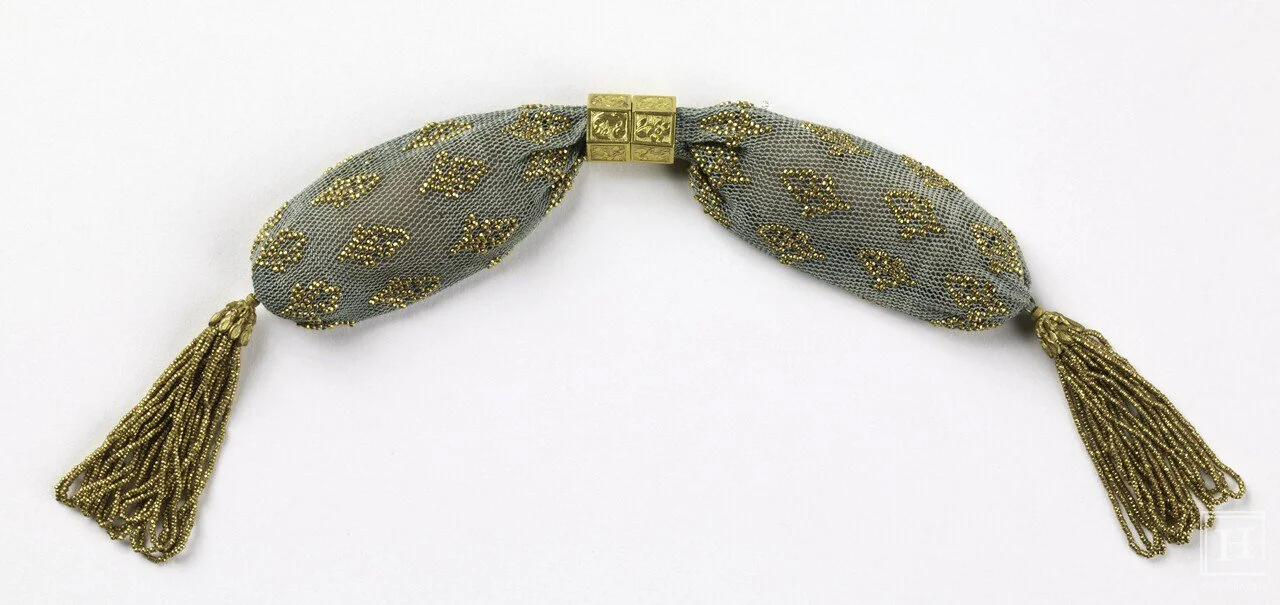
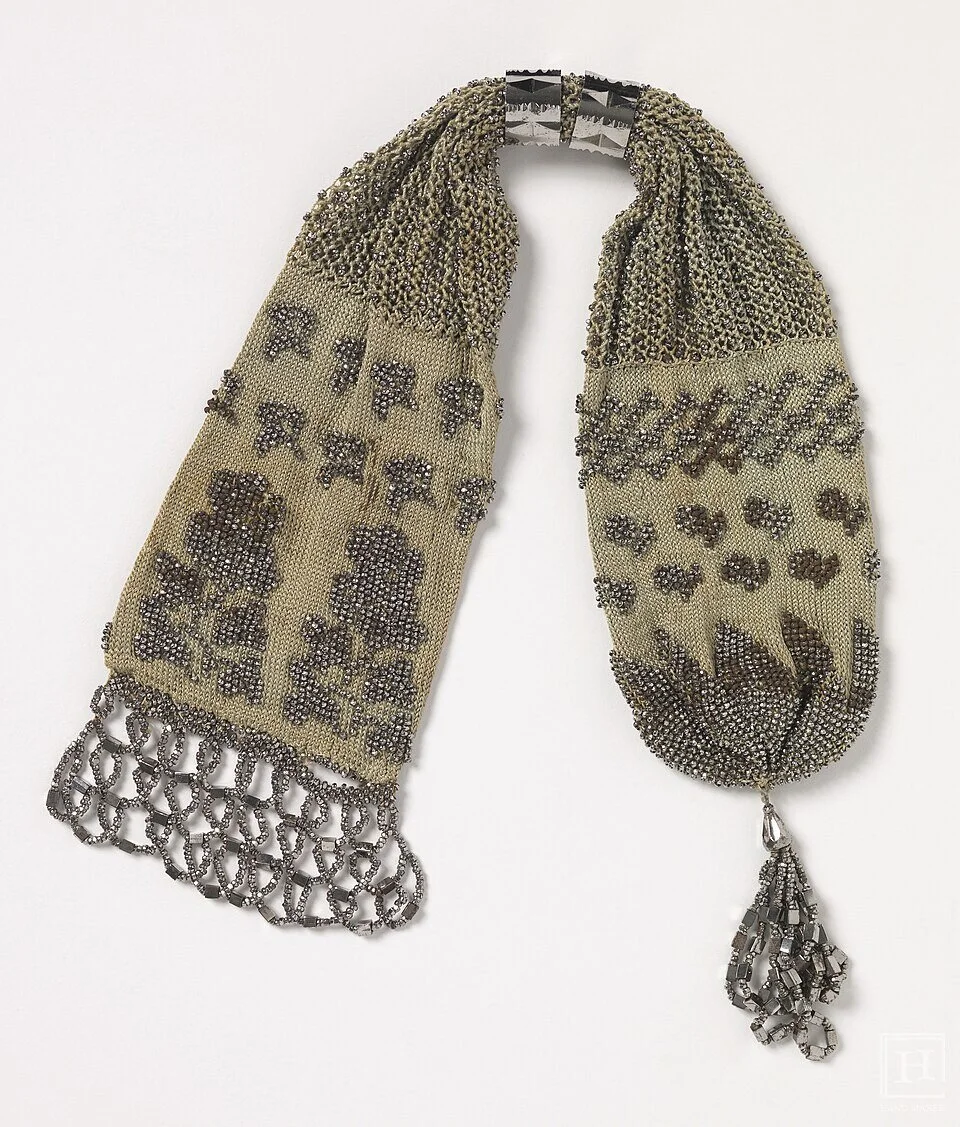
The three techniques are similar in that they use thread, but they differ in their methods of creation. Netting is a method of creating a mesh like a net by knotting thread using netting needles or shuttles and a constant-sized gauge. Knitting is the technique we commonly call knitting with needles, where stitches hung on two or more needles are connected to create fabric. Crochet is a method of continuously pulling out and connecting loops of thread using a single crochet hook with a hook-shaped end.
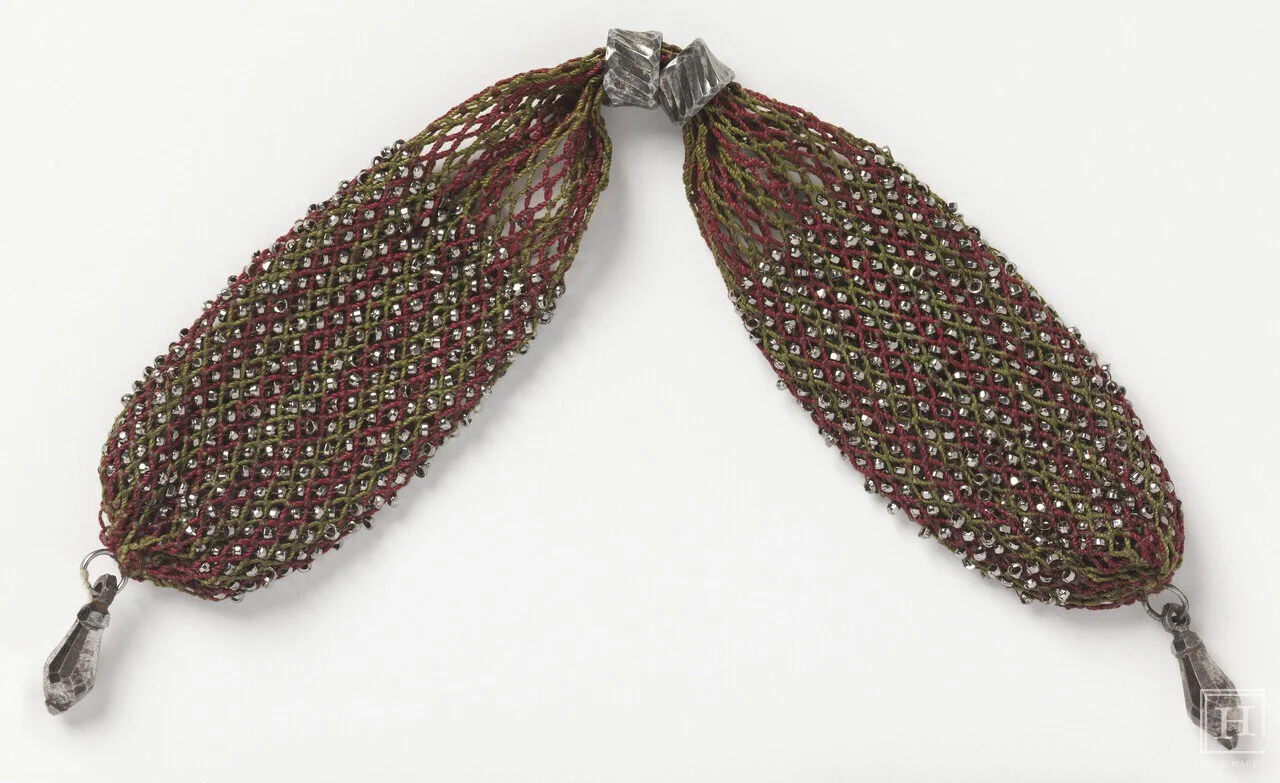
In particular, the crochet method was actively used after the mid-19th century. From the mid-1840s, crochet Miser’s purse production methods can be found in women's needlework books and magazines of the time, and crochet was also introduced as a highly durable technique for making purses.
Handmade Miser’s purses were also used as gifts for close people such as family or friends. They were introduced as Christmas gifts or gifts related to weddings, and handicrafts at the time carried the meaning of conveying the time and sincerity put into making them, rather than the price of the object itself. Paradoxically, while the Miser’s purse was an object for holding money, it was also an object containing hands and time that are difficult to convert into money.
In Joseon, there were ‘pouches’ embroidered on silk
During the same period, a completely different form of ‘craft for holding money’ can be found in Korea. According to the Encyclopedia of Korean Culture, general pouches of the late Joseon period are largely divided into round 'durupouch' (yeomnang) and angular 'gwipouch' (jumchi) according to their shape.
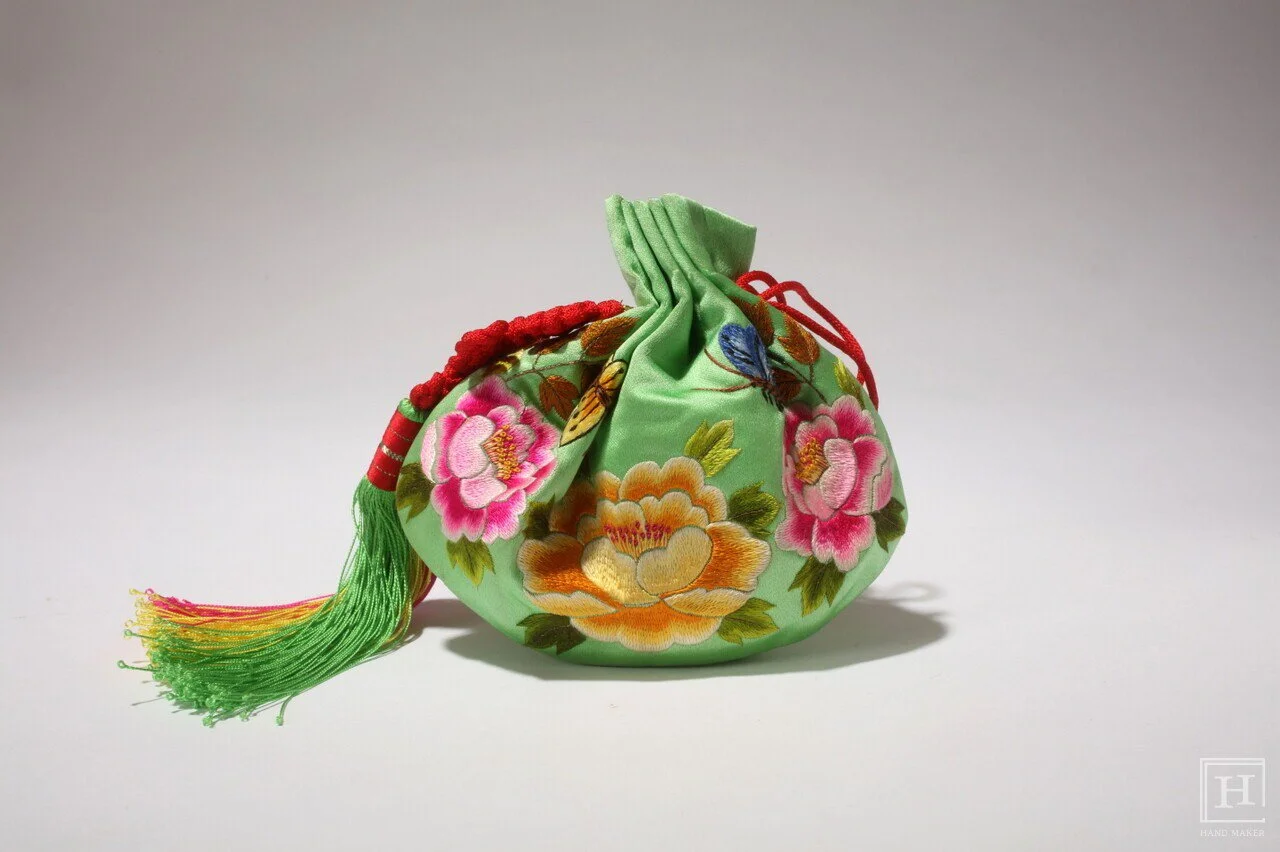
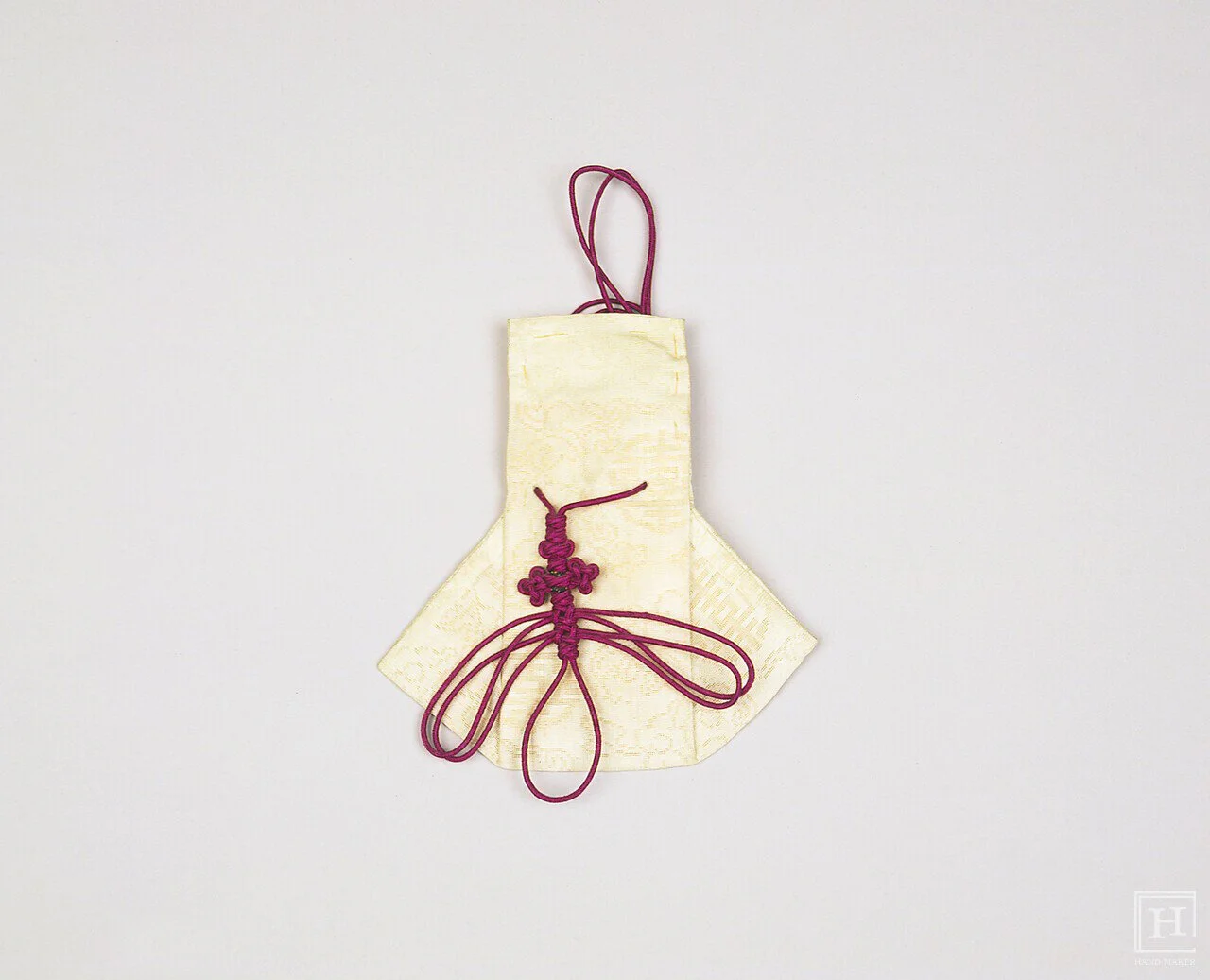
These pouches were practical items used to hold money or small objects, with the openings tightened to be worn around the waist or carried. Both men and women used them, and differences appeared in the type of fabric, color, and gold leaf decorations depending on social status.
![Jara-jumchi pouch / [Jara-jumchi pouch] Encyclopedia of Korean Culture](/storage/handmk-global/2026/10/body-4e6505cd20b1.webp)
Above all, the surfaces of the pouches were decorated with embroidery or added with gold and silver metalwork. The pouches, which were daily necessities, became small spaces that showcased embroidery and decorative crafts. Among the fragrance pouches of Joseon, there are recorded cases of being embroidered with gold thread and densely decorated with pearls.
Because the Miser’s purse and Joseon pouches differ in structure and manufacturing methods, it is difficult to view them as directly related objects. However, it is worth comparing them in that the same practical need to carry money and small items met the textile craft techniques of each region and developed into decorative objects.
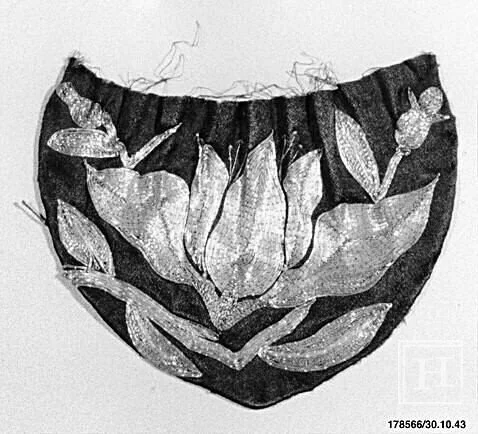
A similar trend can be observed in China as well. At The Metropolitan Museum of Art, a 19th-century Qing dynasty coin pouch made of silk and metallic thread remains, and the National Palace Museum explains that Qing dynasty embroidered pouches evolved from being used to hold coins or small items into splendid decorative items. Pouches embroidered with auspicious patterns were gifts given to close people and were also used as New Year's gifts in the royal court.
Although the size of the wallet is small, what was contained inside was not just coins. In the Miser’s purse, which varied in shape to separate gold and silver coins, was stitched with silk thread, strung with beads, and adorned with tassels, the lifestyle, fashion, and hand-craft culture of 19th-century people remain together. This is why a single small wallet in a museum today simultaneously shows the monetary life and hand-craft culture of that time.
Reporter at HANDMAKER (핸드메이커), a Korean magazine devoted to crafts and handmade culture. Covers exhibitions, design and the people who make things by hand.
Comments 0
Comments are currently disabled.