
Finland's deep-rooted sauna culture recognized by UNESCO
Finland's sauna culture, recognized as a UNESCO Intangible Cultural Heritage, serves as a vital space for connection with nature and family.
Finnish sauna culture was inscribed on the UNESCO Representative List of the Intangible Cultural Heritage of Humanity on December 17, 2020. With a population of about 5.5 million, approximately 3.3 million saunas exist in Finland, where 90% of people use a sauna once a week.
Recently, Namdaemun Market has been embroiled in a "war that is not a war" involving a "Scarprio Mister." However, even before that, something known as "sauna items" has been driving people toward Namdaemun Market through social media.
As posts introducing items purchased there—such as exfoliating towels, exfoliating soap, sauna hats, bath mats, and shower bags—continue to surface, more people are heading to Namdaemun Market. Ordinary bath supplies are gaining new attention as consumer items that express individuality and taste.
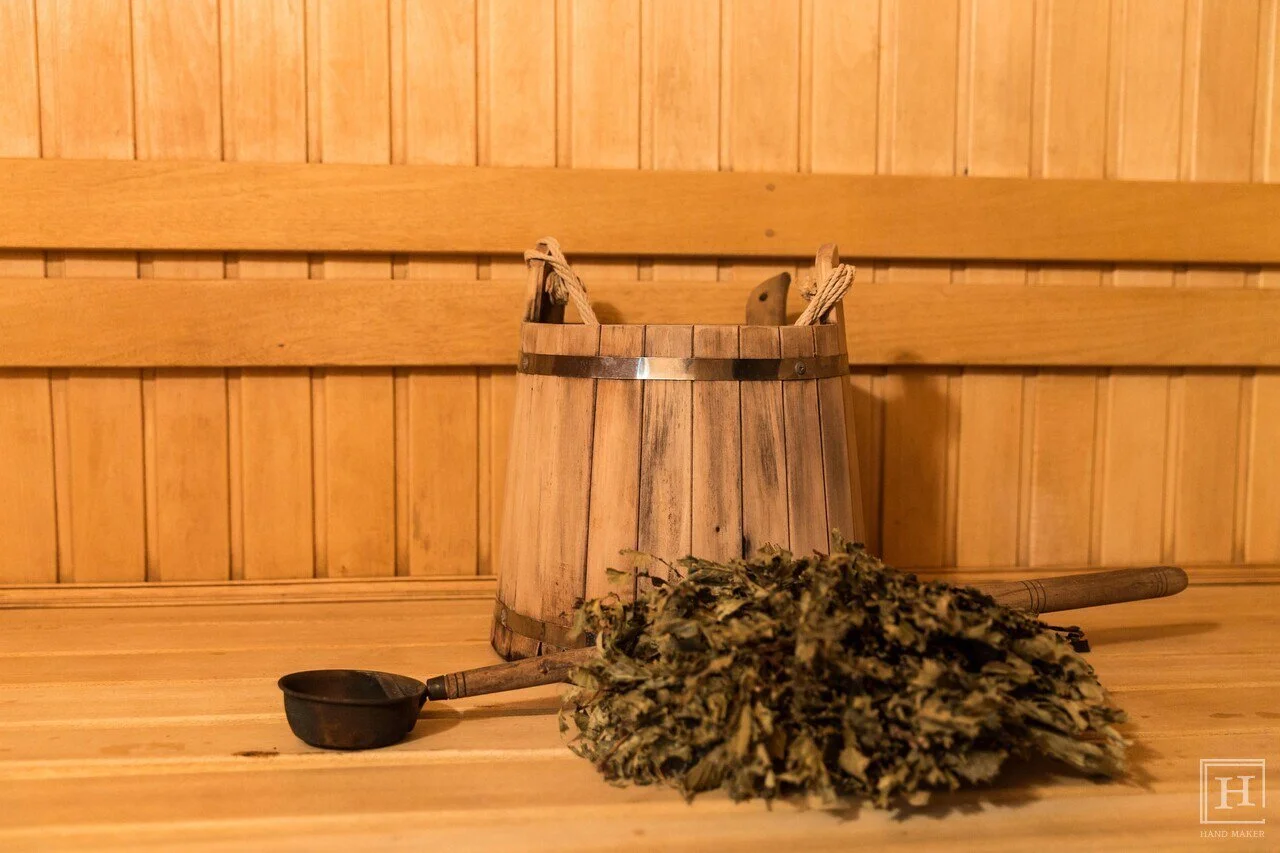
As interest in saunas rises, one country stands out as inseparable from the experience: Finland in Northern Europe. In Finland, a sauna is not merely a place to wash the body or sweat. It is an everyday space to spend time with family, feel nature, and find stability for both body and mind.
Reflecting its long history, the ways of enjoying the sauna are diverse. From tools made by bundling birch branches to rituals performed on special days, Finnish saunas harmonize nature, craftsmanship, and art.
A space to wash body and mind: Finland's sauna culture
In Finland, the sauna is a cultural space deeply connected to daily life, moving beyond a simple bathing facility. In recognition of this value, Finnish sauna culture was inscribed on the UNESCO Representative List of the Intangible Cultural Heritage of Humanity on December 17, 2020. It was the first cultural heritage inscribed by Finland on this list.
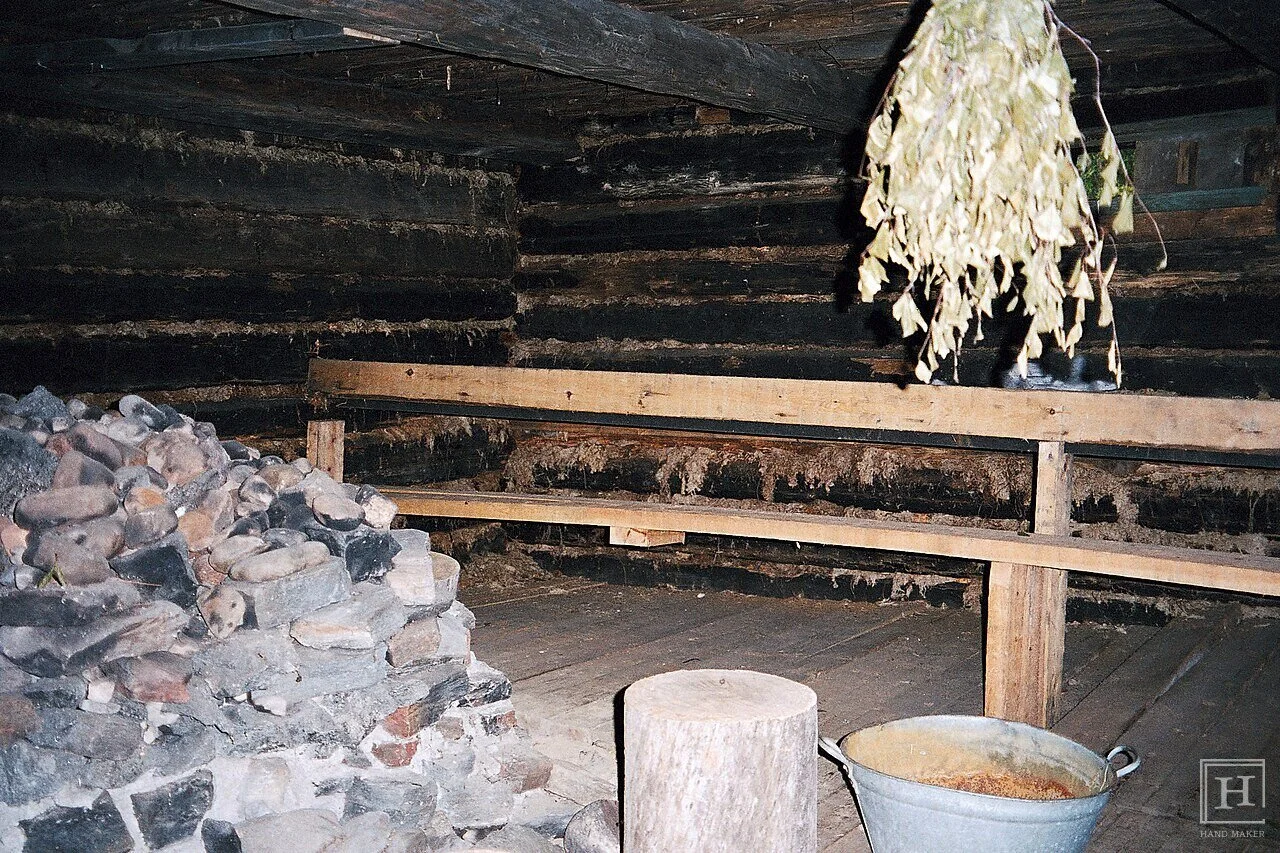
What UNESCO highlighted was not the sauna buildings themselves, but the lifestyle and traditions maintained within them. The diverse culture surrounding the sauna—ranging from methods of heating it to bathing customs and even folk beliefs and oral stories—is included in the intangible heritage.
In fact, the sauna has accompanied important moments in life in Finland. In the past, it was not only a place to wash but also a space where childbirth occurred, and it was used as a place to wash the deceased when a person passed away. The sauna has occupied various moments of life, from birth to death.
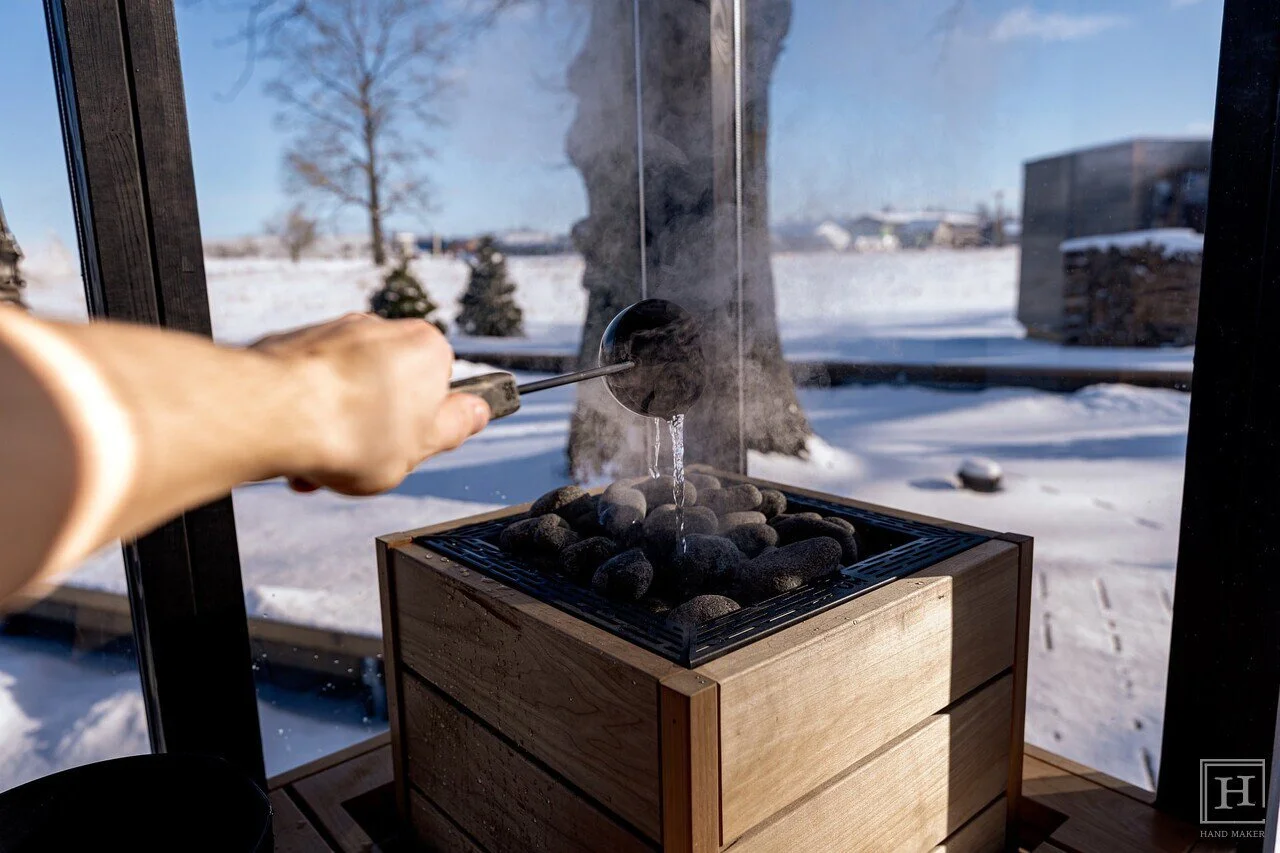
The sauna has traditionally been regarded as a sacred space and has even been called a "church of nature." The ‘löyly,’ the steam created by pouring water onto hot stones, is considered a core element of the sauna experience that goes beyond mere heat.
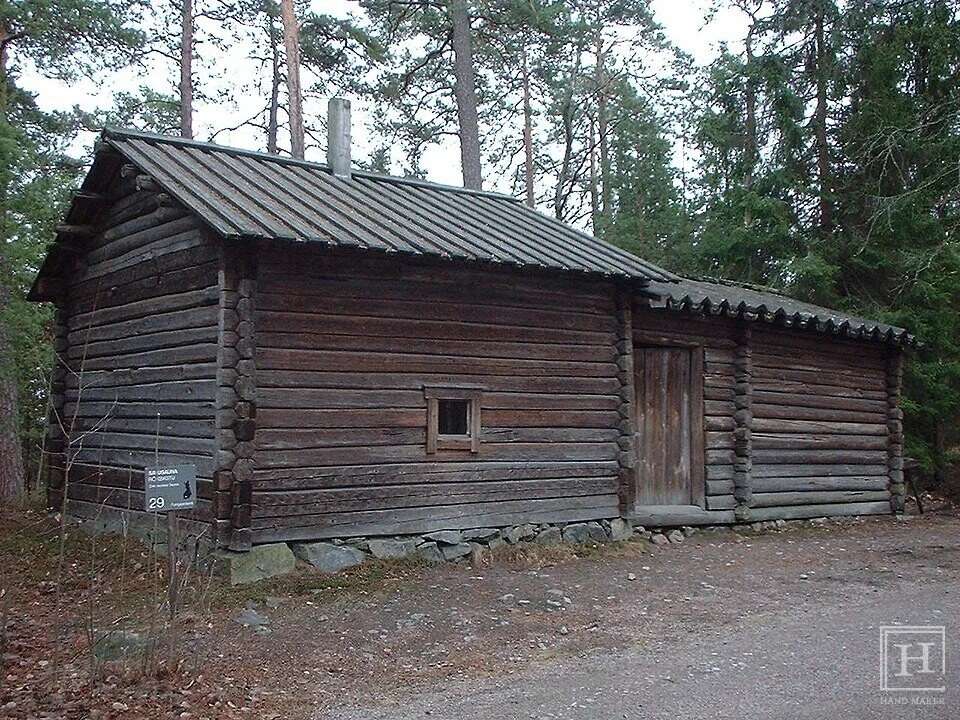
One of Finland's traditional saunas is the chimney-less ‘savusauna.’ In this method, the smoke generated from burning firewood spreads inside the room before escaping through a vent, which results in the characteristic black soot on the interior walls and ceiling.
Unlike general saunas, one cannot enter immediately after burning the wood. A process of waiting is required for the heat to spread evenly after the fire has gone out. In Finland, this waiting process to stabilize the sauna heat is called ‘siintyminen.’ Using a traditional sauna requires not only the skill of handling fire but also the ability to wait.
How deeply the sauna is embedded in the daily lives of Finns is evident in the number of facilities. According to data from the time of the UNESCO inscription, there were approximately 3.3 million saunas in Finland, which has a population of about 5.5 million. The Finnish Heritage Agency also explained in a 2020 announcement that approximately 90% of Finns use a sauna once a week.
The ways of using the sauna and its etiquette have been naturally passed down between parents and children in the home. Various Finnish sauna societies also play a role in preserving these traditions and passing them on to the next generation.
Handmade sauna items, from wooden buckets to birch branches
In traditional Finnish saunas, various wooden household items can be found. A representative example is the 'kiulu', a bucket used to hold water. Traditional kiulu utilize the 'kimpi' method, where several wooden staves are joined in a circle and tightened with a band. This takes advantage of the property where the wood expands as it absorbs water, making the gaps between the staves tight. These wooden buckets, used for holding and transporting water or during bathing, showcase Finland's long-standing woodworking techniques.
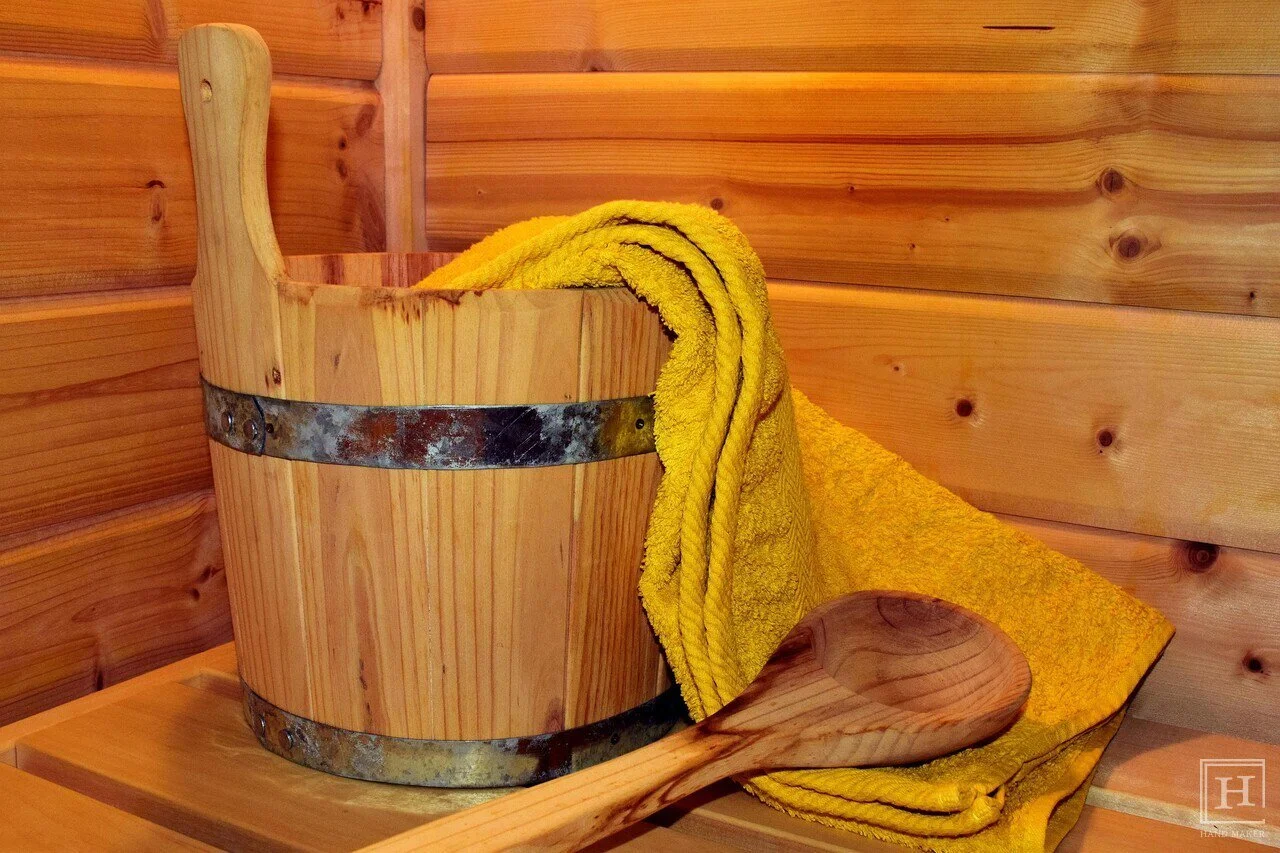
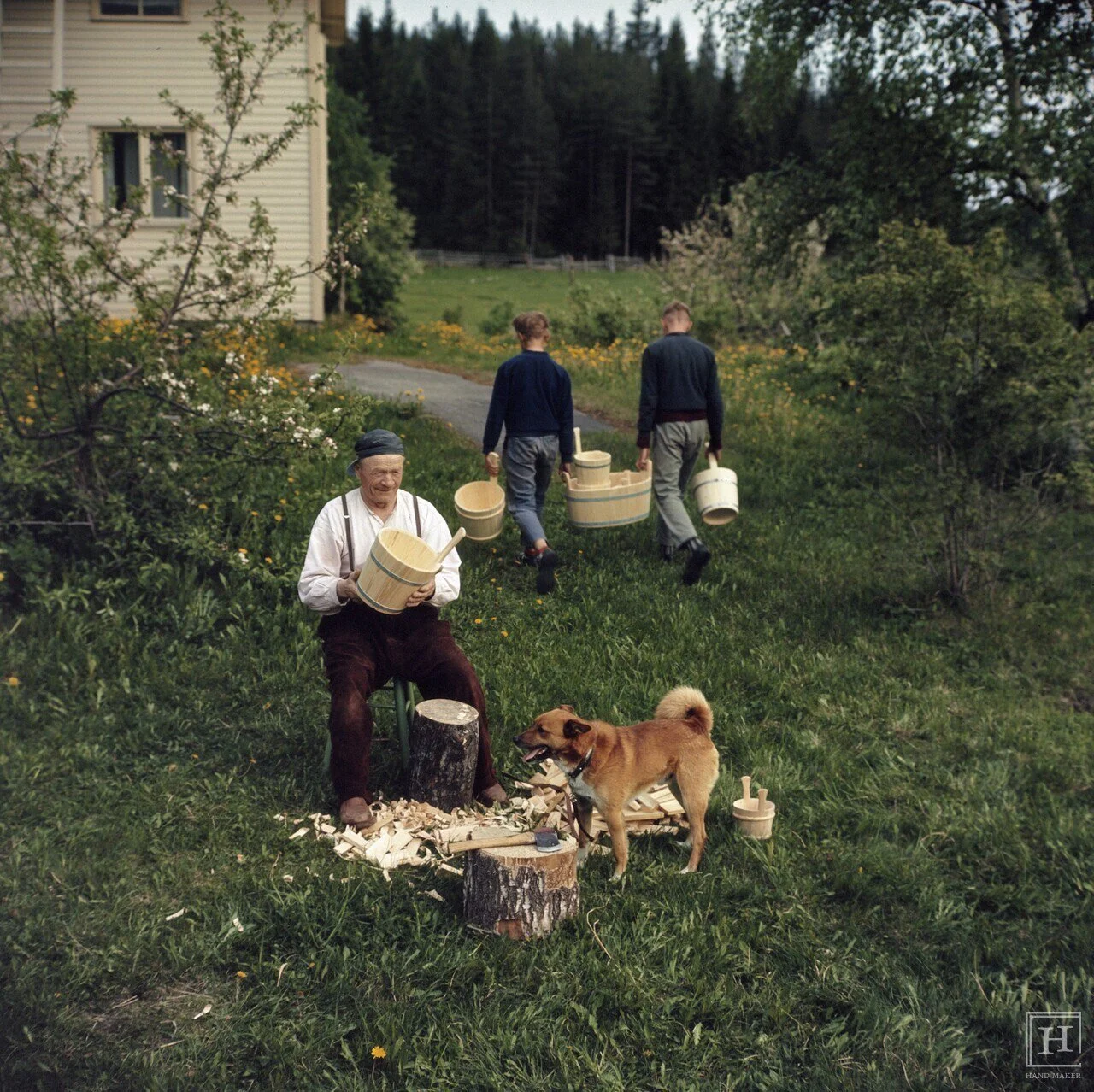
The kiulu was not an item used solely for saunas. In the past, it was utilized for various household needs, such as milking or storing water. Although the use of traditional wooden buckets has decreased with the widespread availability of metal and plastic products, workshops that produce them still exist today.
To pour the water from the wooden bucket onto the hot stones, a ladle called a 'kauha' is used. When the water touches the stones, steam is generated, and the heat spreads throughout the sauna.
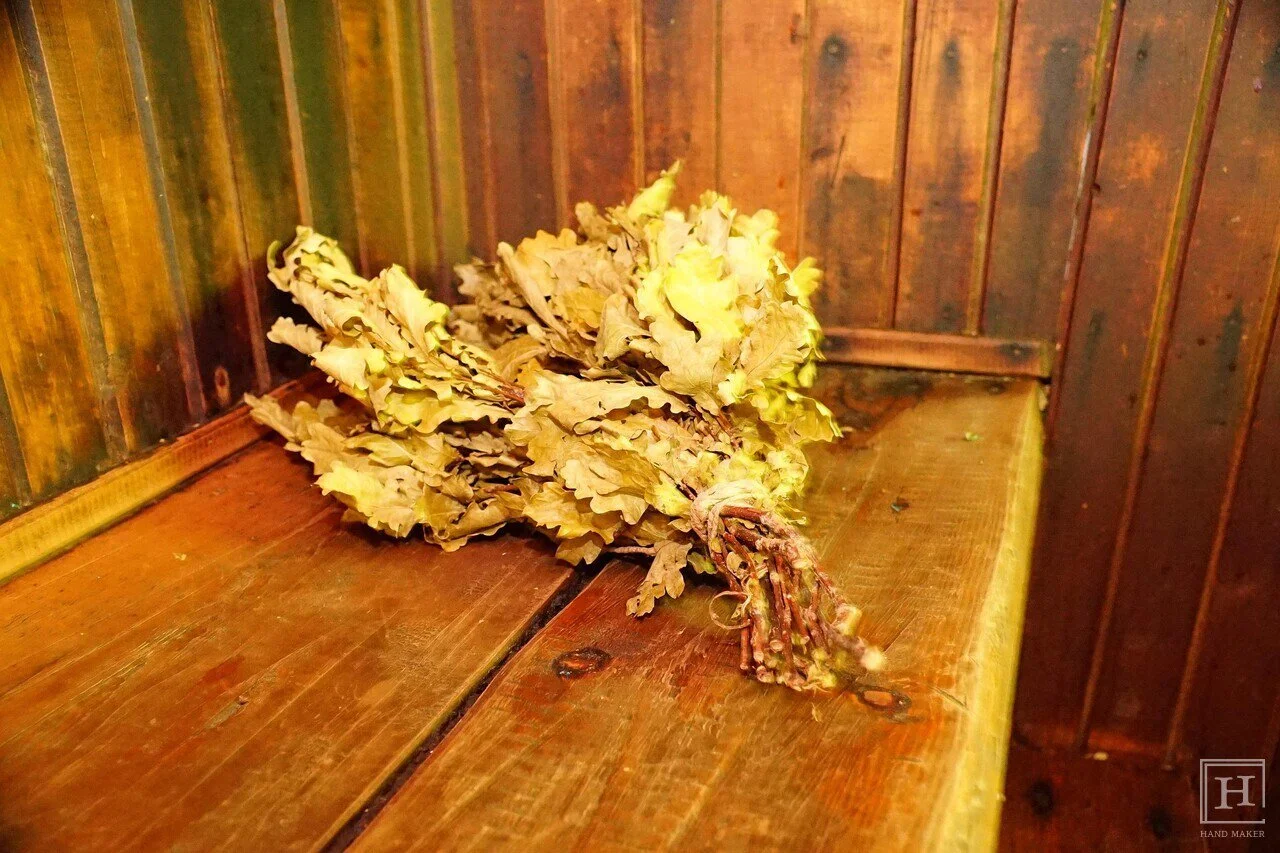
A tool used directly on the body in the sauna is the 'vihta', which consists of bundled birch branches. Also called 'vasta' in the eastern regions, this tool is used to lightly tap the body after being soaked in water.
The method of making it also contains long-standing practical wisdom. According to Taito, a Finnish handicraft organization, the best time to make vihta is from mid-June to early July. This is because during this period, the birch leaves have grown sufficiently and are firmly attached to the branches, making them good for drying or storage.
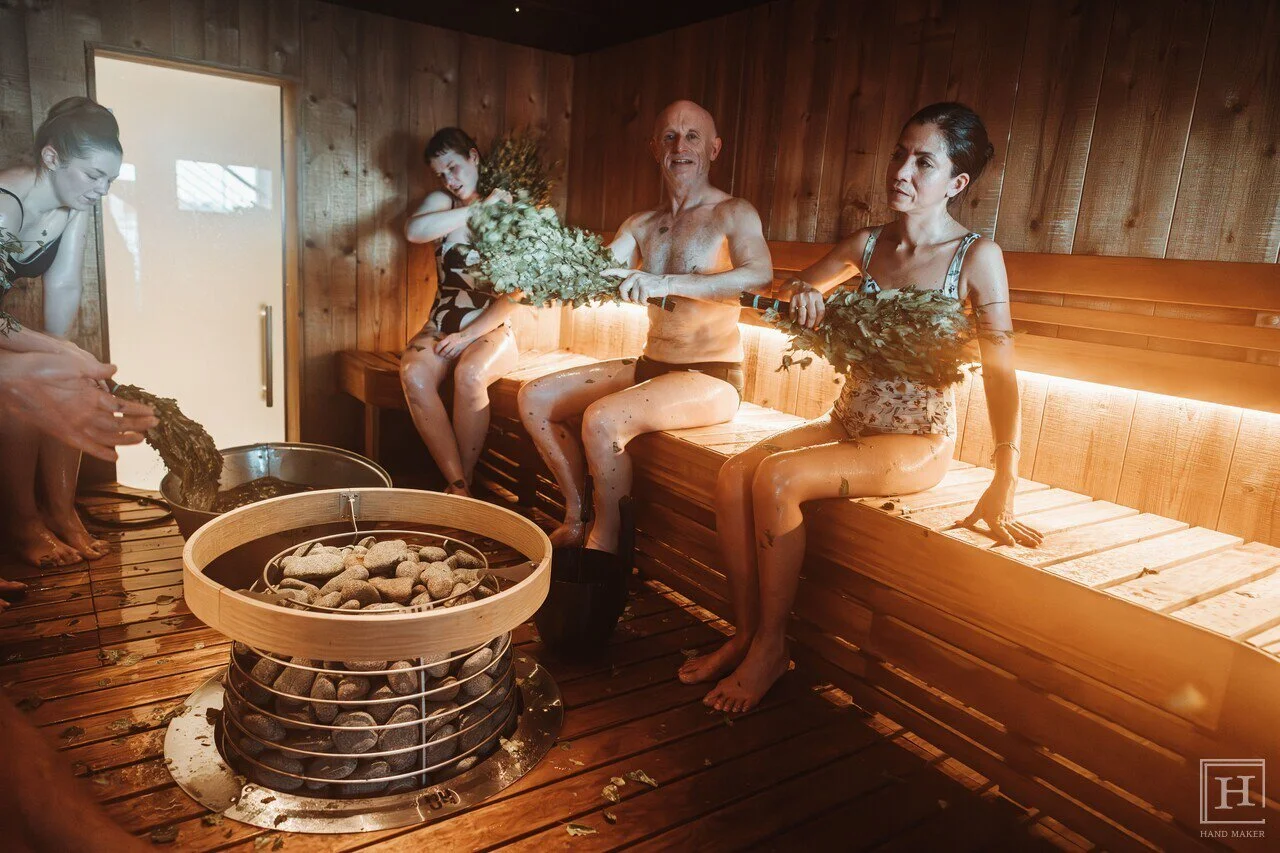
When making it, approximately 40 birch branches of similar length are selected and layered. Afterward, young birch branches are used like string to tightly bind the handle part, and the ends are trimmed to complete it. Both the process of gathering and binding the branches is done by hand.
When the body is lightly tapped with the completed vihta, the unique scent of birch spreads. There is also a custom of drying or freezing vihta made in the summer to use in the winter.
Textiles used in the sauna are also subjects of craft. The 'laudeliina', used to cover wooden benches, is sometimes woven directly using linen or cotton. In Finnish weaving workshops, one can also learn the process of making such sauna textiles.
The sight of the sauna captured on canvas
The sauna is also a subject found in Finnish art. The representative Finnish painter Akseli Gallen-Kallela painted 〈Saunassa〉 (In the Sauna).
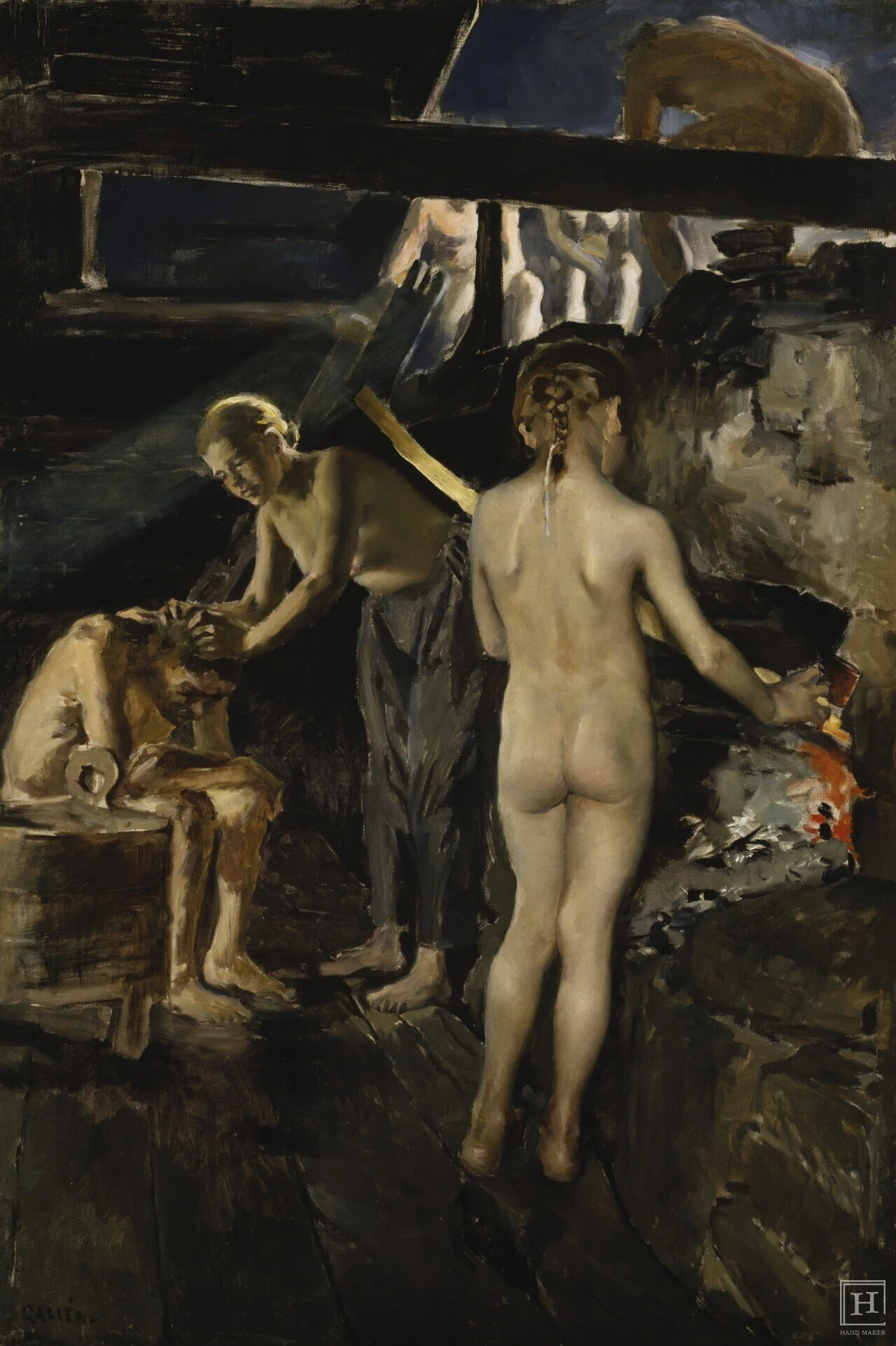
This work, produced in 1889, depicts the wooden interior of a sauna and the people bathing inside. As a work held by the Finnish National Gallery, it offers a glimpse into how the sauna was an everyday living space.
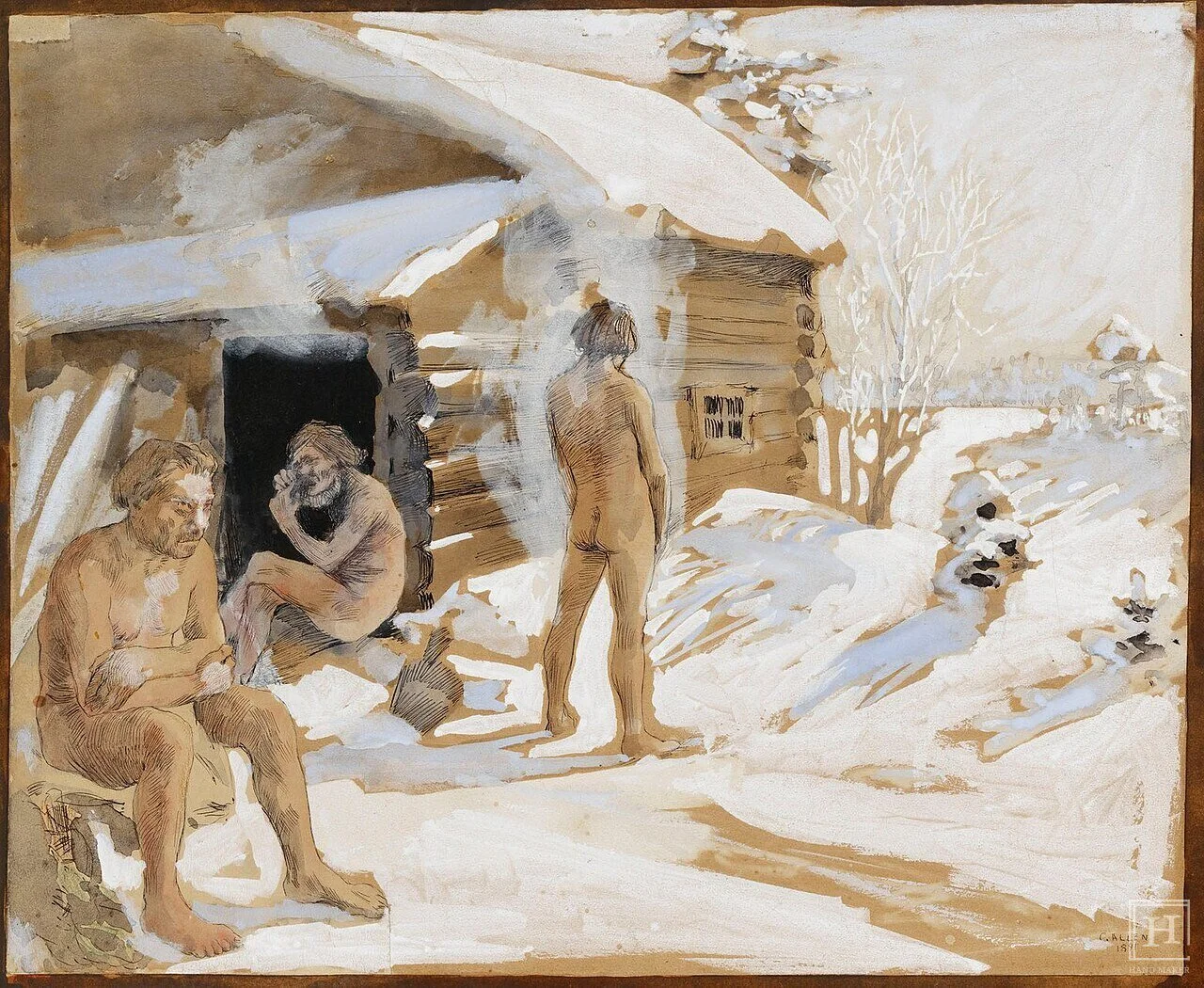
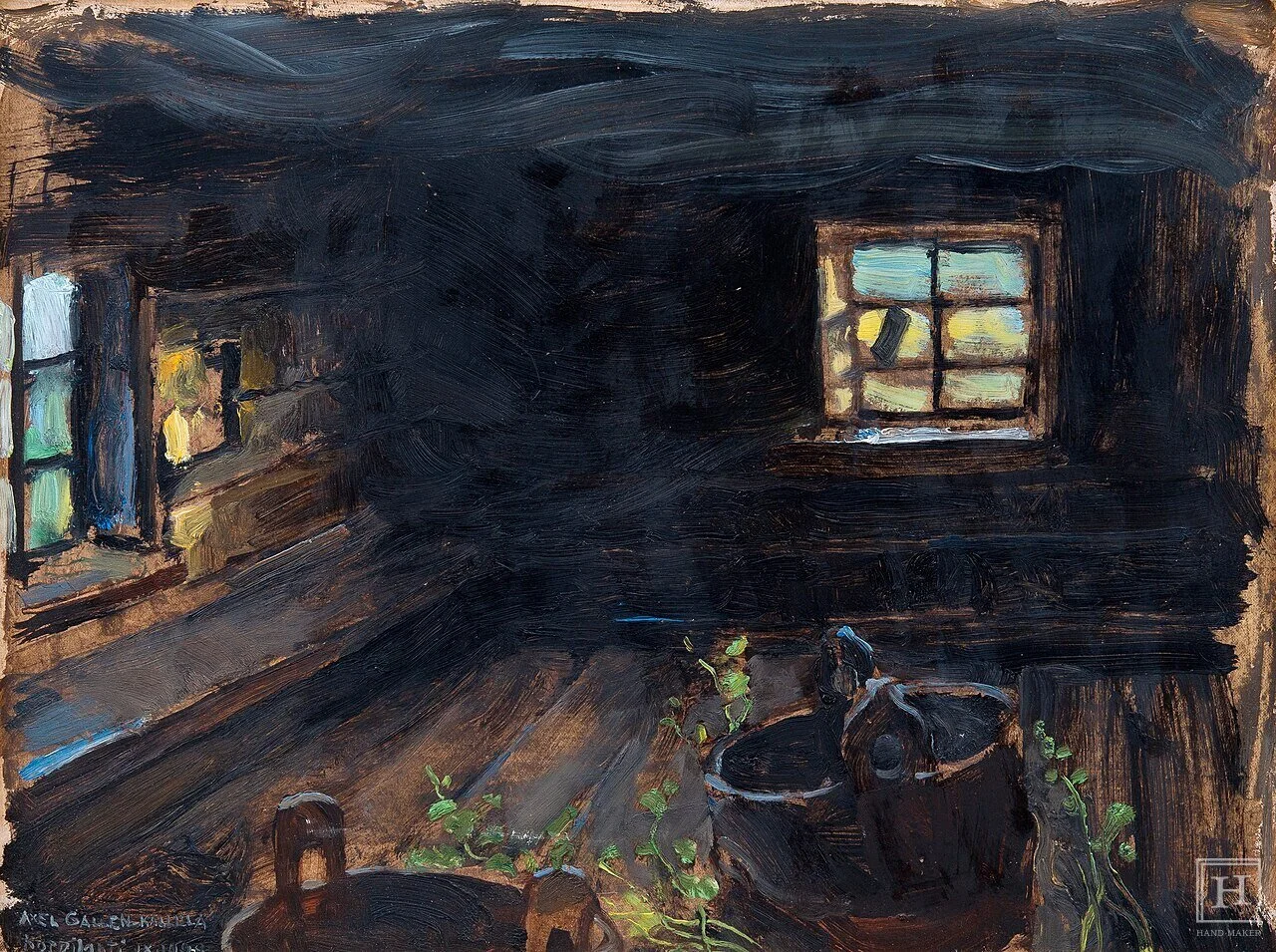
In addition, works such as 〈Outside the Sauna〉 and 〈Sauna Interior〉 show the simple daily lives and living landscapes of Finns unfolding inside and outside the sauna.
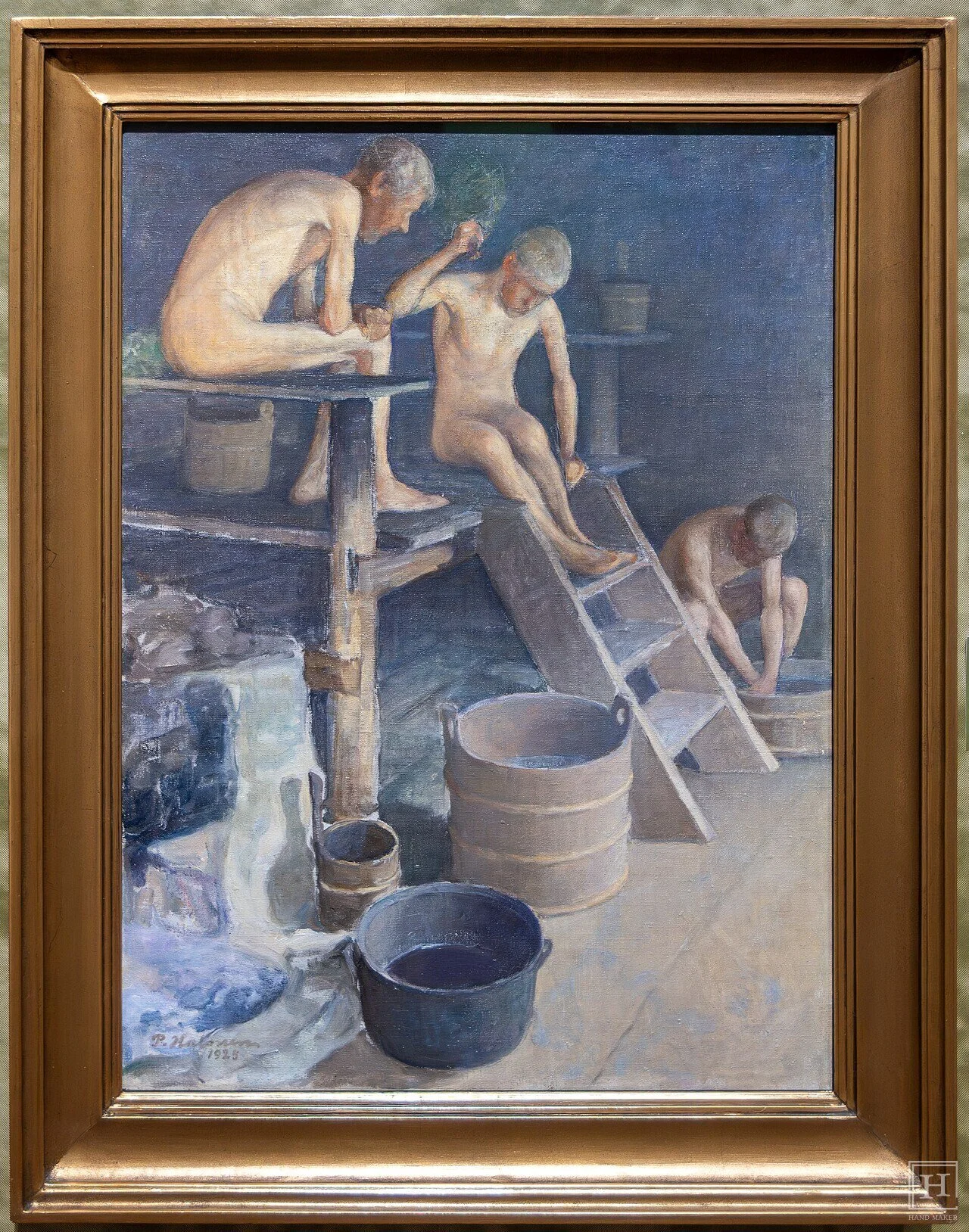
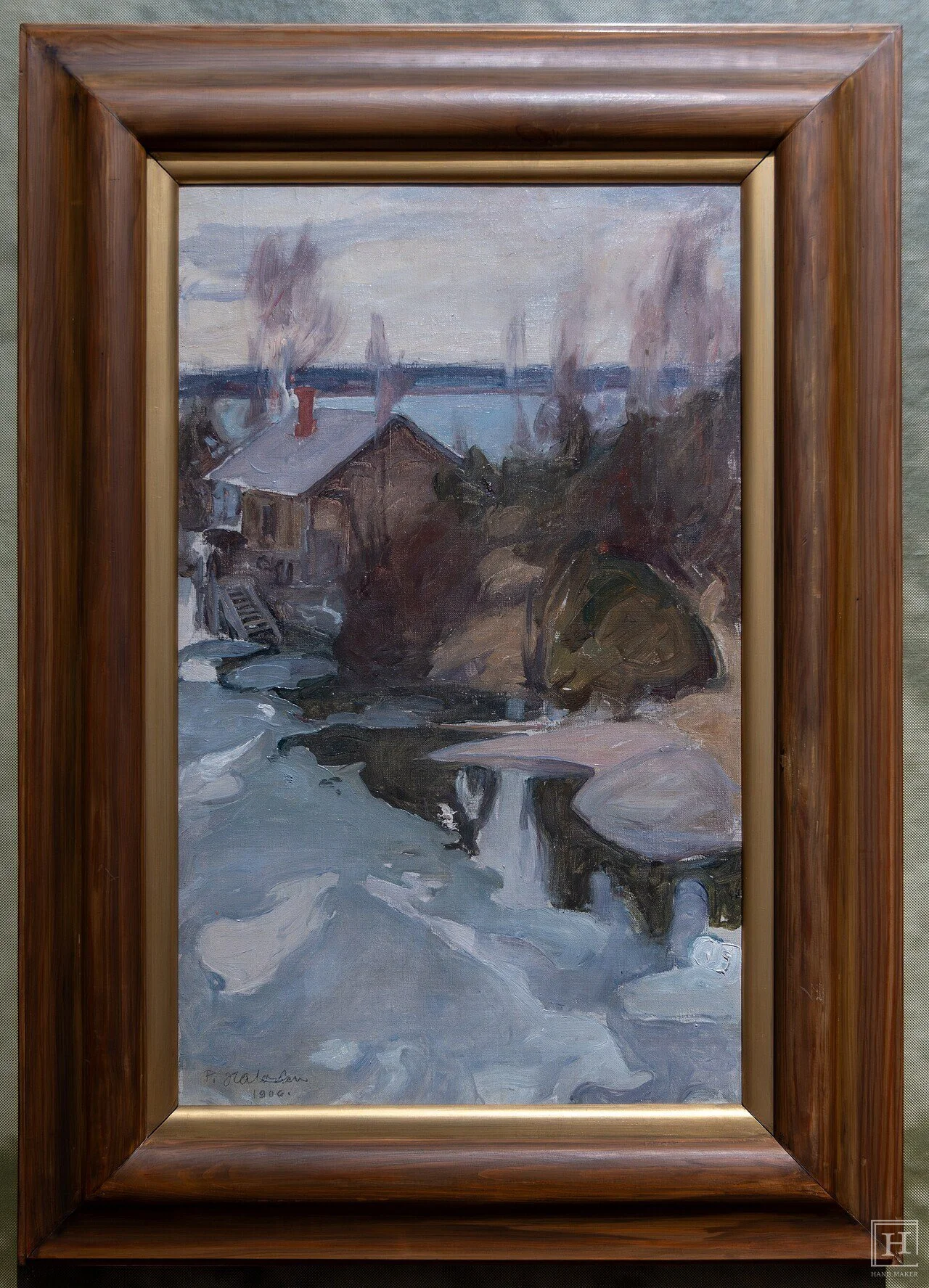
Finnish painter Pekka Halonen also captured how Finnish people use the sauna on canvas through his 1925 work 〈Saunassa〉. Earlier, in 1906, he captured sauna landscapes in nature through the work 〈The Sauna Shore – Late Winter〉.
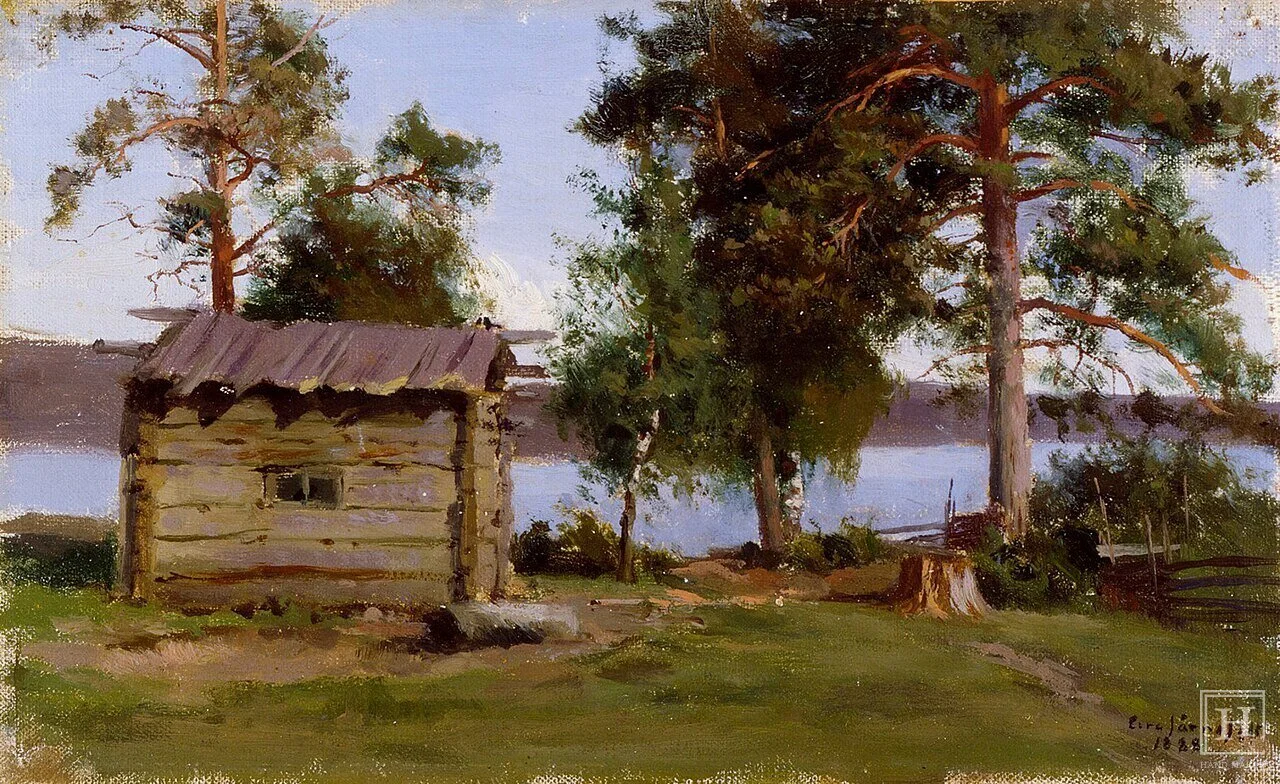
Finnish painter Eero Järnefelt, 1863~1937, produced the oil painting 〈Savusauna〉 in 1888. It is a small work, 30cm wide and 18cm high, featuring the traditional Finnish smoke sauna as its subject.
As such, in the works of Finnish artists, the sauna appears as a space that shows the lives of people and as a landscape harmonized with nature.
The combination of sauna and art continues even today. At the Toyama Glass Art Museum in Japan, a special exhibition titled 《The Secret of Finnish Sauna: Living with Nature – A Culture of Warmth》 is being held since October 31. This exhibition, which runs until January 24 next year, covers the history, living culture, architecture, and design of the sauna.
The exhibition hall introduces various sauna supplies and artworks from different eras, including materials related to the sauna designed by Finnish architect Alvar Aalto. Ceramic teapots and cups, glass crafts, etc., produced in the 1960s are also exhibited, showing how the sauna has been connected to the design of daily necessities.
From Sauna Elves to Diplomacy, Finland's Unique Customs
In Finland, there is an old custom called "sauna peace (saunarauha)" which dictates that the sauna should be used quietly and peacefully. Sauna peace carries the meaning that one should avoid disputes in the sauna and respect the relaxation of others. Even today, Finnish sauna organizations consider this tradition important.
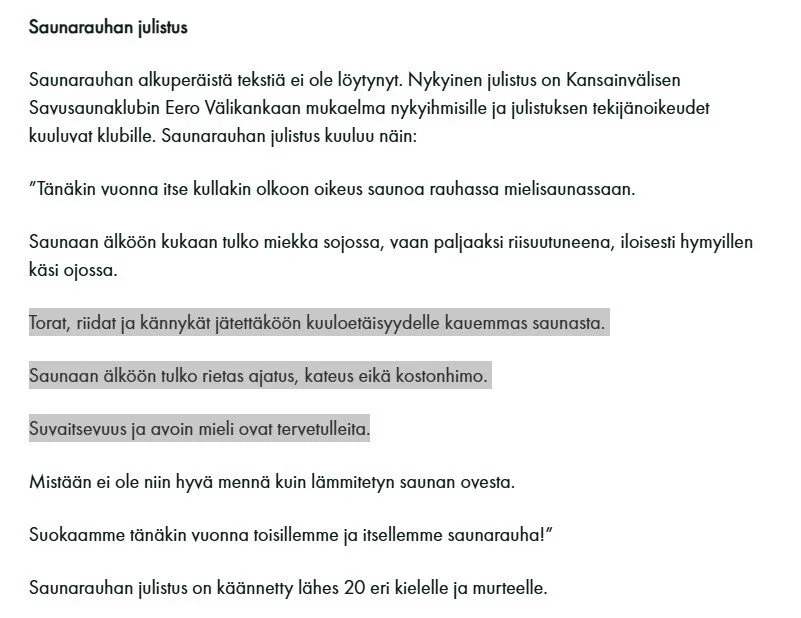
The International Smoke Sauna Club has been continuing the sauna peace declaration every year on the second Saturday of June since the 1990s. The modern declaration contains the following: "Disputes, arguments, and mobile phones should be kept far away from the sauna. Impure thoughts, jealousy, or a desire for revenge must not be brought into the sauna. Only tolerance and an open mind are welcome."
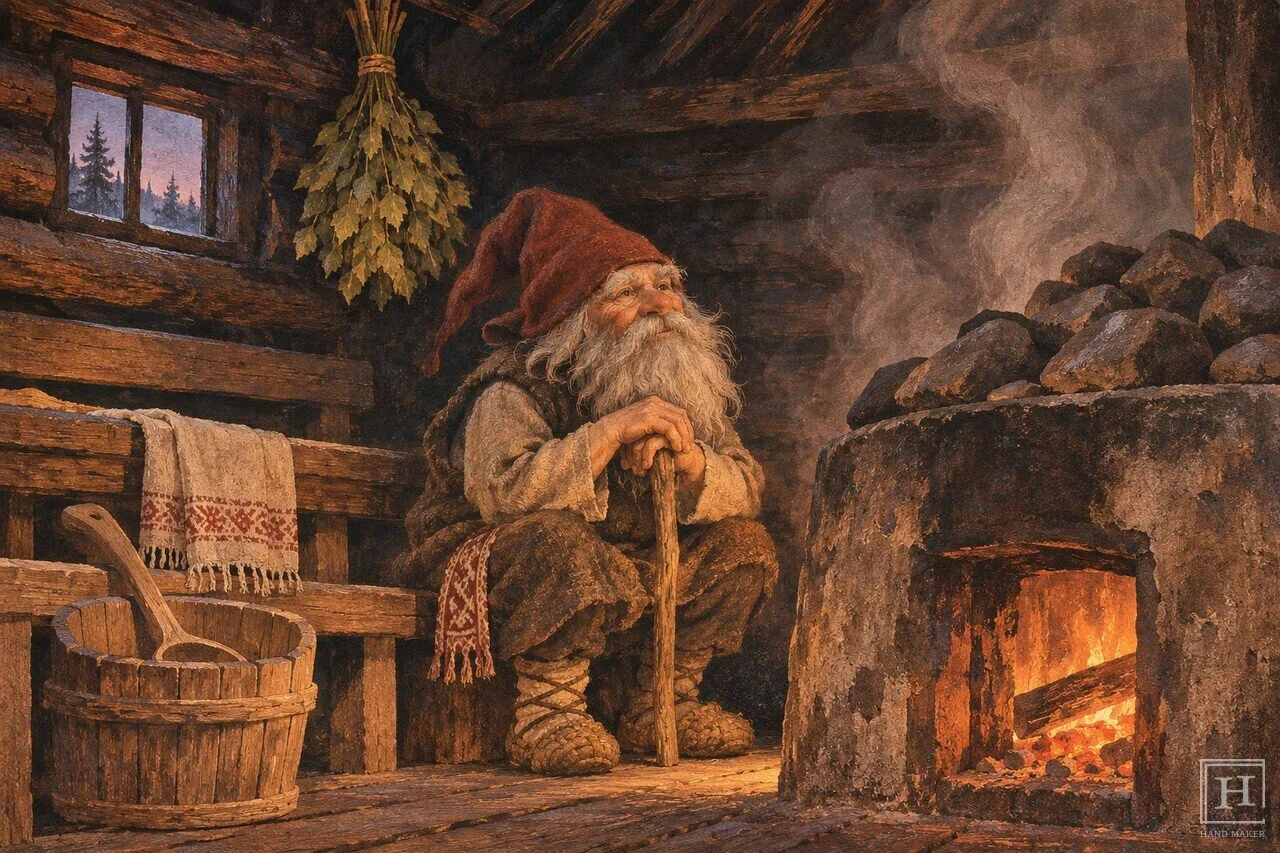
The perception of the sauna as something sacred can also be found in folk beliefs. In old Finnish folk beliefs, the 'saunatonttu,' a fairy that protects the sauna, appears. 'Saunatonttu' was regarded as a being that watches to see if fire is being used safely in the sauna and protects people.
They also served as entities that monitored whether people behaved politely. It was believed that making a disturbance or behaving improperly inside the sauna could incur the wrath of the fairies. Such stories reflect the perception of Finns, who viewed the sauna not merely as a place for bathing, but as a space where etiquette and order must be maintained.
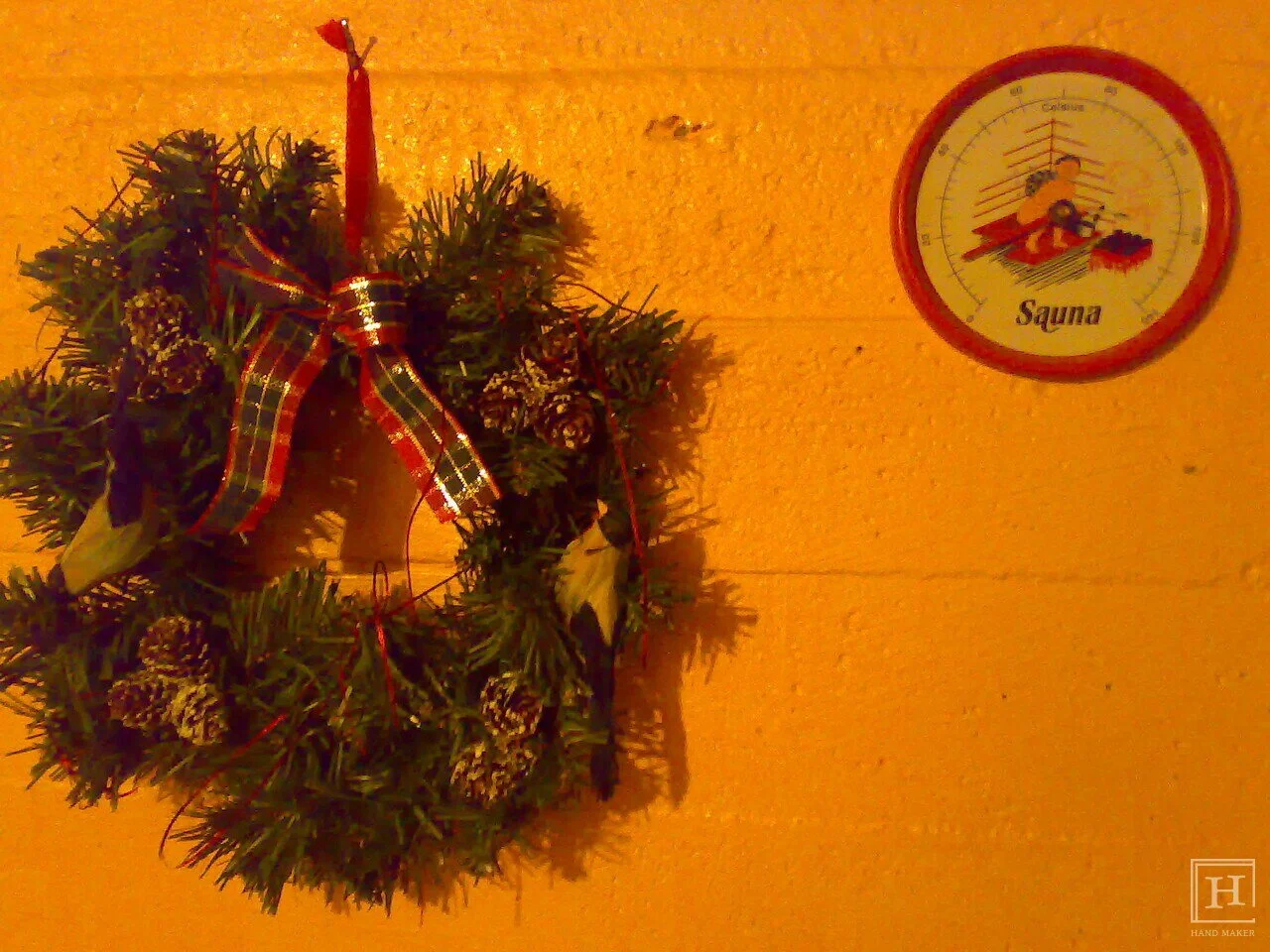
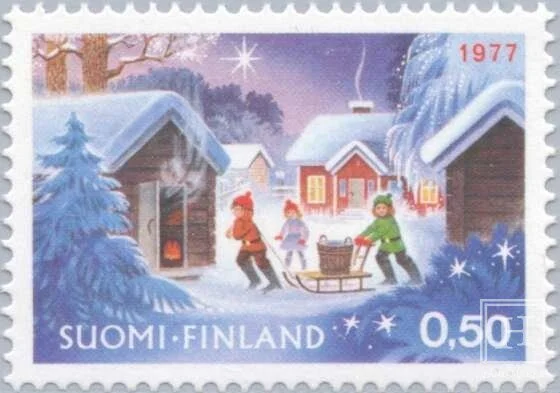
In Finland, saunas are indispensable even on special days. A representative example is the 'Christmas sauna.' This is a long-standing custom of enjoying the sauna with family on Christmas Eve, where the sauna is tidied up and vihta, which is made and stored during the summer, is prepared. It is regarded as a time to let go of the year's busyness and find tranquility ahead of the Christmas festivities.
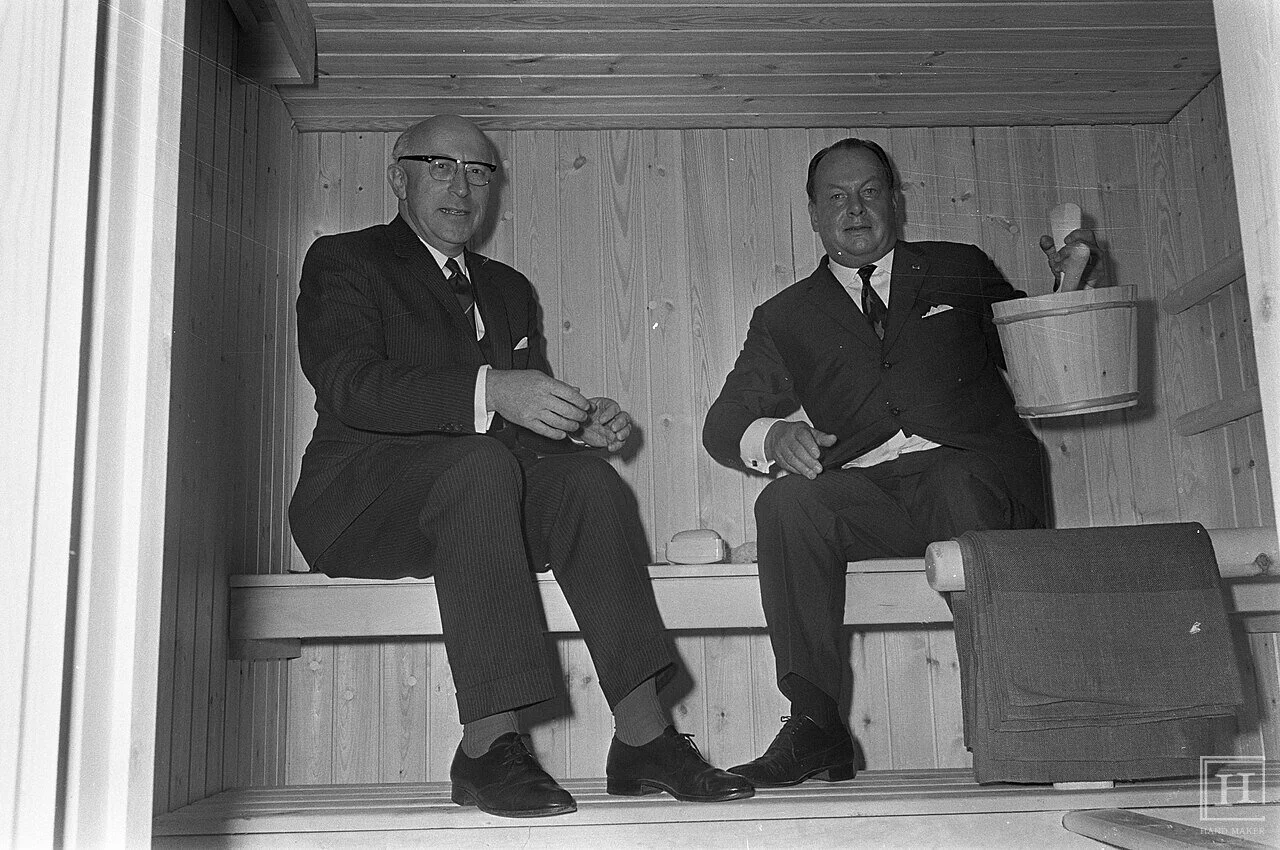
Interestingly, saunas have also been utilized in diplomacy. Former Finnish President Urho Kekkonen is known to have invited foreign leaders and high-ranking officials to the sauna to engage in dialogue during the Cold War era. In 2010, Pertti Torstila, then the Under-Secretary of State at the Ministry for Foreign Affairs of Finland, described the sauna in a speech at an international sauna symposium as a place where people can set aside their respective statuses and powers to converse.
While distinctions based on nation and position exist in official negotiation venues, in the sauna, everyone sits and converses as equals.
In this way, in Finland, the sauna has served as a space for family relaxation, a meeting place for the community, and sometimes even a venue for dialogue between nations. The meaning of the sauna, which has continued for a long time, has not disappeared even today. While preserving traditional saunas, new forms of public saunas and facilities incorporating modern design are also emerging in Finland.
From household items made from natural materials to old customs and works of art, Finland's sauna has established itself as a space that connects life and culture beyond being a simple bathing facility.
Reporter at HANDMAKER (핸드메이커), a Korean magazine devoted to crafts and handmade culture. Covers exhibitions, design and the people who make things by hand.
Comments 0
Comments are currently disabled.