
National Assembly audit exposes flaws in cultural heritage management
The 2026 National Assembly audit of the cultural sector revealed significant lapses in heritage management, ranging from the misidentification of historical artifacts to termite damage in royal palaces.
Former National Museum of Korea Director Yoo Hong-jun resigned following a National Assembly audit that revealed a piece of calligraphy misidentified as the work of independence activist Park Won-geun was actually by pro-Japanese collaborator Park Jung-yang.
Works once believed to be the calligraphy of independence activists were actually those of a pro-Japanese collaborator, and exhibition halls built to preserve cultural heritage were being used as warehouses. Termite damage has been confirmed in palaces and Jongmyo Shrine that have stood for hundreds of years, and many cultural heritages face difficulties in receiving insurance compensation even when fires occur.
The Culture, Sports and Tourism Committee of the National Assembly of the Republic of Korea reviewed major issues in the cultural sector, starting with the Korea Heritage Service and its affiliated agencies on the 8th, followed by related organizations such as the National Museum of Korea on the 19th, and concluding with a comprehensive audit on the 23rd.
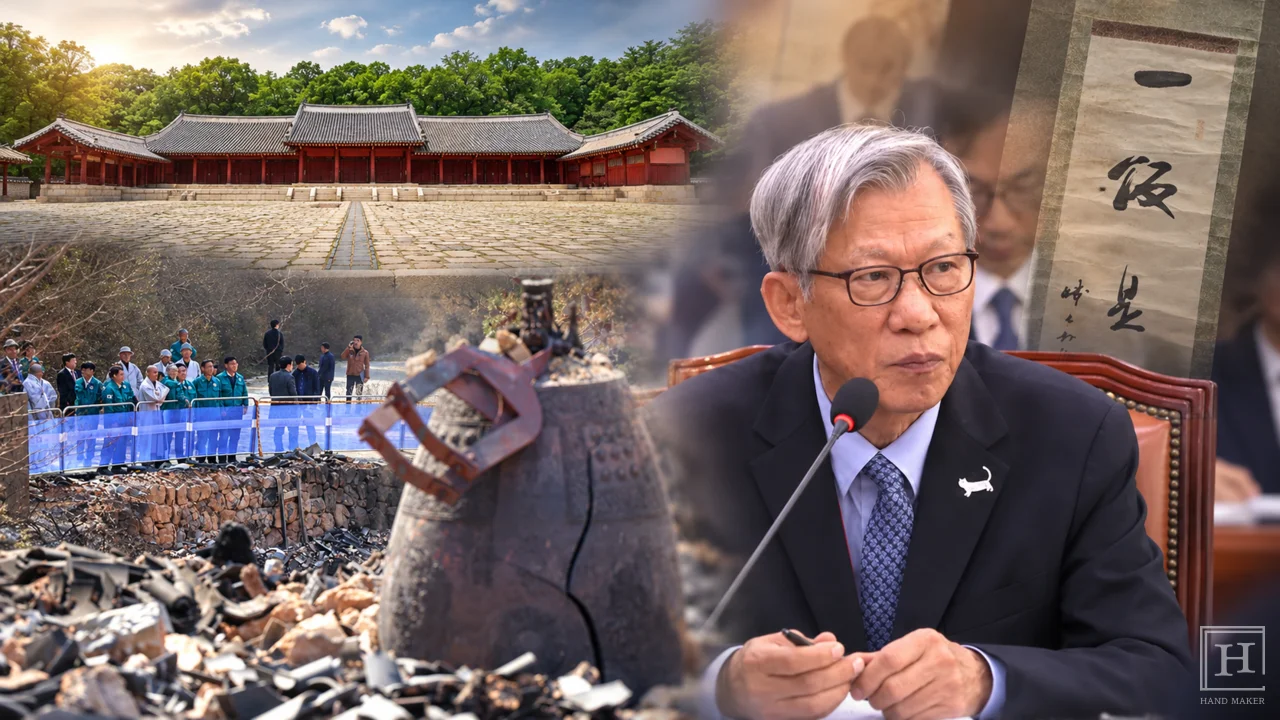
The controversy surrounding the exhibition of personal collections by former National Museum of Korea Director Yoo Hong-jun caused the greatest impact during this National Assembly audit. Yoo admitted to the error and resigned from his position. Regarding the Korea Heritage Service, the audit focused on development conflicts surrounding World Heritage sites, China's push to register Balhae sites as World Heritage, and inadequate measures for the management and preservation of cultural heritage.
Of particular note was the response following the occurrence of these problems. Although various systems are in place for verifying exhibits, granting photography permits for cultural heritage, preserving sites, and preventing fires, instances appeared where the intended purposes of these systems were not properly maintained in the field. The audit examined the issues raised and the responses and improvement measures provided by the relevant agencies.
Former Director Yoo Hong-jun, a promoter of cultural heritage, resigns in disgrace over exhibition of pro-Japanese calligraphy
Since July 1, the National Museum of Korea has been holding the special exhibition "Our Dining Table," introducing the history and meaning of Korean food culture through various artifacts and records. The exhibition included the calligraphy "One Meal Is a Grace of the Nation," which carries the meaning that "even a single bowl of rice is a grace of the nation."
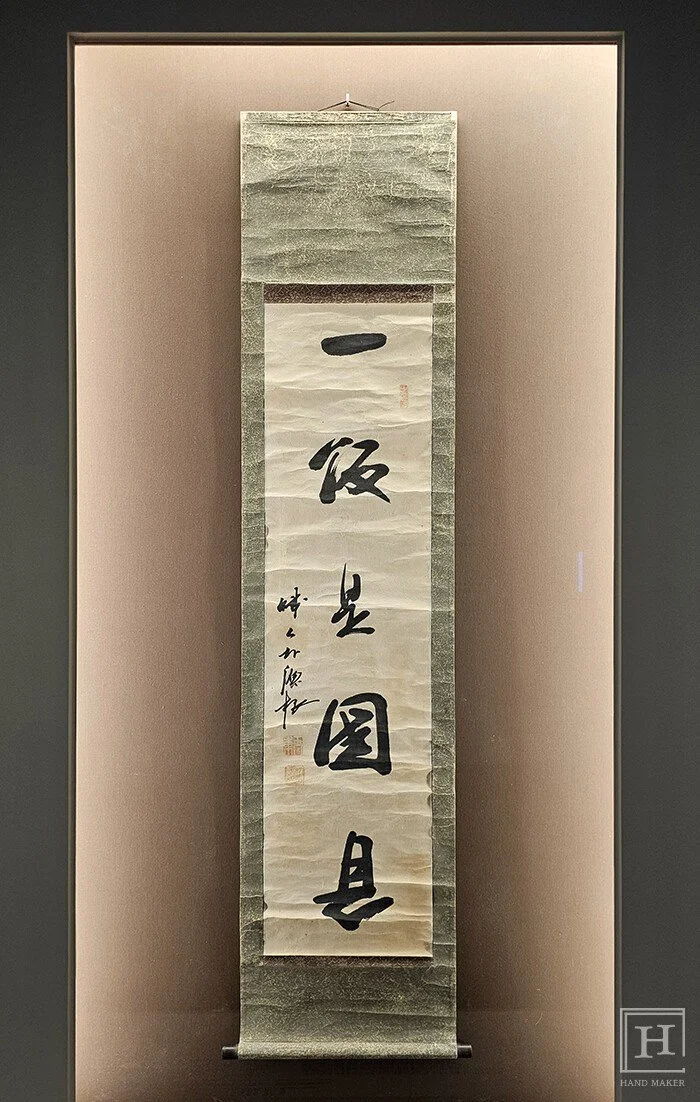
The museum introduced this as the work of the patriotic activist Park Won-geun. However, controversy began when suspicions were raised that "Park Won-geun," the name used in the work, was not an independence activist but a different name used by Park Jung-yang, a collaborator with Japan.
After withdrawing the work on August 10, the museum conducted a verification by seven experts in the fields of calligraphy, modern and contemporary history, ancient documents, and conservation science. The investigation concluded that the work was the calligraphy of Park Jung-yang rather than the patriot Park Won-geun, an official announcement of which was made on September 7.
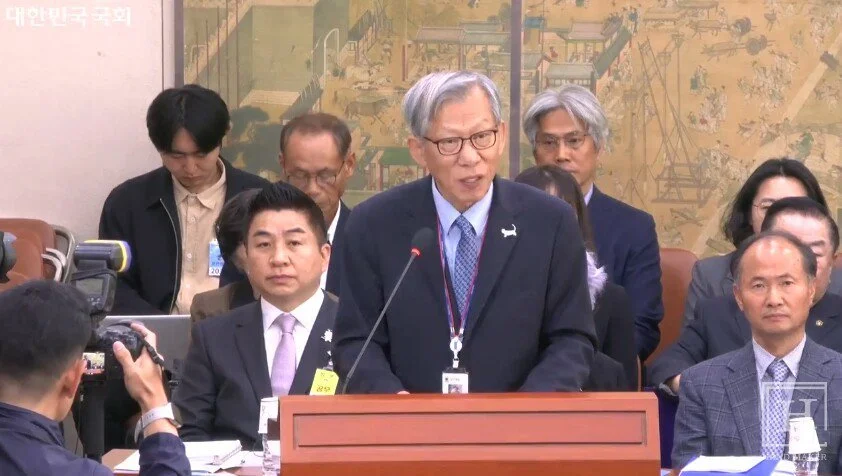
The problem was not limited to simply misidentifying the author of the exhibited work. It was revealed that the calligraphy in question was part of the personal collection of Yoo Hong-jun, the then director of the National Museum of Korea, and that Yoo himself had directly recommended the exhibition.
The National Museum of Korea is a representative national institution that researches and exhibits Korea's history and cultural heritage. As a place that explains the historical significance of artifacts based on materials collected and researched by experts, the process of verifying the authenticity and origin of exhibits is of utmost importance.
However, criticism was raised that the personal judgment and recommendation of the director influenced the selection of exhibits, and that sufficient cross-verification was not conducted in the process.
During the National Assembly audit on the 19th, questioning from lawmakers of both ruling and opposition parties continued regarding this issue. In particular, the key points of contention were the fact that the former director belatedly disclosed that he was the actual owner of the work, and whether the possibility of a conflict of interest was sufficiently reviewed during the exhibition process.
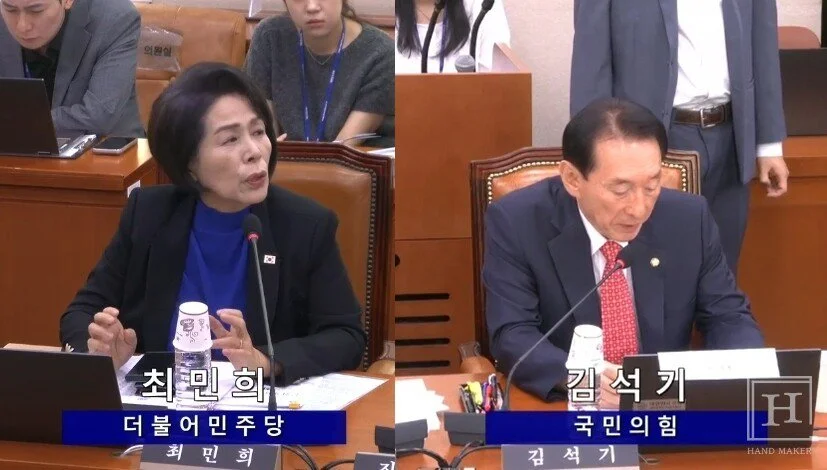
People Power Party lawmaker Kim Seok-ki pointed out that although former director Yoo had previously apologized, he had not disclosed the fact that he recommended his own collection for the exhibition. Criticizing the apology as being merely formal, Kim demanded a responsible decision regarding his position.
Choi Min-hee of the Democratic Party of Korea also questioned why Director Yoo did not disclose the fact that he owned the artwork. In response, former Director Yoo replied, “I hesitated to publicly admit that I made a major mistake as an art historian. That was my great error.”
Regarding the process of submitting the artwork, he explained that he judged the relevant phrase to be necessary during the exhibition planning stage, and provided it because he happened to own the work. Former Director Yoo clarified that he did not submit it for private profit, stating that he planned to donate it to another institution after the exhibition ended.
The circumstances of the artwork's purchase were also addressed during the National Audit. It was confirmed that former Director Yoo won the auction for the work for 50,000 won at an online auction in 2019. At that time, the work was introduced as the calligraphy of 'Park Deok-won', who participated as a member of the Joseon Tongsinsa delegation. Subsequently, former Director Yoo explained that he listed the insurance appraisal value as 300,000 won when submitting the work for the exhibition.
Although former Director Yoo apologized to the public, the bereaved families of independence activists, and the museum staff during the National Audit, the controversy did not easily subside. Ultimately, he expressed his intention to resign on the 21st, and stepped down from the director position as President Lee Jae Myung accepted the resignation proposal on the same day.
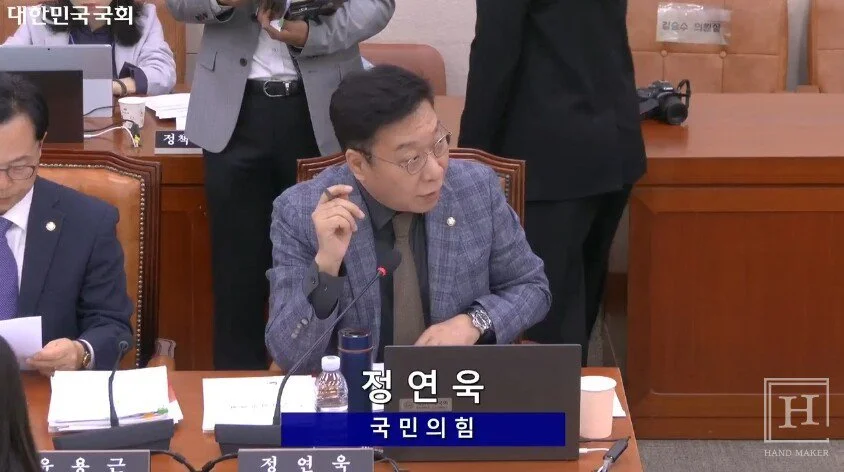
Even after the resignation, issues surrounding the exhibition item verification system continued. During the comprehensive audit held on the 23rd, Rep. Jeong Yeon-uk of the People Power Party pointed out that while the National Museum of Korea requested an audit from the Ministry of Culture, Sports and Tourism, it actually excluded the submission and exhibition process of former Director Yoo's personal collection—the core of the controversy—from the audit target.
It is known that the original contents requested by the museum for the audit included the donation procedure of the 'Stone Tiger' by former Director Yoo's spouse and the selection process for the new cafe operator. In response, Choi Hwi-young, the Minister of Culture, Sports and Tourism, stated, “We will conduct an audit on all procedures, including the management and verification of exhibition items that have become problematic this time.”
Furthermore, Minister Choi expressed regret over the damage to the long-accumulated honor and public trust of the National Museum of Korea, and conveyed his intention to re-examine overall operating procedures and prepare countermeasures. The National Museum of Korea also plans to expand internal and external experts in the field of modern and contemporary history and strengthen prior verification of exhibition items.
While the issue of individual responsibility has concluded with the resignation of former Director Yoo, it remains a task to be identified through additional audits as to what loopholes existed in the procedures for selecting and verifying exhibition items by a national institution.
Development of Sewoon District 4 in front of Jongmyo Shrine, conflict between Korea Heritage Service and Seoul Metropolitan Government persists
The redevelopment issue of Sewoon District 4 in Jongno-gu, Seoul, where conflicts surrounding cultural heritage preservation and urban development have intensified following the Seoul Metropolitan Government's announcement of changes to the maintenance plan last October, was once again brought to the forefront during the National Audit.
As the Seoul Metropolitan Government raised the maximum height of buildings in Sewoon District 4 to around 145m from the original negotiated plan of 71.9m, the Korea Heritage Service is demanding an HIA, claiming that high-rise buildings could affect the historical and cultural landscape of Jongmyo Shrine, but the Seoul Metropolitan Government and SH are maintaining the position that they have no legal obligation to conduct the evaluation.
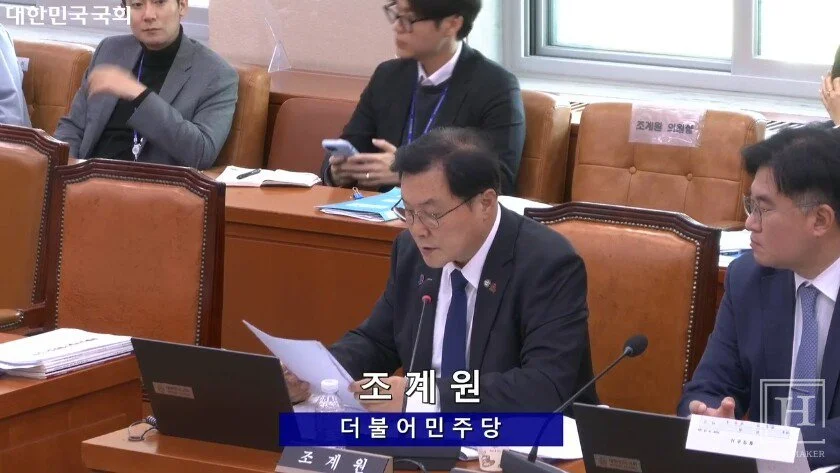
During the National Audit on the 8th, Rep. Jo Gye-won of the Democratic Party of Korea pointed out the appropriateness of this height change and emphasized that the Korea Heritage Service must uphold preservation principles.
Rep. Jo criticized, “World Heritage must not be reduced to a means of making money for developers.” The implication is that it is problematic to significantly change the existing plan, which limited building height considering the value of Jongmyo Shrine, without conducting an impact assessment.
On the other hand, members of the People Power Party raised issues regarding the damage to residents due to development delays and equity with other development projects. In particular, it was pointed out that compared to the government's plan to supply housing on the Taereung Country Club site, the Korea Heritage Service might be applying excessively strict standards to Sewoon District 4.
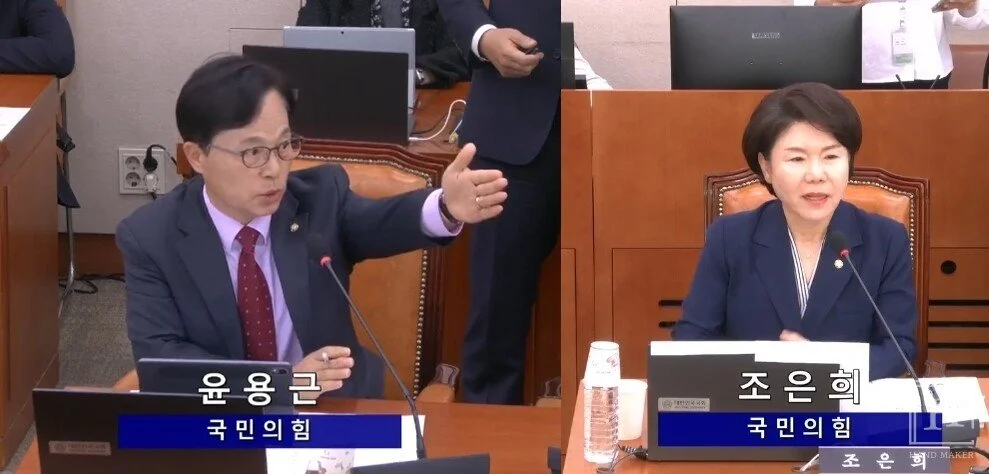
Rep. Yoon Yong-geun of the People Power Party questioned whether it is appropriate to proceed with the housing supply plan before the results of the HIA are released, noting that Taereung Country Club could also affect the historical and cultural environment of nearby World Heritage sites.
Rep. Cho Eun-hee of the People Power Party emphasized that the financial burden on residents is increasing as the development project is delayed for a long period. Rep. Jeong Yeon-uk also inquired whether there is a difference between the Korea Heritage Service's firm response to Sewoon District 4 and its response to other development projects.
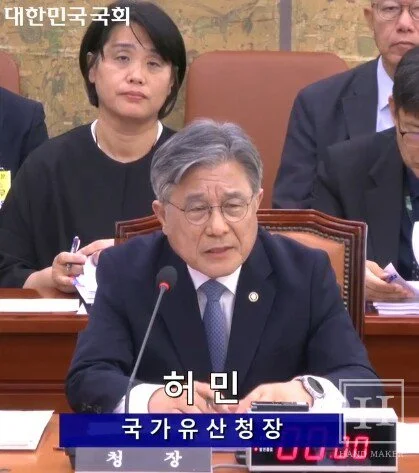
In response, Heo Min, head of the Korea Heritage Service, replied, “The Korea Heritage Service does not apply different standards. We are suggesting working together by finding a balance between preservation and development.” Heo further explained that while it is not impossible to build structures in Sewoon District 4, the method and scale of development must align with the preservation value of the World Heritage site. The position is that the HIA is not a procedure intended to unconditionally block development, but rather to find ways for preservation and development to coexist.
The difference in views between the Seoul Metropolitan Government and the Korea Heritage Service also appeared in the scope to which the HIA should be applied. Jo Nam-jun, former head of the Seoul Metropolitan Government Urban Space Bureau, who attended the National Audit as a witness, explained the Seoul Metropolitan Government's judgment that Sewoon District 4 is located outside the area subject to the HIA. On the other hand, the Korea Heritage Service maintained the position that an assessment is necessary if the development could affect the surrounding landscape of the World Heritage site.
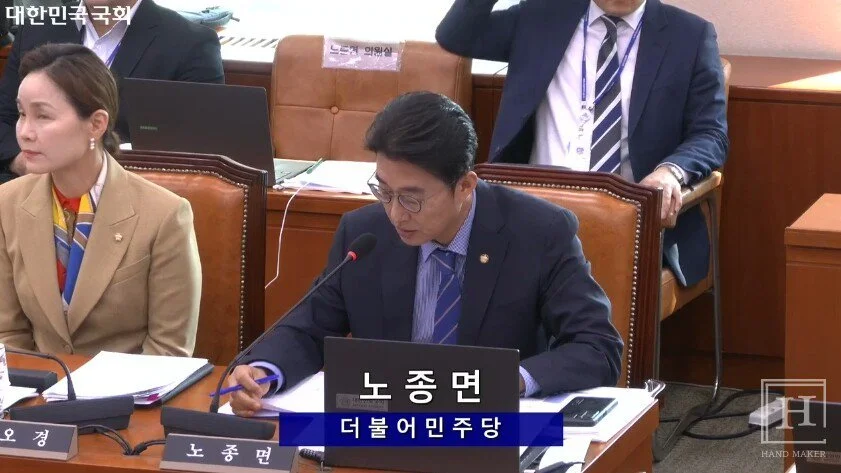
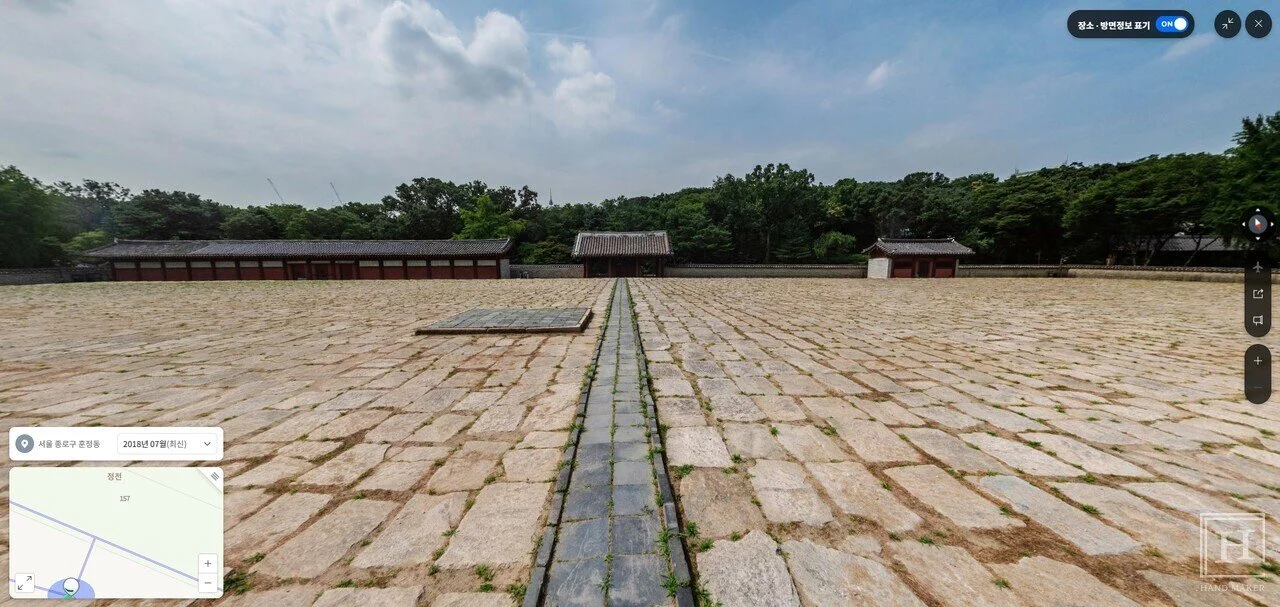
During the comprehensive audit on the 23rd, the landscape simulation released by the Seoul Metropolitan Government following the development of Sewoon District 4 also became a subject of controversy. Noh Jong-myeon, a member of the Democratic Party of Korea, raised the possibility that Naver Road View images were used in the 3D landscape data released by the Seoul Metropolitan Government, suggesting that due to the characteristics of ultra-wide-angle photography, high-rise buildings might have been represented as appearing smaller and further away than they actually are.
On the other hand, Rep. Cho Eun-hee pointed out that the photos used were the latest data available at the time and noted that the Korea Heritage Service did not cooperate with the joint field verification proposed by the Seoul Metropolitan Government.
Expressing embarrassment over the possibility of distortion in the simulation, Heo expressed concern regarding the potential impact on the World Heritage status of Jongmyo Shrine, stating, “I fear the loss of the status itself.”
Currently, the Korea Heritage Service has requested relevant agencies to cancel the approval for the change in the business implementation plan for Sewoon District 4, and the project entity, SH, has filed an administrative lawsuit in defiance of the Korea Heritage Service's order to implement the HIA. Therefore, the conflict was not resolved during this National Audit. Legal and administrative judgments regarding the HIA and consultations between the Seoul Metropolitan Government, the Korea Heritage Service, and the project entity are expected to continue in the future.
China pushes for the registration of Balhae ruins as a World Heritage site; insufficient response from Korea Heritage Service
Another issue surrounding World Heritage is the matter of China pushing for the registration of Balhae ruins as a UNESCO World Heritage site. Balhae is a nation founded by Dae Joyeong in 698, known as a state that inherited the history and culture of Goguryeo. However, because China tends to describe Balhae as a local regime belonging to its own history, debates regarding the historical nature of Balhae continue.
During the National Audit on the 8th, Bae Hyun-jin, a member of the People Power Party, released related data, stating that the government of Jilin Province, China, is making specific preparations to register the Balhae ruins as a World Heritage site.
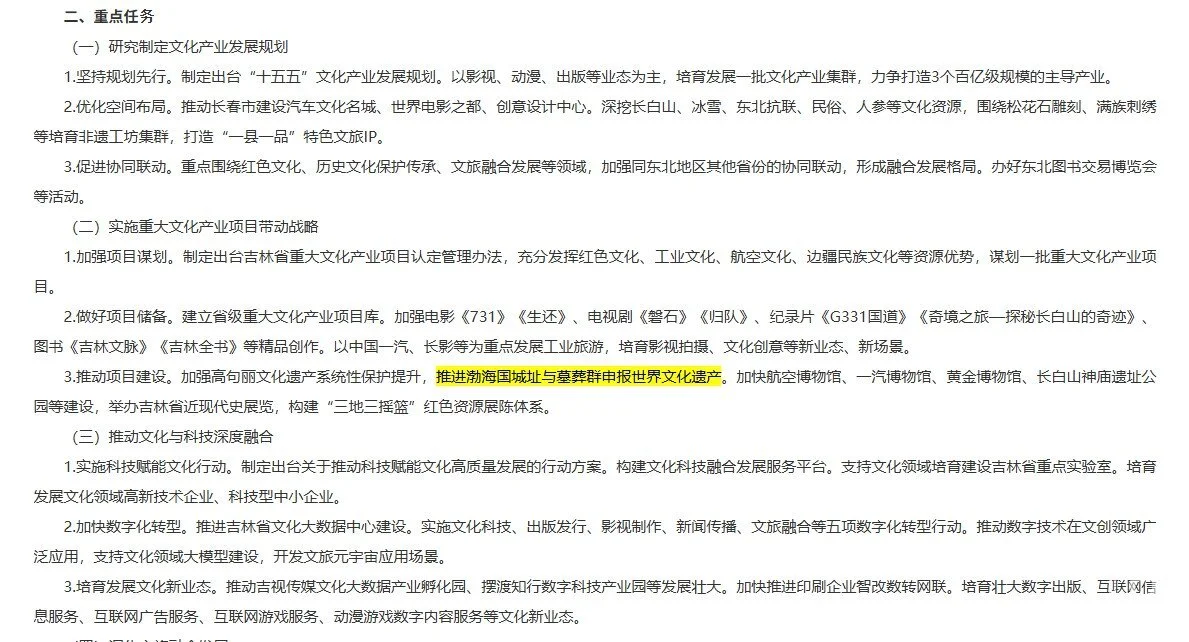
In July last year, the Jilin Province government of China announced its plan to promote the registration of the Balhae state castle sites and ancient tomb ruins as a World Cultural Heritage site through an official document. It was further confirmed that in January this year, they pursued a project to establish a World Heritage registration strategic plan worth 1,352,500 yuan. Indeed, part of the document states, “We will promote the application for the registration of the Balhae state castle sites and ancient tomb groups as a World Cultural Heritage site.”
China has entered preliminary preparations at the local government level to organize the value and registration strategy of the target ruins. However, it was pointed out that the Korea Heritage Service failed to sufficiently grasp these specific progress details.
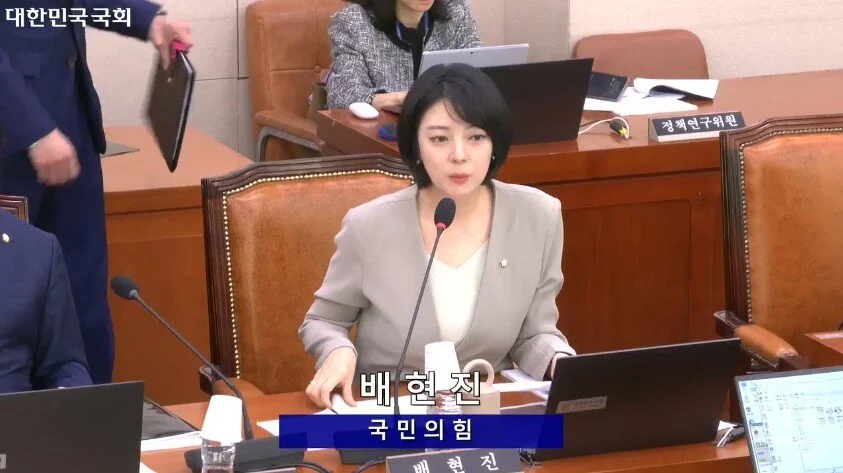
Rep. Bae criticized, saying, “It is a very serious problem that a national agency like the Korea Heritage Service failed to identify this,” and rebuked the lack of a national-level response.
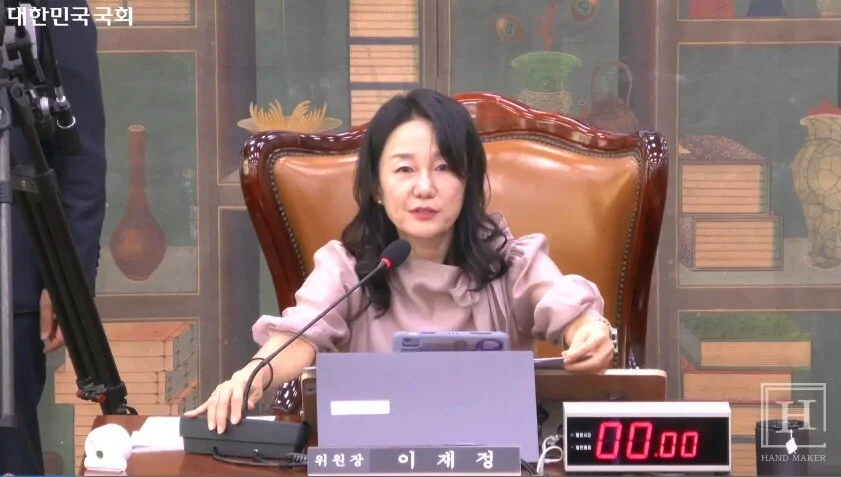
Similar points were raised by the ruling party as well. Lee Jae-jung, Chairperson of the Culture, Sports and Tourism Committee from the Democratic Party of Korea, mentioned the case of Japan's Sado Gold Mine being listed as a UNESCO World Heritage site, pointing out that once the listing process proceeds, it may be difficult to change contents related to historical interpretation. She argued that before China enters the official listing process, academic grounds must be established to explain the historical background and value of the Balhae ruins.
During this National Audit, the Chinese-related Balhae ruins were not at a stage of being newly included in the UNESCO World Heritage Tentative List. Rather, it was confirmed that local governments are preparing listing strategies.
Heo Min, head of the Korea Heritage Service, agreed that there must be an active response to China's Northeast Project issue, but explained practical difficulties such as a shortage of personnel. Heo stated, “There is truly a lot of work to do, such as the Northeast Project,” noting that there is a shortage of personnel in charge of international affairs. He followed by replying, “I will devise a specific plan and report back.”
Archaeological exhibition halls used as warehouses, all 531 filming permits approved... loopholes in post-management
Points were also raised that the systems for preserving and utilizing cultural heritage are not being properly operated in the actual field. According to data released by Lim O-kyeong of the Democratic Party of Korea, an archaeological exhibition hall established in the second basement floor of the former Pagoda Academy building in Jongno-gu, Seoul, was being used for purposes other than its original intent. Rep. Lim stated that hotel towels and cleaning carts were placed in the space, and it was also confirmed that hospital staff were seen eating inside the exhibition hall.
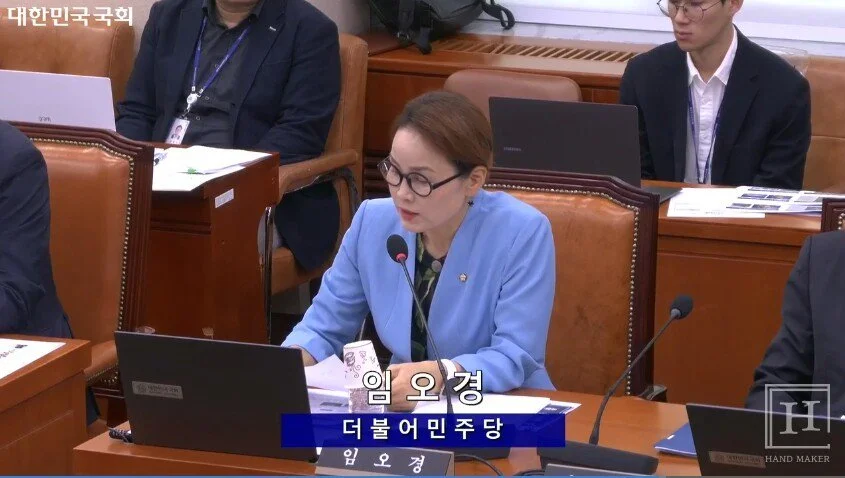
Archaeological exhibition halls can be established when historical ruins are discovered during the process of constructing or expanding a building. It is a method of granting development permission on the condition that the excavated ruins are preserved on-site and opened to citizens. The intent is to preserve the ruins in their original location to continue their historical value, instead of eliminating them or moving them to another location due to development.
However, if it is not verified whether the space is being used for its original purpose even after development permission is granted, the preservation conditions will inevitably remain as mere formal promises.
The Yugijeon Museum in Jongno-gu was also pointed out as a similar case. After receiving permission for new construction in 2008 on the condition of establishing an on-site museum, the museum opened in 2012 but is currently closed. Rep. Lim emphasized, “If the preservation and exhibition of artifacts were set as a condition at the time of development permission, we must verify whether that promise is being kept,” adding, “An effective post-management system must be established.”
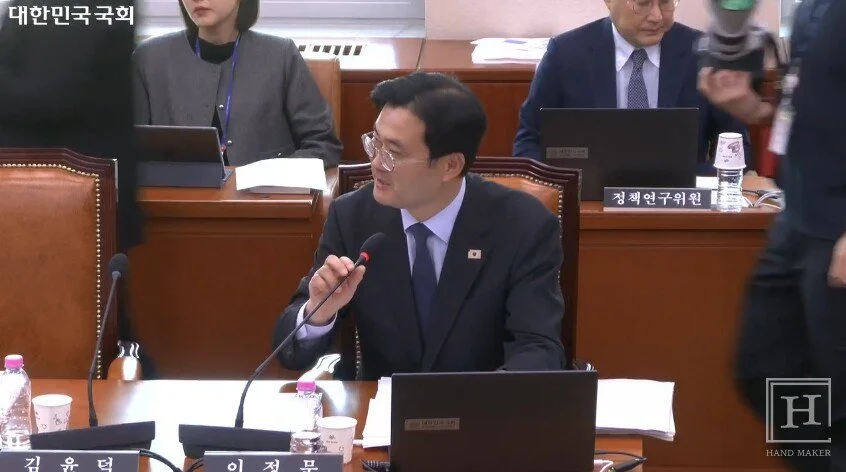
Similar problems appeared in the process of utilizing cultural heritage for broadcasting or video production. According to data submitted to the Korea Heritage Service by Lee Jung-moon of the Democratic Party of Korea, it was revealed that all 531 applications for broadcast filming received by eight local governments where nationally designated cultural heritage is located from last year to August this year were approved.
The Korea Heritage Service established standard guidelines for filming permits after the incident was revealed in late 2024, where personnel involved in drama filming damaged Byeongsanseowon Confucian Academy in Andong, Gyeongbuk, by driving nails into the building. The intent is to review the impact of facility installation and filming methods on the heritage when utilizing cultural heritage for broadcasting or video production, and to ensure that damage is checked after filming is completed.
However, it was revealed that all 531 filming applications were approved after the guidelines were implemented, and the regulations established to check for damage after the conclusion of filming were not applied even once for about one and a half years. It was also pointed out that even a standard confirmation form to be used for post-verification has not been prepared.
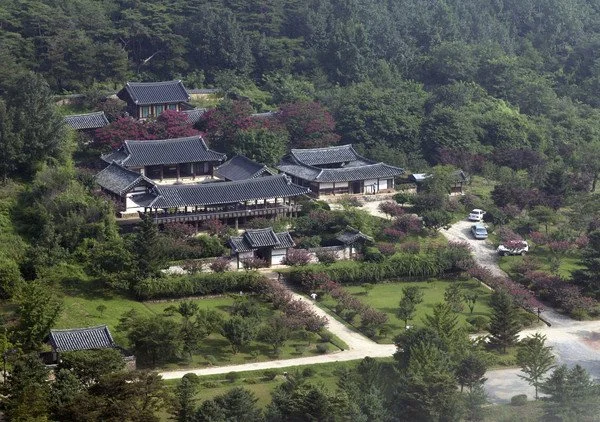
The fact that all filming applications were approved alone cannot be concluded as insufficient screening. However, it was pointed out as a problem in that there is a need to verify whether the criteria to filter out the possibility of damage and the post-inspection regulations actually functioned.
While the issues regarding heritage exhibition halls and filming permits arose in different fields, they share a commonality. Although certain conditions and standards were established for preserving sites or utilizing cultural heritage, there was a lack of processes to continuously verify whether they were actually being implemented.
During the National Audit, the strengthening of post-management was demanded to supplement these loopholes, and it remains to be seen what specific improvement measures the Korea Heritage Service and related agencies will prepare in the future.
Termite damage reaches palaces and Jongmyo Shrine... Fire insurance also in a blind spot
Problems were also revealed in the management system for the safety and preservation of cultural heritage. According to data from the Korea Heritage Service released by Democratic Party of Korea lawmaker Kim Yun-deok during the National Audit on the 8th, termite damage was confirmed in major national treasure-level wooden structures such as Geunjeongjeon Hall of Gyeongbokgung Palace, Injeongjeon Hall of Changdeokgung Palace, Myeongjeongjeon Hall of Changgyeonggung Palace, and Jeongjeong Hall of Jongmyo Shrine. Buildings designated as treasures, such as Donhwamun Gate of Changdeokgung Palace, Honghwamun Gate of Changgyeonggung Palace, and Junghwamun Gate of Deoksugung Palace, were also included in the damage targets.
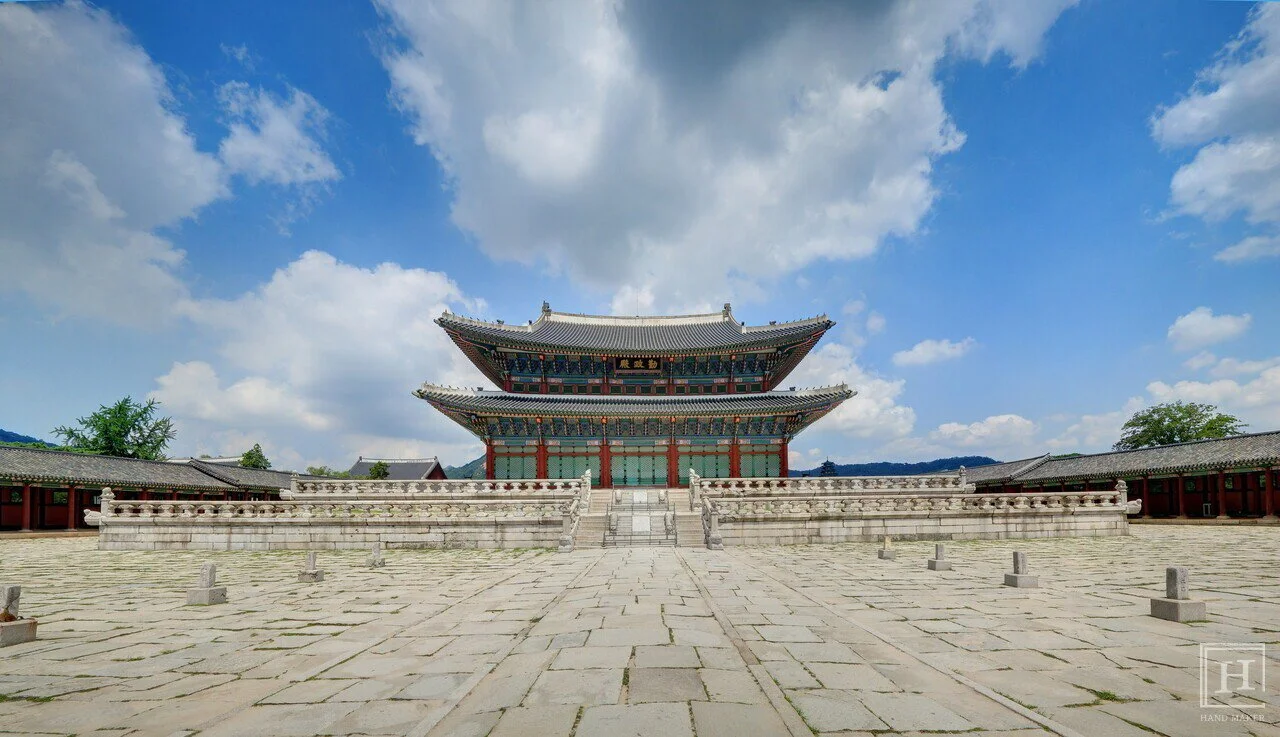
Termites are insects that feed on wood and damage the interior of timber. Because the damage is not easily visible from the outside, if discovery is delayed, it can affect the structural stability of the building. In particular, since wood is used as a primary material in Korea's traditional buildings, it is important to continuously monitor and prevent damage caused by termites.
Recently, rising temperatures and changes in humidity caused by climate change are being mentioned as factors affecting the expansion of termite habitats. Damage that previously appeared mainly in the southern regions is expanding to Seoul, Gyeonggi, and northern Gangwon regions, and the influx of invasive termite species into the country has also been confirmed.
The problem is that even as the damage spreads, the pest control, repair, and post-management systems are insufficient. According to the data released by lawmaker Kim, it was revealed that the Korea Heritage Service only controls or repairs about 10 locations annually. In particular, criticisms were raised that there is a lack of follow-up management to confirm whether termites were actually removed, as the methods are limited to installing pest control agents or simply completing inspections.
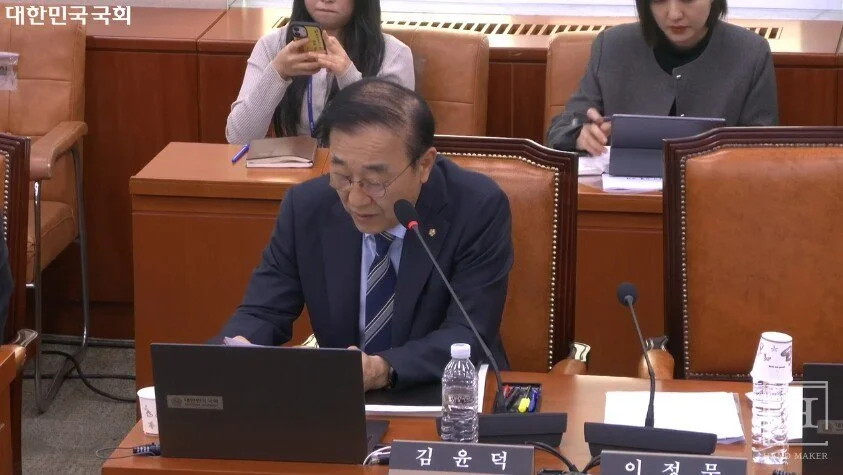
Lawmaker Kim criticized, saying, “It is not even being verified whether pest control leads to actual prevention of recurrence,” and requested the introduction of scientific and systematic management methods. Furthermore, she emphasized the need to expand integrated management departments and professional research personnel so that termite damage can be prevented and recurrence can be continuously checked.
In response, Heo Min, head of the Korea Heritage Service, stated that they would prepare and report relevant measures. However, the task remains to establish a system that can manage the scope of damage and the possibility of recurrence in the long term, beyond simply increasing the number of pest control instances.
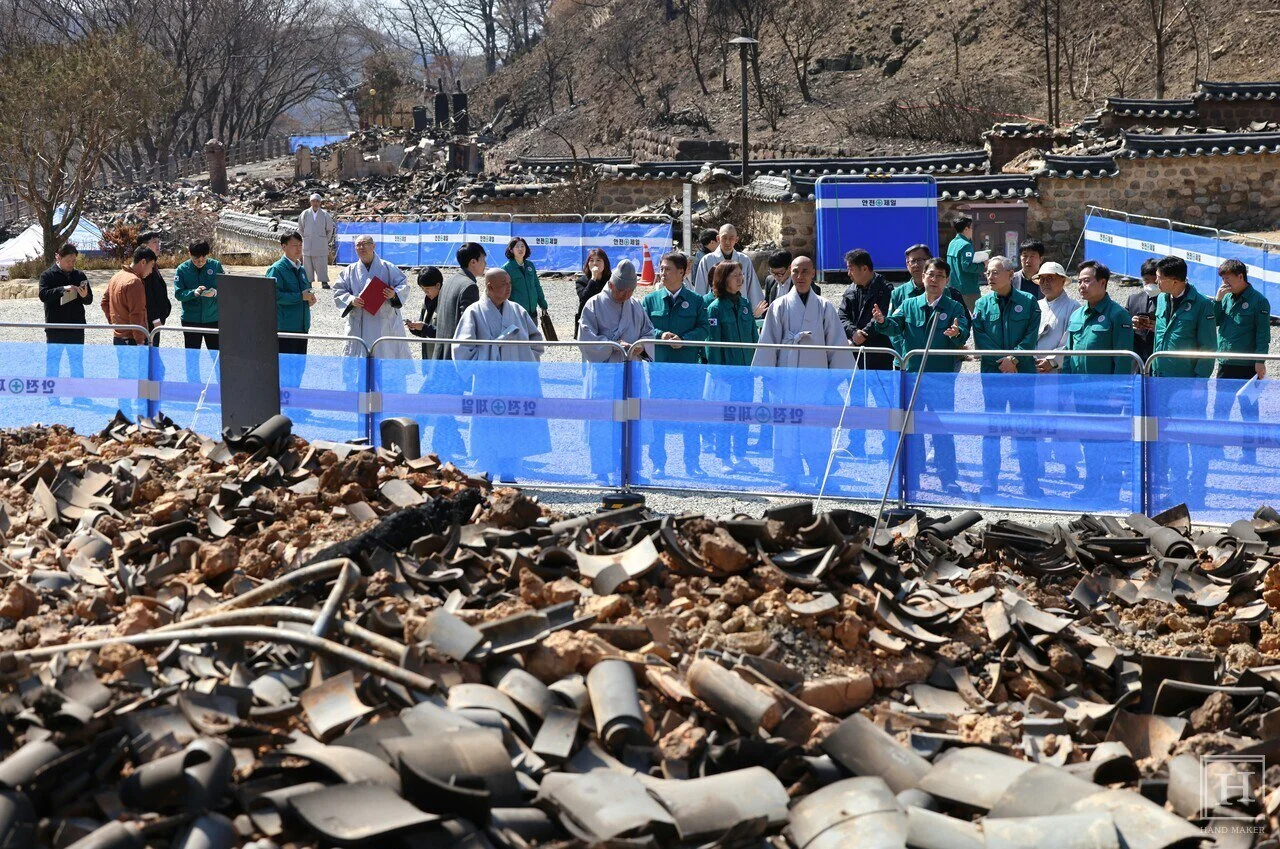
The status of fire insurance enrollment to prepare for fire damage also became an issue during the National Audit. According to the points raised by Democratic Party of Korea lawmaker Lee Jung-moon during the Korea Heritage Service National Audit on the 8th, it was revealed that 16 out of 25 UNESCO World Heritage sites subject to fire insurance enrollment were not insured.
The fire insurance enrollment rate for wooden cultural heritage designated as national treasures and treasures was also low. As of September this year, the enrollment rate was only 39.4%, and among 212 private wooden cultural heritage items owned by individuals, clans, or temples, 151 items, approximately 71.2%, were surveyed to not have fire insurance.
Unlike state-managed national or public cultural heritage, the lack of legal grounds to mandate fire insurance for private cultural heritage was pointed out as a major cause. There were also cases where fire damage occurred while already being uninsured. According to the data released by lawmaker Lee, fires occurred in 5 cultural heritage sites that were not enrolled in fire insurance last year, with the damage amounting to approximately 3.626 billion won.
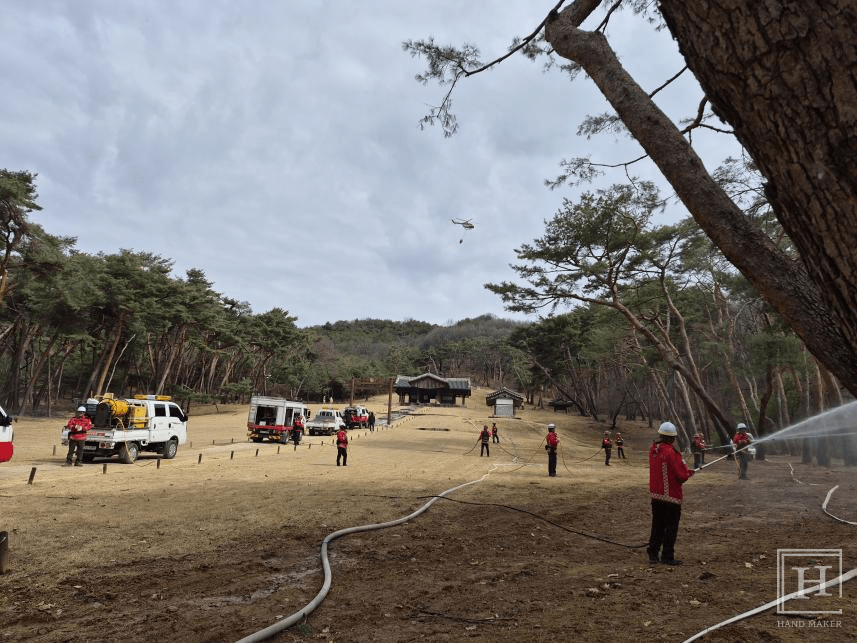
Fire insurance for cultural heritage is not a system that can prevent the occurrence of a fire itself. However, it is one of the important safety nets in that it can reduce the burden of recovery costs and support rapid response when damage occurs.
In particular, wooden cultural heritage has the characteristic that damage can spread rapidly when a fire occurs, and even if lost historical buildings are restored, it is difficult to fully return the original materials and value.
The Korea Heritage Service conducted research on the introduction of policy insurance for cultural heritage in 2024, but it was pointed out that practical follow-up measures, such as the reorganization of relevant laws and budget reflection, have not been taken up to the time of this year's National Audit. In an activity report released after the National Audit, Rep. Lee emphasized that a dense safety net equipped with both preventive disaster management and fire insurance must be established.
A review is also needed regarding whether the owners of cultural heritage should bear all the responsibilities for insurance subscription and management simply because they are temples or individuals, or whether the state should prepare insurance premium support or policy insurance that fits the public value.
The problems pointed out in this year's National Audit occurred in different cultural heritages and institutions, but they left a common question as to whether the systems for protecting and managing cultural heritage are being properly operated in the actual field.
The heads of the relevant agencies who attended the National Audit acknowledged responsibility for the problems or promised to prepare improvement measures. However, since some issues were pointed out as similar problems in last year's National Audit, it is necessary to examine how much the follow-up measures have actually been implemented in the field. Attention is focused on whether the issues raised in this National Audit will lead to specific institutional improvements rather than ending as one-time rebukes.
Reporter at HANDMAKER (핸드메이커), a Korean magazine devoted to crafts and handmade culture. Covers exhibitions, design and the people who make things by hand.


Comments 0
Comments are currently disabled.