
Daelim Cultural Foundation celebrates 30th anniversary with "DCF Collection" exhibition at Daelim Museum
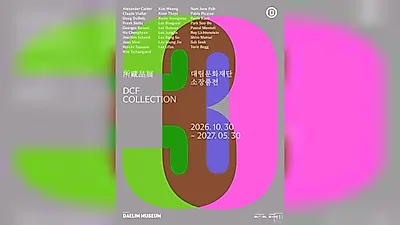
The Daelim Cultural Foundation is hosting its first collection exhibition at Daelim Museum to commemorate its 30th anniversary, featuring approximately 70 works by domestic and international artists.
In Korean tradition, the age of thirty is referred to as "Irip," a time for establishing one's will and finding one's place in the world. A span of 30 years is a weighty enough period to build a history. Throughout that time, the Daelim Cultural Foundation has stood behind the arts, introducing numerous artists to the public and bridging the gap between art and daily life.
Since its beginnings at the Hanlim Museum of Art in 1996 and its subsequent establishment in Seochon, Seoul, the Daelim Cultural Foundation has expanded opportunities to encounter art more closely. As if looking back on that journey, works that have been preserved in storage for many years are now ready to meet visitors at the museum.
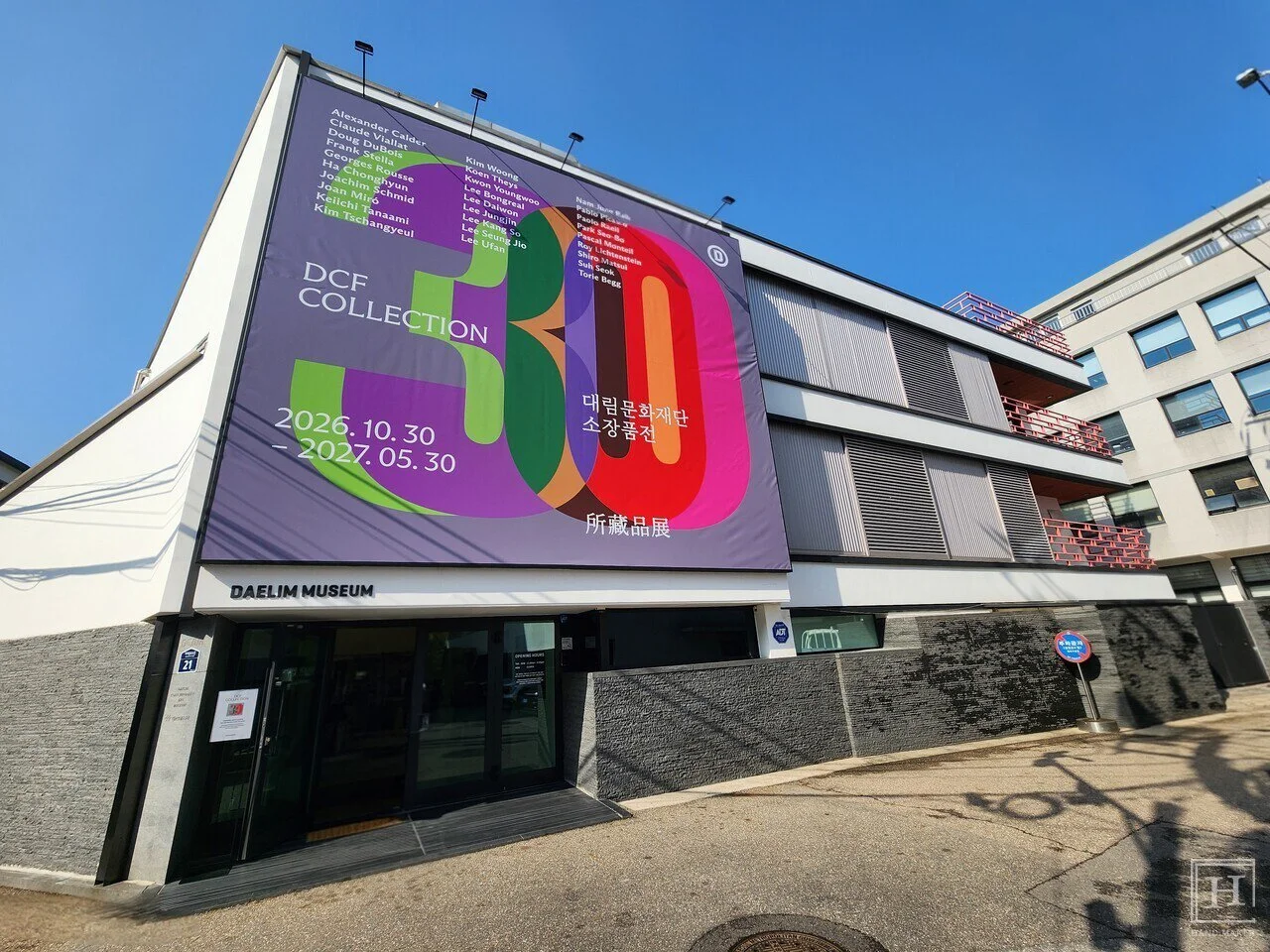
The "DCF Collection: Daelim Cultural Foundation Collection Exhibition" has been underway at Daelim Museum in Jongno-gu since October 30. Organized for the first time to celebrate the 30th anniversary of the foundation's establishment, the exhibition showcases approximately 70 works by domestic and international artists, including Kim Tschang-yeul, Pablo Picasso, and Nam June Paik.
The exhibition features paintings, sculptures, photographs, and media art produced from the mid-20th century to the present. Rather than being categorized by era or genre, the works are arranged to allow viewers to examine the relationships between different pieces.
The exhibition is free to the public and has an extended run through next May. An official explained, "We are offering the exhibition for free with a long duration so that visitors can enjoy the collection alongside other exhibitions held nearby, such as those at MMCA, and experience the four seasons of Seochon through works of art."
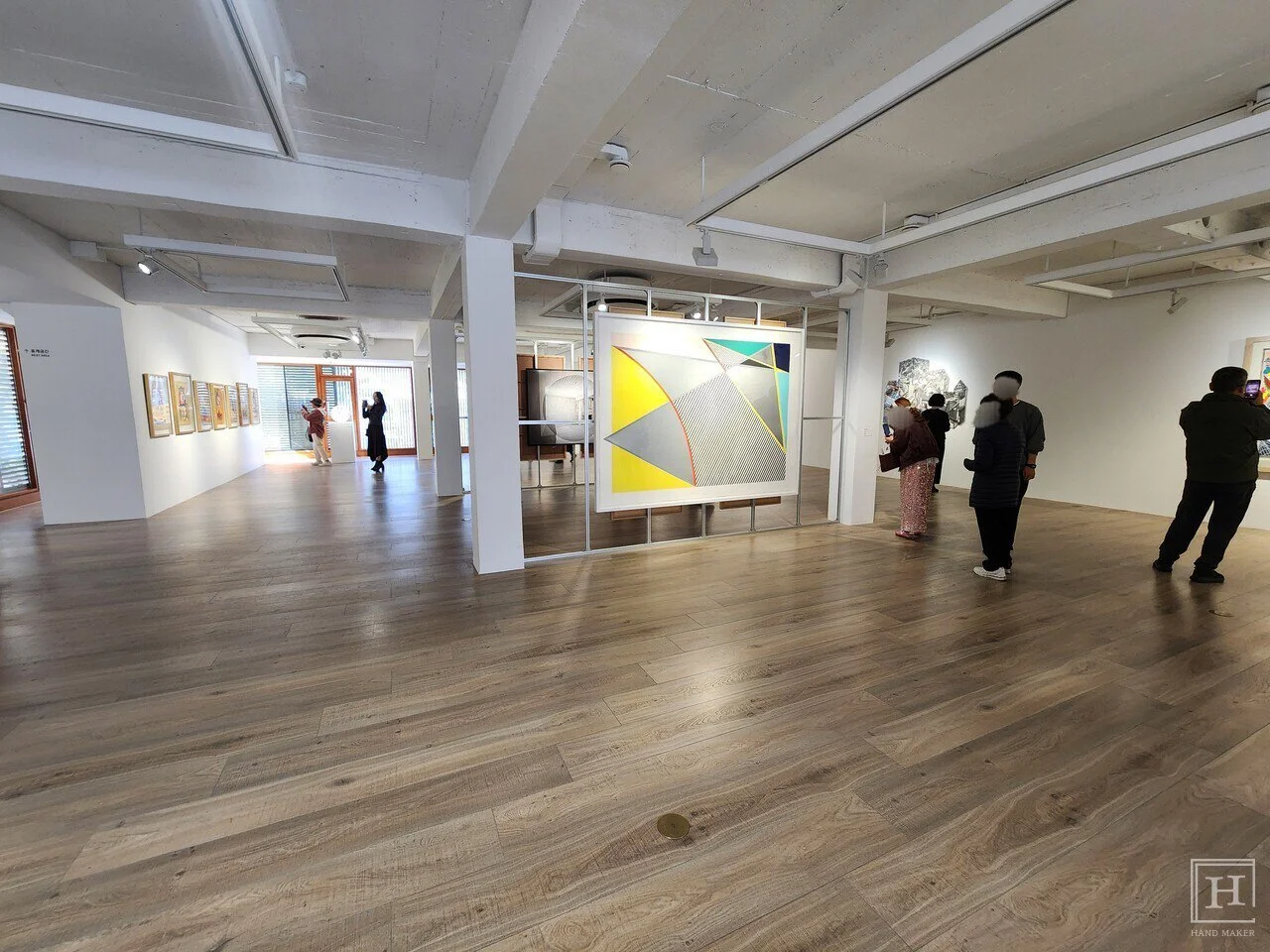
On the first day of the opening, October 30, the museum was crowded with visitors even before word of mouth had spread. While the opportunity to view works by famous artists for free was an attraction, visitors who had previously attended exhibitions held by the Daelim Cultural Foundation appeared to have arrived early in the morning to see the works once again.
Works by artists seen in previous exhibitions, such as "Keiichi Tanaami: I’M THE ORIGIN" and "House of Taste" held at Daelim Museum and D MUSEUM, were welcome sights. While some works from those previous exhibitions were brought back, an official noted that new works from the foundation's collection were also being presented for this exhibition.
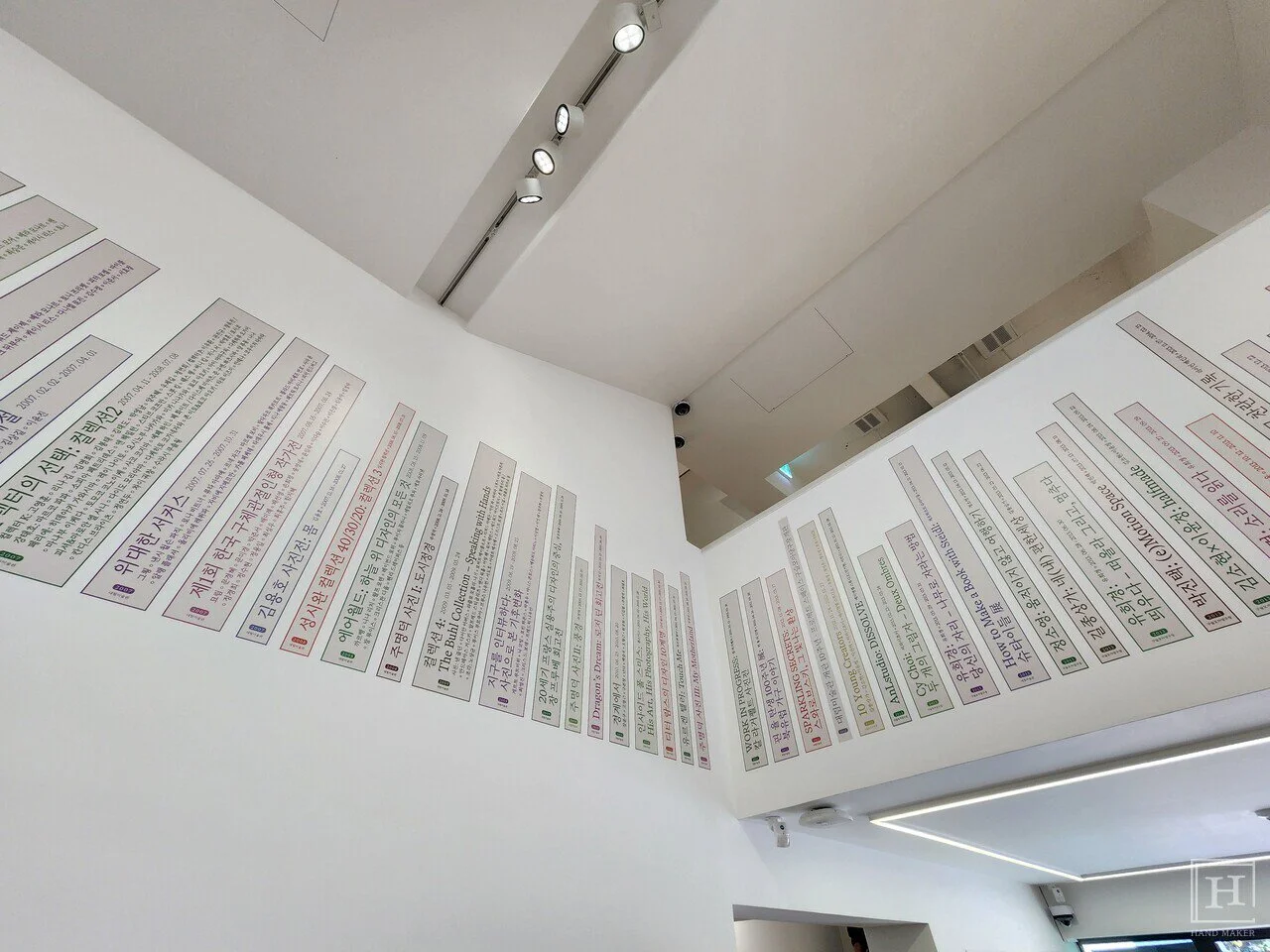
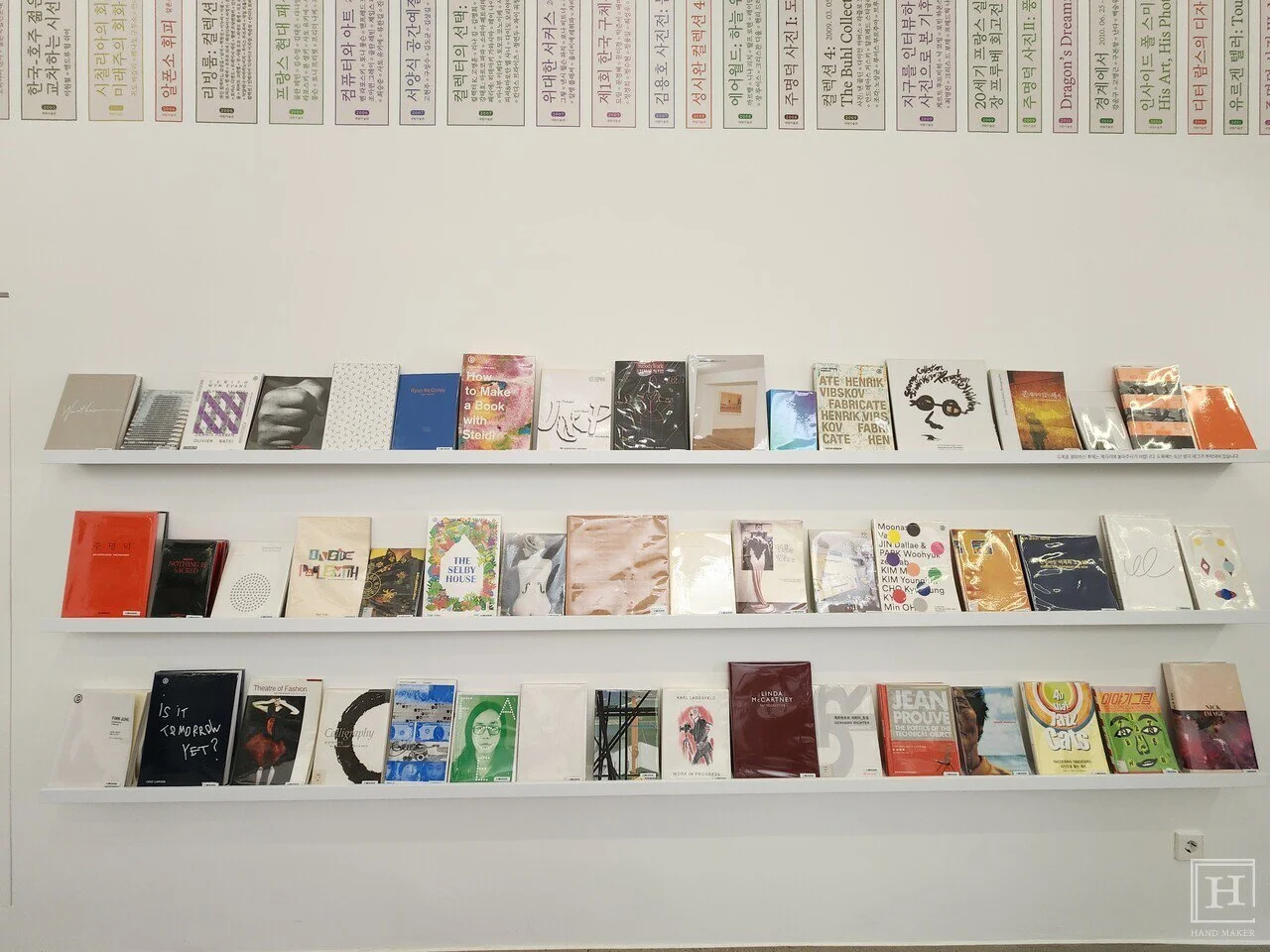
The 30-year history of the Daelim Cultural Foundation can be traced from the first-floor entrance. An archive has been prepared that reclassifies exhibition catalogs published since the foundation's establishment in 1996 into seven keywords: "Beginning," "Place," "Collection," "Drawing," "Fashion," "Youth," and "Nam June Paik."
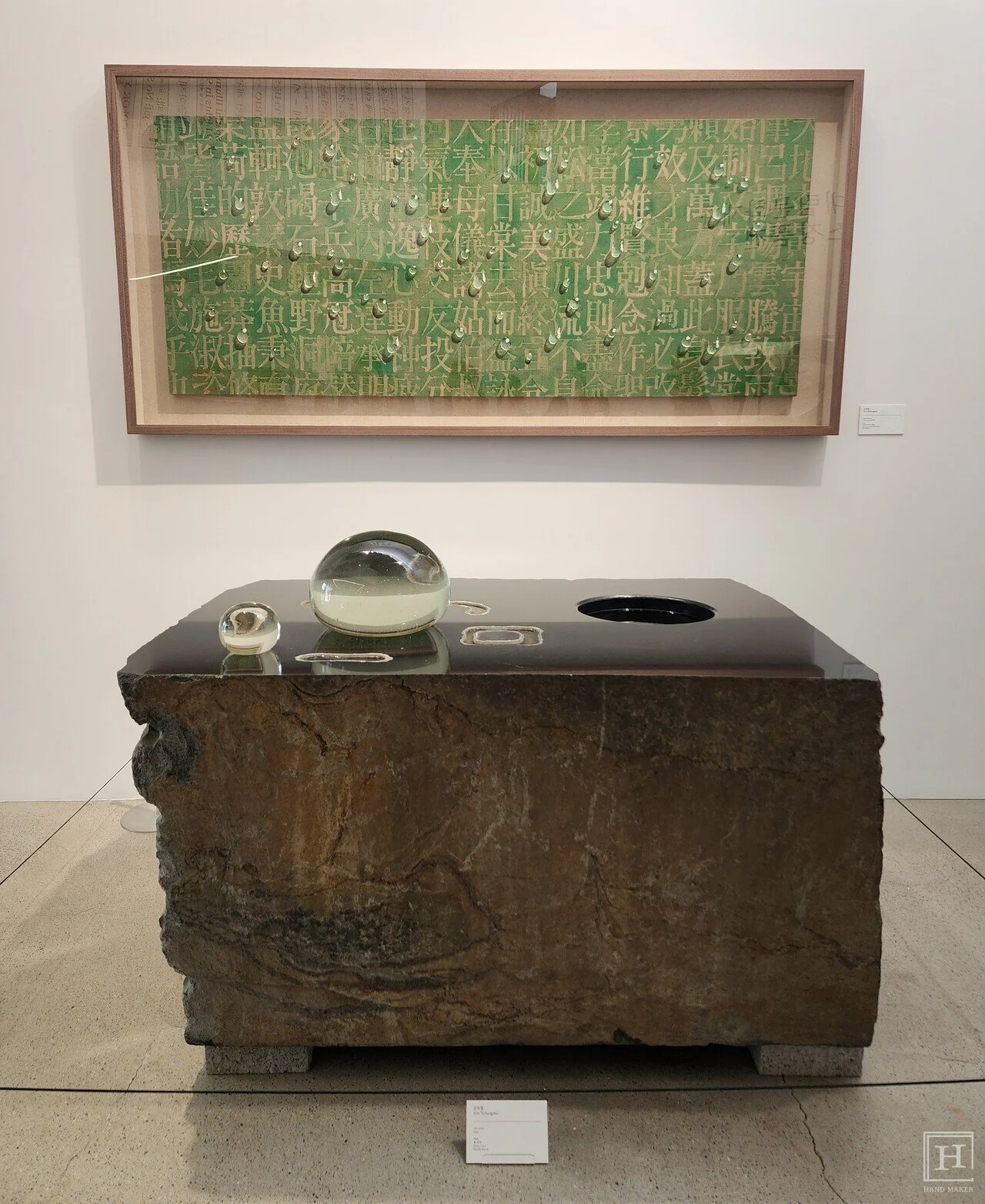
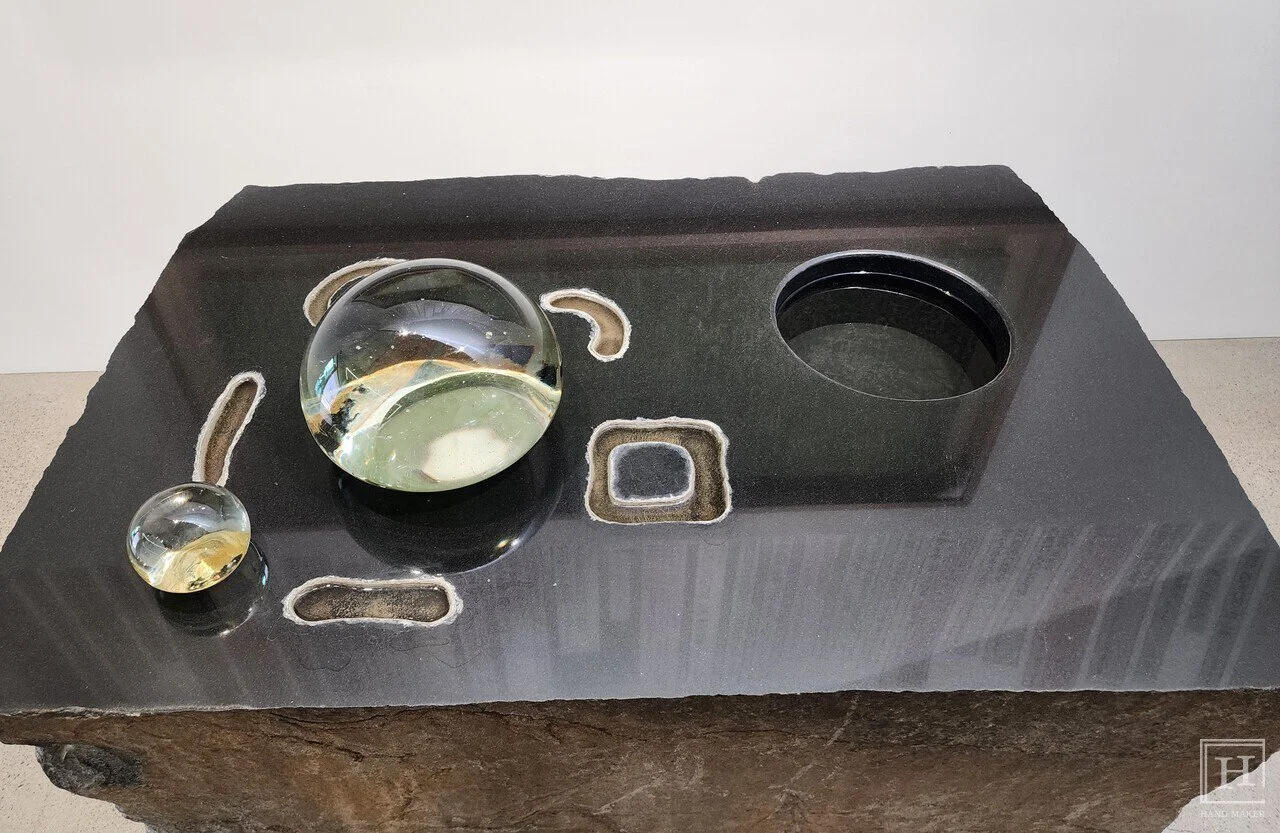
On one side of the first floor, paintings and sculptures by Kim Tschang-yeul, who participated in the opening exhibition of the Hanlim Museum of Art—the predecessor to Daelim Museum—greet visitors. The sculpture <Binada>, which is being unveiled for the first time in this exhibition, is a work where the artist, who has traditionally painted water droplets on flat surfaces, has expanded them into a three-dimensional form. It also carries the meaning of connecting the foundation's starting point to its current 30th anniversary.
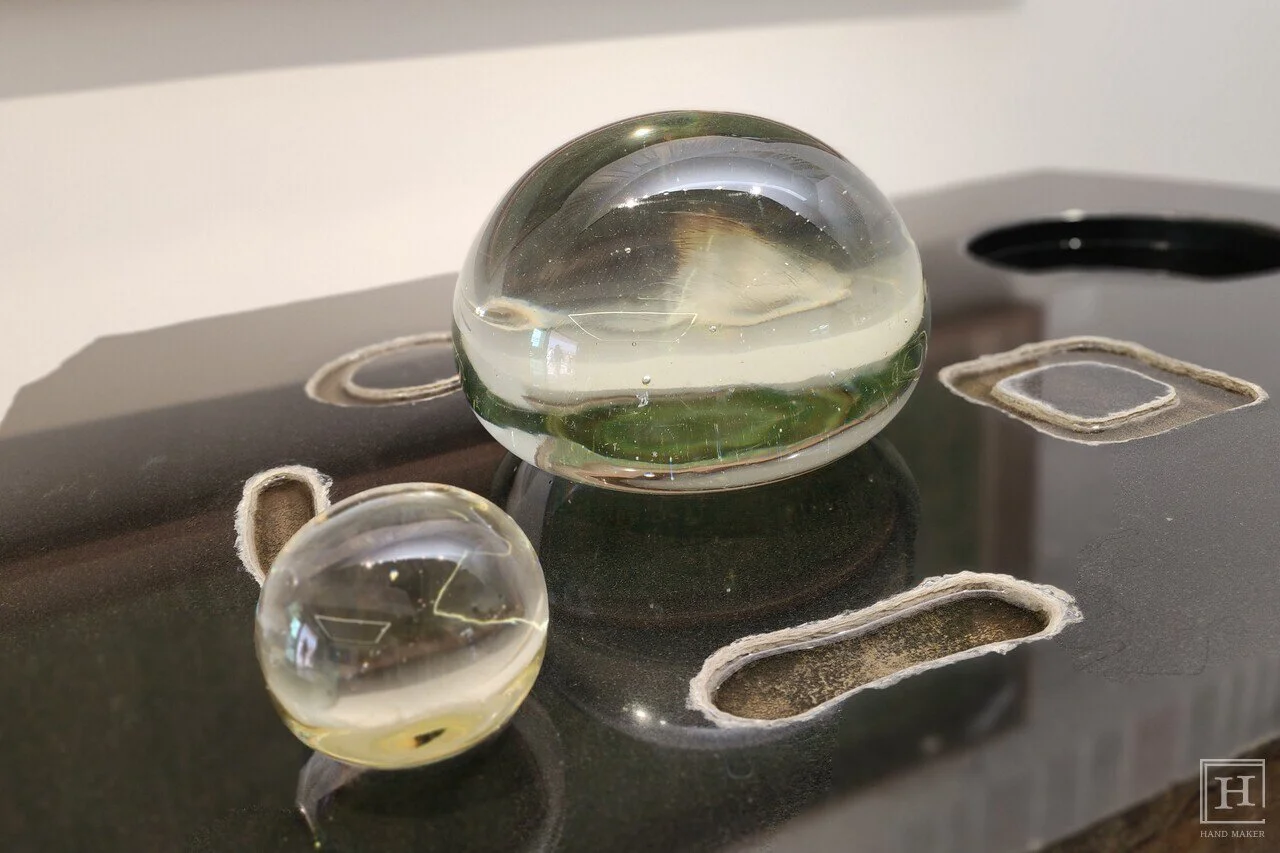
Painter Kim Tschang-yeul realistically expressed water droplets even on flat surfaces, and that sense of realism is also evident in his sculptures. In fact, the sculptures, which look as if water has actually flowed and gathered, were attractive enough to catch the eyes of visitors entering the exhibition hall.
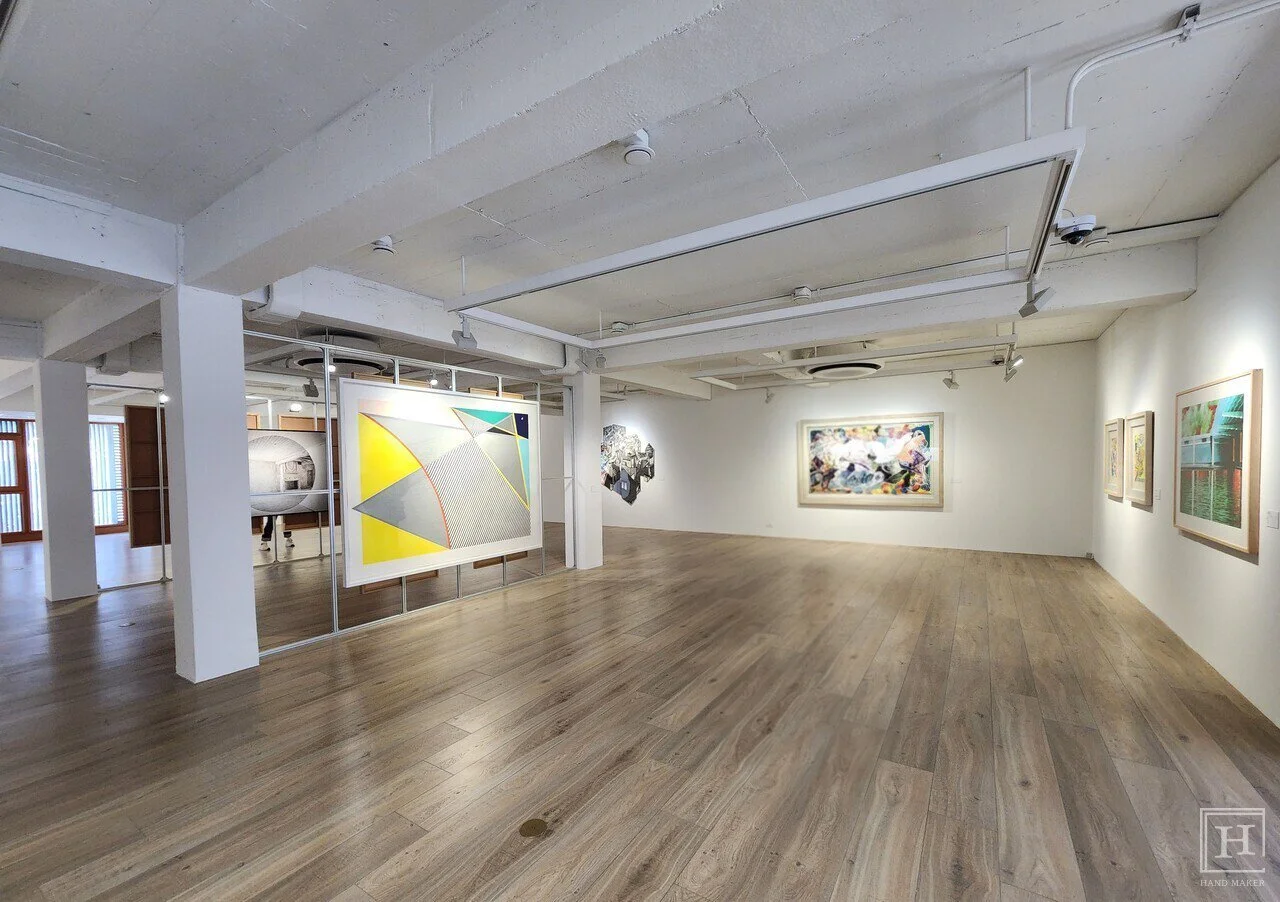
On the second floor, one can encounter works that interpret everyday objects such as landscapes, people, things, and spaces through a new perspective.
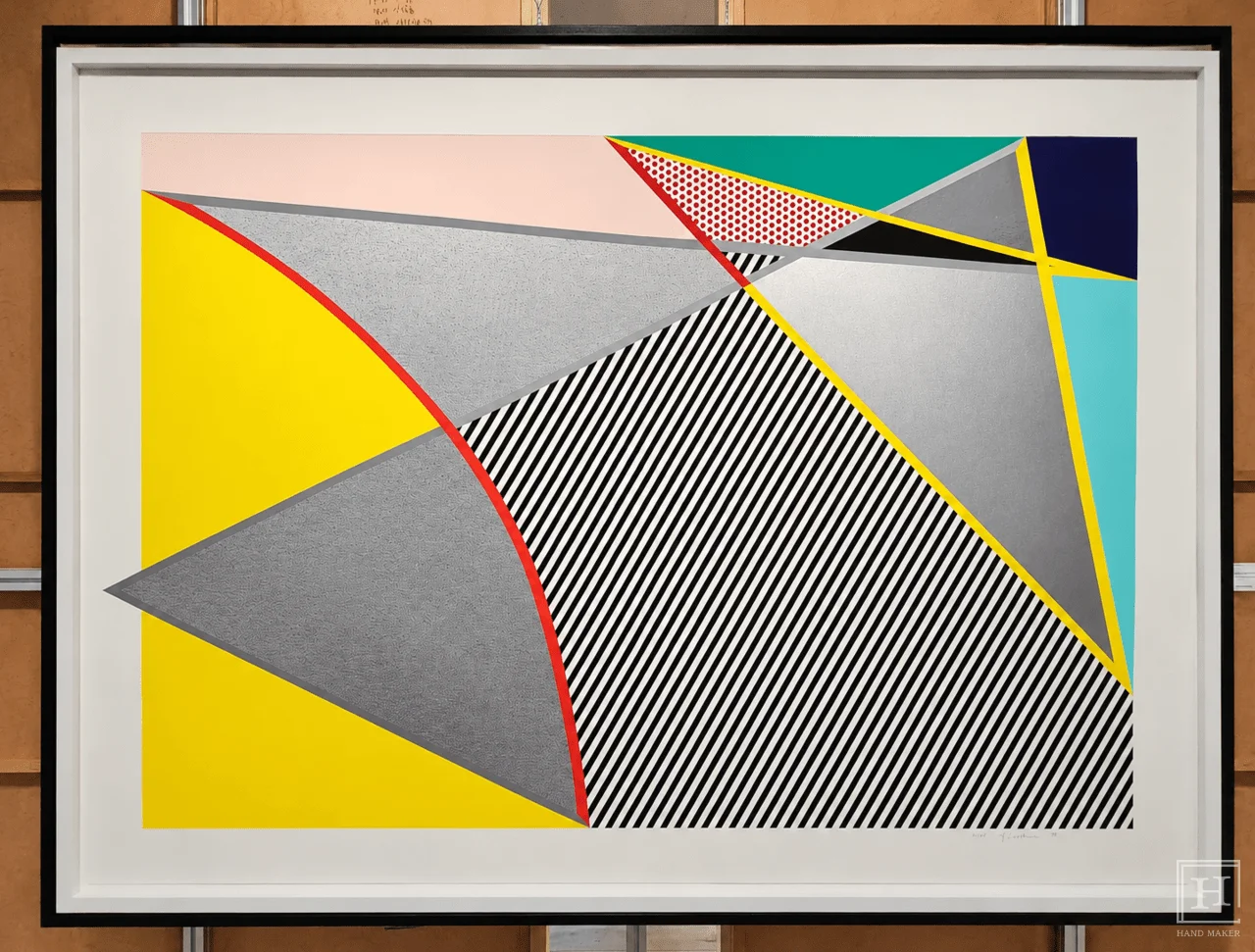
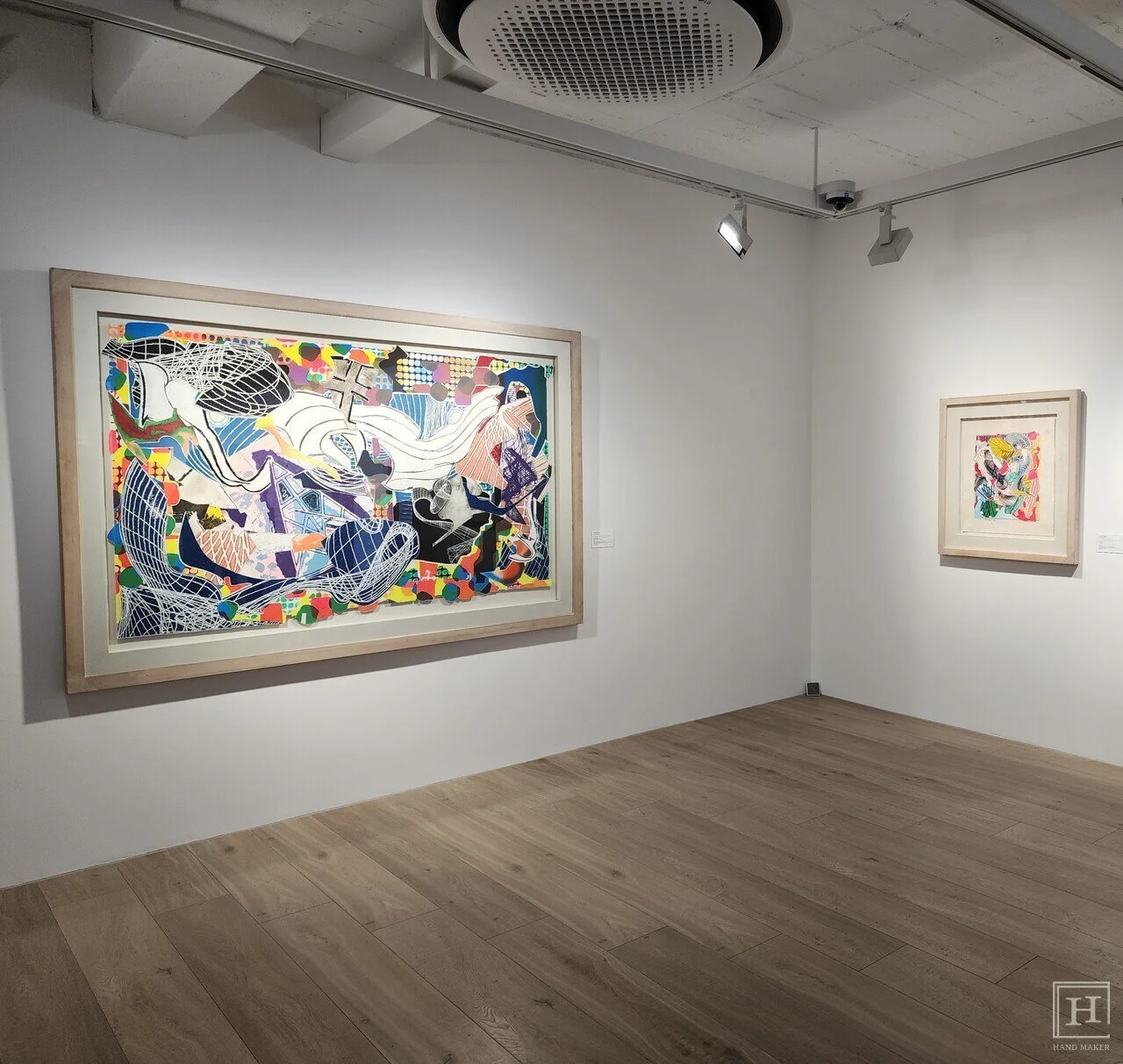
Pascal Monteil, Roy Lichtenstein, and Frank Stella express everyday landscapes through their own formative languages. These are works with abstract yet vibrant colors that caused many visitors to stay for a long time upon entering the second-floor exhibition hall.
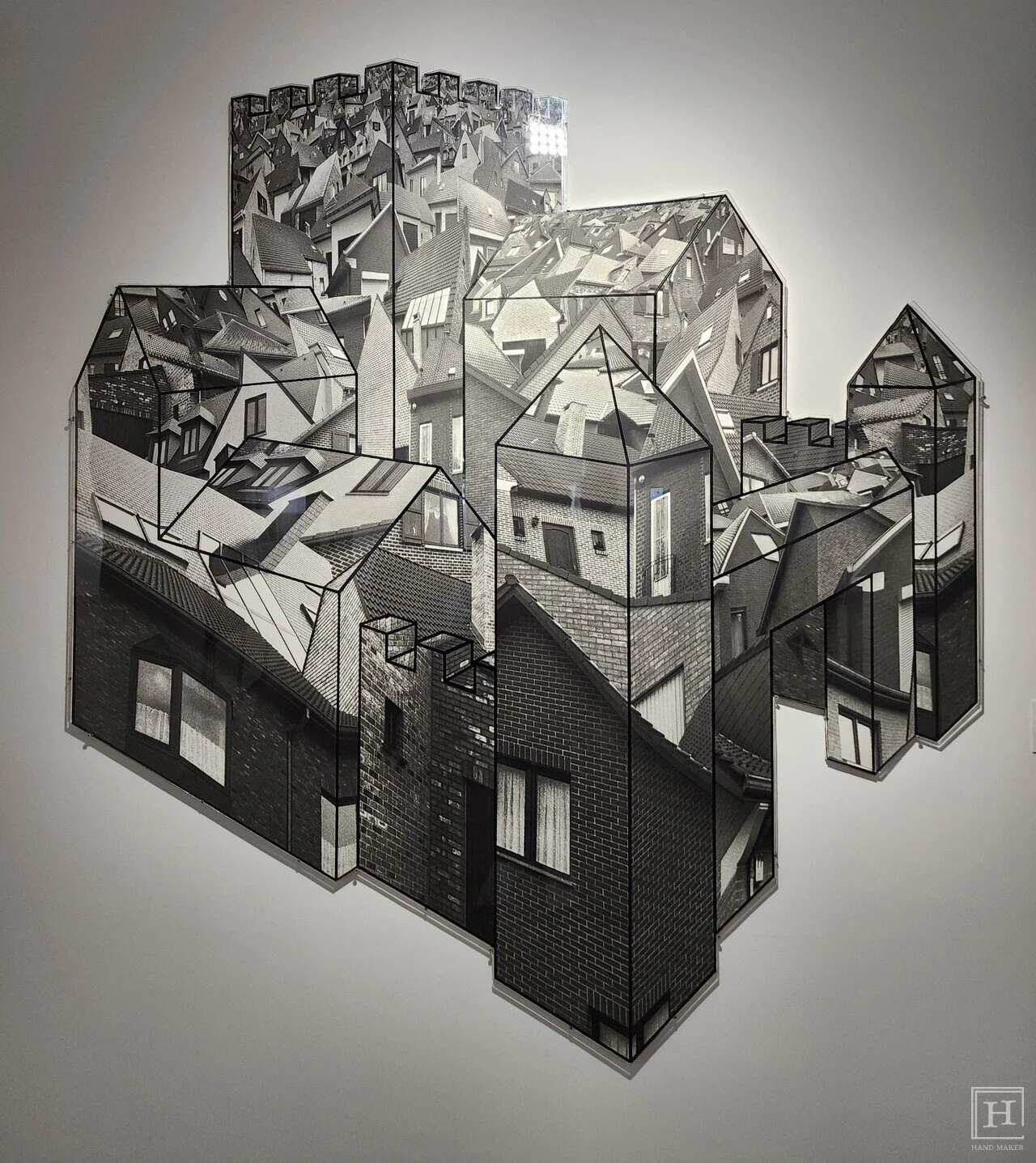
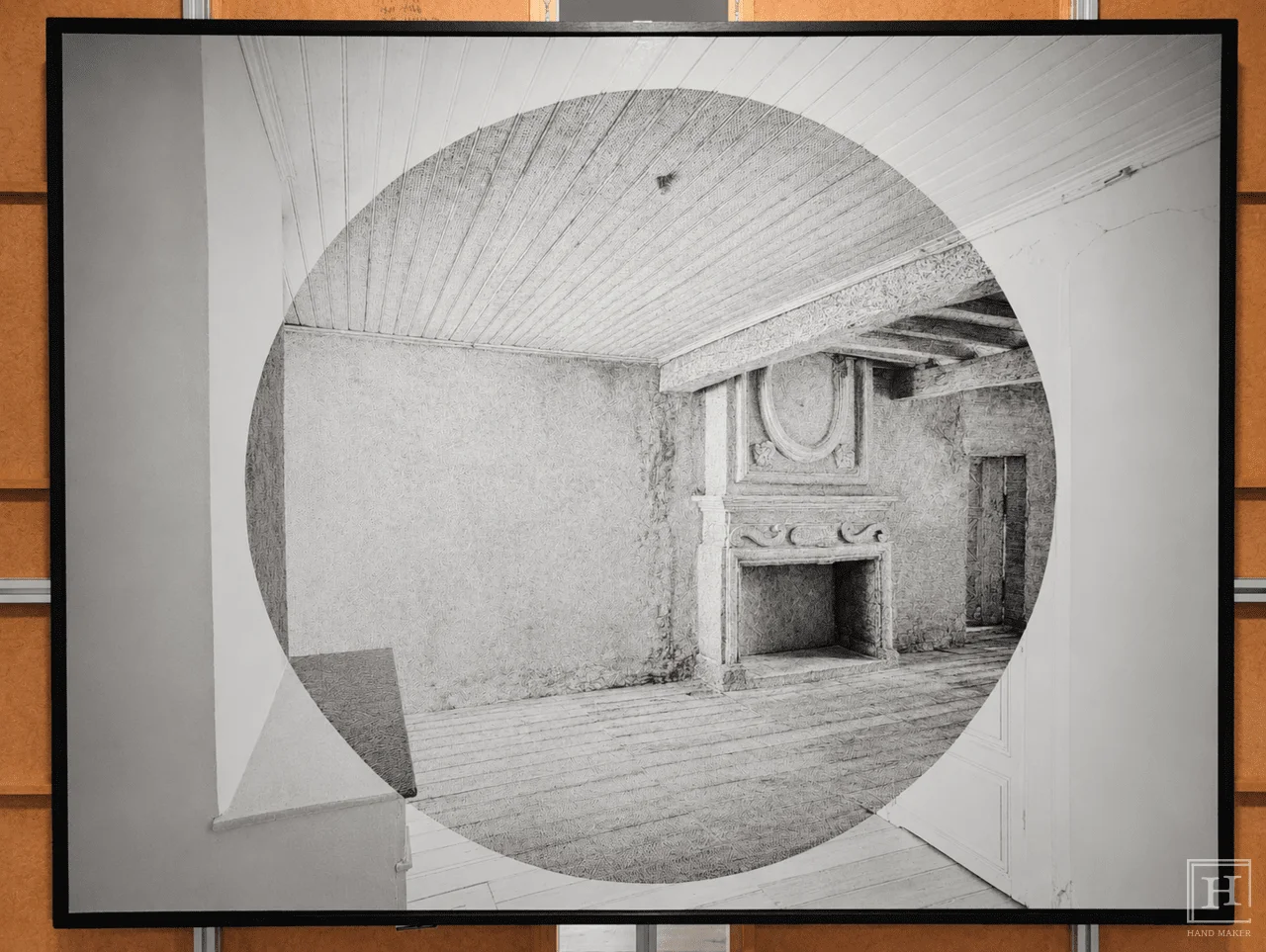
Koen Theys, Georges Rousse, and Lee Jung-jin reconstruct real places and scenes anew. Koen Theys arranges photographs of various houses within castle walls and house shapes drawn again with black lines, transforming the original house forms into distorted shapes. This makes one focus on the overall castle shape created by the work rather than the houses in the photographs.
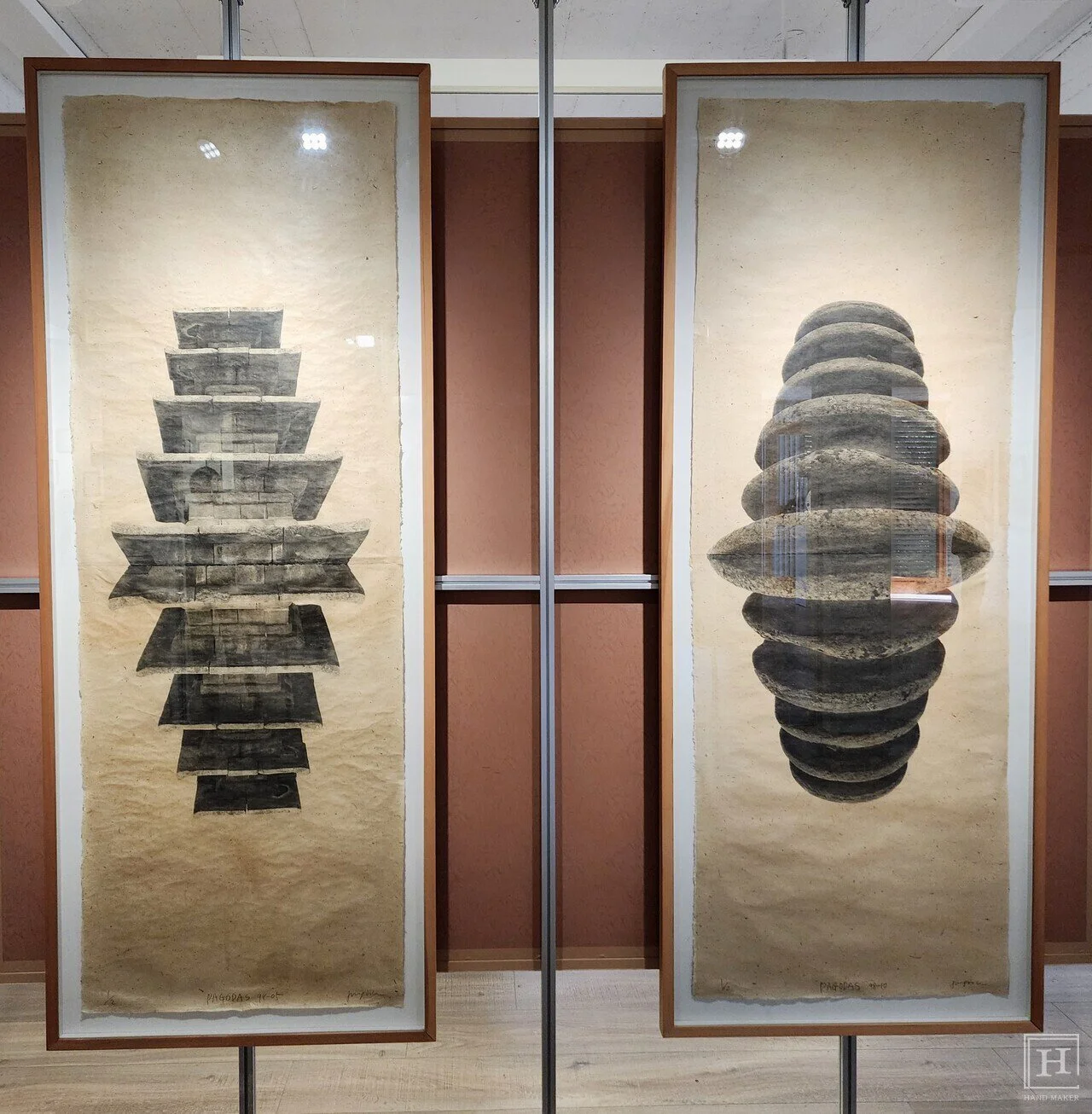
Georges Rousse also places circular shapes within interior landscapes that appear to be drawn in meticulous detail with a pencil, giving the impression of a single space that feels separated. Through works printed on Hanji, artist Lee Jung-jin provides an aged feel, where a single tower seems to face itself based on a center line. Due to the peculiar forms, visitors could not take their eyes off these works either.
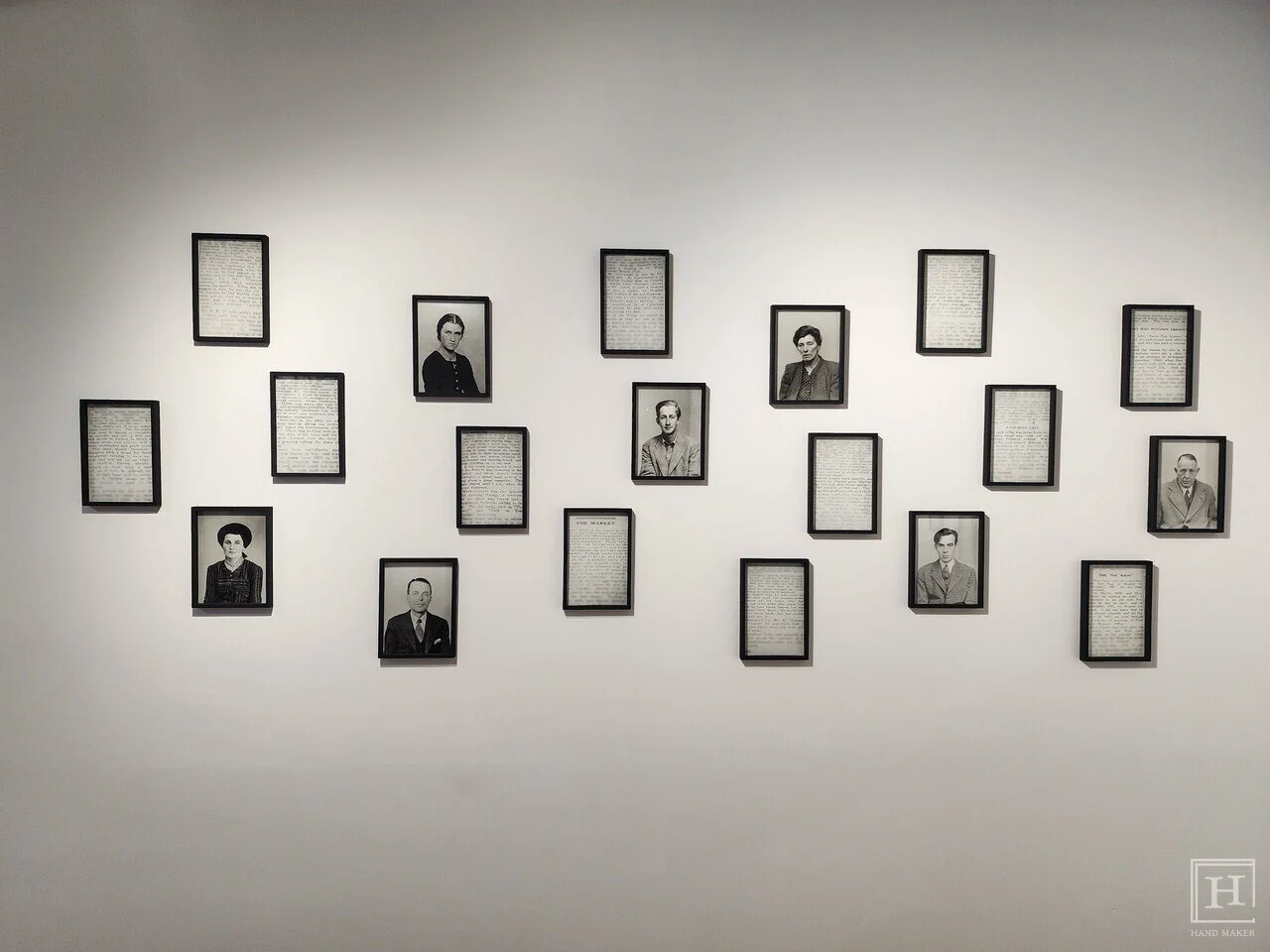
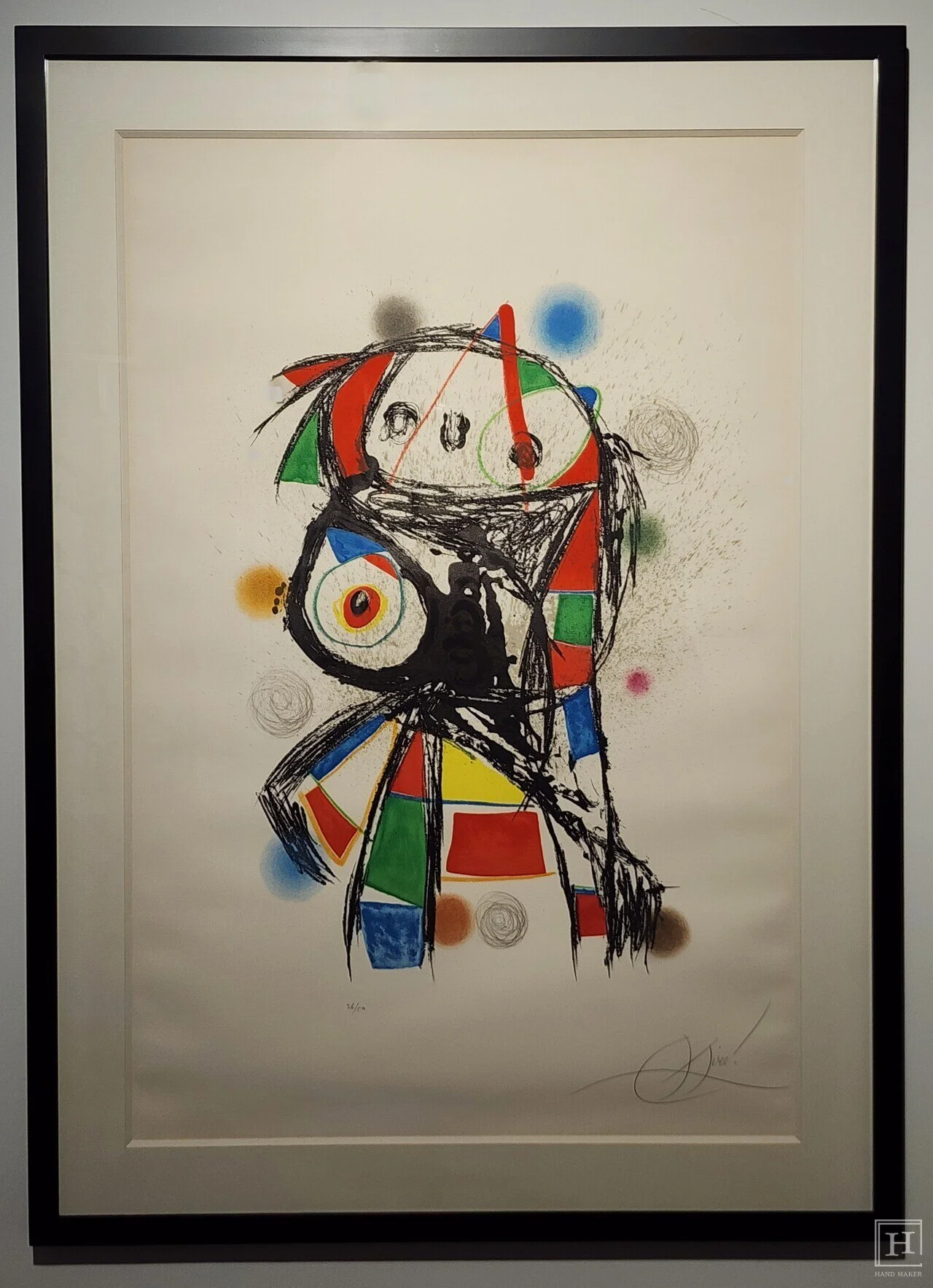
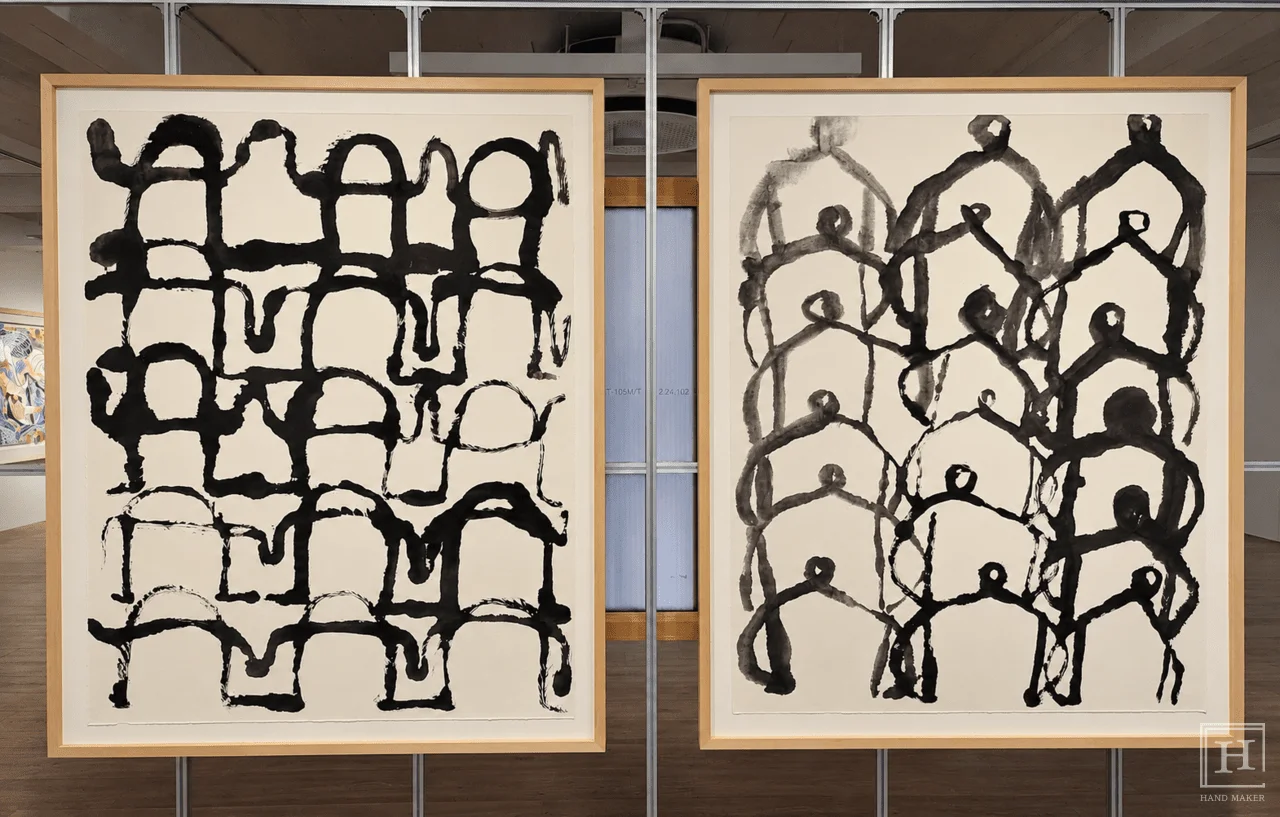
Works by Joachim Schmid, Suh Se-ok, and Joan Miró, who express the human form and existence in their own ways, are also introduced. Joachim Schmid's work features black-and-white photographs of various individuals alternating with text. It arouses curiosity about the relationship between the people in the photographs and the text, allowing one to imagine a person's life and story.
One can also encounter the work of Suh Se-ok, the father of artist Do Ho Suh, who is noted for installation works that reproduce homes and spaces. His work, which was also introduced in the previous 《House of Taste》 exhibition, is impressive in its appearance, as if several people are connected by a single line. As a pioneer of Korean ink wash abstraction, he integrated the brushstrokes of calligraphy into painting to express human forms and relationships in a concise yet philosophical manner.
Joan Miró's works are a blend of black lines and vivid colors such as red, blue, and yellow. While the freely extending lines and geometric shapes somewhat evoke the human form, they also provide an innocent and cheerful feeling, much like a child's drawing.
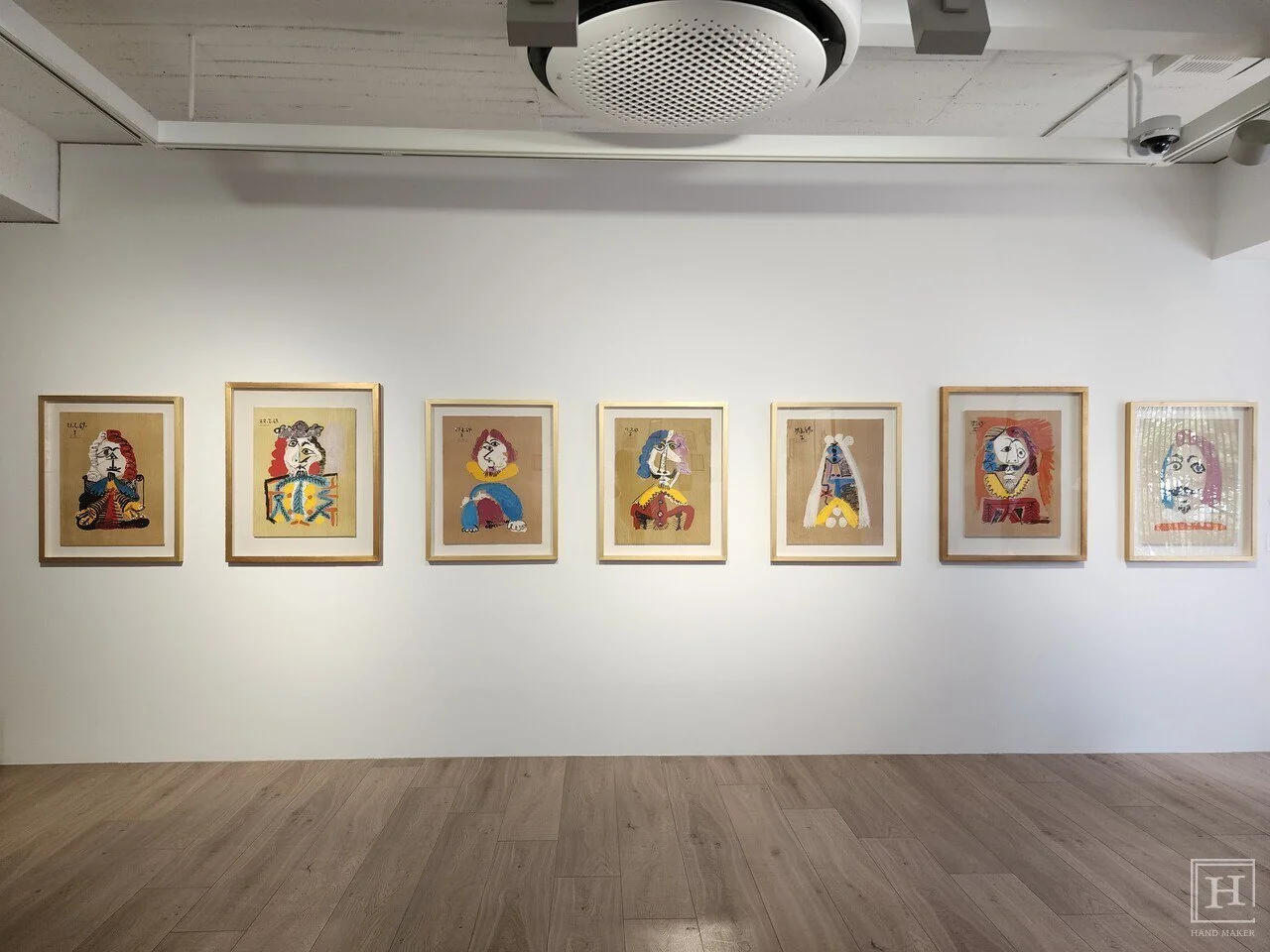
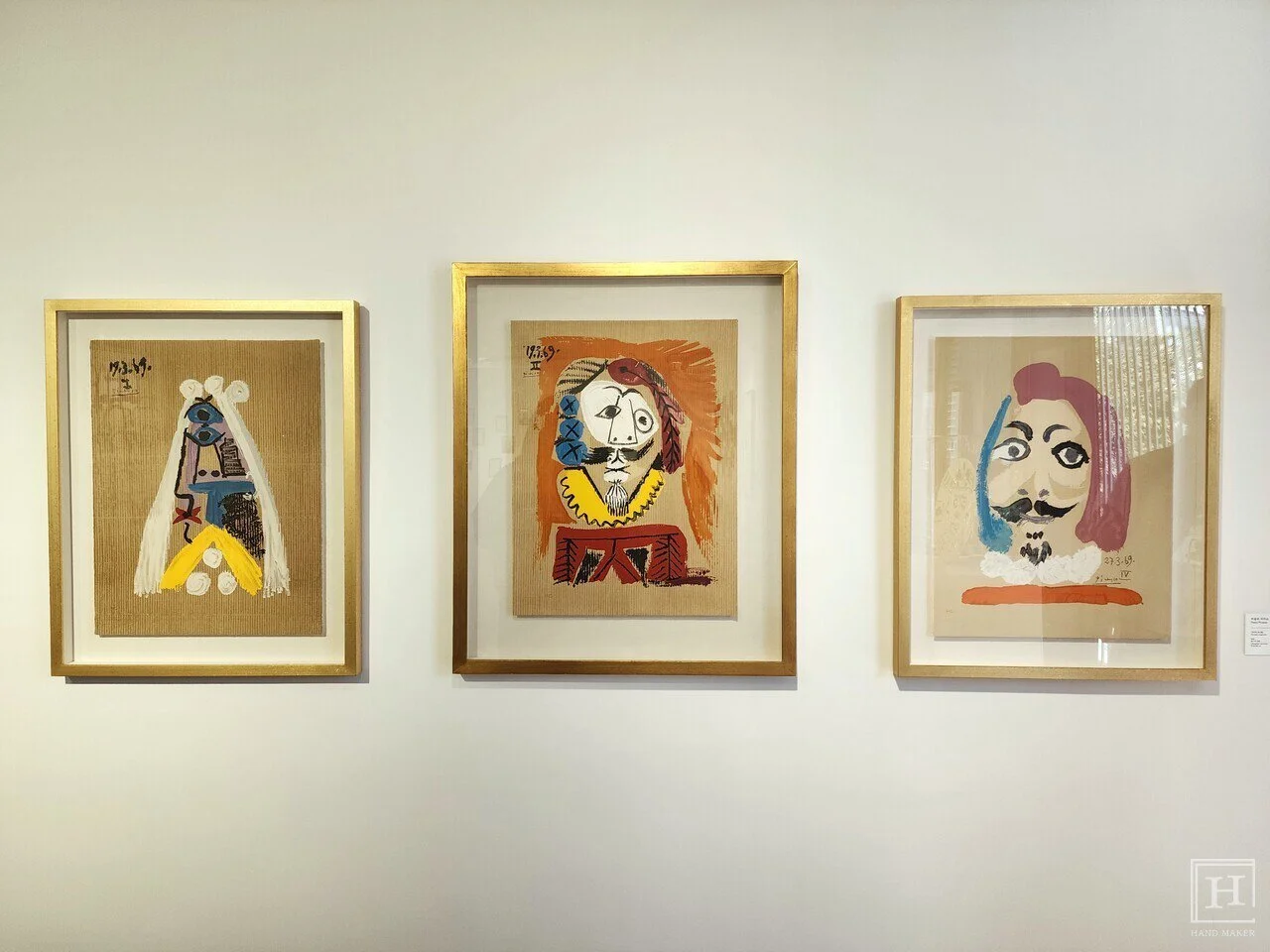
The most popular works on the second floor are, as expected, those of Pablo Picasso, who was called a legend of Cubism. 〈Imaginary Portraits〉, which was revealed in the 《House of Taste》 exhibition, is a work reproduced as a lithograph using cardboard boxes, oil paintings, and gouache. Although he is a master who has already gained fame, the work is highly commendable in that he has constantly engaged in artistic experimentation.
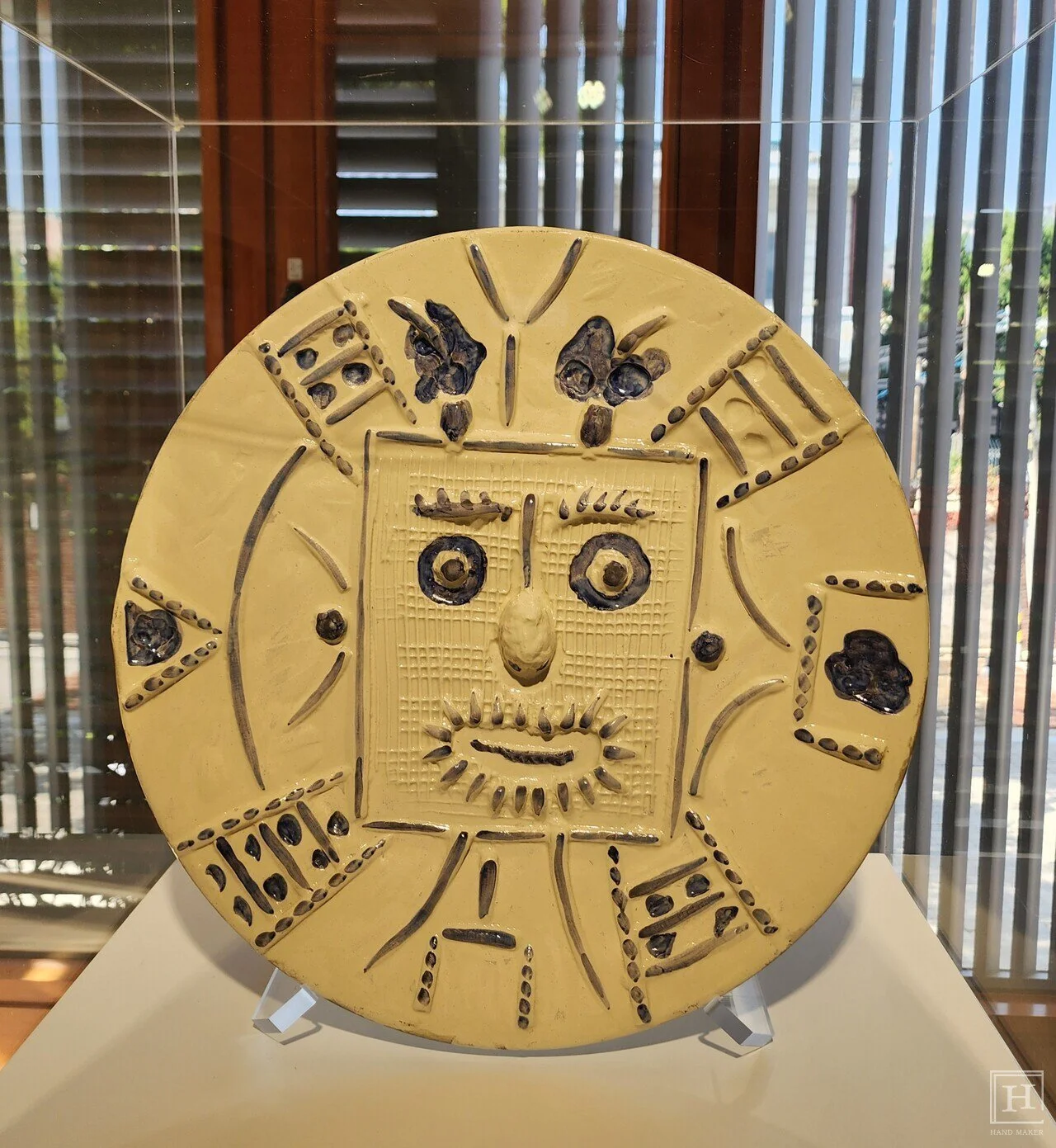
〈Face in a Square〉 is interesting in that the flat painting seems to come alive with three-dimensional depth because it is a ceramic work. A square frame was created on a round ceramic plate, and a person's face was expressed within it; the contours of the eyes, nose, and mouth stand out, giving a different feeling depending on the viewing angle. One can glimpse Picasso's experimental spirit, which did not stop at painting but expanded the realm of art to everyday materials like ceramics.
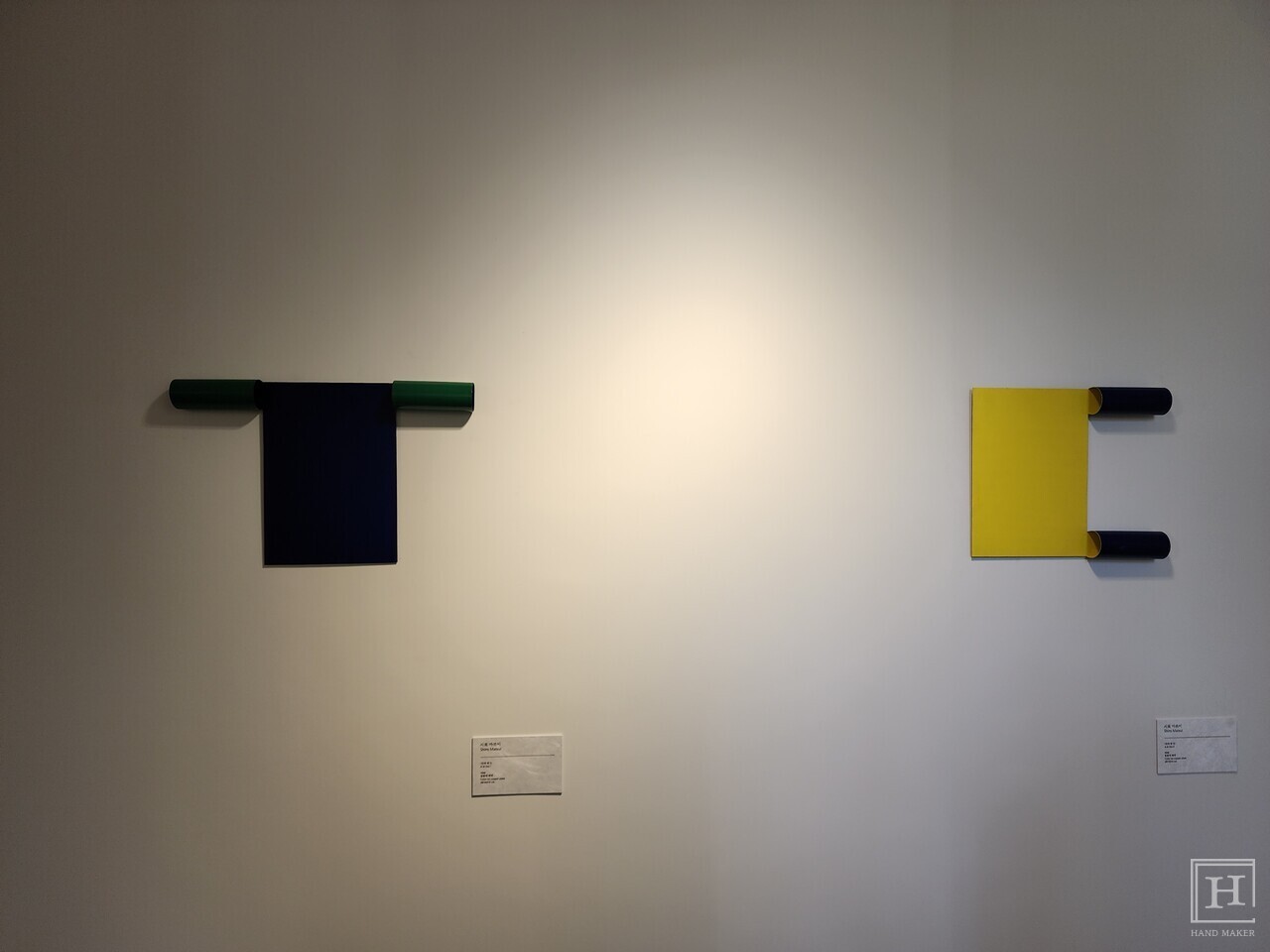
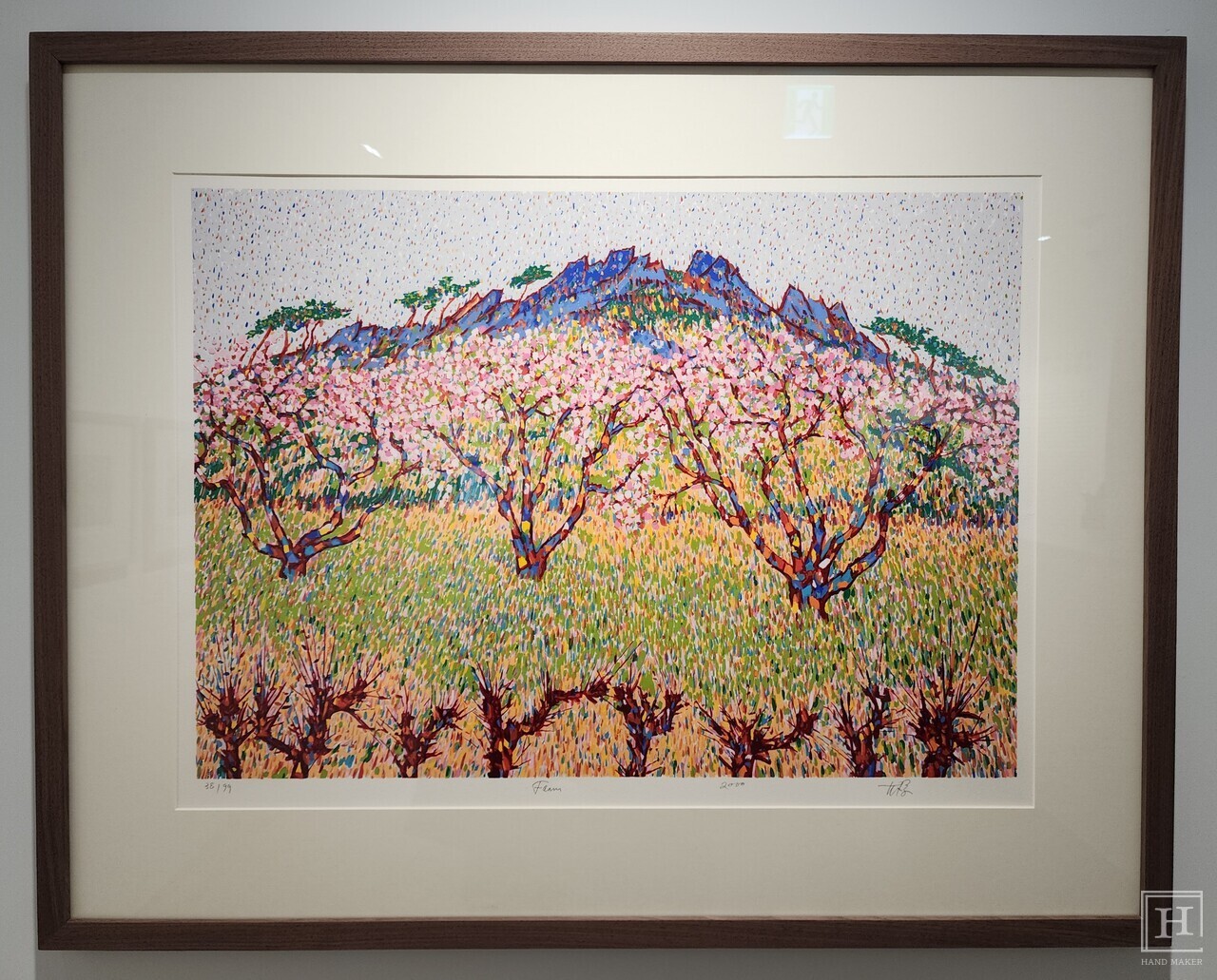
Shiro Matsui expands the perception of the inside and outside of space and its boundaries, while Tae-wŏn Yi captures the vitality of nature and humans on the canvas. Shiro Matsui's 〈Inside and Outside I〉 and 〈Inside and Outside II〉 combine black and yellow planes with cylindrical structures, allowing one to feel space and three-dimensionality even within simple forms. Tae-wŏn Yi's 〈Farm〉 conveys a bright and lively spring landscape through numerous colored dots representing trees in full pink bloom and green mountains.
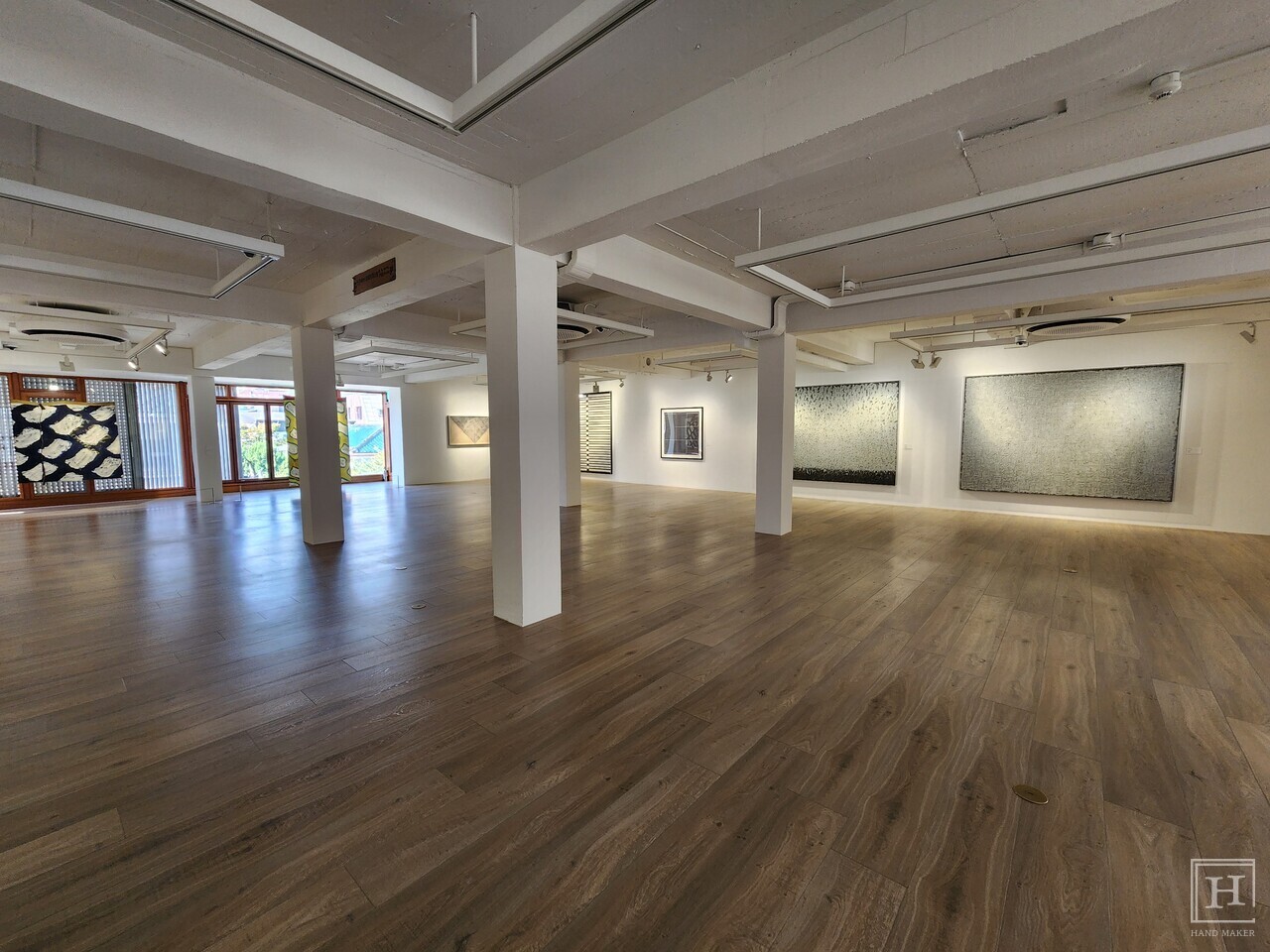
On the third floor, works that focus on basic formative elements such as dots, lines, planes, repetition, and empty space rather than specific subjects follow. Perhaps because of this, the exhibition space feels a bit more relaxed and spacious. The arrangement is impressive, leaving sufficient empty space between works so that one can more immersively appreciate Dansaekhwa and abstract paintings. It allows one to slowly linger their gaze, whether looking closely at a work or appreciating the overall composition from a distance.
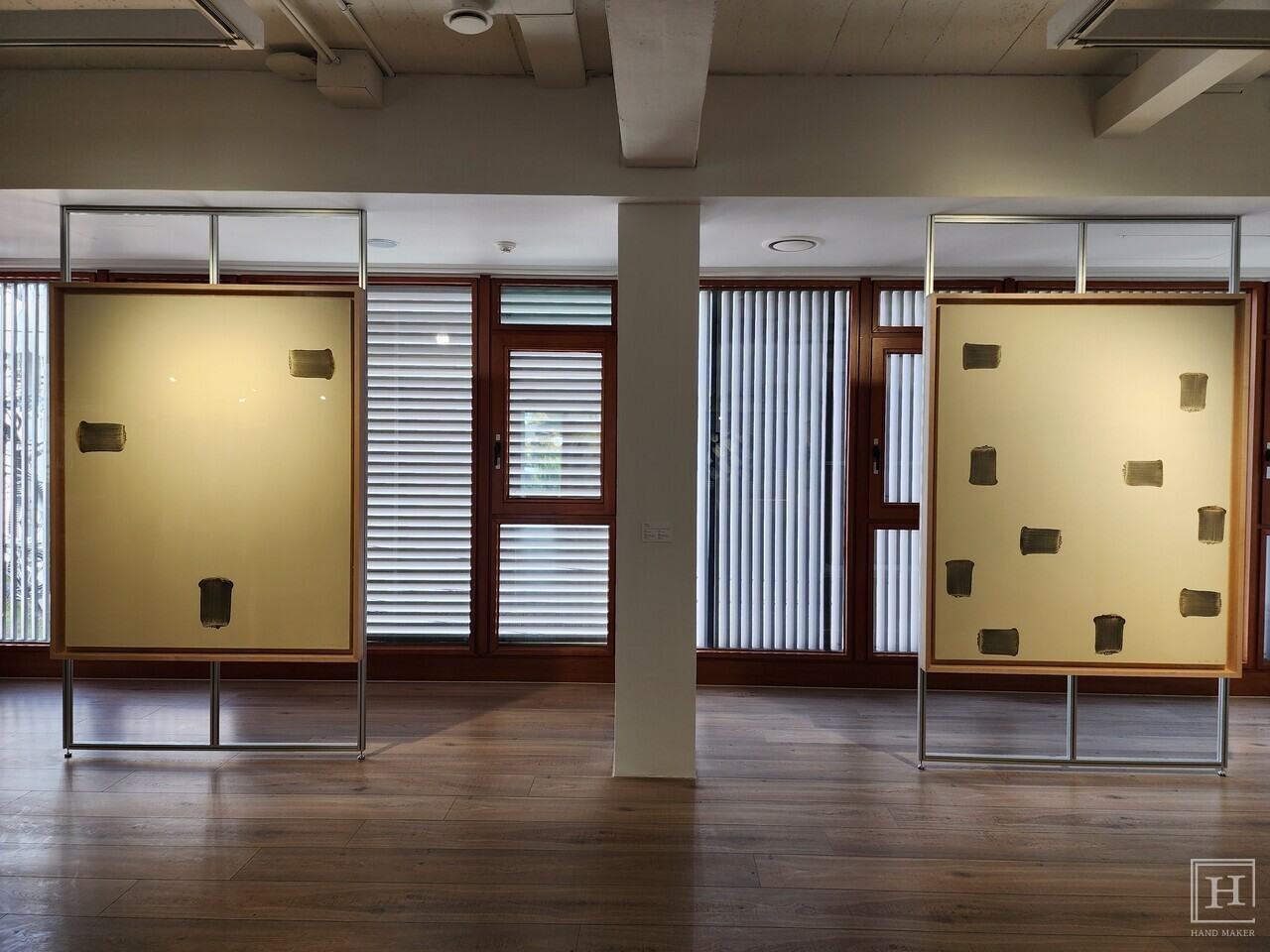
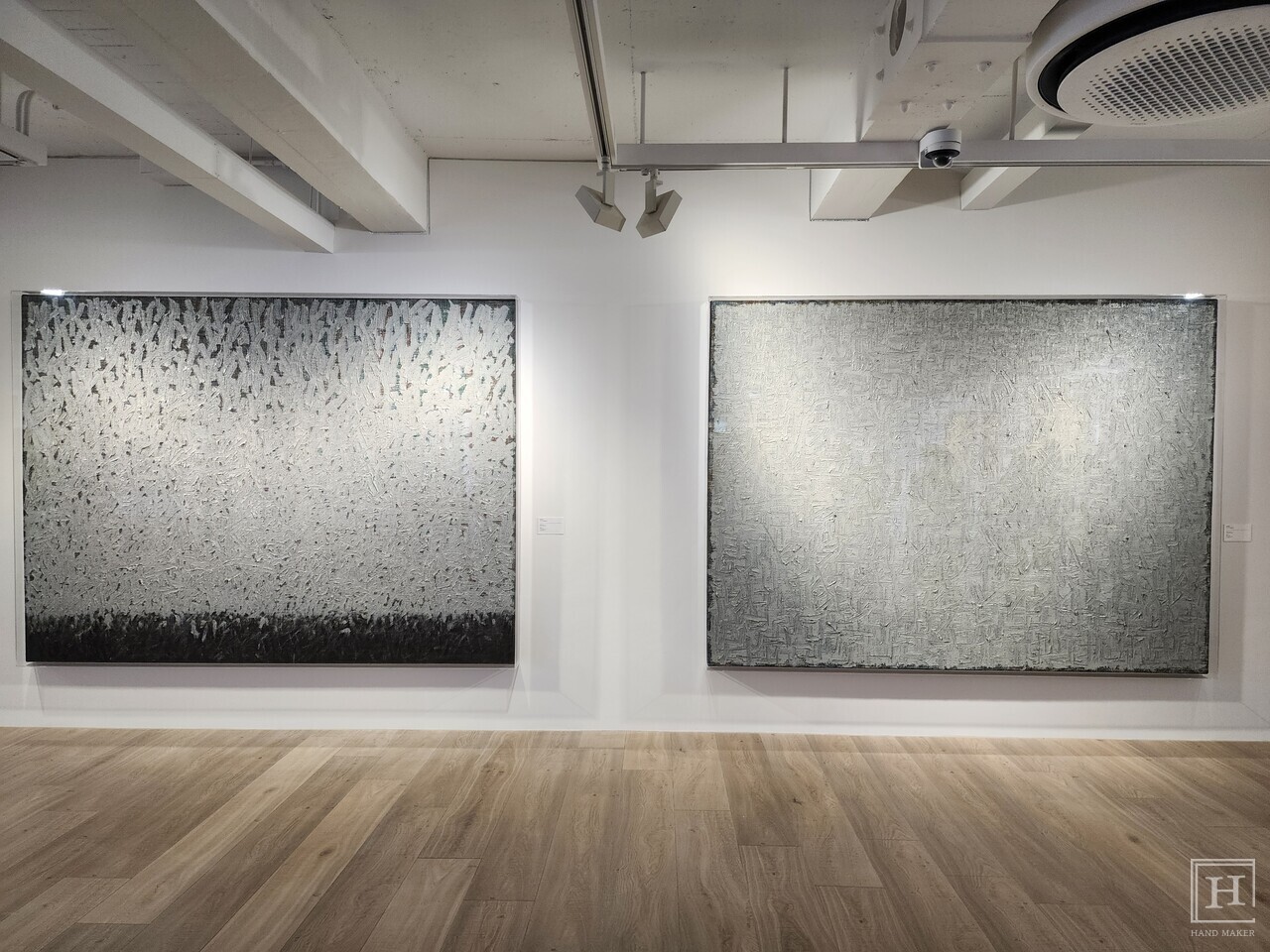
Lee Ufan, Ha Chong-hyun, Kim Woong, and Lee Seung-jo explore the order of the screen and space through restrained expression and repetition. As is well known, artist Lee Ufan shows a simple yet deep world of work with minimal brushstrokes and wide empty spaces. Artist Ha Chong-hyun also leaves unique textures and traces of repetition through the back-pressure method, pushing paint from the back of the canvas.
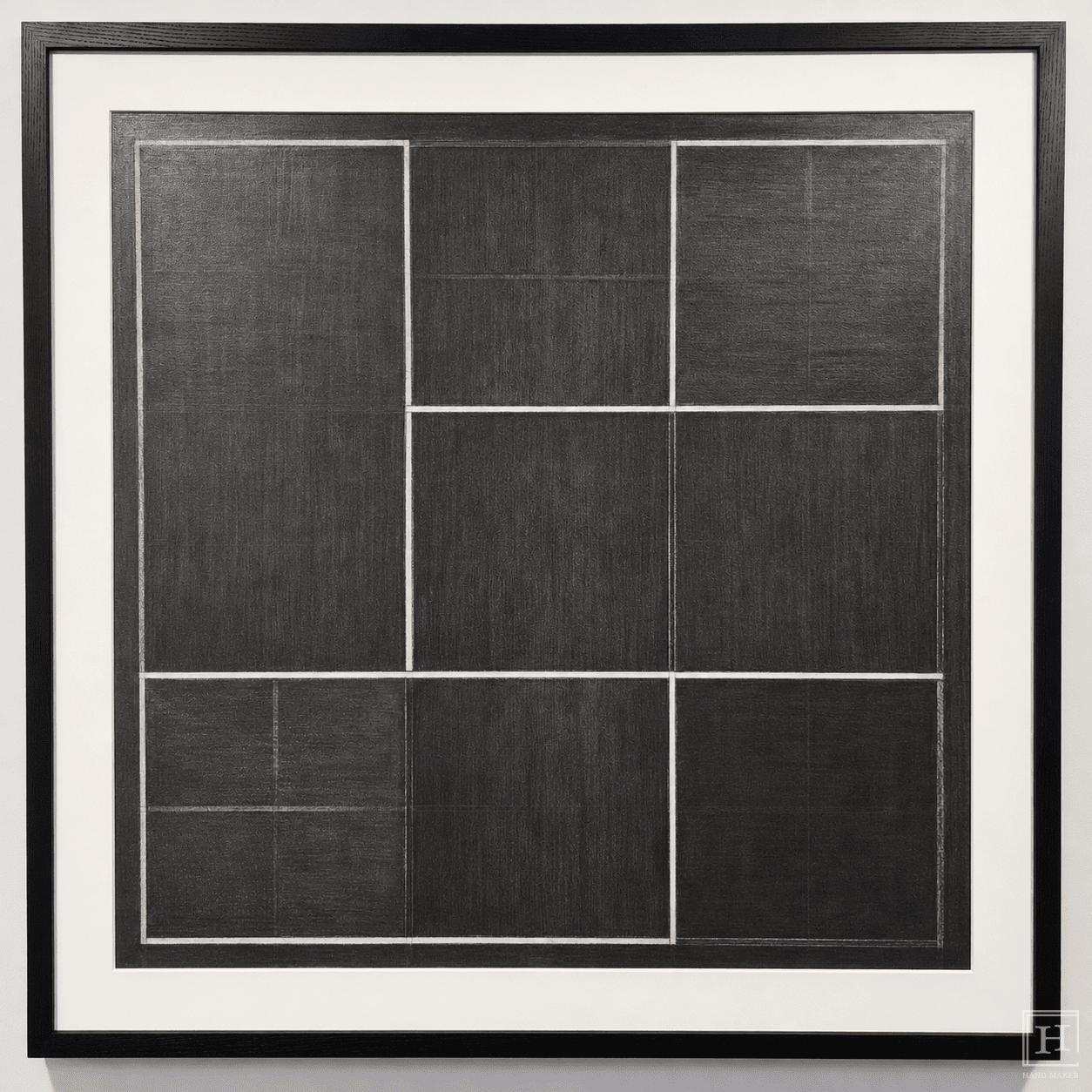
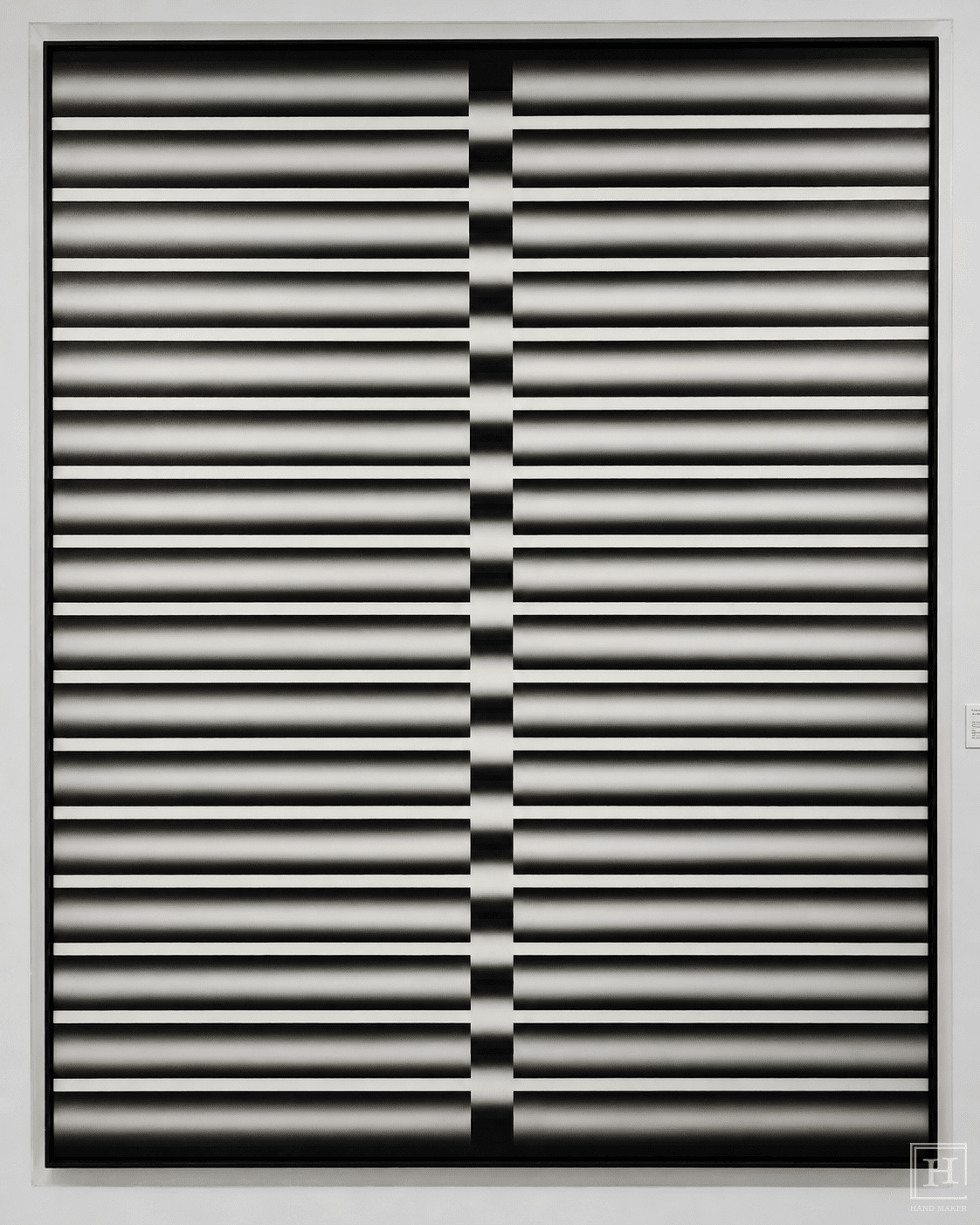
Artist Kim Woong fills rectangular shapes with pencil while revealing parts of white lines, creating subtle changes within a simple screen. Artist Lee Seung-jo was the first to attempt and establish geometric abstraction in Korean art. Although they look as clean as if they were printed, one can feel a unique sense of three-dimensionality in that they are all drawings.
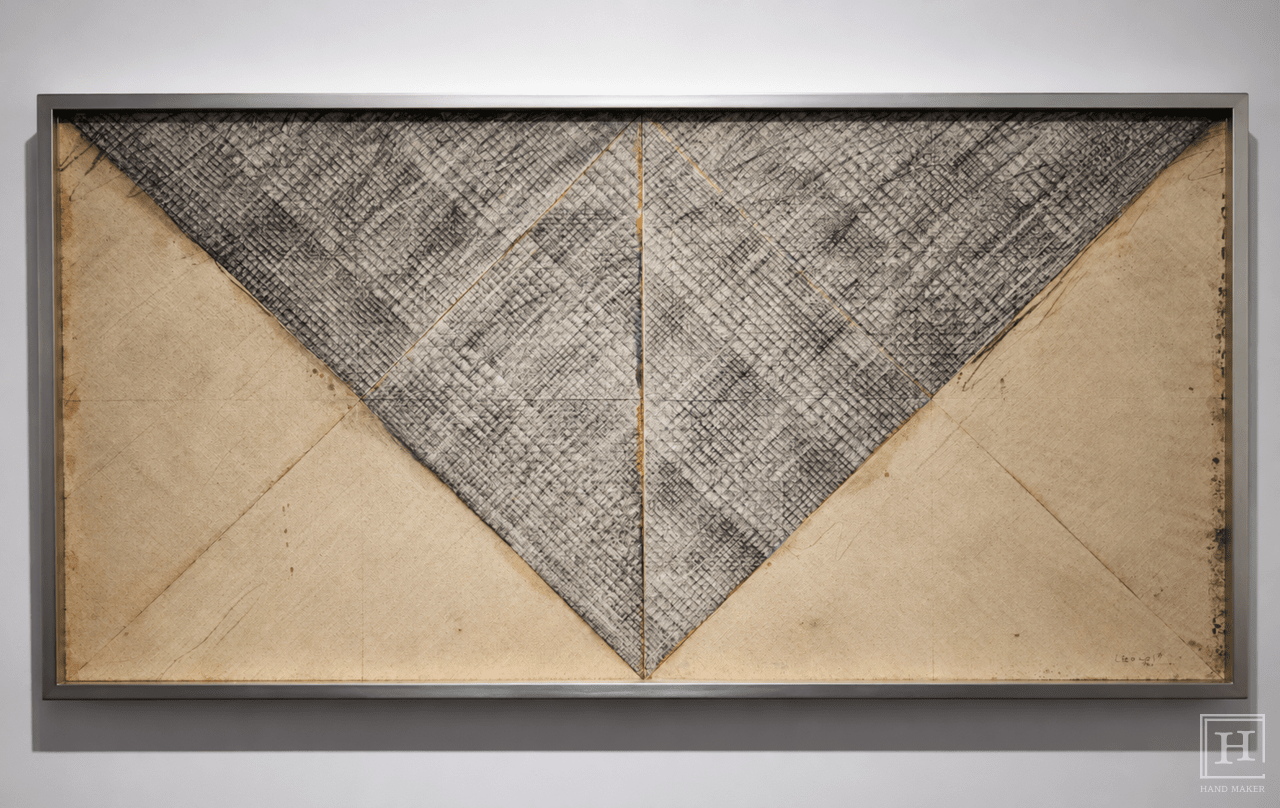
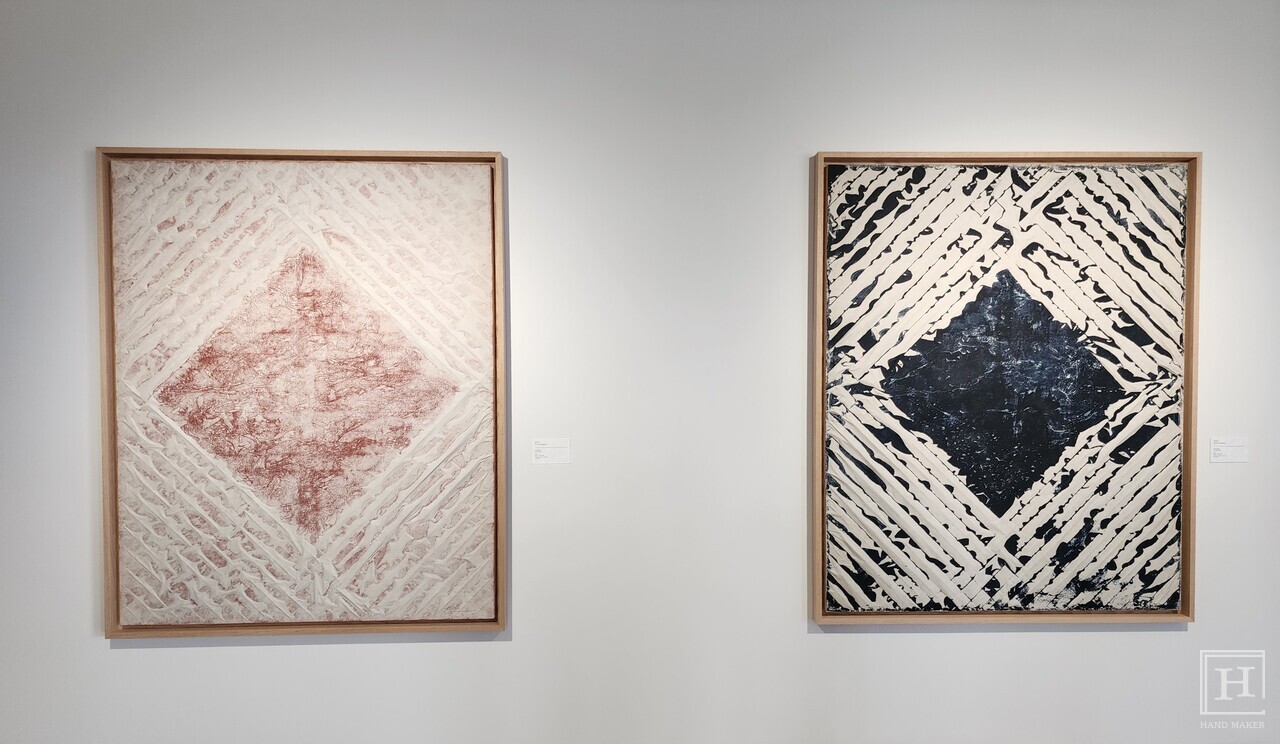
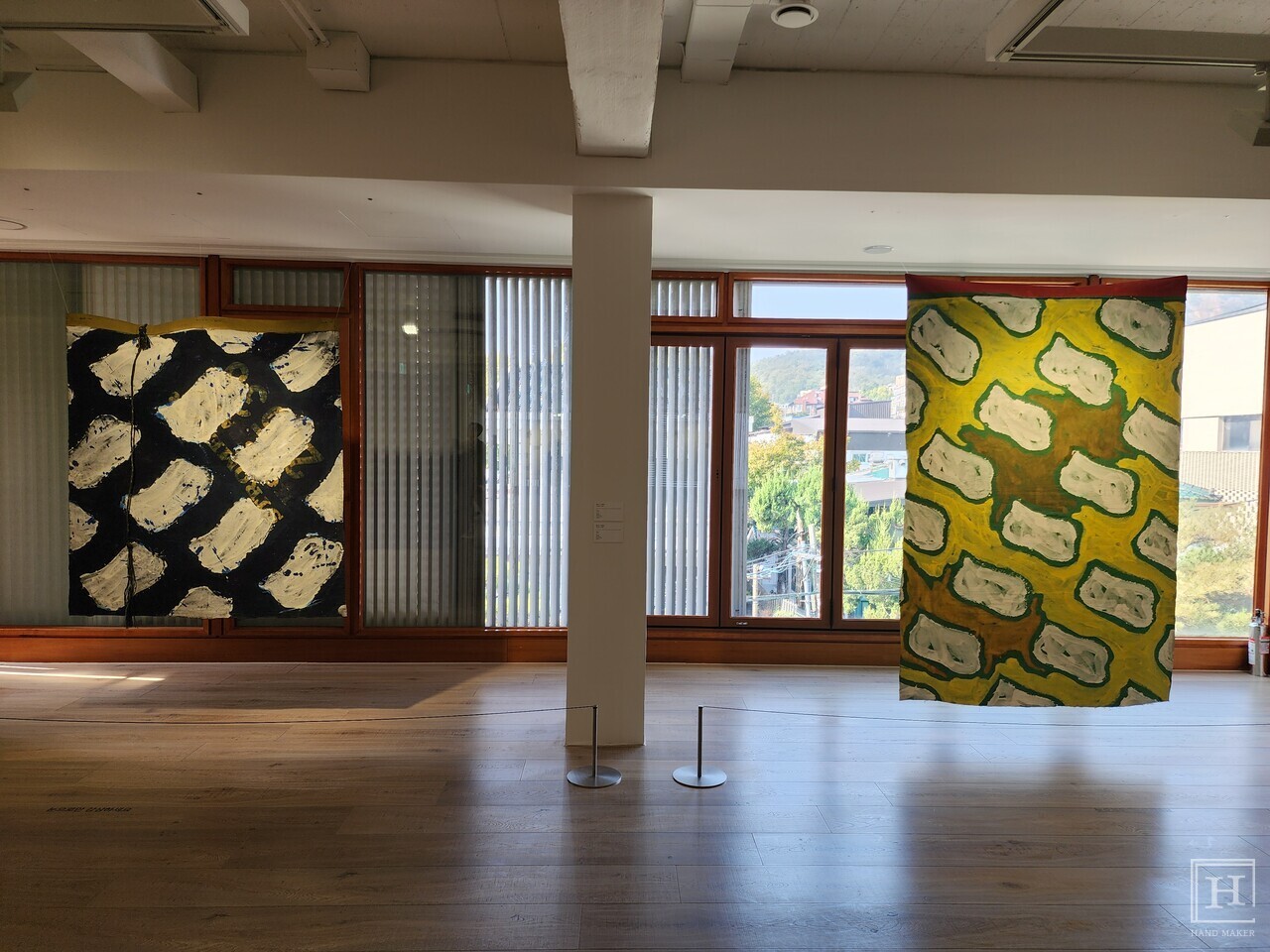
In the works of Lee Bong-yeol, Kwon Young-woo, and Claude Viallat, one can observe the physical properties of the materials and the traces left by repetitive working processes. Artist Lee Bong-yeol creates geometric order and unique textures on the screen through densely intersecting lines and triangular compositions. Artist Kwon Young-woo, through the 〈Untitled〉 works featuring two dots of different colors, shows the three-dimensional texture and changes in color that appear during the process of tearing and processing paper.
Artist Claude Viallat uses curtains, tarpaulins, and other items easily found in daily life instead of traditional canvases to repeatedly create cloud-shaped patterns. The exhibition method of hanging the fabric as it is without frames is also unique, and even within the repetition of the same forms, it creates different atmospheres depending on the color and background.
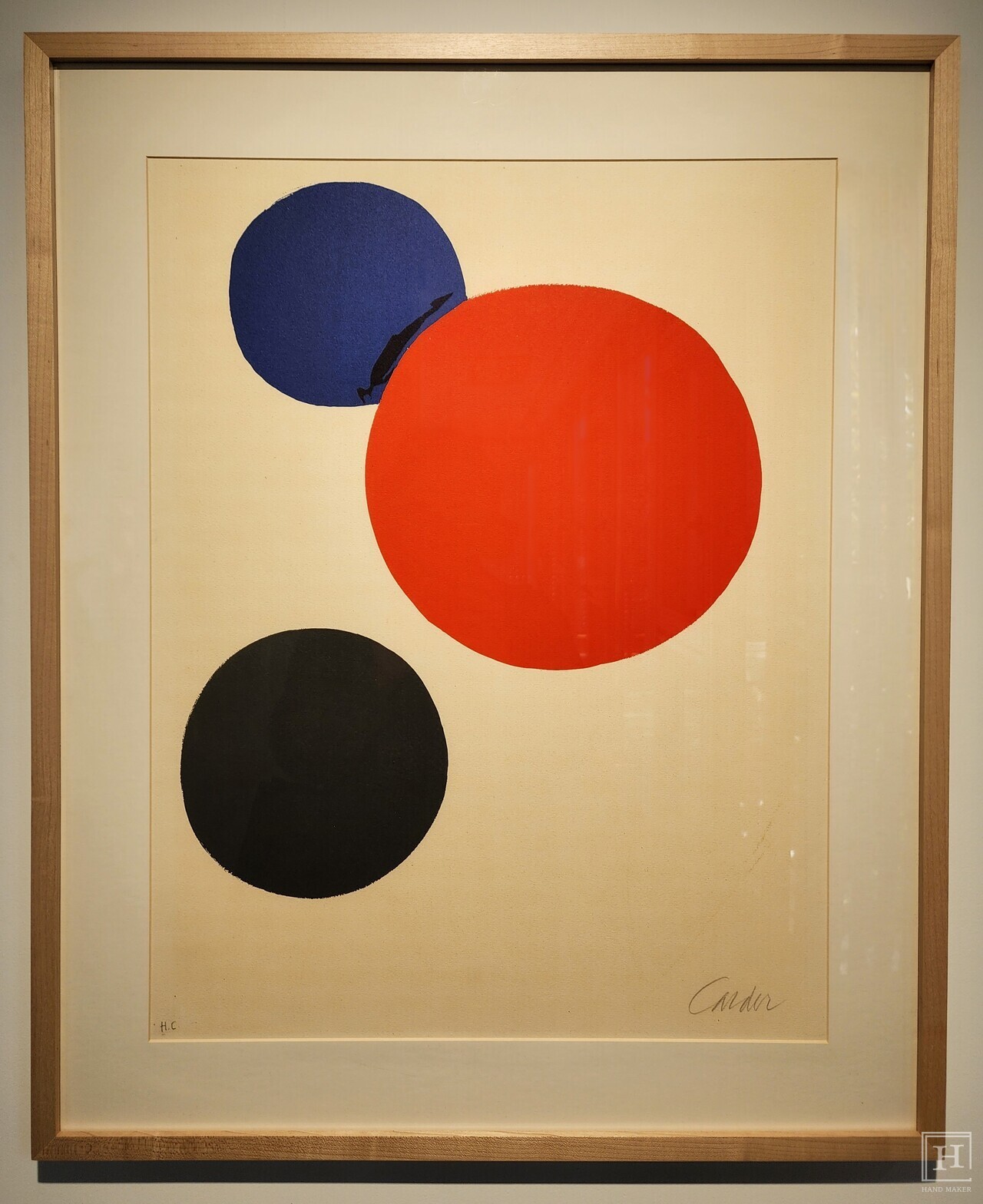
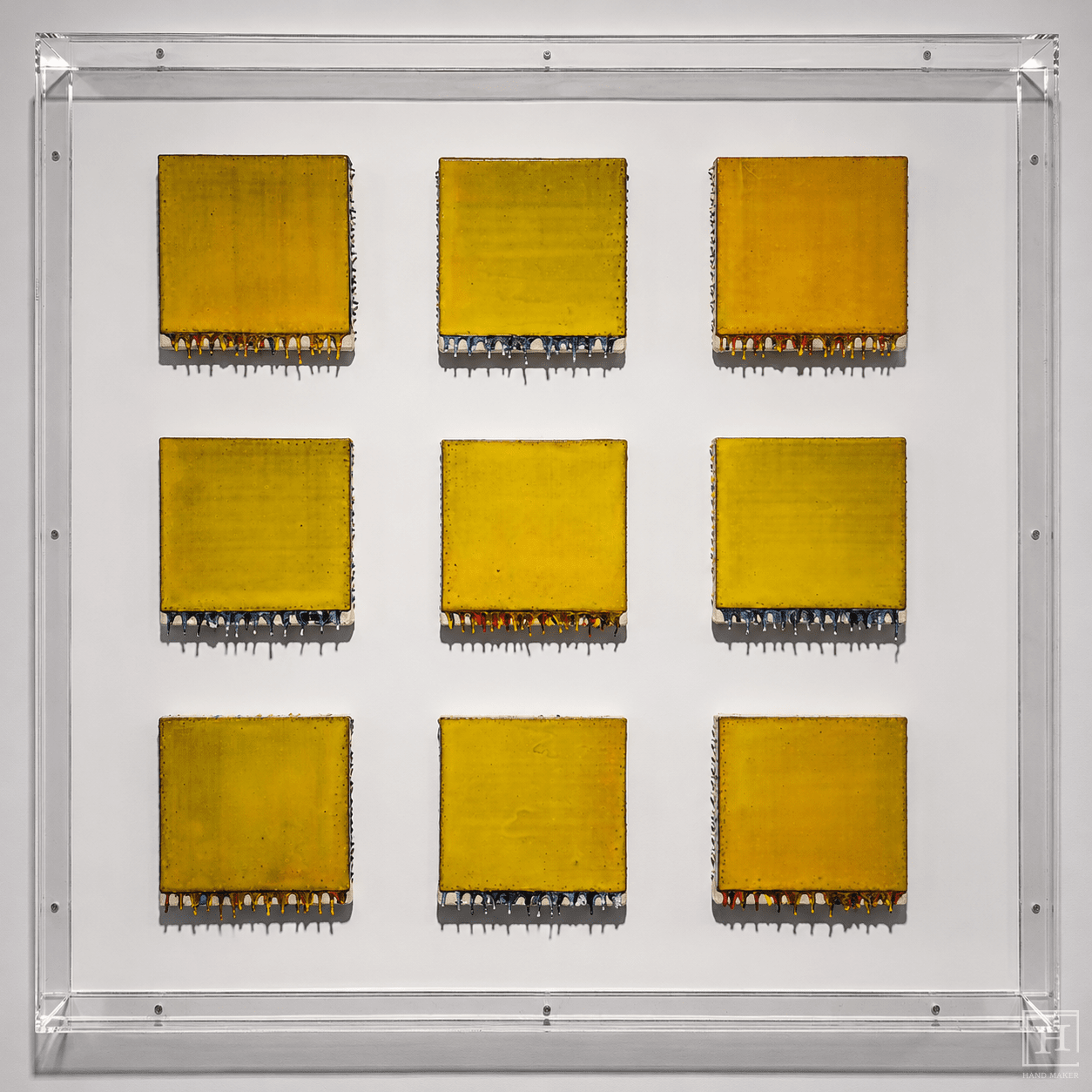
Alexander Calder and Tori Begg create formative balance and rhythm through the division and repetition of lines and planes. The two-dimensional works of Alexander Calder, who is well known for kinetic art, create a cheerful sense of rhythm by simply arranging three circles of red, blue, and black while varying their size and position. Tori Begg's 〈9 That Looks Yellow〉 adds an expression where paint seems to flow down beneath nine yellow-painted squares, creating unique textures and changes within a regular arrangement.
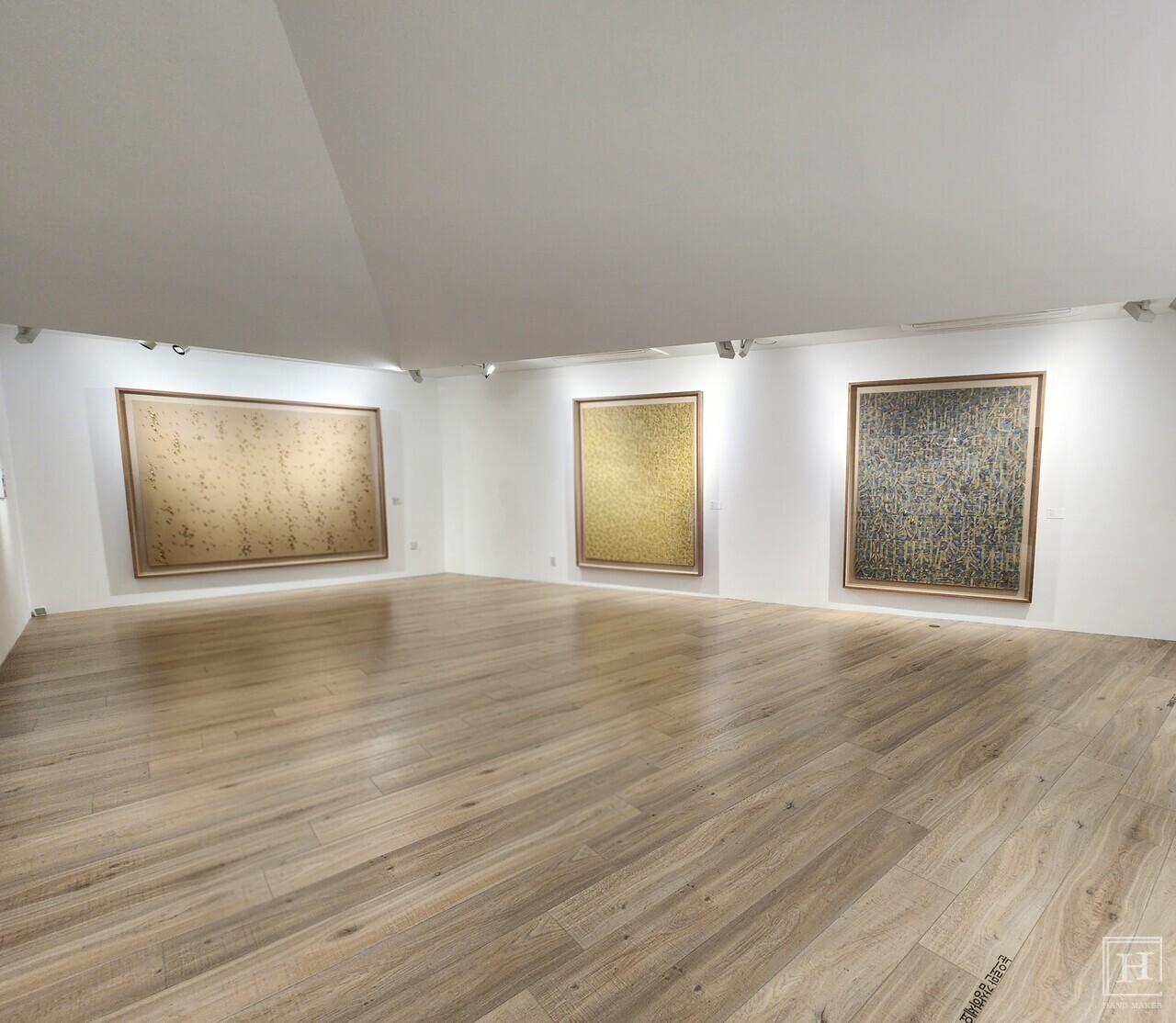
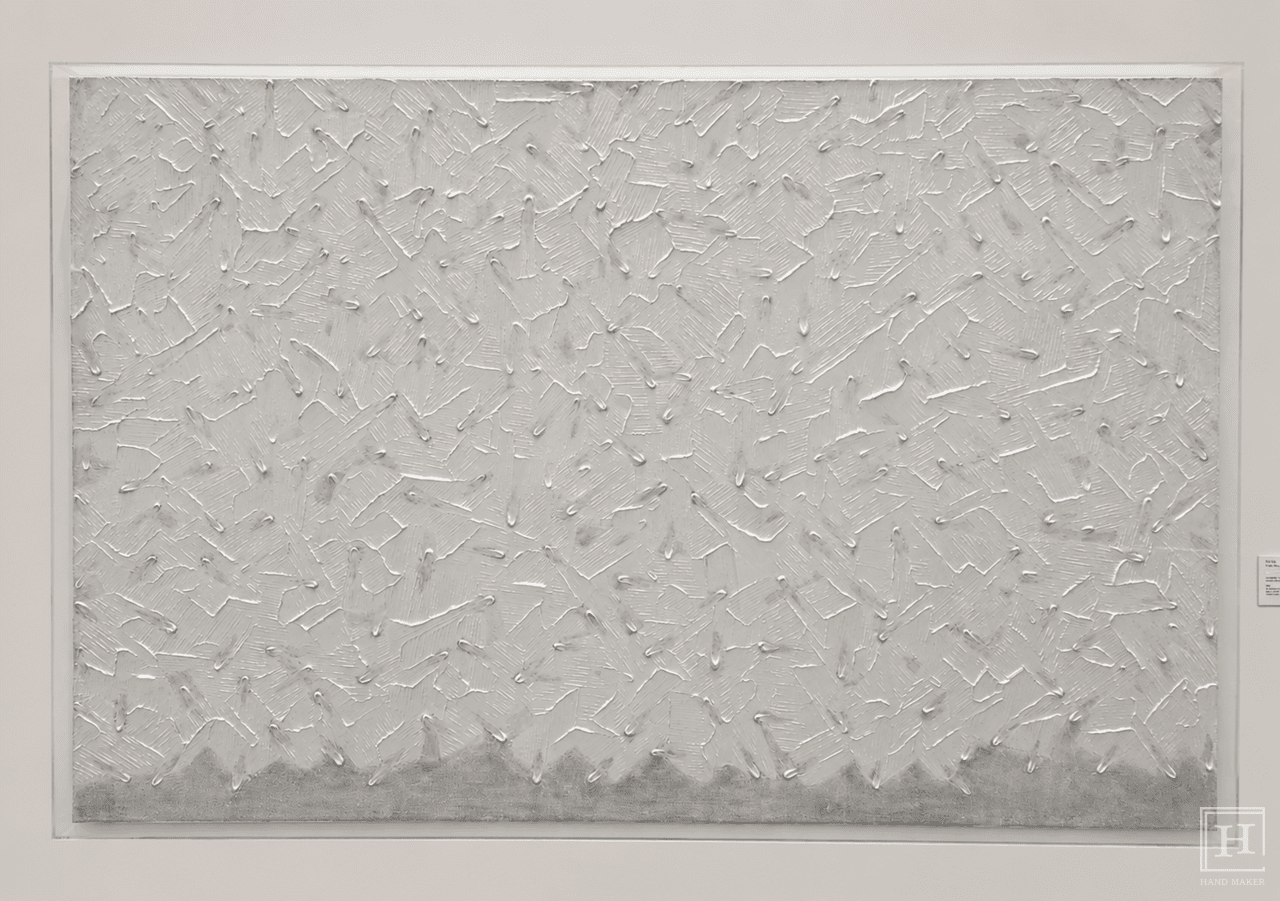
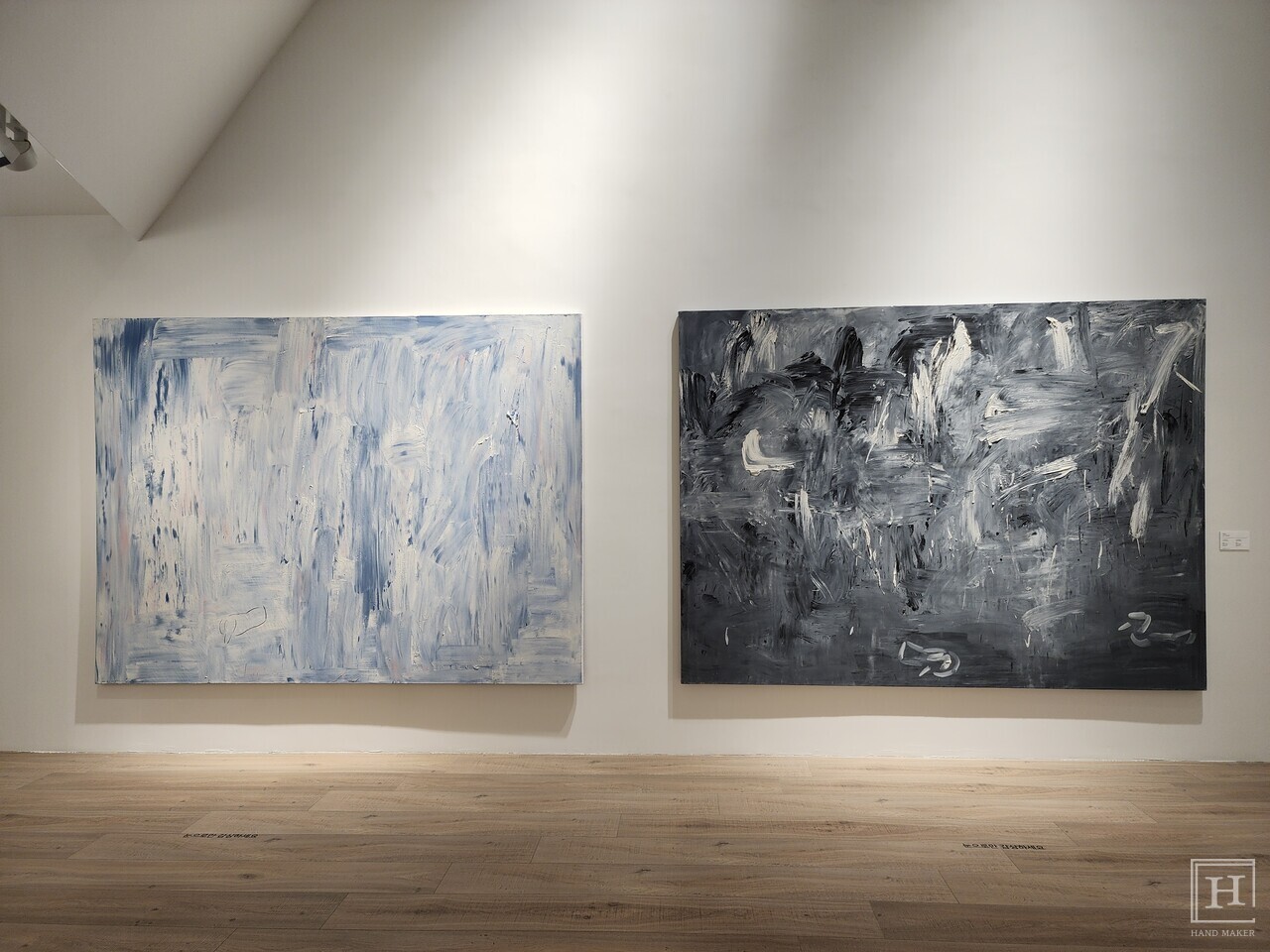
The most noteworthy space on the 3rd floor is where one can encounter the works of Dansaekhwa master Park Seo-bo, pioneer of Korean experimental art Lee Kang-so, and water drop painter Kim Tschang-yeul all in one place.
Park Seo-bo's 〈Ecriture〉 began with a method of drawing diagonal lines with a pencil, inspired by his son's writing practice. This particular work belongs to his middle period and is also referred to as the zigzag ecriture in the shape of the character '之' (ji). The repetitive white traces and curves filling the screen create a simple yet deep texture.
Lee Kang-so, who drew attention through his 2024 MMCA solo exhibition 《When the Wind Blows, the Water Ripples》, evokes various landscapes through free brushstrokes and empty space, even without concrete forms.
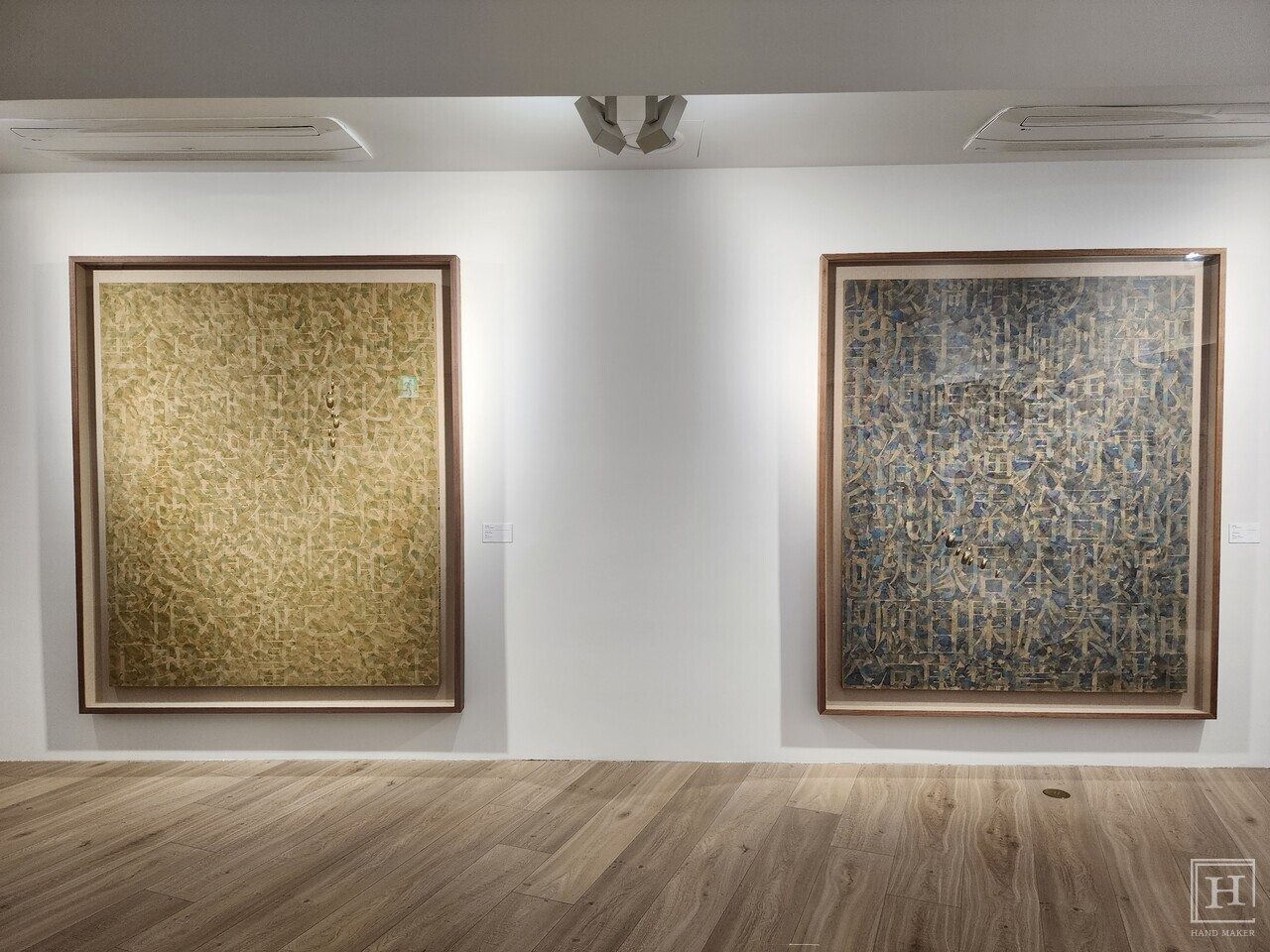
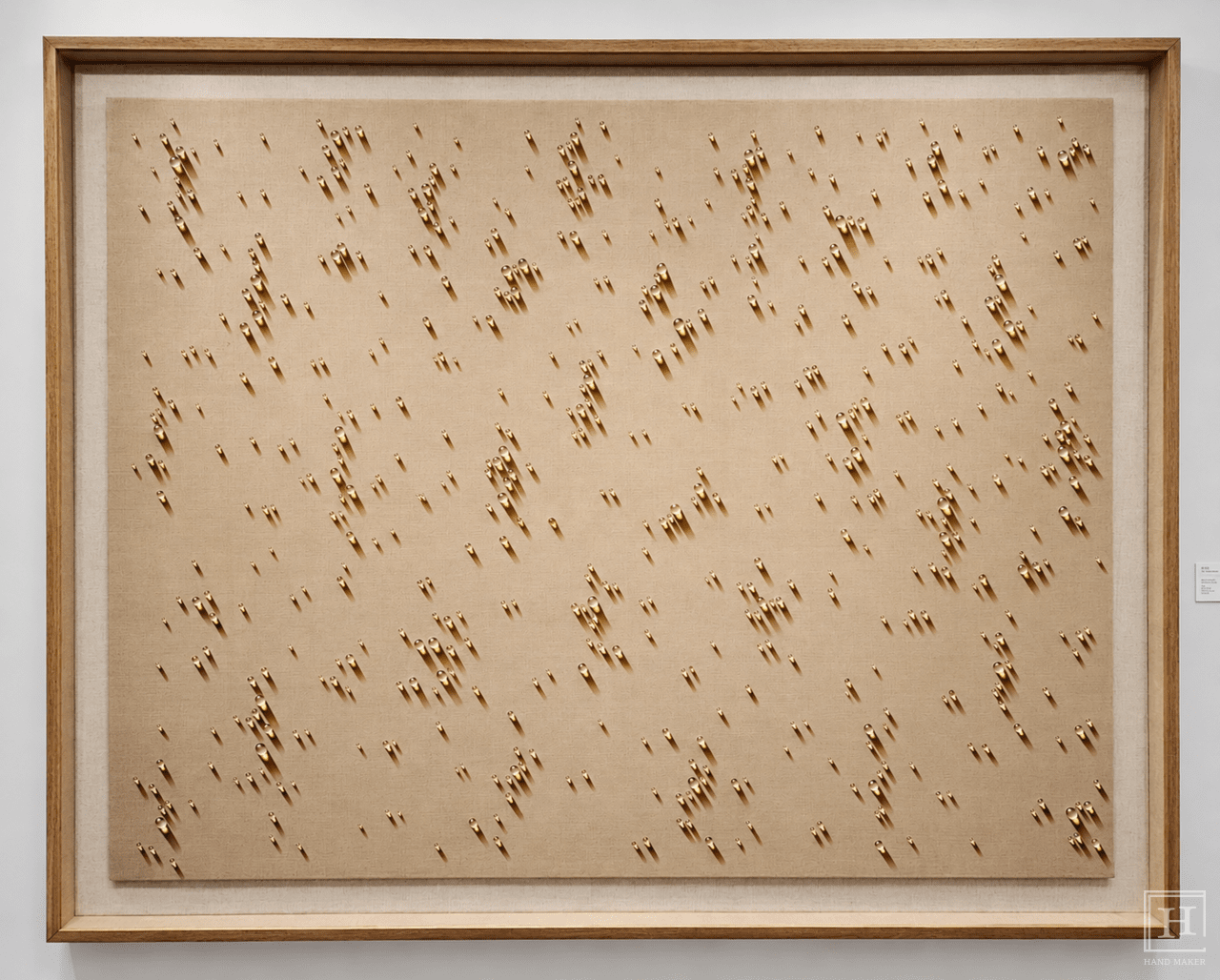
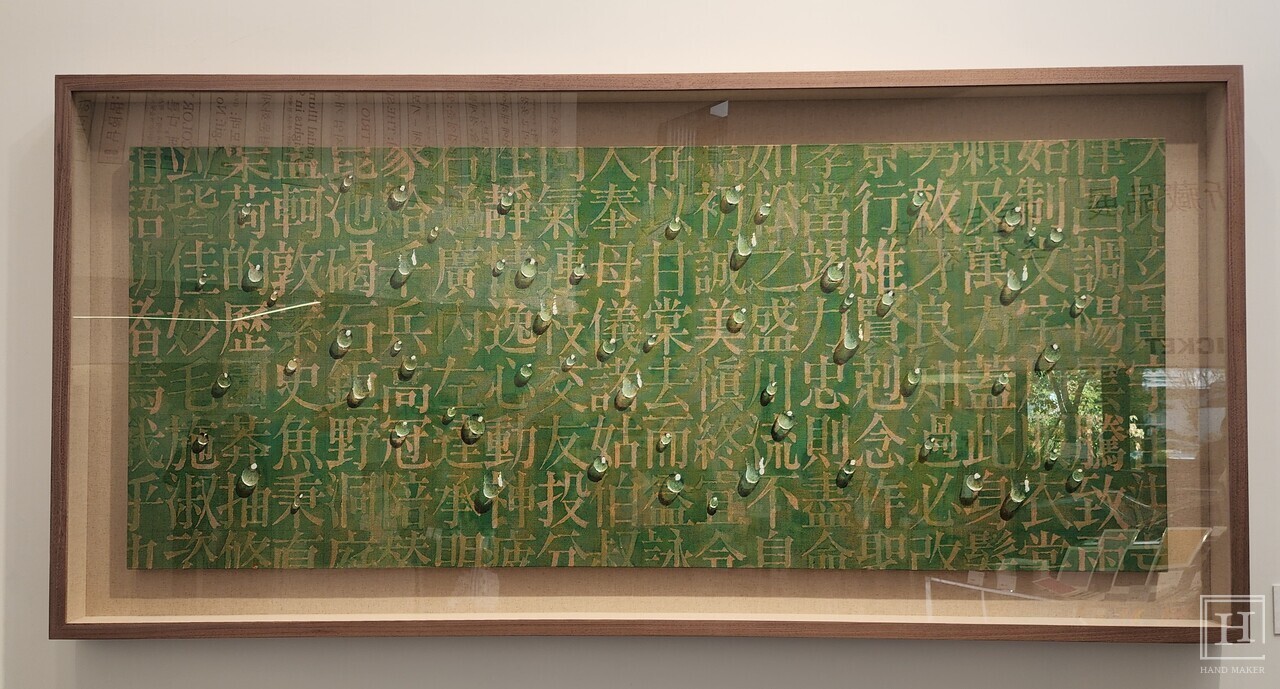
The works of Kim Tschang-yeul, familiar by the name 'water drop painter' alone, are a major point of interest that captures the viewers' attention. The 〈Return〉 series, where transparent water drops are formed against a background of the Thousand Character Classic, and works that look as if actual water drops are placed on the canvas, are so realistic that one wants to approach closely to inspect the brushstrokes. As characters and water drops harmonize, they create a meditative atmosphere that goes beyond simple painting.
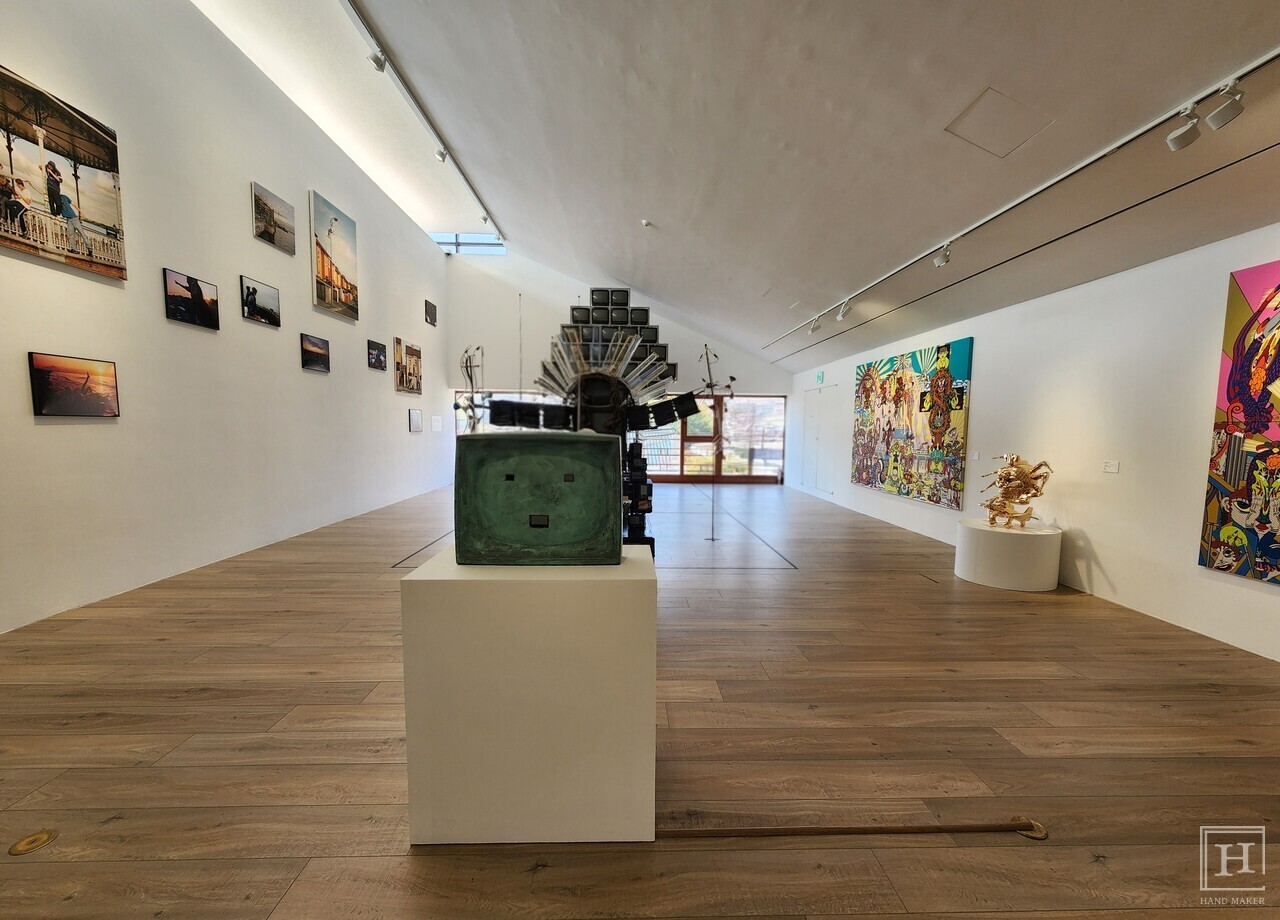
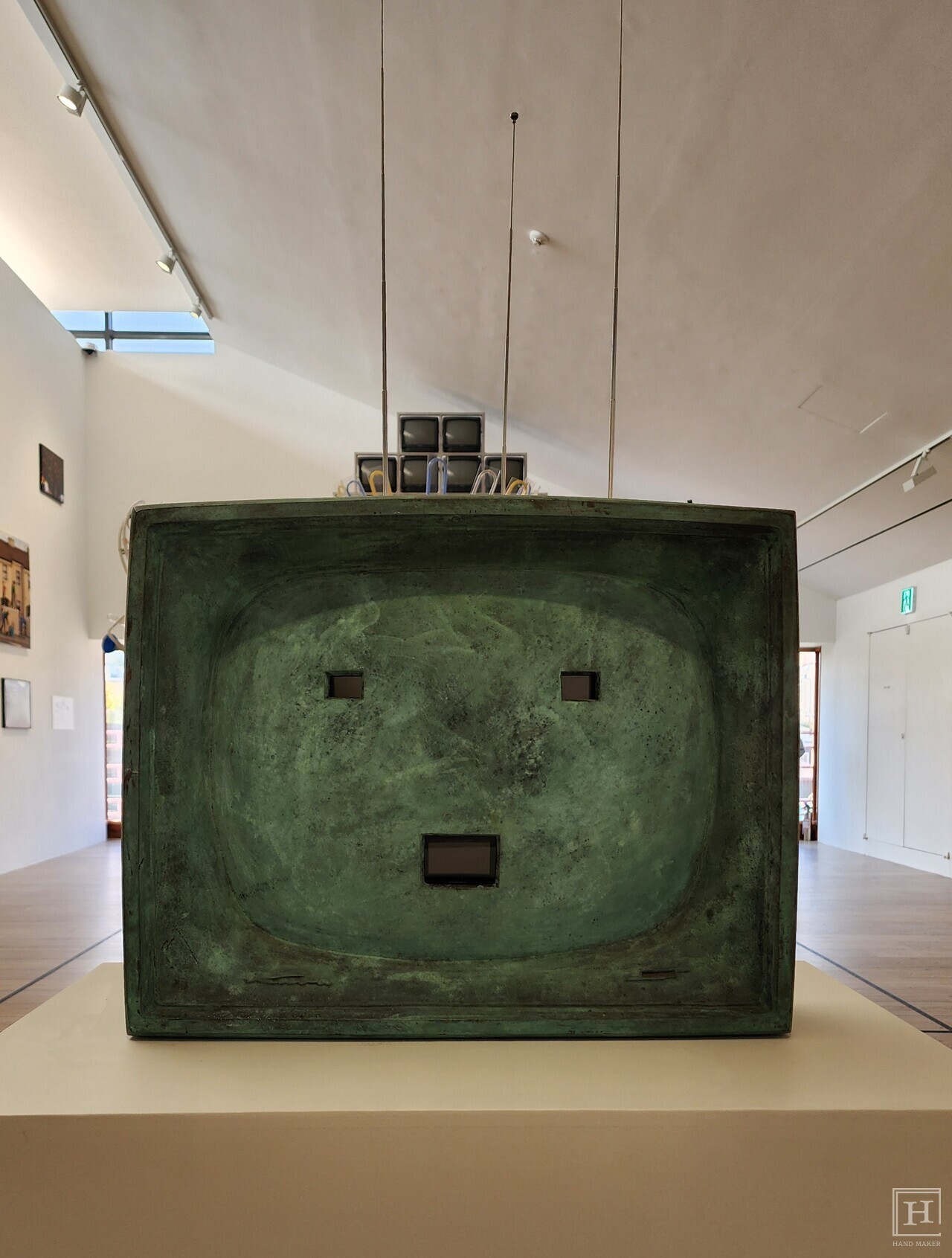
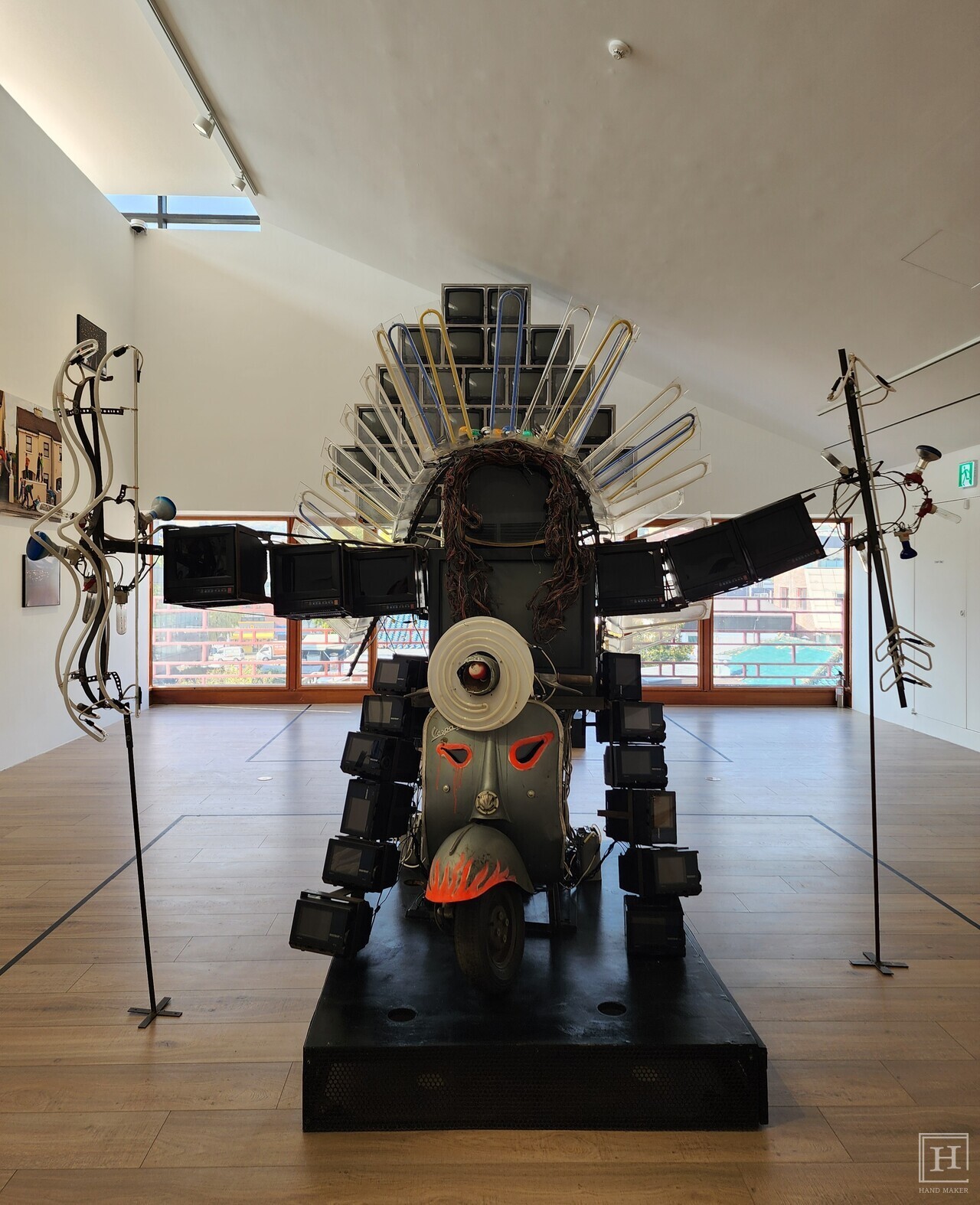
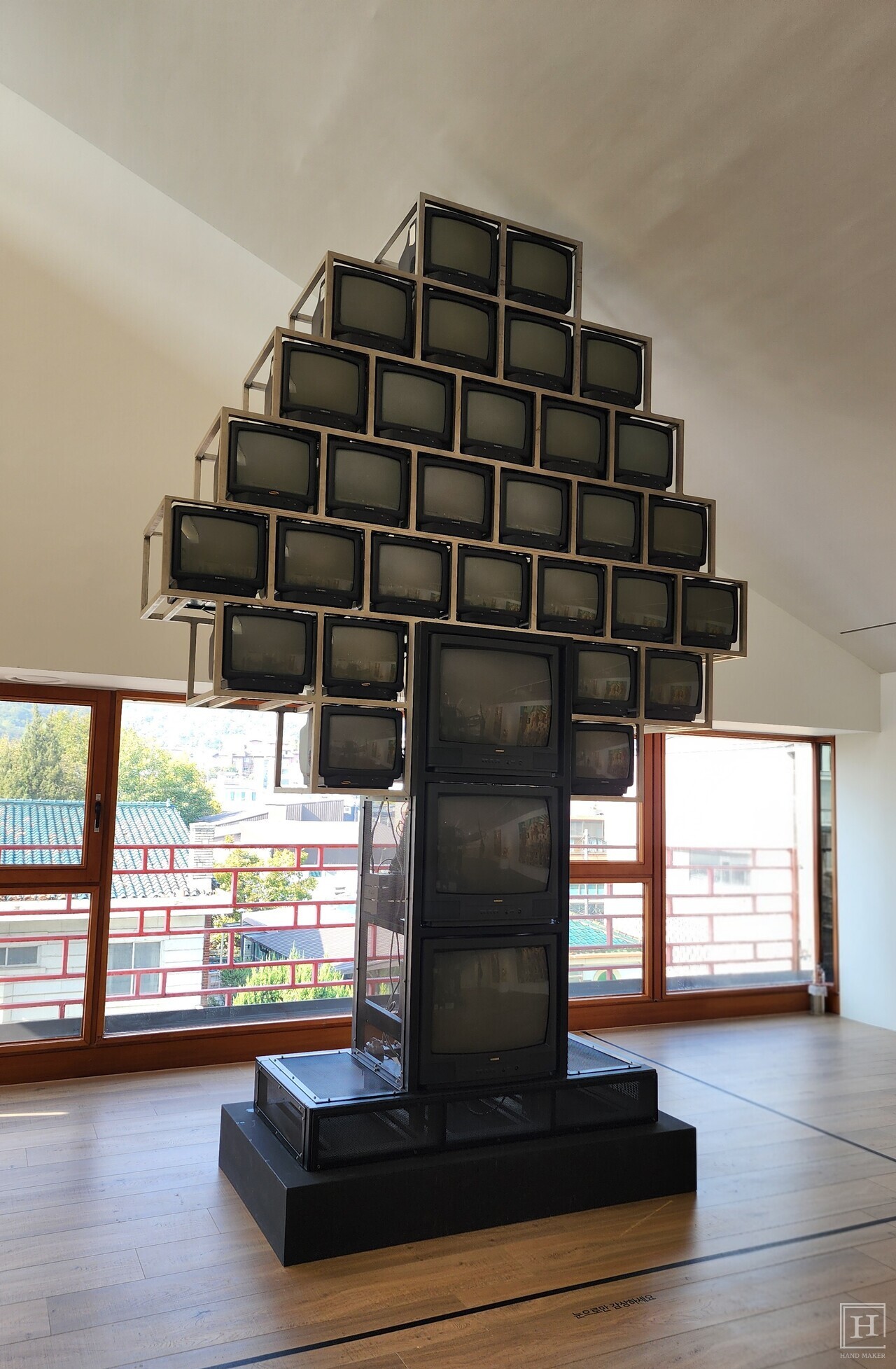
Nam June Paik, who opened new horizons for video art, presents the possibilities of new media through works that break the boundaries between technology and art. While works utilizing various media like media art are popularized these days, Nam June Paik's works are still recognized for their artistic value and meaning, as they were extremely unconventional and innovative attempts at the time.
〈Born Again〉 utilizes old televisions to show a unique shape reminiscent of a human face. 〈Happy Indian〉 expresses a state where machine and human seem to become one by combining several monitors and neon lights on a scooter, and 〈Apple Tree〉 transforms everyday electronic devices into a massive sculpture by stacking CRT TVs like a tree. To preserve the works, it is said that they are operated only from 12:00 PM to 3:00 PM.
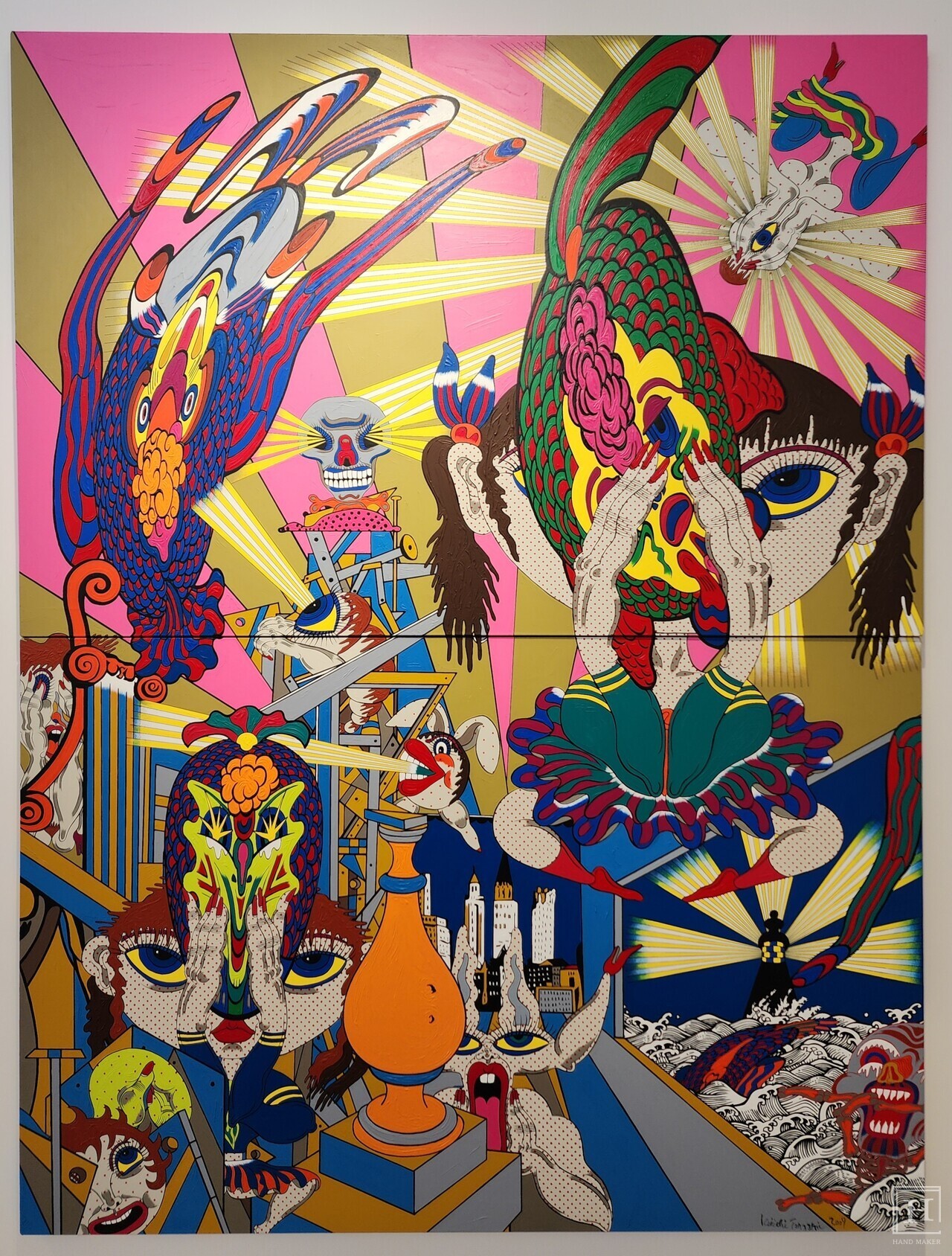
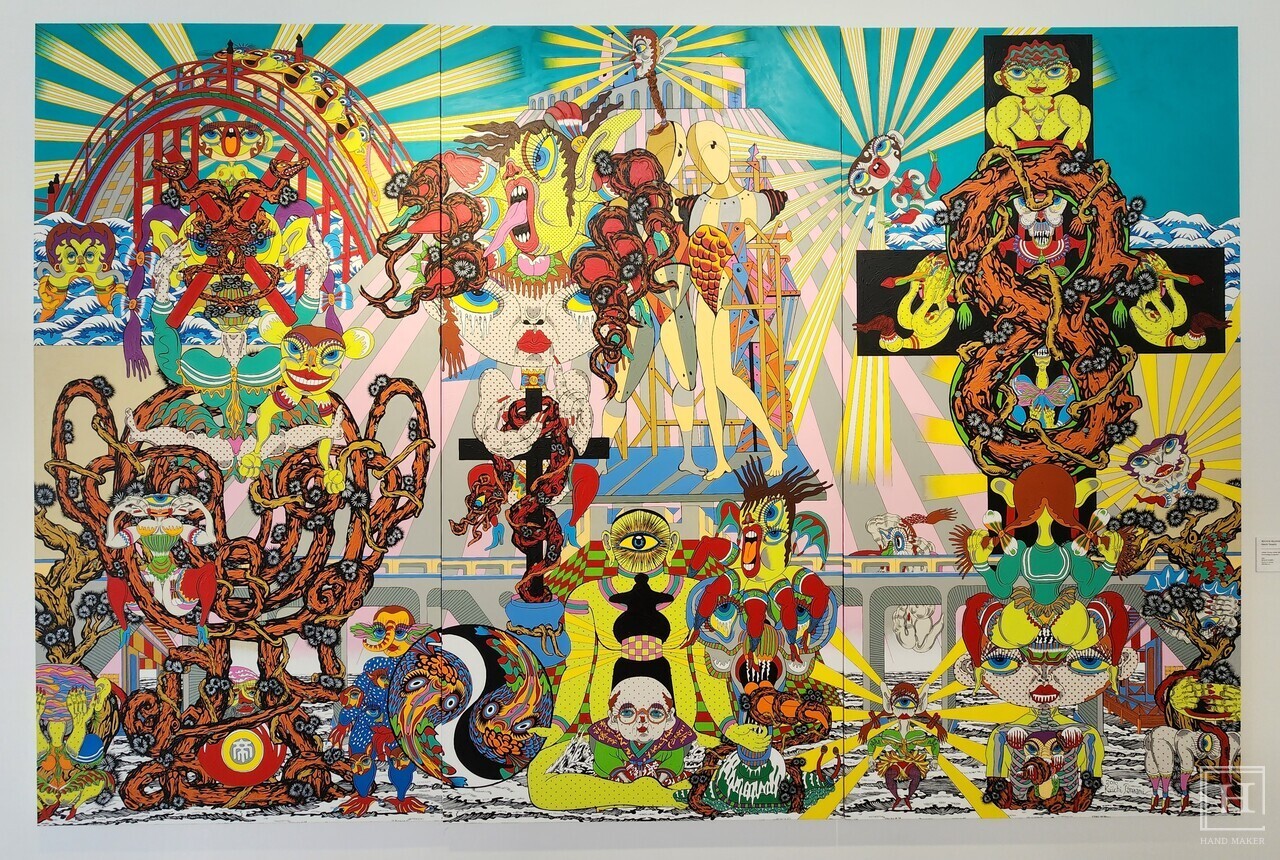
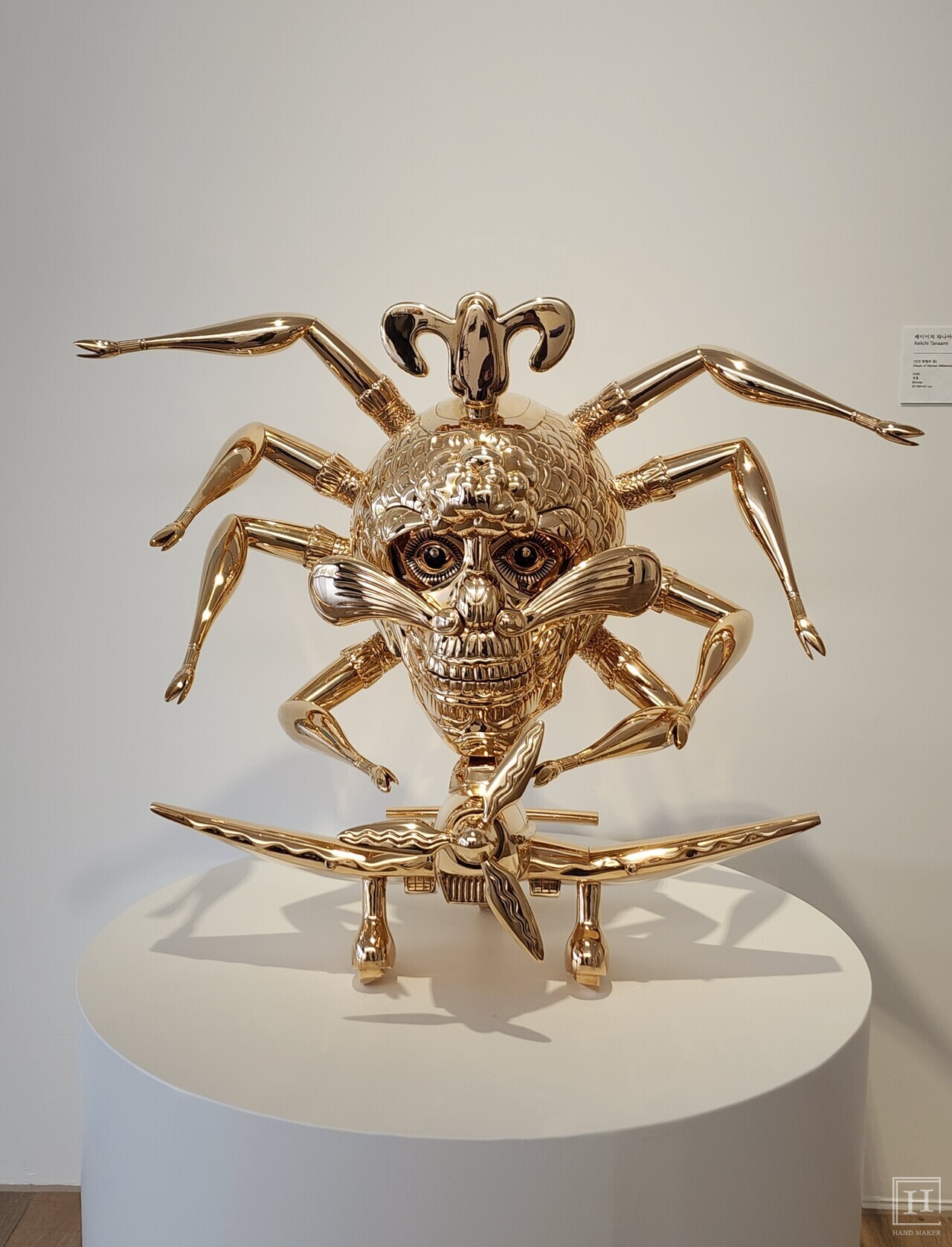
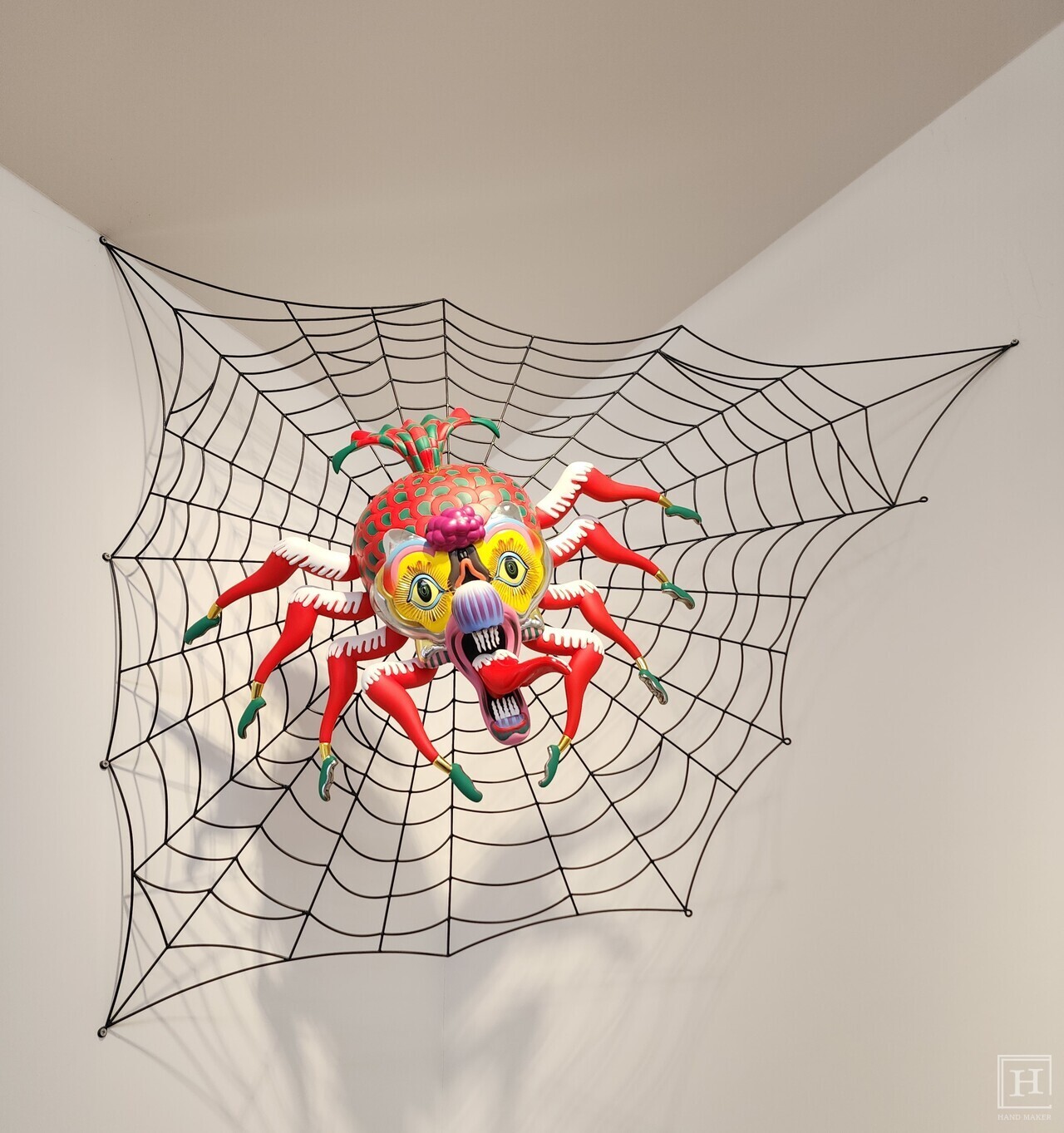
Keiichi Tanaami shows an original artistic world that combines pop culture, fantastic imagery, and intense colors. Having passed away in August 2024, he once again presented his artistic world to domestic visitors through 《Keiichi Tanaami: I’M THE ORIGIN》, which was held in December of the same year.
It is also deeply meaningful in that Keiichi Tanaami, who expressed the scars of war and the fear of death experienced during his childhood through brilliant colors and grotesque forms, sublimated various experiments and challenges into art. In addition to paintings, sculptural works embodying spiders and strange creatures show how his imagination expanded from two dimensions into three dimensions.
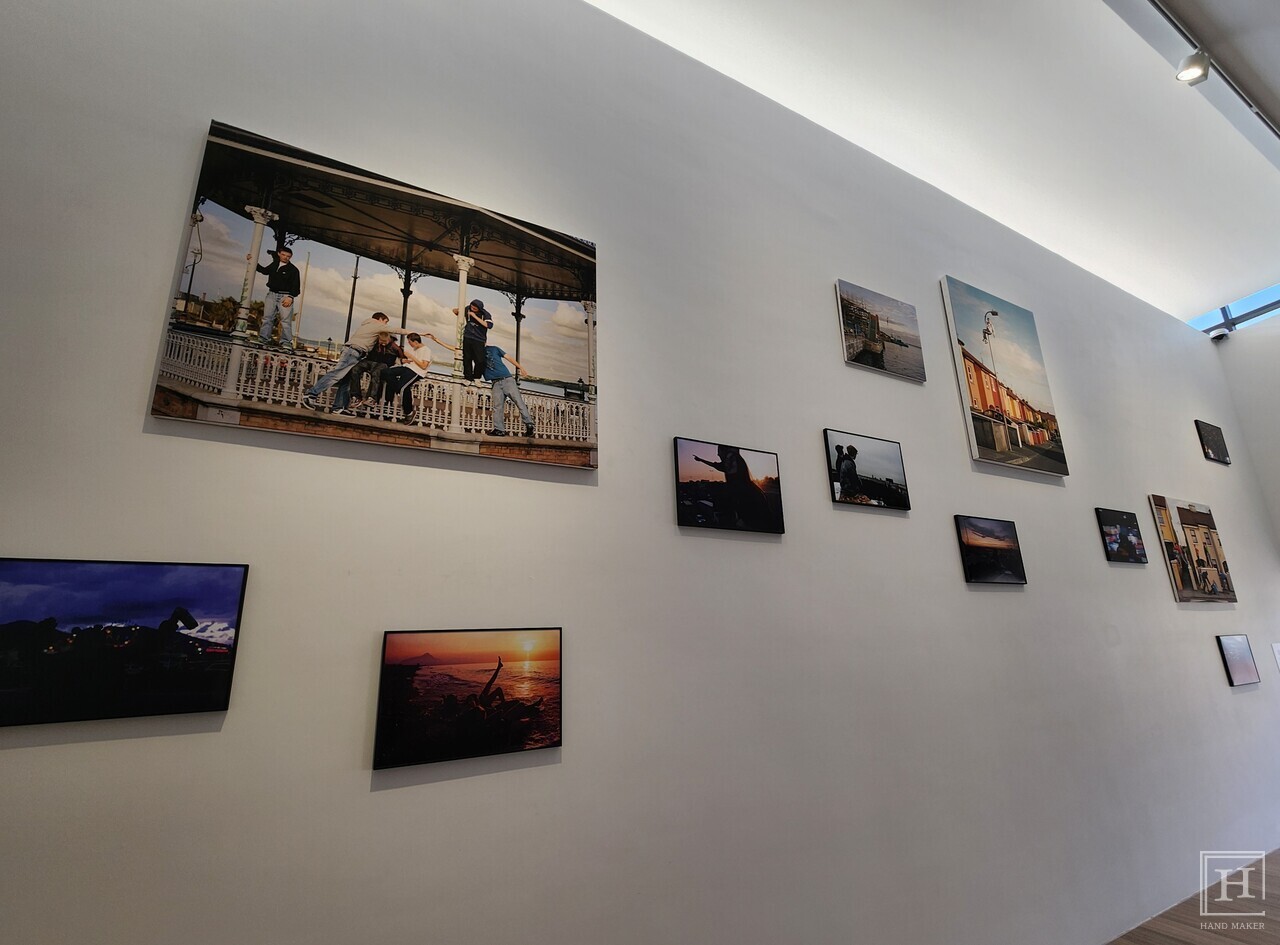
Doug DuBois and Paolo Raeli present works that capture the private daily lives of youth and street culture. Their works, utilizing different media, show various ways in which art records and reinterprets reality.
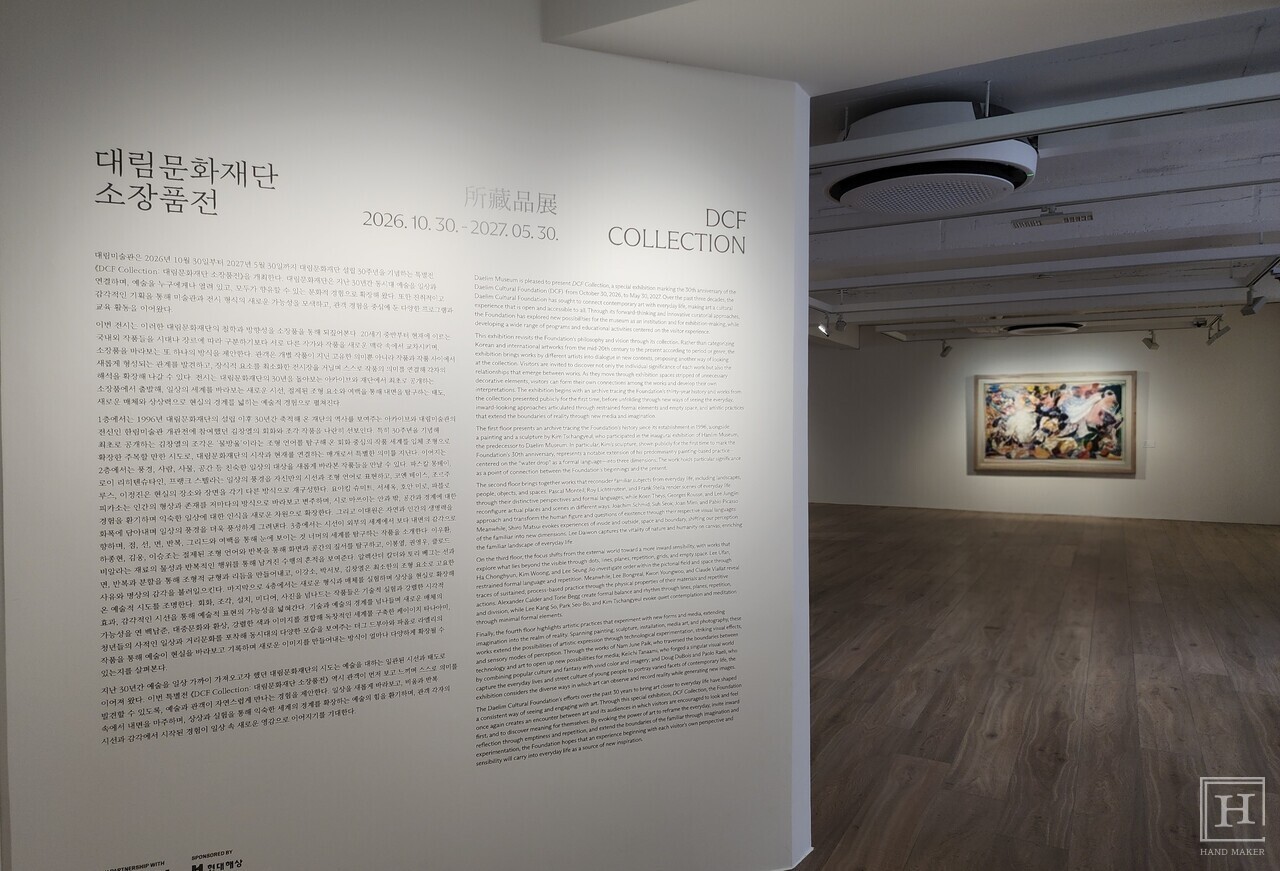
Above all, this collection exhibition serves as an opportunity to broaden the artistic perspective for visitors who have shown interest in Daelim's exhibitions, by allowing them to once again reminisce about exhibitions previously conducted by the Daelim Cultural Foundation. The exhibition continues until May 30 of next year.
Admission is free, but visitors should make a reservation through Naver or the Daelim Cultural Foundation website before visiting. Daelim Museum is closed every Monday and operates from 11:00 AM to 6:00 PM.
Reporter at HANDMAKER (핸드메이커), a Korean magazine devoted to crafts and handmade culture. Covers exhibitions, design and the people who make things by hand.
Related Articles
[Field Sketch] Unexpected Encounters and Records of 26 Teams Touching Summer: 《To Our Summer》 Exhibition
Daelim Museum to host free collection exhibition featuring Kim Tschang-yeul and Nam June Paik to mark 30th anniversary
Comments 0
Comments are currently disabled.