
National Museum of Korea to host special modern art exhibition
The National Museum of Korea is partnering with Kunsthaus Zürich to present "The Birth of Modern Art," a special exhibition showcasing 85 works spanning 200 years of European modern art.
The National Museum of Korea will present 85 works from the Kunsthaus Zürich collection in a special exhibition titled “The Birth of Modern Art” from November 27 until April 18, 2027. The showcase features European masters including Picasso and Monet, tracing artistic movements from 18th-century Romanticism to early 20th-century Surrealism.
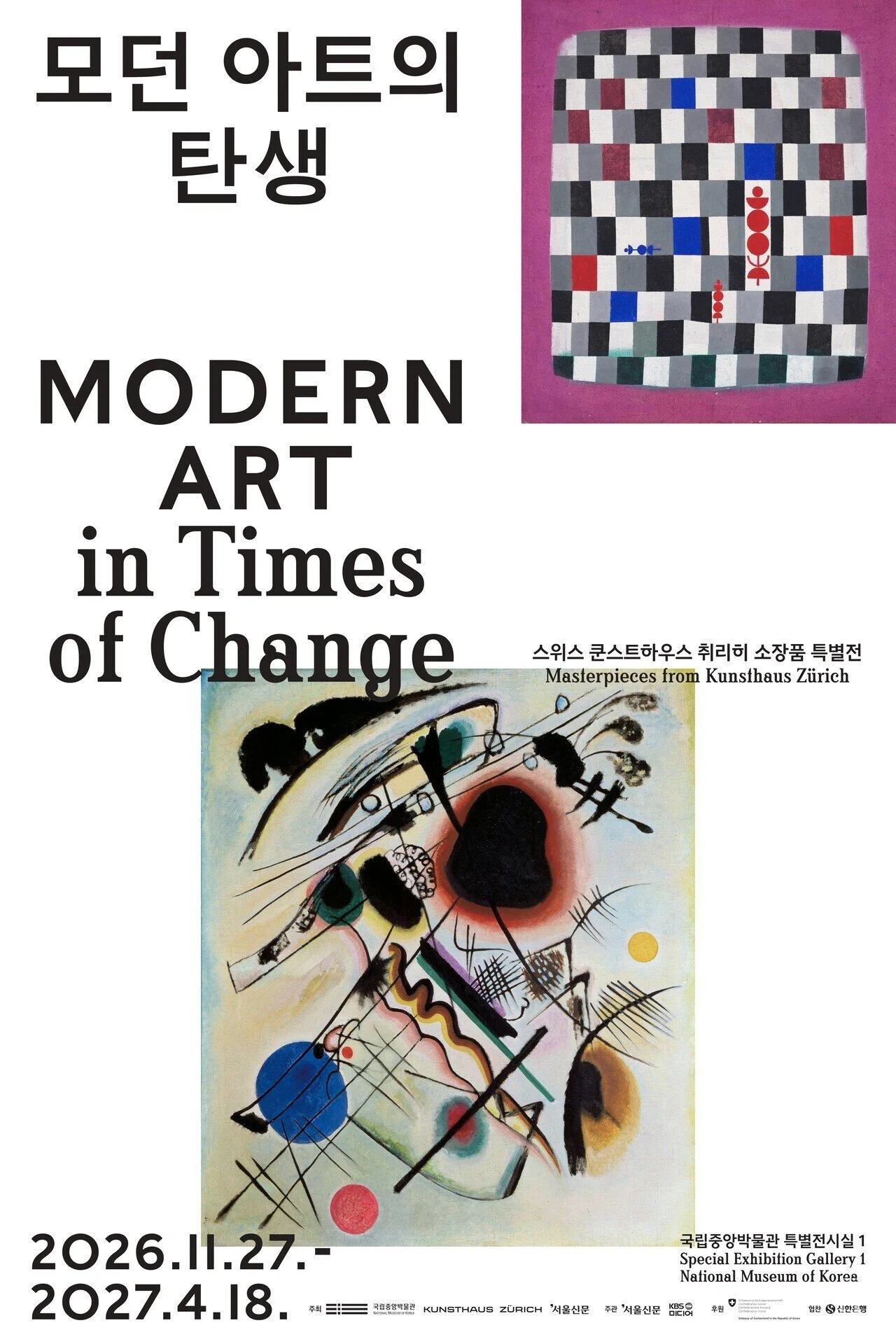
The National Museum of Korea, in collaboration with Kunsthaus Zürich, will hold a special exhibition of European modern art titled “The Birth of Modern Art” from November 27 until April 18, 2027. This event marks the first large-scale presentation of core works from the Kunsthaus Zürich collection in South Korea.
The exhibition traces the flow of modern art over 200 years, from 18th-century Romanticism to early 20th-century Surrealism, featuring 85 works created between the 1760s and the 1950s. Visitors can view works by European masters such as Monet, Cézanne, Picasso, Munch, Kandinsky, Dalí, and Magritte, alongside Swiss artists including Hodler, Klee, and Giacometti.
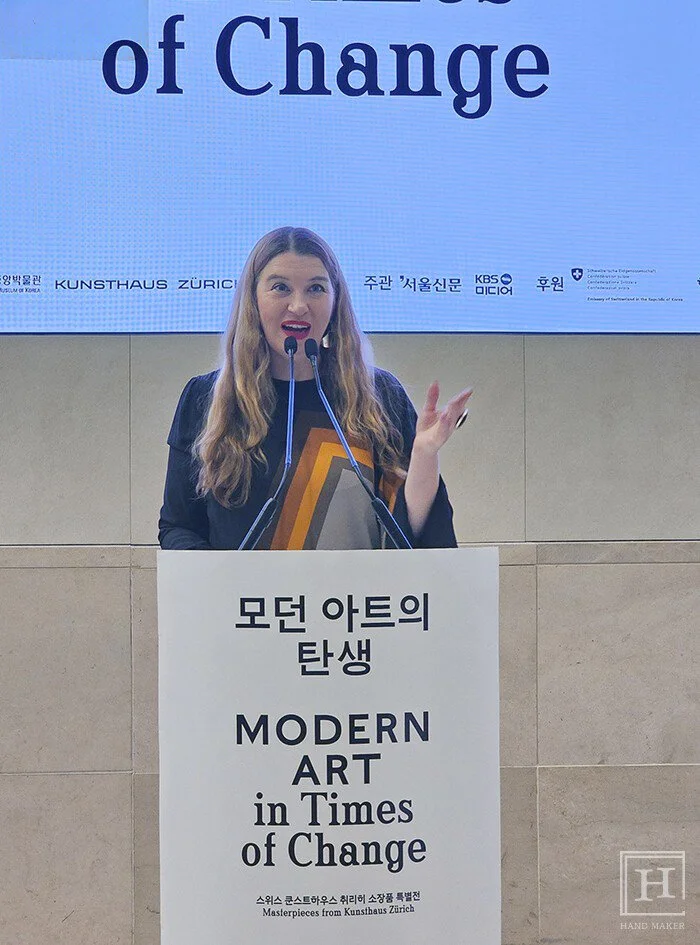
Switzerland serves as a meeting point between Germanic and Latin cultures, where artists and thinkers from various eras gathered due to its status as a neutral country and the natural environment of the Alps. In this setting, Kunsthaus Zürich has extensively collected innovative art from across Europe since its inception.
Set against the backdrop of modernity, the exhibition examines how art that transcended tradition emerged and influenced one another. It emphasizes how experimental movements, such as Impressionism and Fauvism—which were mocked at the time—ultimately became the roots of Western modern art. The exhibition is organized into six sections centered on the keywords "change" and "challenge."
“Prologue: Modern Art, Containing Modernity” opens the exhibition by exploring the meaning of modern art, centered on the work of Claude Monet. “Part 1: Landscapes of a New Era” introduces how modernity began to appear on the canvas before modern art fully commenced, as people began to perceive themselves and others as members of a modern civil society and expressed that identity through art. Works depicting the people and nature of Switzerland, which became a federal state in 1848, capture this perspective.
“Part 2: Light and Color of Paris” highlights the shifting landscape of art in Paris, the cultural and artistic center of the time. Rather than depicting subjects in fixed ways, artists sought to express their own view of the world through light and color. Works ranging from Impressionism to Fauvism demonstrate the direction modern art would take.
“Part 3: A Gaze Toward the Inner Self” examines artistic trends that turned away from the subject to express the fin de siècle sentiments of human alienation and depression caused by modernization. While Parisian art focused on light and color, various regions north of the Alps, such as Switzerland and Germany, long treated the invisible worlds of the human interior, symbolism, and imagination as artistic themes. Switzerland, in particular, was a major stage for European Symbolism, and the section introduces the "inner artistic tradition" shown by Swiss painters.
“Part 4: Beyond the Visible World” deals with the era when painting ceased to merely resemble the visible world. Cubist painters reinterpreted and reconstructed single subjects from multiple perspectives, while abstract artists showed that a canvas could be composed of only color, line, and form. These attempts are evaluated as a significant turning point in 20th-century art for creating art that was not bound by the subject.
“Part 5: Dada and Surrealism” introduces the Dada movement that unfolded in Zürich during World War I and the subsequent Surrealism in Paris. While previous movements were processes of finding different modes of expression from existing art, the artists of Dada and Surrealism were radical movements that questioned the very meaning of art. These works, focusing on the unconscious and chance, confront the hidden desires and contradictions within us.
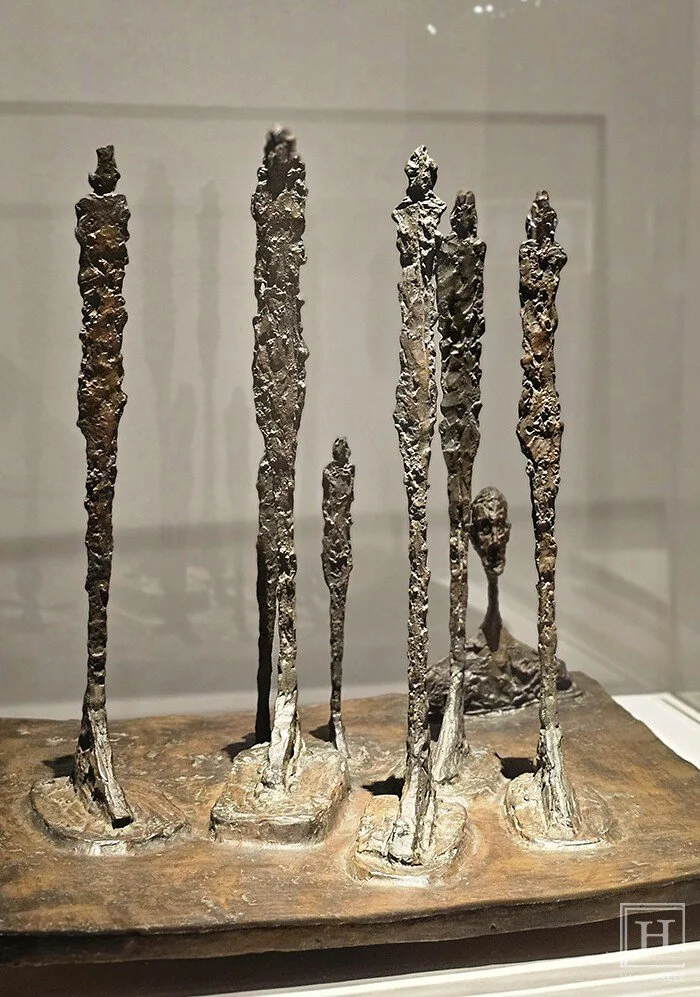
“Part 6: Giacometti Family” introduces the pioneer of 20th-century sculpture Alberto Giacometti, his father Giovanni Giacometti, and their distant relative Augusto Giacometti. Although these three artists from a small Swiss mountain village operated in different eras and had different interests, they each expanded the possibilities of modern art in their own ways. In the 20th century, during a period of active abstract and non-representational experimentation, the "human" forms created by Alberto Giacometti after experiencing war prompt reflection on the meaning of human existence standing precariously yet steadfastly in this world.
Notably, the Swiss national painter Ferdinand Hodler is featured through seven representative works, including "Song Heard from Afar," which is rarely seen in South Korea. The Dada movement, which began in neutral Zürich in 1916, is also a point of interest; artists who gathered to escape the war conducted experiments spanning poetry, performance, and art at Cabaret Voltaire.
At 2:00 PM on the opening day, November 27, Maja Wismer, head of the collection research department at Kunsthaus Zürich, will hold a special lecture related to the exhibition at the main auditorium of the National Museum of Korea. Detailed information, including tickets, is available on the National Museum of Korea website.
Ann Demeester, director of Kunsthaus Zürich, remarked, “I believe works do not merely stop at showing the history of the past, but continuously show the present,” adding, “There is a saying that ‘a museum reinterprets things, revives new stories and narratives, and breathes new life into them.’ I hope you view [this exhibition] with new perspectives from different angles.”
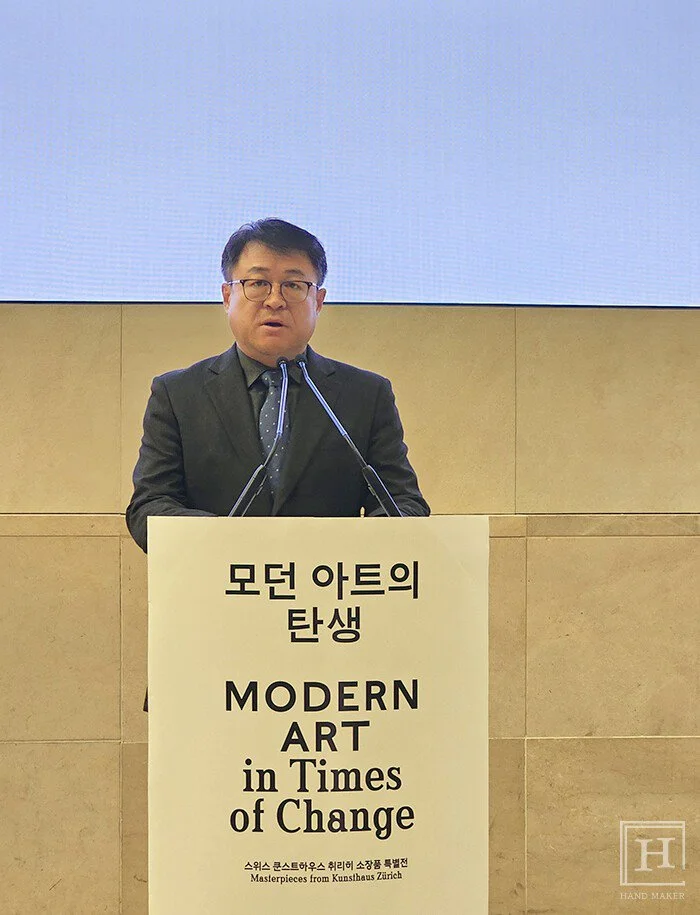
Acting Director Park Gi-hong of the National Museum of Korea stated, “Artists responded to a rapidly changing society by breaking away from existing conventions and seeking new forms of expression, and their challenges opened new horizons for art. I hope the spirit of these artists, who challenged new possibilities amidst the changes of the times, resonates with visitors.”
Reporter at HANDMAKER (핸드메이커), a Korean magazine devoted to crafts and handmade culture. Covers exhibitions, traditional crafts and the makers behind them.

Comments 0
Comments are currently disabled.