
Incheon Urban History Museum recreates cultural hub of Eunseong Coffeehouse
The Incheon Urban History Museum is hosting a special exhibition titled "Those Days at Eunseong Coffeehouse" through March 1, 2027, highlighting the role of the Sinpo-dong establishment as a cultural sanctuary for artists following Korea's liberation.
The Incheon Urban History Museum is hosting a special exhibition through March 1, 2027, to recreate the atmosphere of Eunseong Coffeehouse. Located in Sinpo-dong, the venue served as a vital community hub for Incheon artists to host exhibitions, poetry readings, and concerts from around 1960 until the 1980s.
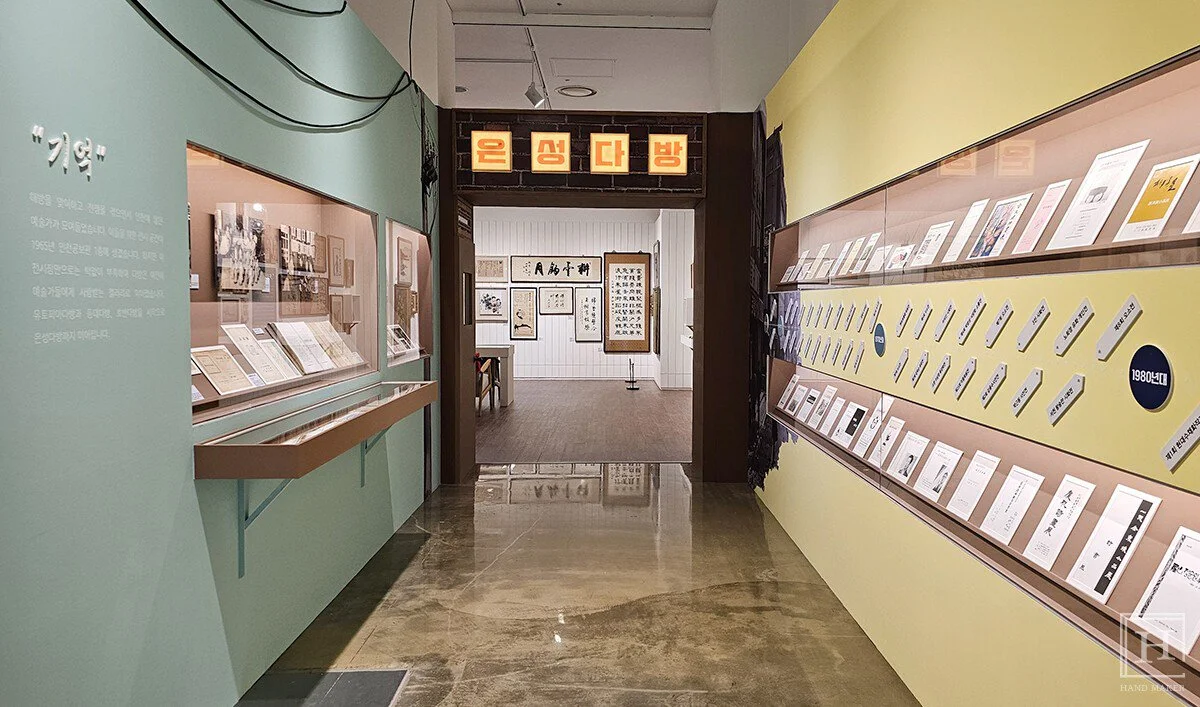
Coffeehouses that once served as places for conversation were, for some, exhibition halls for presenting works and cultural spaces for sharing artistic inspiration. In an era when galleries and performance halls were not as common as they are today, coffeehouses acted as special community hubs where artists gathered to showcase their work and share music and literature.
Such a space existed in Sinpo-dong, Incheon: Eunseong Coffeehouse, which was beloved as a hideout for Incheon artists after liberation. The Incheon Urban History Museum is holding a special planned exhibition, "Those Days at Eunseong Coffeehouse," through March 1, 2027, to highlight Eunseong Coffeehouse in Sinpo-dong, which served as a community hub for Incheon artists after liberation.
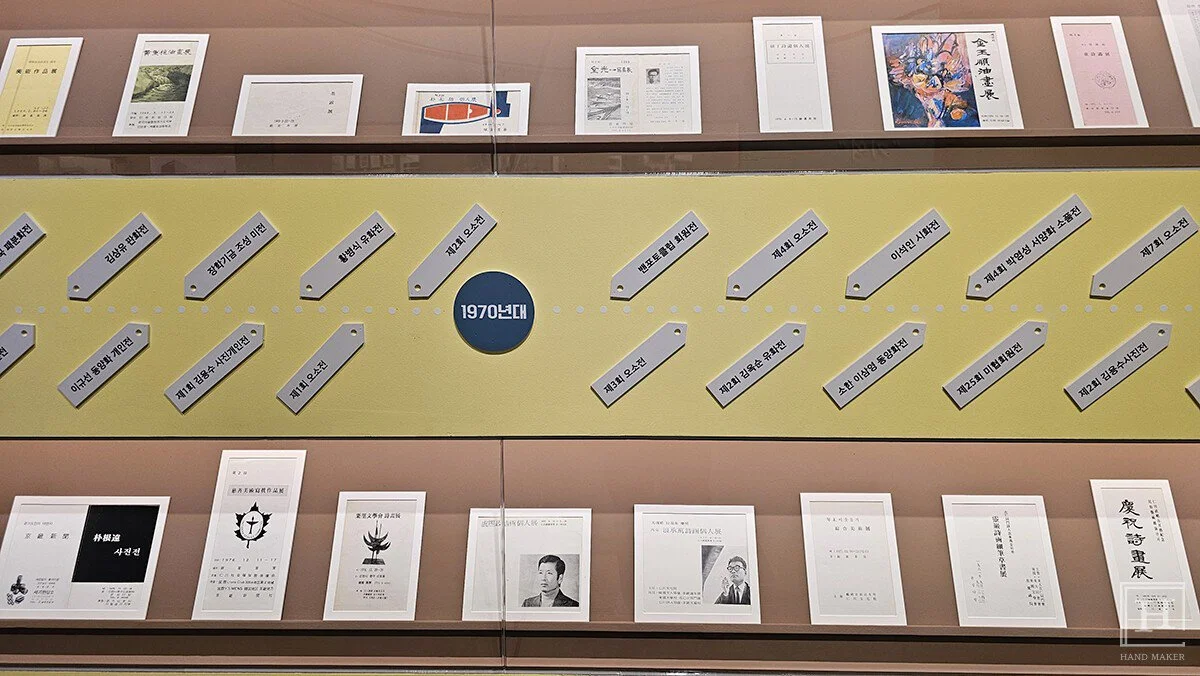
 This exhibition aims to revive the image of coffeehouses that functioned as galleries during times of limited exhibition space and to look back at the footsteps of Incheon's culture and arts centered around that location. At Eunseong Coffeehouse, exhibitions and events such as solo exhibitions, Miheop exhibitions, and the Sejong Cultural Grand Festival were held steadily, alongside continuous concerts and poetry readings. Artists used this place to present their works and interact with one another.
The exhibition is organized into three parts. Part 1 covers the cultural and artistic activities that continued around coffeehouses following liberation.
 The term "dabang" (coffeehouse) first appeared as a space for drinking tea during the Goryeo Dynasty. The modern coffeehouse, where coffee is consumed, began as European salon culture entered Korea via Japan. Coffeehouses served as hideouts for intellectuals and artists, places where they discussed art and debated the era. This remained true after liberation and following the Korean War.
In times when proper exhibition spaces were rare, coffeehouses also served as excellent galleries. They were venues for literature, hosting not only art exhibitions but also poetry readings and concerts. There were many such coffeehouses in Incheon, with Eunseong Coffeehouse being a representative example. The exhibition revives the image of Eunseong Coffeehouse, where coffee and art coexisted.
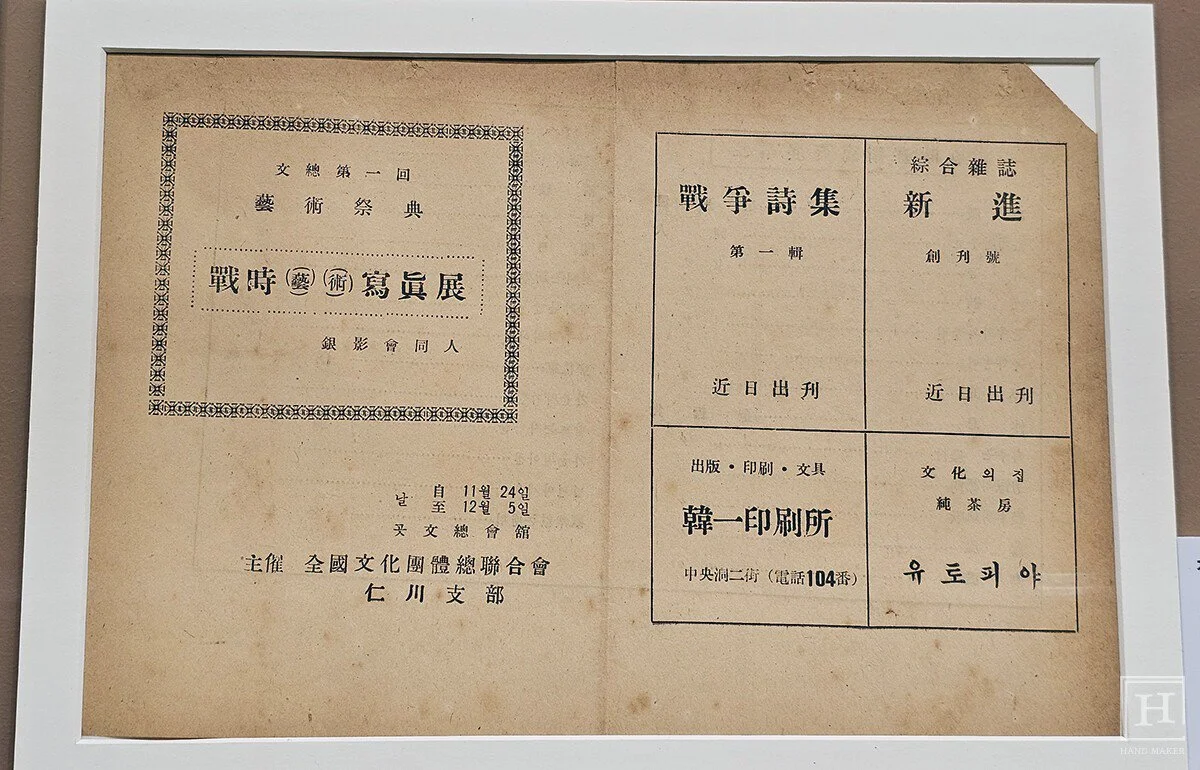 A leaflet for a photography exhibition held at Munchong Hall in Incheon during the Korean War features advertisements for magazines, printing shops, and coffeehouses on the back. Among these, the coffeehouse is described as a "house of culture," suggesting it was a space for enjoying culture rather than just a place to drink coffee.
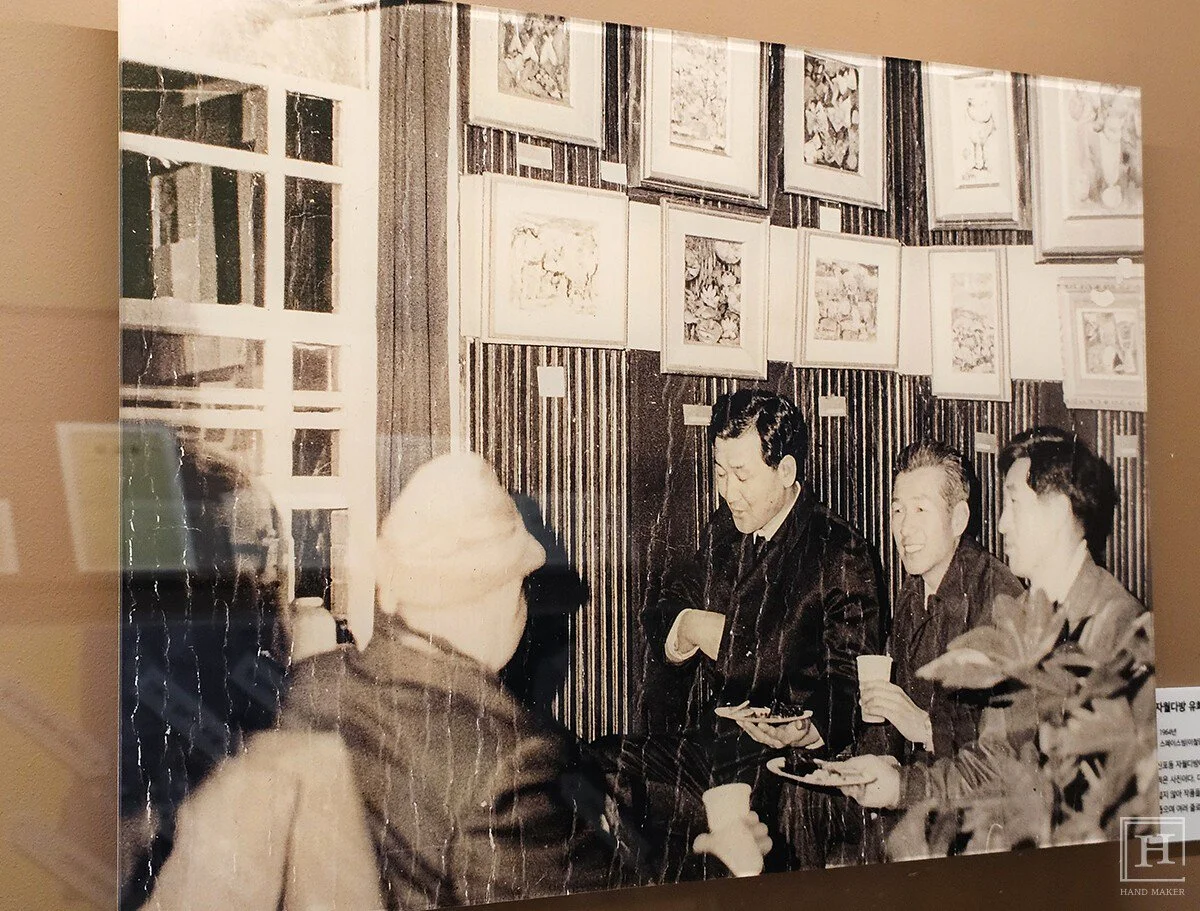 This is a photo taken during Kim Ok-sun's first solo exhibition held at Jawol Coffeehouse in Sinpo-dong. Because exhibitions in coffeehouses were held in limited spaces, the works are characterized by being small in size, having narrow intervals between them, and being arranged in multiple rows.
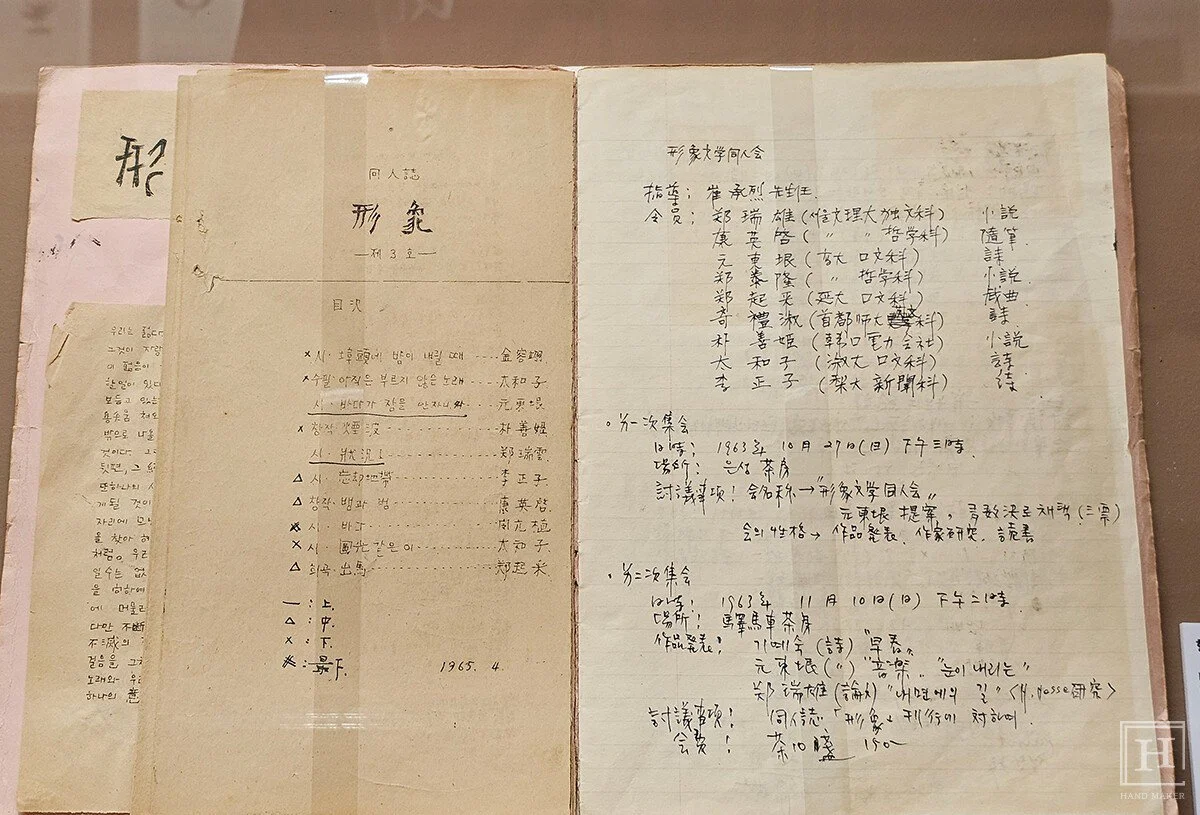 Hyeongsang Literary Circle is a cultural club organized in 1962 in Seoul by Jeong Seo-ung along with university students from Incheon. They wrote novels, essays, and poetry, holding presentation sessions and discussion forums, with meeting locations being libraries or Eunseong Coffeehouse. Beyond exhibitions, the coffeehouse was also used for club meetings, alumni reunions, and clan gatherings.
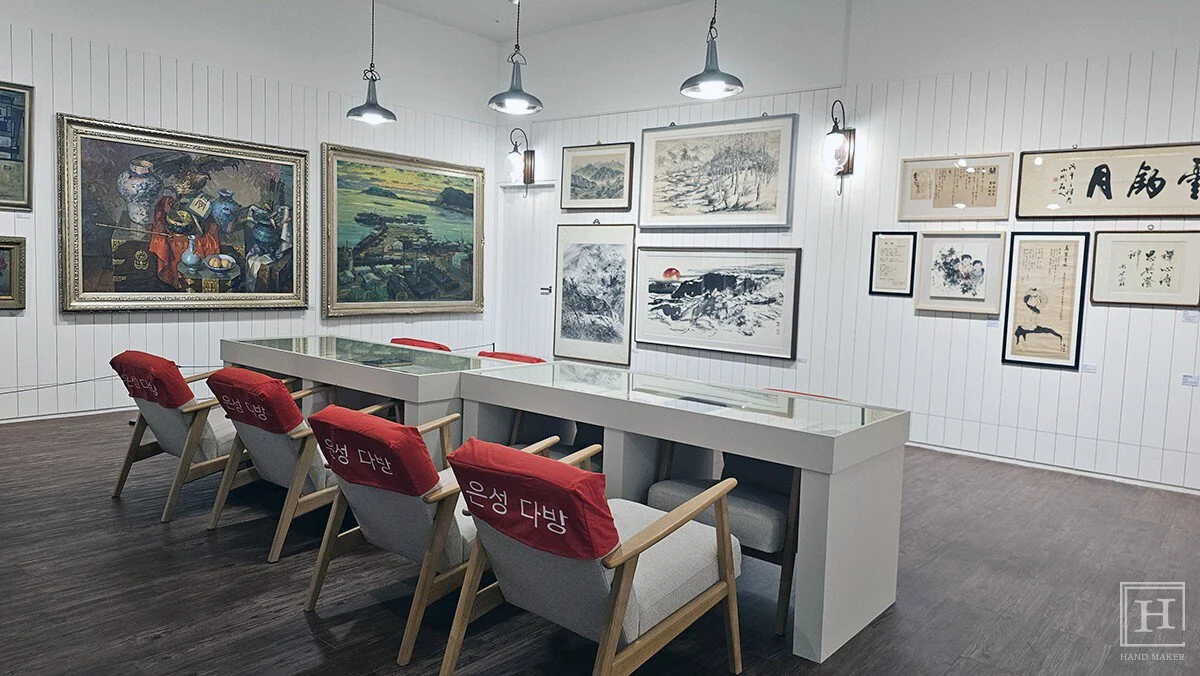 In Part 2, the past appearance of Eunseong Coffeehouse is recreated through oral history records and photographs, and the calligraphy, poetic paintings, paintings, and photographic works of the artists who were active there are presented.
Eunseong Coffeehouse opened around 1960 on the second floor of the building in front of Hwaseonjang in Sinpo-dong. People who remember this place say that the wooden stairs creaked whenever they climbed them, and the oiled floors smelled of diesel. The owner did not make people feel rushed even if they stayed for a long time, and did not charge venue rental fees even when exhibitions were held. Large and small exhibitions continued at Eunseong Coffeehouse until the 1980s. Among artists, it was common knowledge that "exhibitions are usually held at Eunseong Coffeehouse."
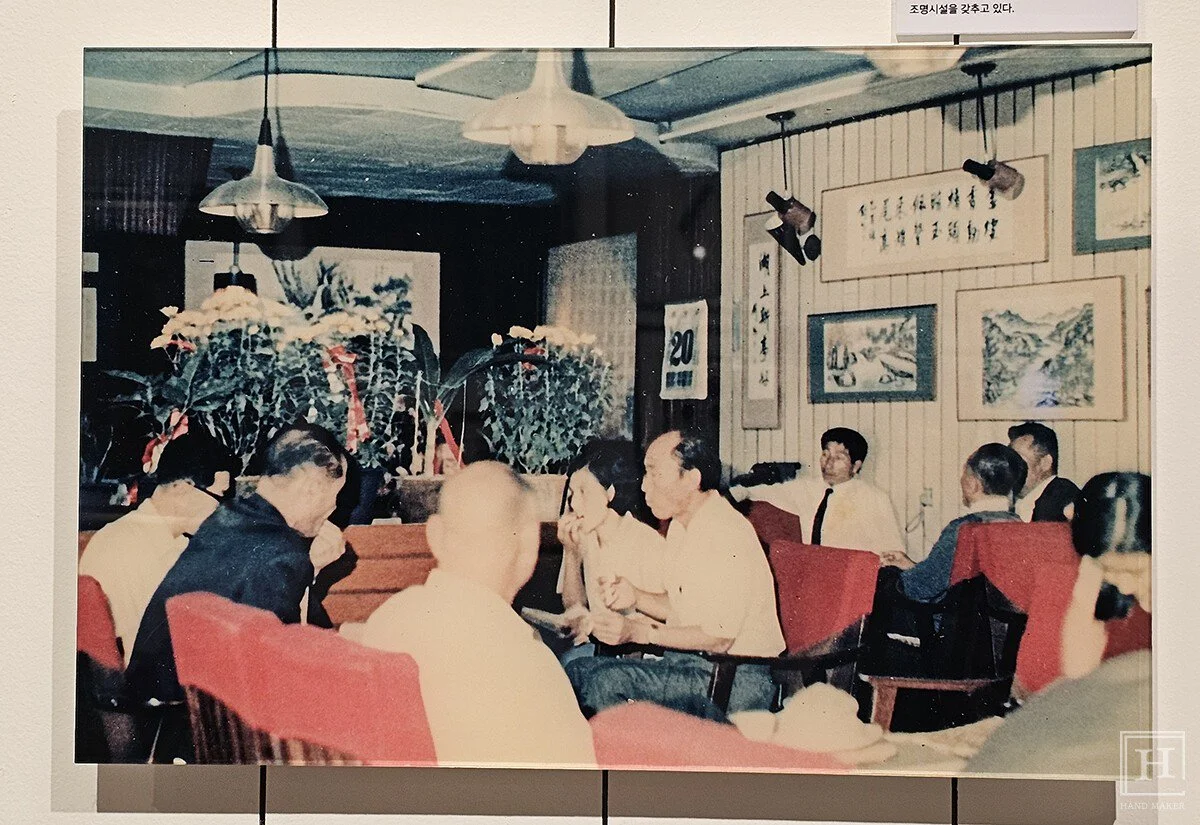
This is the appearance of Eunseong Coffeehouse where the 1st Oso Exhibition was held in 1969. The Oso Exhibition was a group formed by artists from Incheon aged 50 and older, and the members of the 1st Oso Exhibition were Lee Gyeong-seong, Kim Yeong-geon, Park Eung-chang, Yoon Gap-ro, and Woo Mun-guk. Because the space was small, works were hung densely, and lighting facilities were installed to illuminate the pieces.
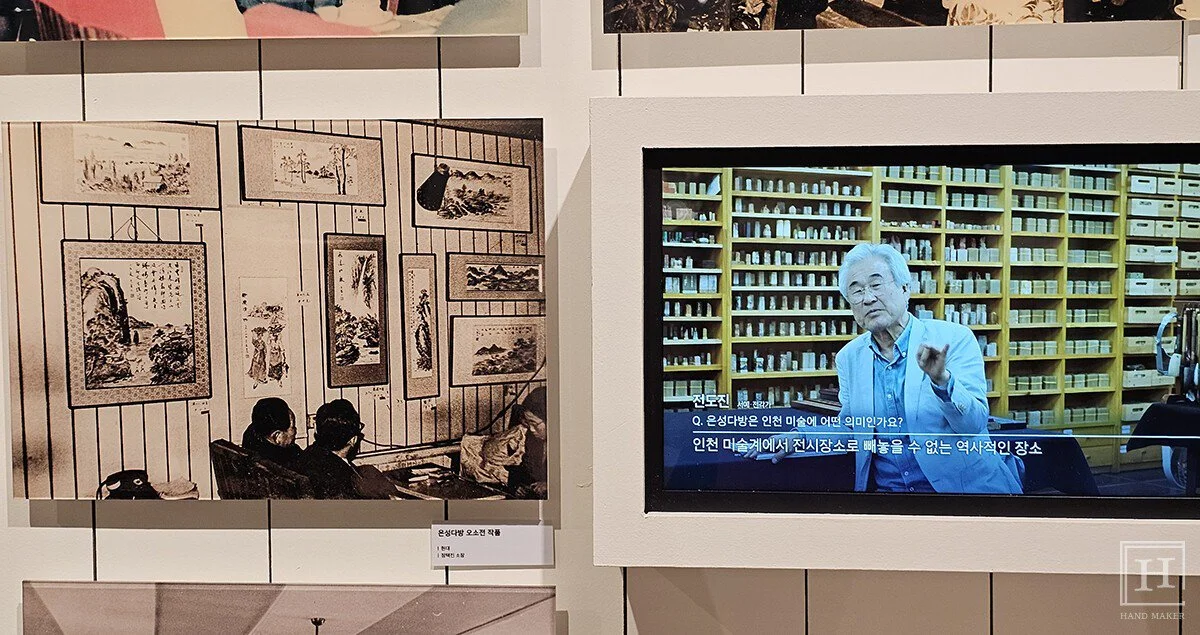
In the spring of 1969, Lee Gyeong-seong, Woo Mun-guk, and Kim Yeong-geon, who gathered at Eunseong Coffeehouse, agreed to "let's hold an exhibition among people over 50." When they picked the oldest painters living in Incheon among those aged 50 and older, five people gathered: Park Eung-chang, Yoon Gap-ro, Kim Yeong-geon, Woo Mun-guk, and Lee Gyeong-seong, and they became the Oso Association.
In 'Oso (五素)', 'O (五)' represents the age of 50, and 'So (素)' carries the meaning of being simple, easygoing, and frugal. Later, Yoo Hui-gang, Jang In-sik, Jeong Jae-heung, Oh Seok-hwan, and Hwang Byeong-sik joined, and the Oso Association held a total of 8 exhibitions at the coffeehouse until 1978. These exhibitions received more attention than other group exhibitions.
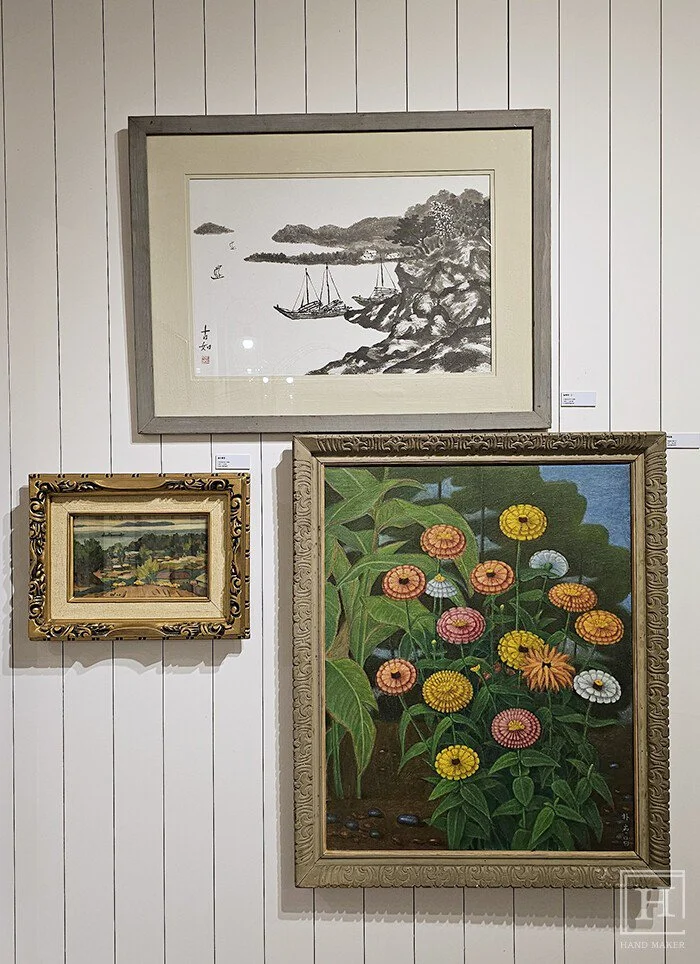
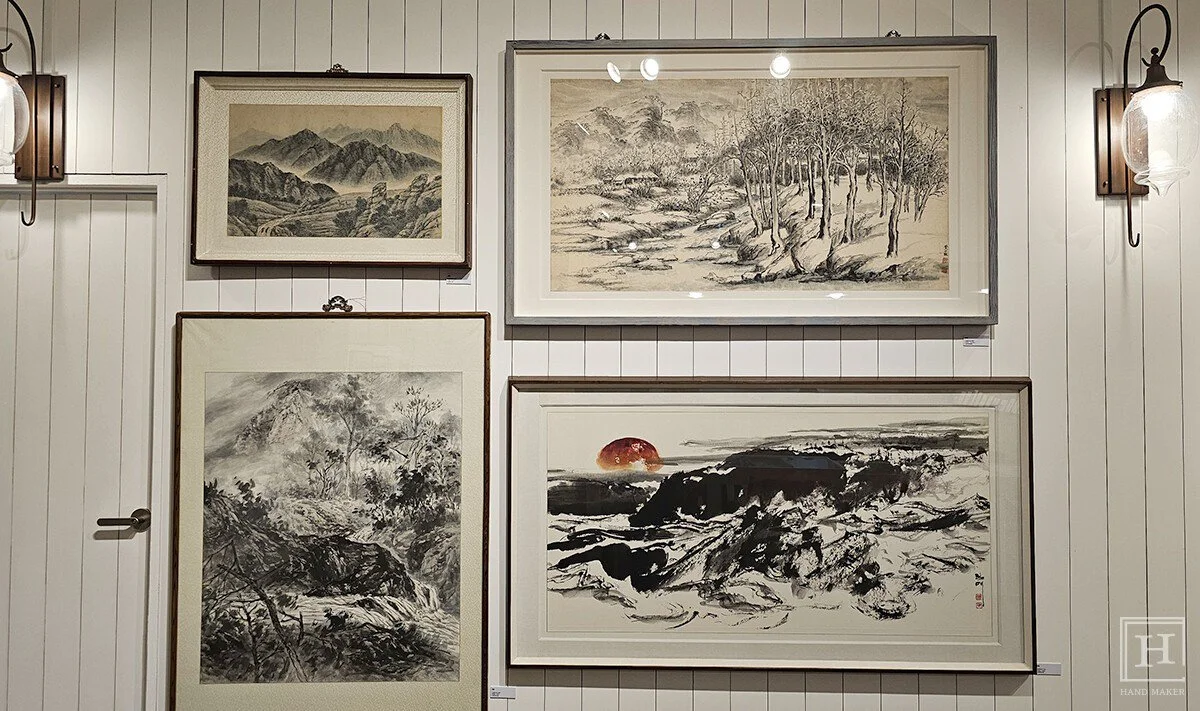
This time, works by Lee Gyeong-seong, Woo Mun-guk, Kim Yeong-geon, and Yoo Hui-gang, which were mainly introduced in previous exhibitions, are also being revealed along with works by former Incheon Mayor Yoon Gap-ro and painter Park Eung-chang.
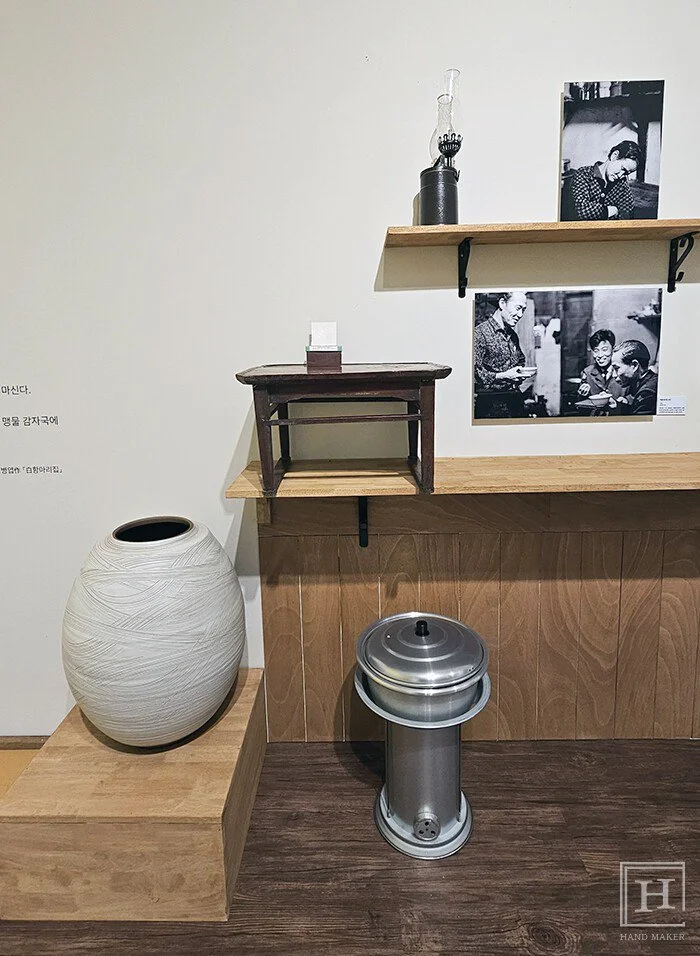
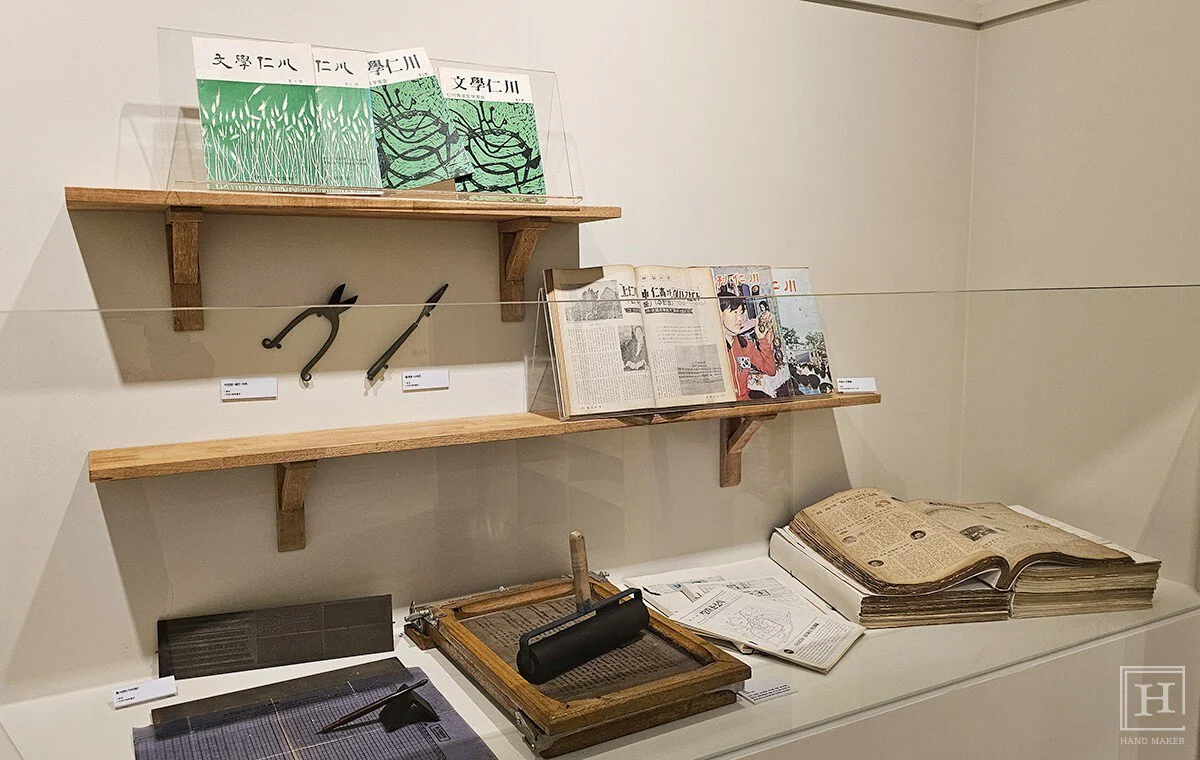
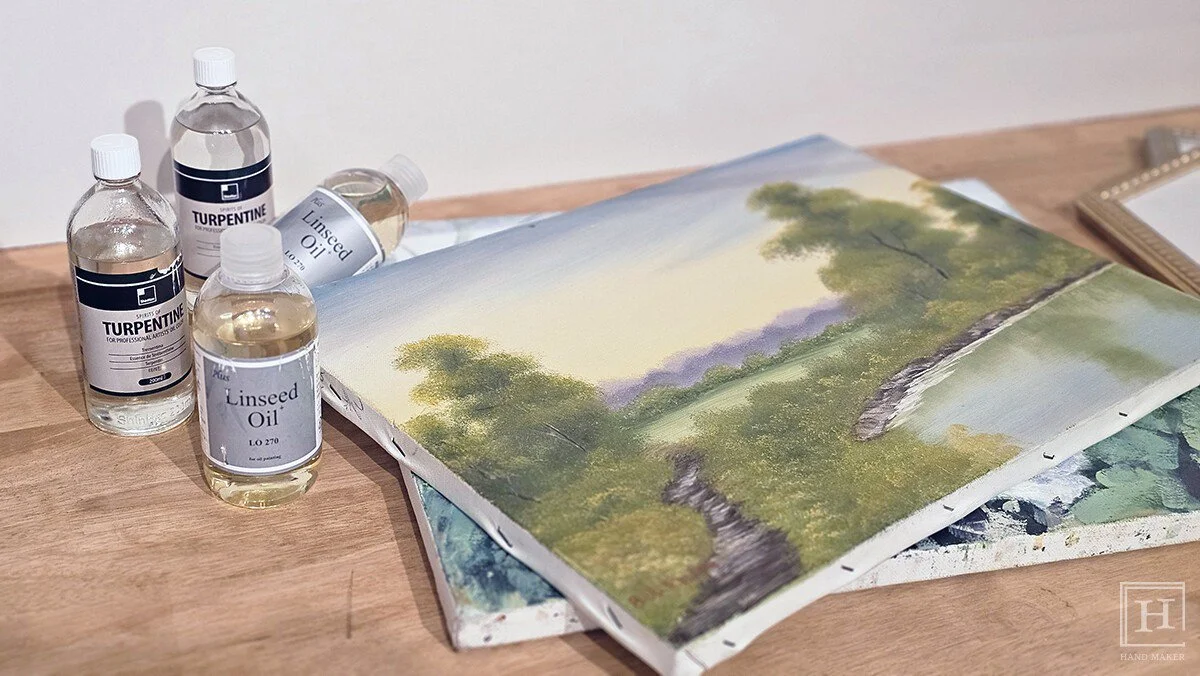
Part 3 tells the stories of Mimunsa, Jeom Gallery, and White Jar Tavern, which were stages for artists' activities alongside Eunseong Coffeehouse.
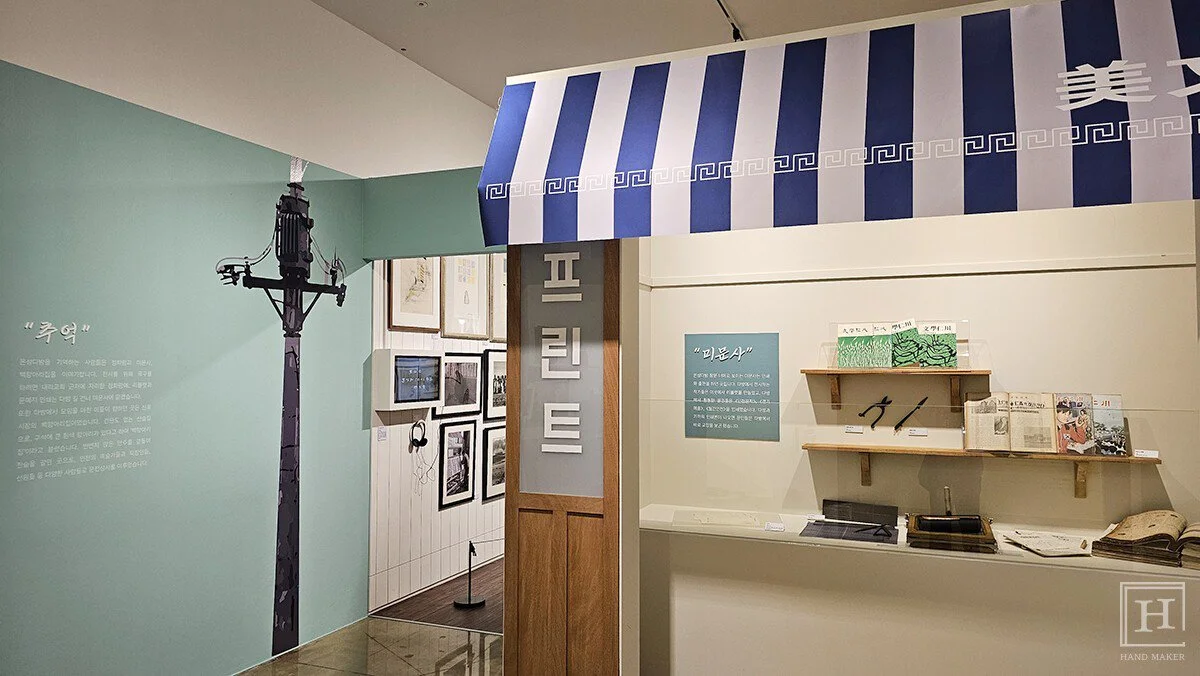
Those who remember Eunseong Coffeehouse speak of Jeom Gallery, Mimunsa, and White Jar Tavern. To frame works for exhibitions, they went to Jeom Gallery located near Naeri Church, and for printing leaflets and literary magazines, they entrusted the work to Mimunsa across the street from the coffeehouse. After finishing gatherings at the coffeehouse, people headed to White Jar Tavern in Sinpo Market. It was a tavern without a sign, called White Jar Tavern because it was said to have a large white jar in the corner. Selling single glasses of liquor with modest side dishes, it was crowded with various people including Incheon's artists, office workers, and sailors.
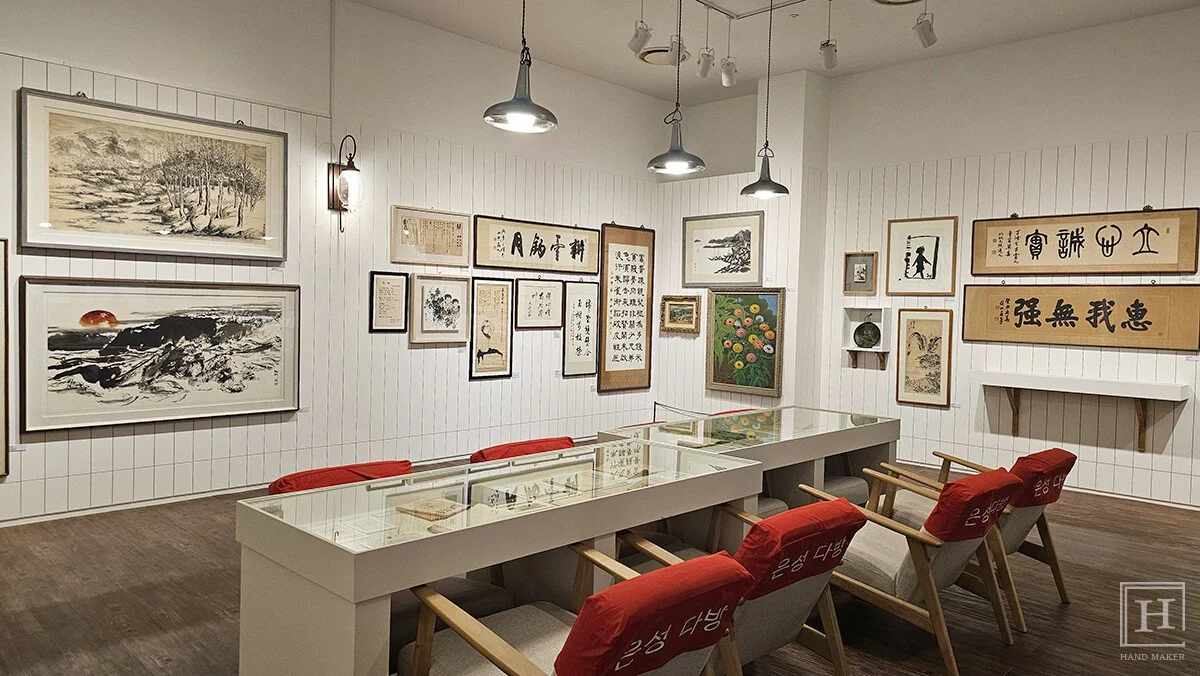
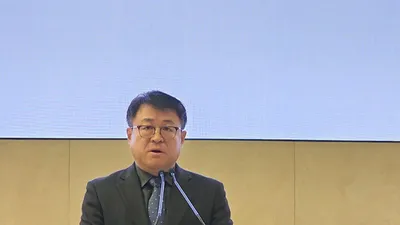
Currently, it is difficult to find the old appearance of the spaces except for Jeom Gallery, but this exhibition is expected to revive the lost spaces and stories of those days through the oral accounts of those who remember them. Kim Sang-yeol, director of the Incheon Urban History Museum, stated, "Through this exhibition, I hope visitors will remember the history of Incheon's culture and arts contained in Eunseong Coffeehouse and the passion of the artists of those days."
Reporter at HANDMAKER (핸드메이커), a Korean magazine devoted to crafts and handmade culture. Covers exhibitions, traditional crafts and the makers behind them.
Comments 0
Comments are currently disabled.