
Jeonbuk Museum of Art to host regional history and Saemangeum exhibitions
The Jeonbuk Museum of Art will host two special exhibitions exploring the relationship between regional art and society, as well as the history of life and development in the Saemangeum area.
The Jeonbuk Museum of Art will host two special exhibitions from the 23rd until February 14, 2027, featuring 78 pieces from a collection donated in 2005 and various records documenting the land reclamation and industrialization of the Saemangeum area.
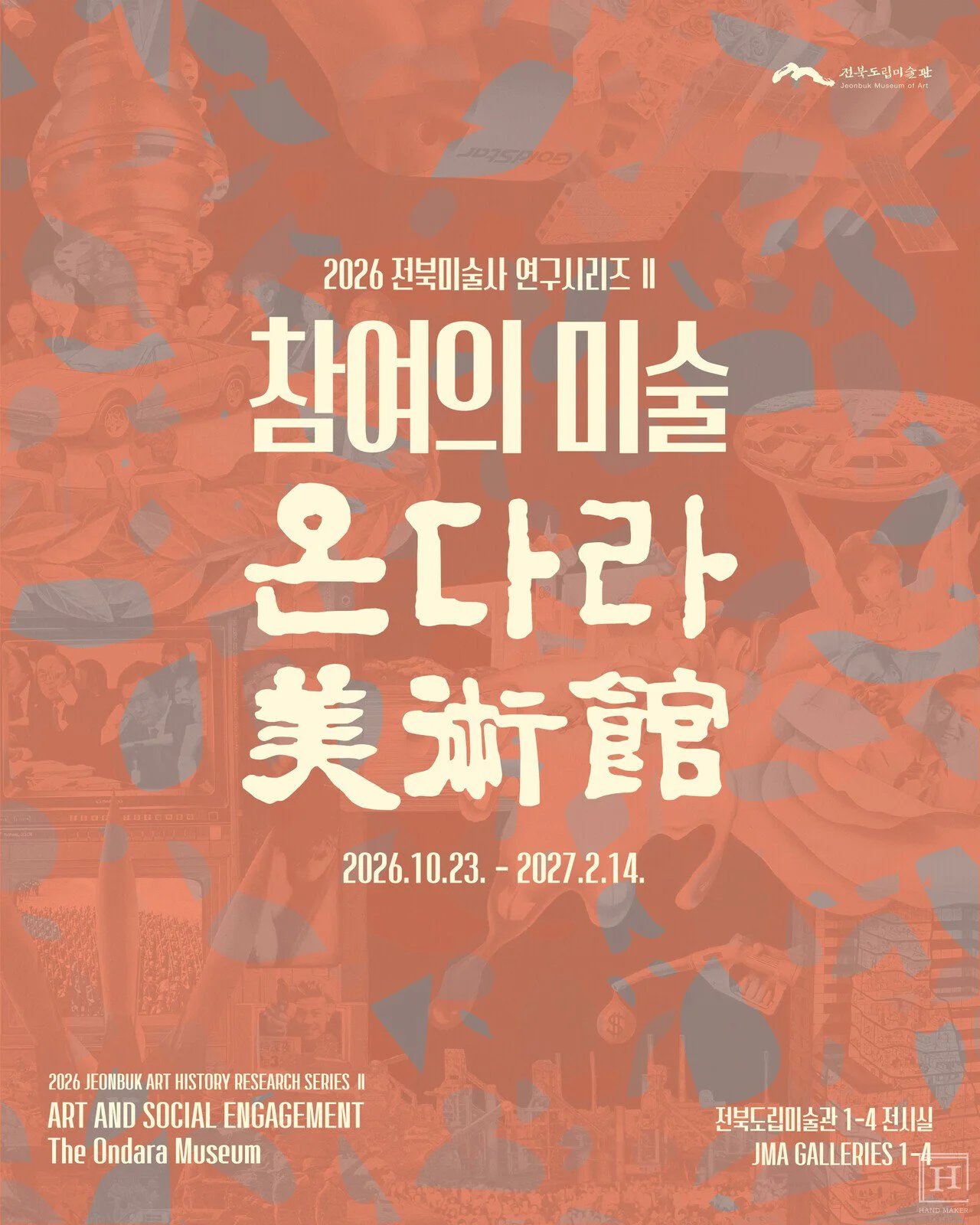
The Jeonbuk Museum of Art is preparing two special exhibitions to examine the relationship between regional art and society, alongside the history of life and development accumulated in the Saemangeum area. The exhibitions will introduce regional history and memories through various works, ranging from the records of the Ondara Art Museum, which operated in Jeonju during the late 1980s, to the landscapes of Saemangeum transformed by land reclamation and industrialization.
The Jeonbuk Museum of Art announced that it will host the Jeonbuk Art History Research Series II, "Art of Participation: Ondara Art Museum," and the special exhibition "The Wide Fields of Gimje and Mangyeong, Where Water Once Was" at its main building from the 23rd until February 14, 2027.
"Art of Participation: Ondara Art Museum" is an exhibition that examines the process of how regional art and society related to one another through the activities of the Ondara Art Museum, which operated in Jeonju from 1987 to 1992. As part of the Jeonbuk art history research exhibitions continuing since 2022, it highlights not only the artworks but also the role of the exhibition space in connecting artists and forming art discourse.
Amidst the democratization movements and social changes of the 1980s, the Ondara Art Museum aimed to be a "space of truth and a space of practice." It discovered local artists, engaged in exchanges with art scenes in the Seoul metropolitan area and overseas, and hosted art history lectures, education, and film festivals. It also continued activities to accumulate records of regional art by collecting works.
The exhibition will be held across four exhibition rooms. It will introduce the activities of local young artists and the art group "Fields, Wind and People," including the "Shin Hak-chul Invitational Exhibition," which was the opening exhibition of the Ondara Art Museum. It will also cover the 1988 exhibition "Minjung Art: A New Cultural Movement in Korea," co-planned with Artists Space in New York, and a printmaking exhibition held in connection with Geurimmadang Min in Seoul.
The exhibition examines how Minjung art expressed contemporary social issues through artworks. It interprets "participation" not as being limited to a specific art style, but as an attitude of seeking to relate to society through works without ignoring the issues of the era.
In this exhibition, 78 pieces will be presented out of approximately 570 items from the collection donated in December 2005 by Kim In-cheol, the founder of the Ondara Art Museum, to the Busan Democratic Uprising Memorial Association. This marks the first time these works are being made public at the Jeonbuk Museum of Art.
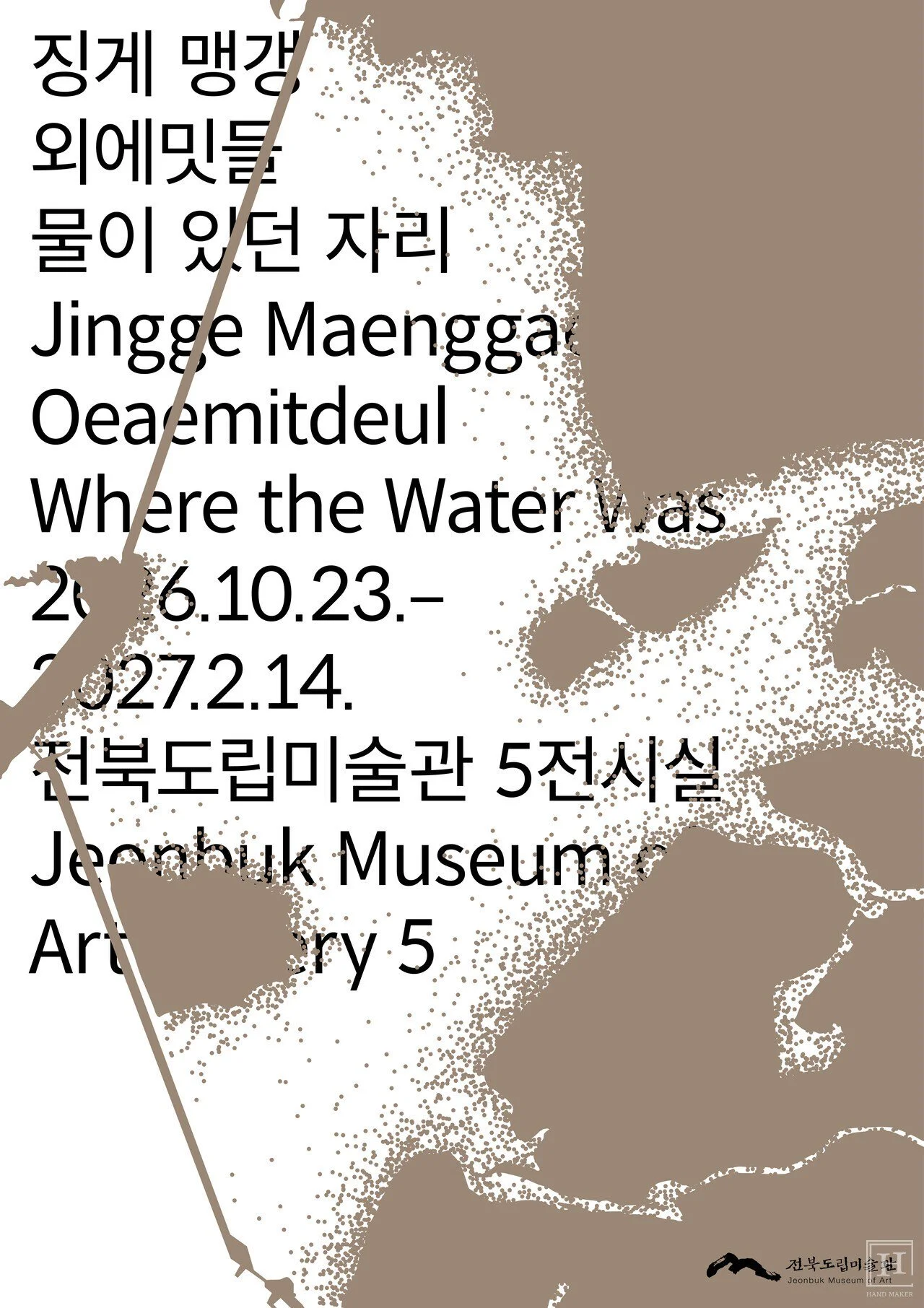
The concurrently held "The Wide Fields of Gimje and Mangyeong, Where Water Once Was" examines the history of life, labor, ecological changes, land reclamation, and industrialization in the Saemangeum area through artworks and records. "The Wide Fields of Gimje and Mangyeong" is a dialect term meaning "the wide fields of Gimje and Mangyeong." The exhibition illuminates the process through which the region, where rivers, seas, and fields once met, has changed through land reclamation and development from various periods and perspectives.
The exhibition features works by Noh Suntag, Lim Eung-sik, Cho Chun-man, Cha Jae-min, Hwang Yoon, and Hertz and Dough. It also presents documentary materials such as postcards and maps related to land reclamation and irrigation projects during the Japanese colonial period, as well as personal letters. The exhibition explores the changes in Saemangeum, ranging from photographs capturing the former coastline to contemporary art dealing with ecological changes, land reclamation, and industrial facilities.
By arranging works and records created for different periods and purposes together, the exhibition is composed to view Saemangeum not as a single landscape, but as a place where diverse lives, memories, and relationships have accumulated.
Lee Gi-jeon, director of the Jeonbuk Museum of Art, said, "Although the two exhibitions deal with different themes, they share the commonality of re-examining the regional history and the lives and activities that have continued within it from today's perspective. I hope this serves as an opportunity for visitors to view the familiar history and places of the region from a new perspective."
Reporter at HANDMAKER (핸드메이커), a Korean magazine devoted to crafts and handmade culture. Covers exhibitions, design and the people who make things by hand.
Related Articles
Four Artists Explain the Science Behind Their Work at Seoul Science Center's Starlight Festival
17 Paintings by Visually Impaired Artists on Display... "A World Met Through Fingertips" Held in Yeoju
Comments 0
Comments are currently disabled.