
"A Day in the Life of a Bukcheong Water Carrier" at the Waterworks Museum: Seoul's Waterways 100 Years Ago
The Waterworks Museum is hosting a special exhibition titled "A Day in the Life of a Bukcheong Water Carrier" from October 1 to 31, exploring the lives of water carriers and the evolution of Seoul's water supply.
An exhibition will be held to examine the lives of the "Bukcheong water carriers" who roamed the alleys of Seoul carrying water A-frames over 100 years ago, and how water supply methods changed after the introduction of modern waterworks.
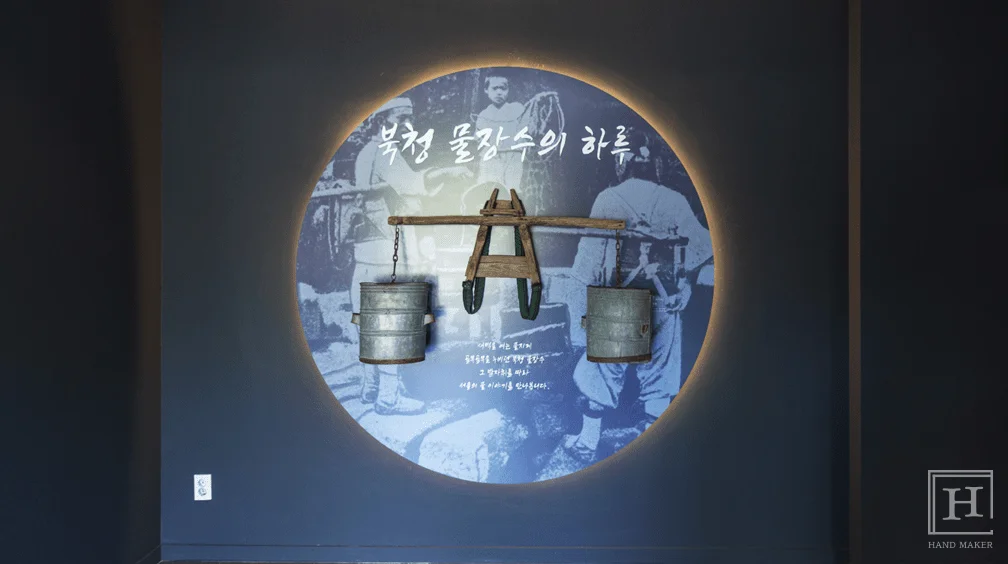
The Waterworks Museum of the Seoul Metropolitan Government announced that it will hold the special exhibition "A Day in the Life of a Bukcheong Water Carrier" from October 1 to 31.
The exhibition consists of three parts: "The Water Carrier Opening the Dawn," "From the Era of Water Carriers to the Era of Modern Waterworks," and "Meeting the Water Carrier Again." It sequentially introduces the background of the emergence of water carriers and the lifestyle of that time, the changes in water supply methods and roles following the distribution of modern waterworks, and the image of water carriers left in subsequent literature, songs, and dramas.
The exhibition hall will display about 50 items, including postcards featuring water carriers, water A-frames and buckets, newspaper articles from the time the waterworks opened in 1908, water meters, and literary, musical, and video materials.
Visitors can also participate in an experience where they can personally lift a water A-frame containing a water bucket weighing approximately 23 kg. Linked programs such as professional commentary programs, keychain making, and drawing will also be operated.
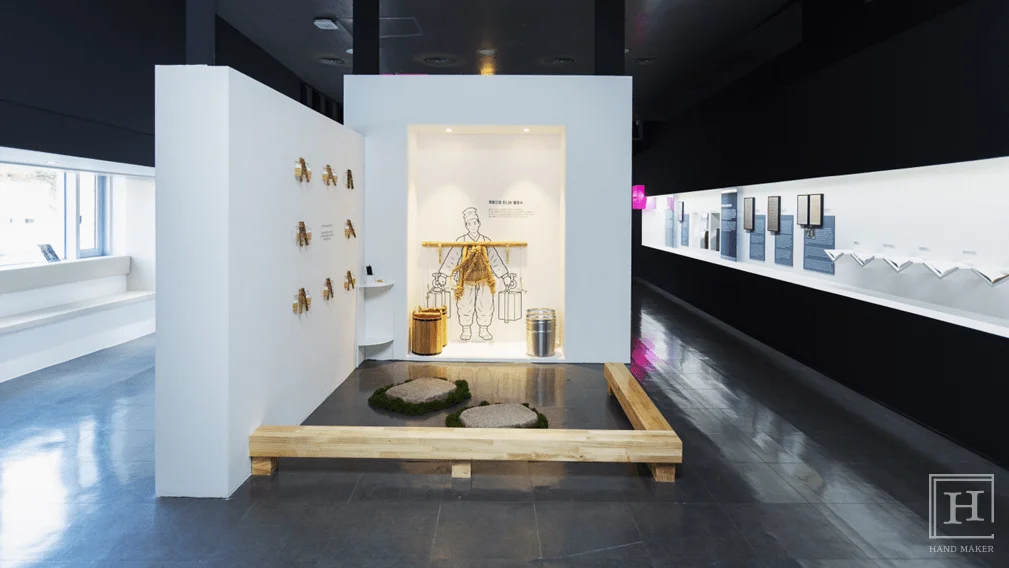
The Waterworks Museum is a specialized waterworks museum established based on the Ttukdo Water Source No. 1 Purification Plant built in 1908. This exhibition shows both the lifestyle of obtaining water before the distribution of waterworks and the changed appearance of Seoul following the introduction of modern waterworks.
The exhibition is free and can be viewed from 9 a.m. to 6 p.m., except for Mondays. Exhibition commentary can be applied for through the Seoul Public Service Reservation.
Lee Mun-ju, director of the Ttukdo Arisu Water Purification Center, said, "This is an exhibition to look at the lives of the Bukcheong water carriers and the process through which Seoul's water supply methods have changed," adding, "I hope it serves as an opportunity to reflect on the meaning of the tap water we use today."
Reporter at HANDMAKER (핸드메이커), a Korean magazine devoted to crafts and handmade culture. Covers exhibitions, traditional crafts and the makers behind them.
Comments 0
Comments are currently disabled.