
Arko Art Center exhibition re-examines Korean contemporary art trends
The Arko Art Center is hosting a special exhibition titled "The Collection: Scenes of the Times," featuring 70 works by 60 artists to showcase the evolution of Korean contemporary art. The exhibition utilizes the museum's collection, built since its opening in 1974, to trace artistic trends and the museum's historical role.
The Arko Art Center is hosting "The Collection: Scenes of the Times" through December 6, featuring 70 works by 60 artists. The exhibition traces Korean contemporary art from the 1970s to the 2000s using a collection that includes works donated from the Korea Art Exhibition.
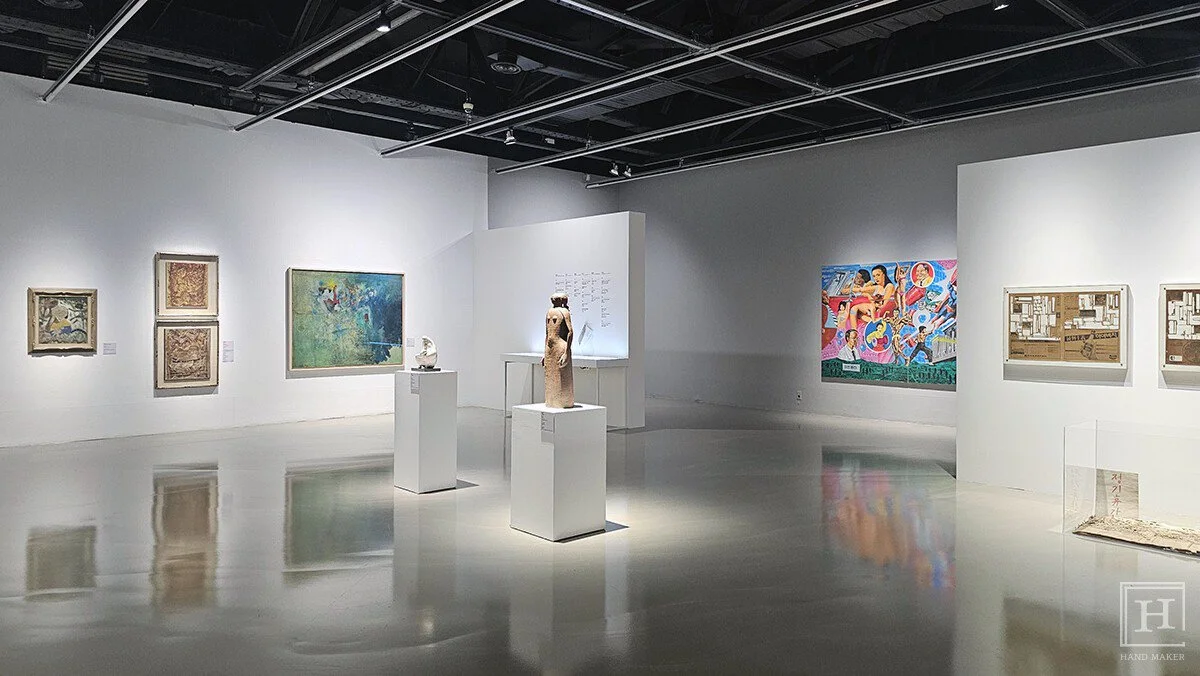
The Arko Art Center is holding a special exhibition, "The Collection: Scenes of the Times," running until December 6. The exhibition presents 70 works by 60 artists, including Kim Ku-lim, Lee Kun-yong, Sung Neung-kyung, Shin Hak-chul, and Yun Suk-nam, to examine the diverse trends and changes in Korean contemporary art from the 1970s to the 2000s through the collection amassed since the museum's opening in 1974.
The collection and its acquisition history are closely linked to the cultural and arts promotion policies of the Korea Culture and Arts Promotion Agency (now the Korea Culture and Arts Committee), established in 1973, and the exhibition history of the Arko Art Center (formerly the Art Center) operated by the Committee. Consequently, the collection serves as a vital record and a pillar of identity, reflecting period-specific art policies, changes in Korean contemporary art, and the role the museum has played within the contemporary art scene.
At the time of its opening in 1974, the Arko Art Center provided exhibition spaces for experimental young and unknown artists, as well as various art groups, through relatively low rental fees during an era lacking cultural infrastructure. It functioned as an open venue that introduced new trends and supported the activities of small groups and organizations. Since then, the center has transitioned from a rental-oriented model to a self-curated system, continuing its primary role of supporting experimental art and discovering artists.
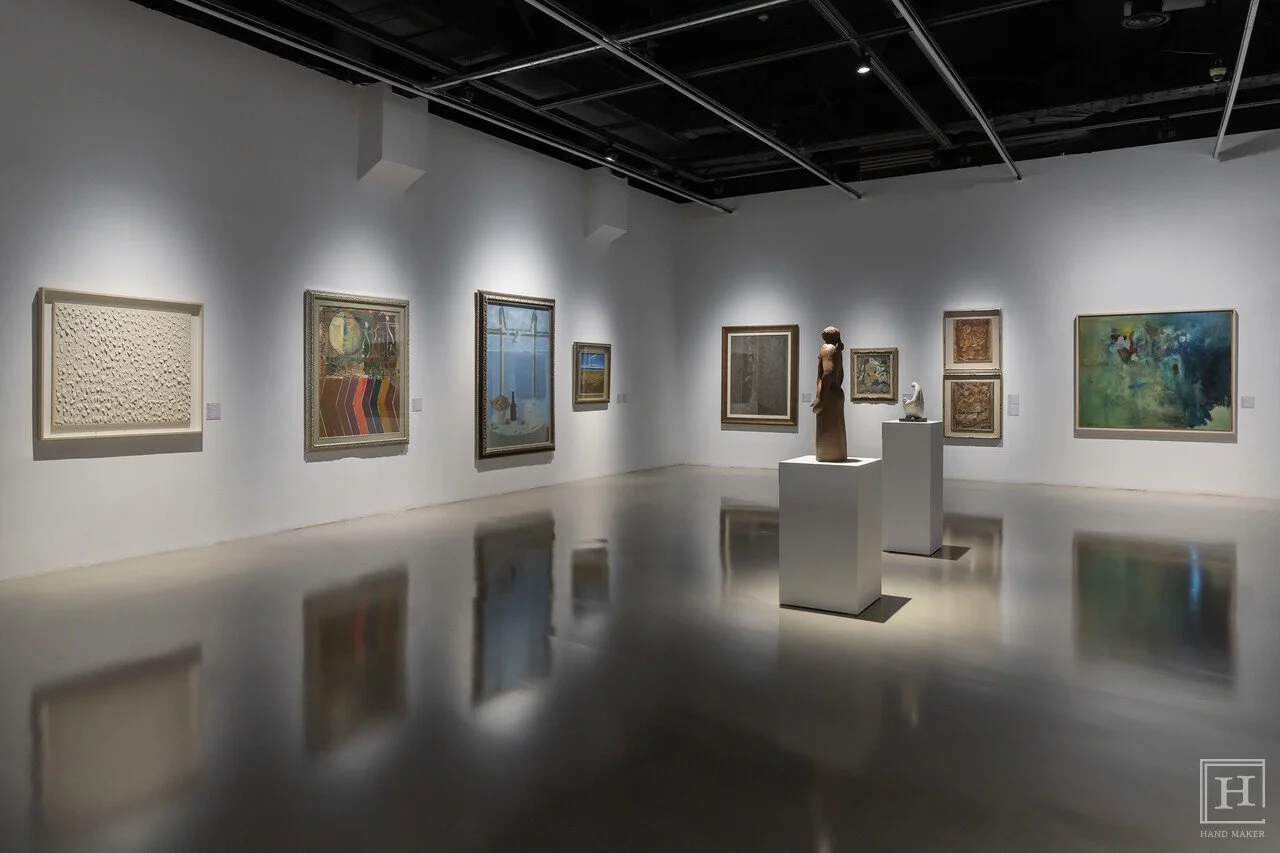
The collection process follows these operational changes. A significant portion of the 423 total works was intensively collected during the approximately 20 years following the museum's opening, with purchases and donations accounting for similar proportions. By genre, paintings are the largest category at approximately 30%, followed by sculpture and calligraphy at 18% each, installation/video and crafts at 13% each, and finally printmaking and photography. Notably, works that won awards at the Korea Art Exhibition, which was hosted and sponsored by the Korea Culture and Arts Committee from the 1980s to the mid-2000s, were acquired through donations and account for about 25% of the total collection.
This indicates that the initial formation of the collection was closely tied to the support systems of the Korea Culture and Arts Committee rather than an independent collection policy. In the 2000s, as self-curated exhibitions expanded and collection policies became more systematic, a large number of works featured in exhibitions were acquired, beginning to directly reflect the museum's direction.
Against this background, the exhibition selects 70 works by 60 artists who have participated in museum exhibitions from among the works produced between the 1970s and 2000s, which constitute the majority of the collection. The goal is to re-examine the artistic achievements of the artists and the value of the works while highlighting the flow of contemporary art and the footsteps of the museum.
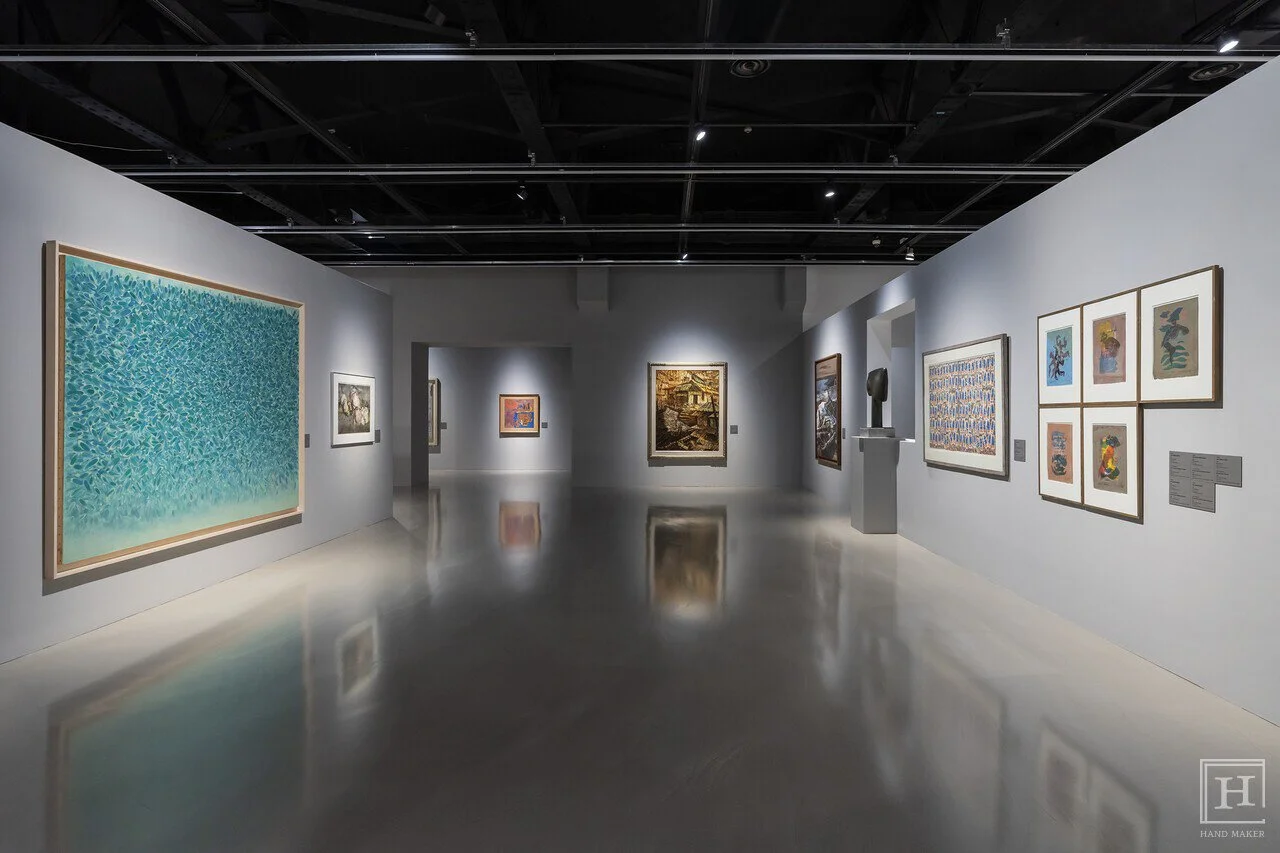
To achieve this, the exhibition organizes sections by decade based on the production year of the works, spanning from the 1970s to the 2000s. Rather than limiting each period to a specific art movement or style, these decades serve as coordinates to examine the major flows of contemporary art, history, policy, and exhibition history. Instead of clearly dividing major aspects by era, the exhibition encompasses various movements where multiple trends developed complexly under the influence of previous eras.
Furthermore, the primary periods of artist activity, the years of work production, and the timing of exhibition participation are not limited to specific eras, as it can be observed that most artists have worked across several generations through variations and changes in technique and style. Meanwhile, each section includes not only works but also archives containing the activities of artist groups and their exhibition histories, along with chronological timelines of exhibitions by era, to allow for an understanding of the works within a broad historical context.
1970s
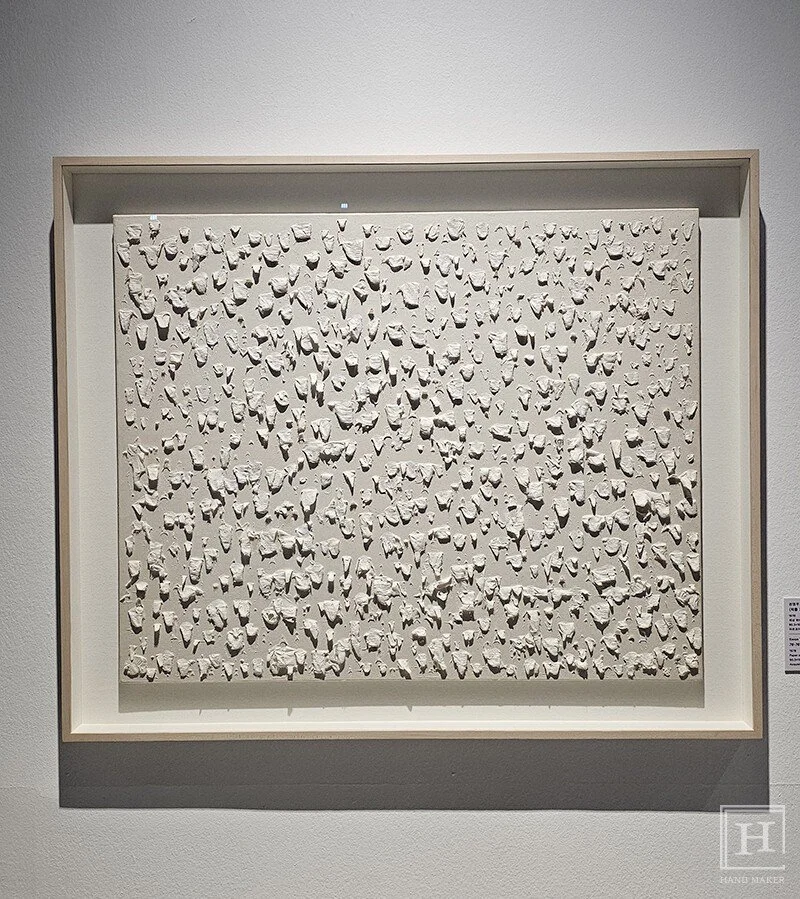
In the Korean art scene of the 1970s, while Dansaekhwa established itself as a major trend, there coexisted experimental art and geometric abstraction that emerged in the late 1960s, groups such as Gusangjeon which showed semi-abstract tendencies between figuration and abstraction, and hyperrealism and new experiments in form in the late 1970s. The museum, which opened in 1974 to expand the base of the art-participating population, captured these diverse scenes of change by supporting various solo and group exhibitions through its rental-centered operations.
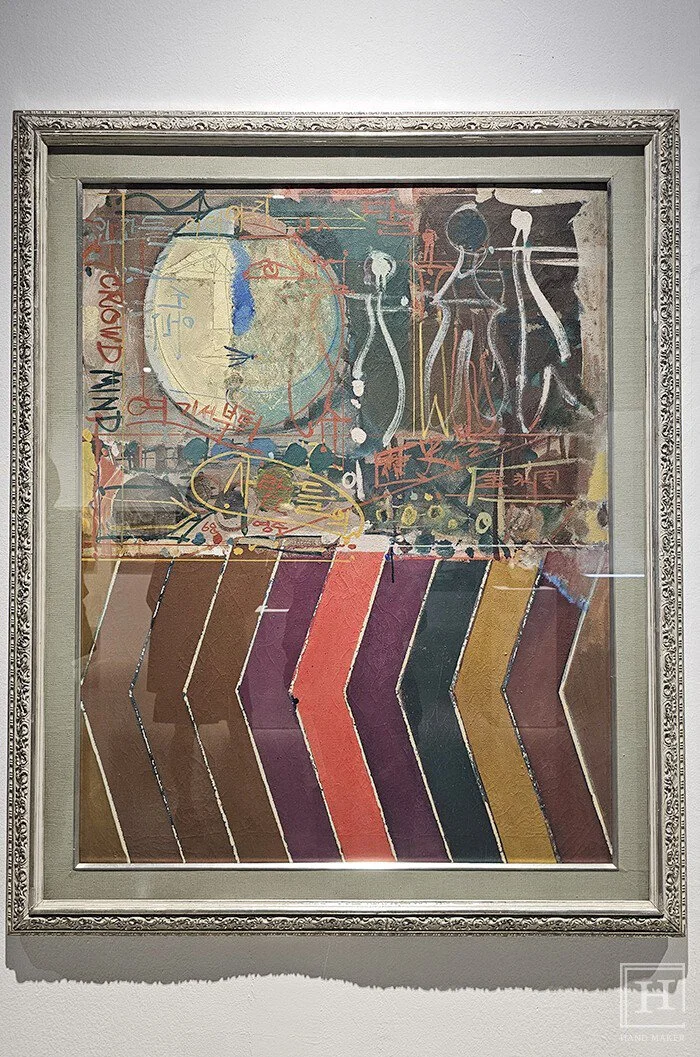
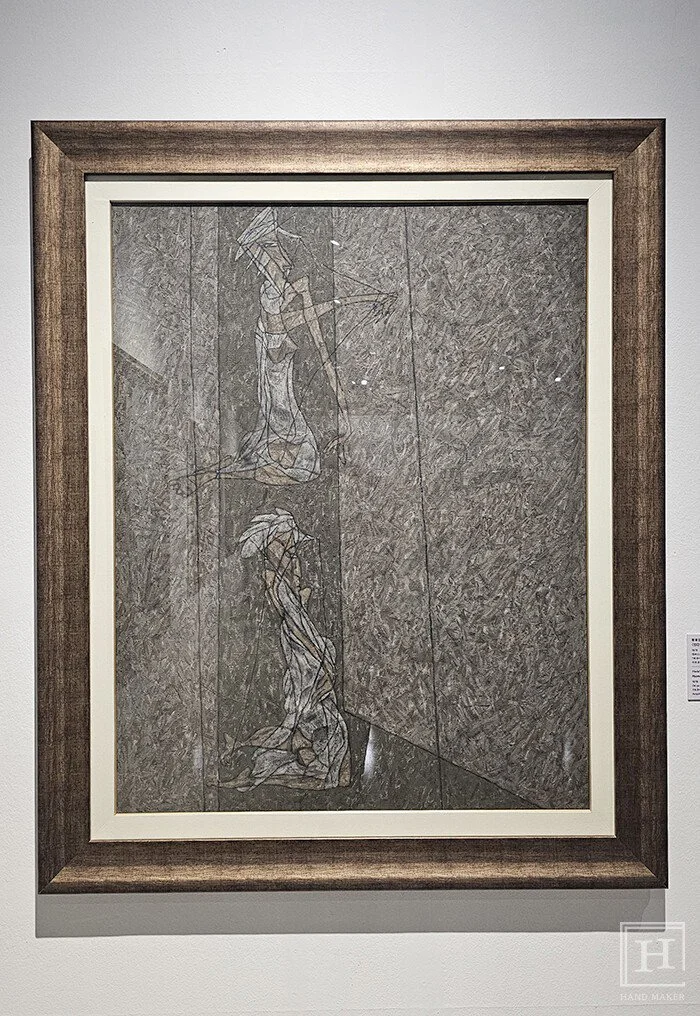
The center has hosted various exhibitions, including solo exhibitions by abstract and semi-abstract artists such as Kim Young-joo, Hong Jong-myeong, and Hwang Yong-yeop, as well as the 《National Invitational Exhibition of Craftspeople》 and 《National Invitational Exhibition of Sculptors》, which highlighted various craftspeople and sculptors. Additionally, it hosted the founding exhibitions for groups such as the ‘Korean Young Artists Association’, ‘Seoul Method Artists Association’, and ‘Korean Figurative Sculpture Association’, which explored the experimentation of emerging artists and new trends and methods in media. It also supported the activities of various artist groups and small groups, including ‘Mokwuhwe’, ‘Seoul '70’, ‘Group 3’, and ‘December’, thereby introducing and leading the contemporary art trends and flows.
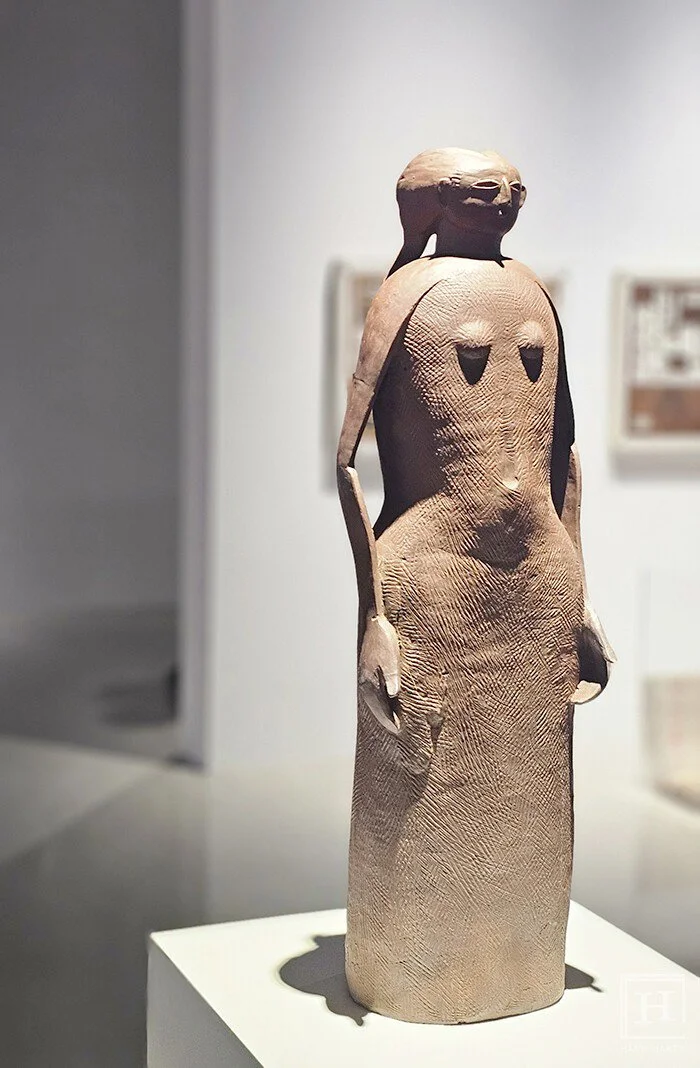
In particular, the opening commemorative exhibition 《Korean Art - Methods of Today》, held when the museum moved to its current location in Dongsung-dong in 1979, was one of the representative exhibitions that surveyed the multi-layered aspects of Korean contemporary art at that time. In the 1970s section, the diverse aspects of contemporary art are examined through about ten works by 10 artists—allowing a glimpse into the multifaceted trends of this period, such as Dansaekhwa, figurative and abstract, semi-abstract, experimental art, and sculpture—along with related exhibition history materials.
1980s
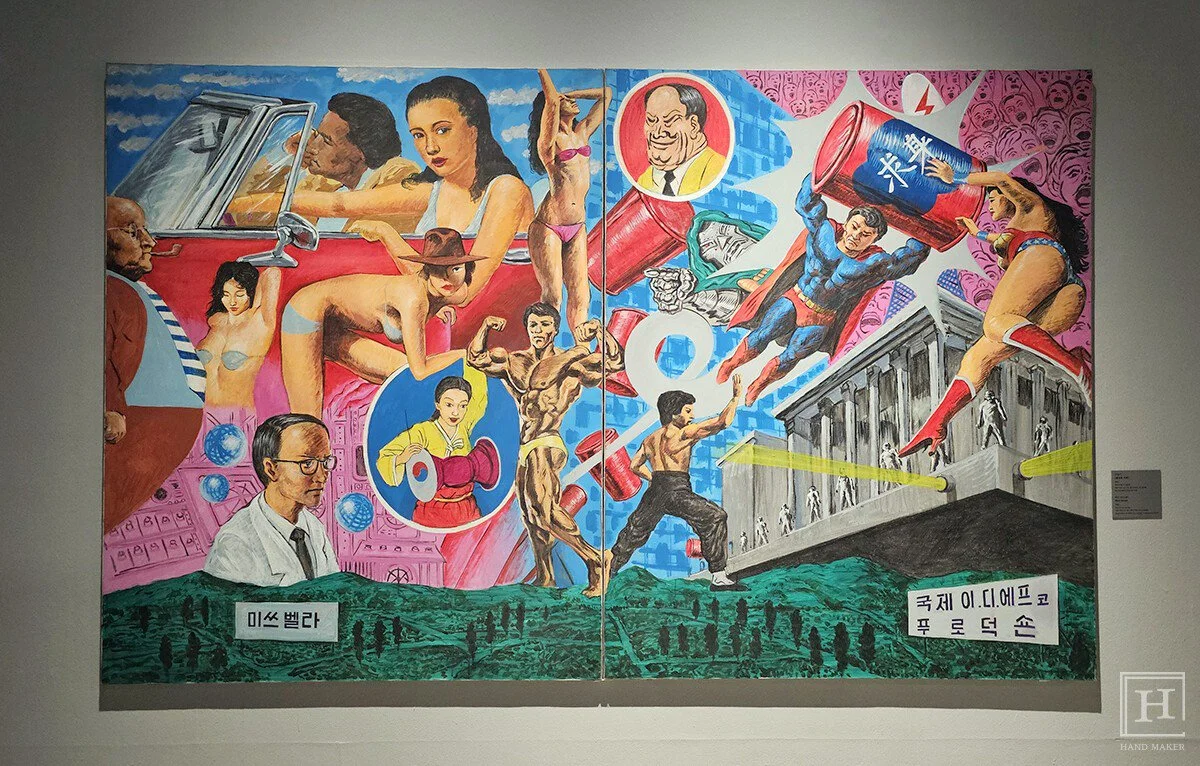
In the first half of the 1980s, Minjung art, which advocated realism, emerged rapidly and formed a confrontational structure with the modernism camp, and the social voice of art regarding democratization and reality emerged as an important role. In the latter half, under the influence of pluralistic postmodernism, free aesthetic experiments that broke away from genres, media, and existing norms appeared explosively.
In this way, as hyperrealism, new figurativeness, Minjung art, and post-modernist and anti-modernist experiments intersected with the existing modernist flows, the landscape of Korean art became even more diversified. Furthermore, in abstract art, a more expressive and mixed free trend appeared, centered around artists in their 30s.
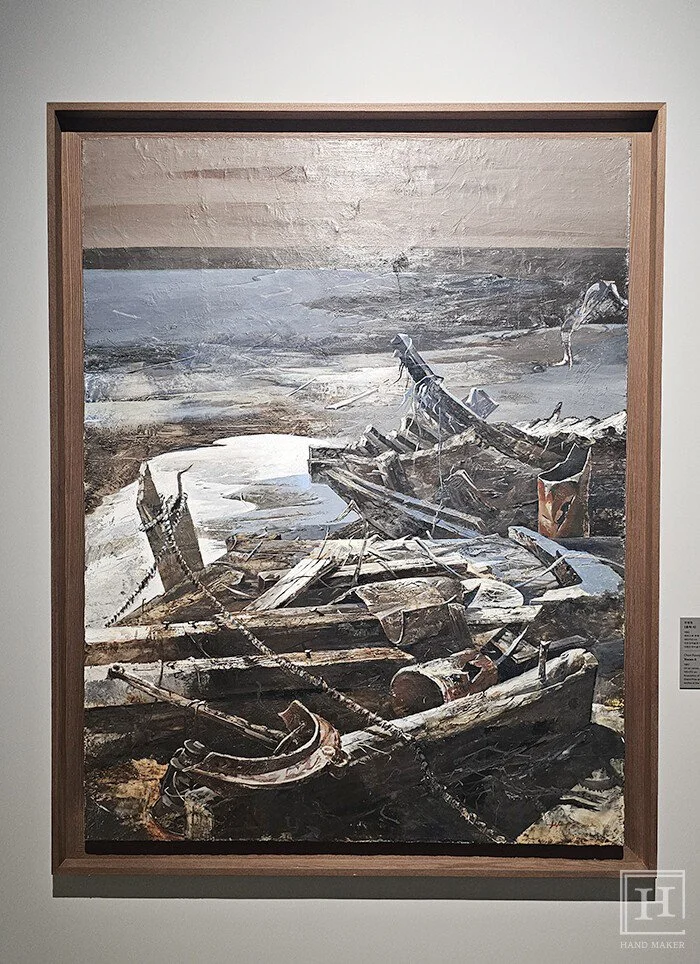
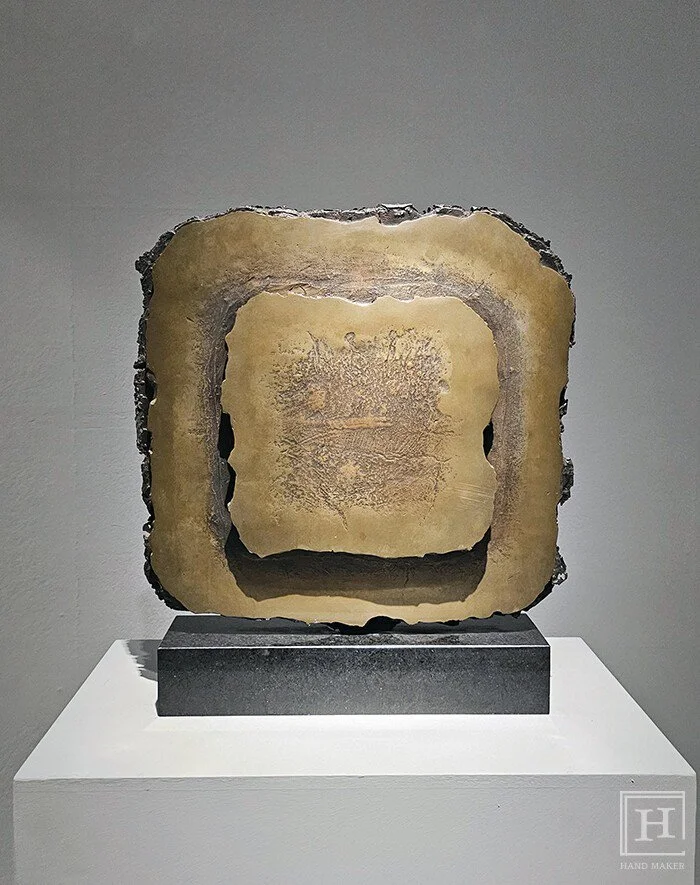
Following the changes in art and culture policy in 1982, the ‘National Art Exhibition of Korea’, which had been maintained for 30 years, came to an end, and the Arts Council Korea began hosting the ‘Korea Art Exhibition’, a new large-scale national competition for newcomers. Through this, the aim was to promote the revitalization of Korean art by discovering and nurturing talented newcomers, and the winning works from the period of hosting and sponsorship (1982–2006) were collected by the museum through donations. In 1987, the 《1982–1986 Korea Fine Arts Grand Exhibition Award Winners Invitational》 was held by gathering some of the winning works of the Korea Art Exhibition, retracing the changes in the working trends of the winning artists and the significance of the Korea Art Exhibition.
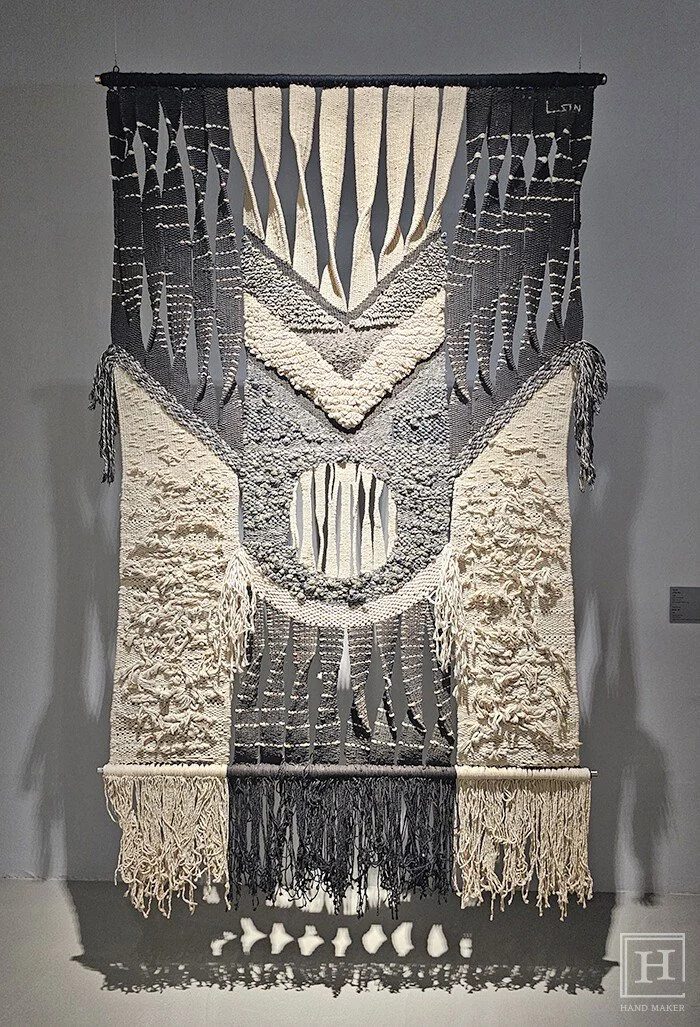
In the 1980s section, about twenty works of painting, sculpture, craft, and printmaking—including unpublished works by Park Saeng-kwang and winning works of the Korea Art Exhibition, as well as experimental aspects of Korean painting and the multifaceted trends of figurative and abstract art—are introduced along with related exhibition materials.
1990s
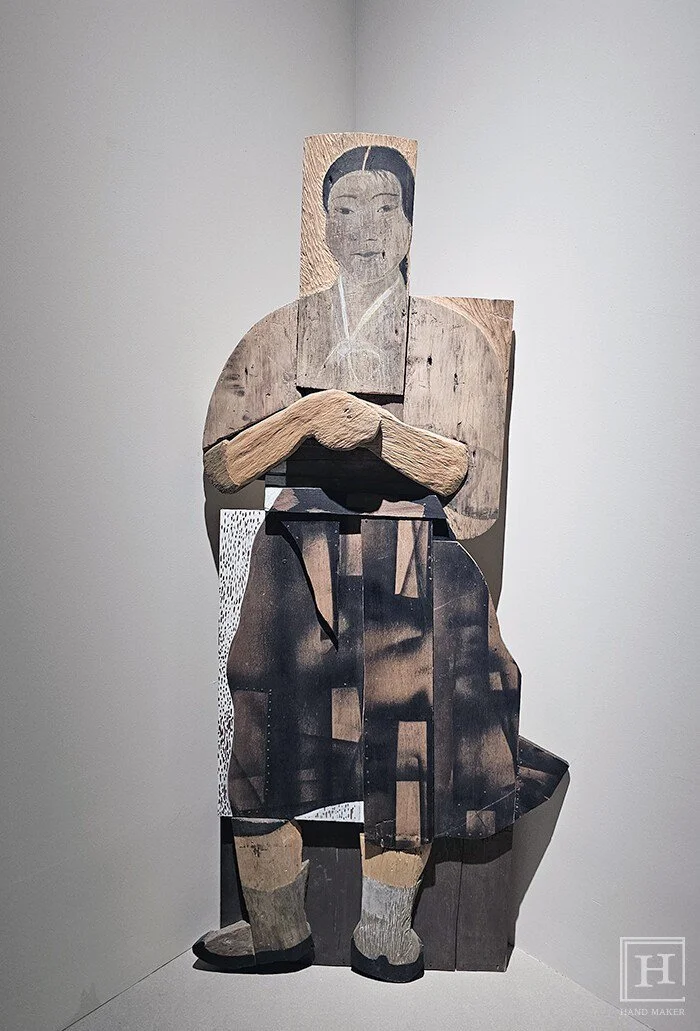
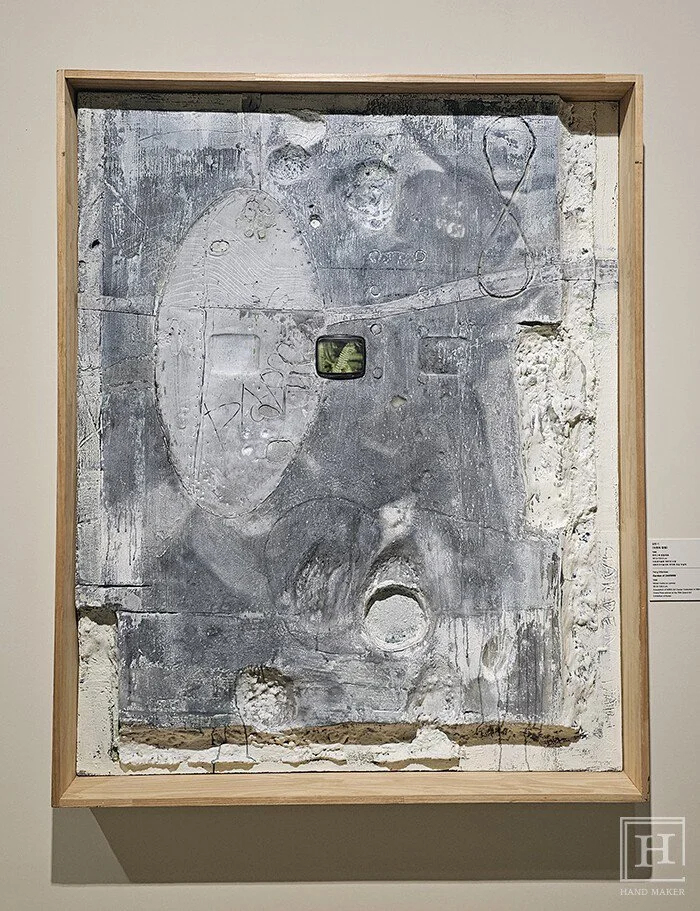
In the 1990s, along with democratization, globalization, and the advancement of information and communications technology, new changes emerged across Korean society and the art world. With the spread of postmodern discourse, a new generation of art emerged that crossed the boundaries of existing genres and media, and cultural policies also gradually shifted from a nation-centered perspective toward internationalization and globalization.
Amid these changes, the museum revitalized its own special exhibitions and focused on introducing the experimental works of young artists. Representatively, 《New Generation Trends in Korean Contemporary Art》(1992–2002) introduced a large number of new works by young artists, primarily in their 30s, and featured participants such as Lee Ki-bong, Yang Man-gi, Shin Jang-sik, Kang Seung-hee, Lim Minouk, Ham Yang-ah, Jeong Su-jin, and Park Ki-won.
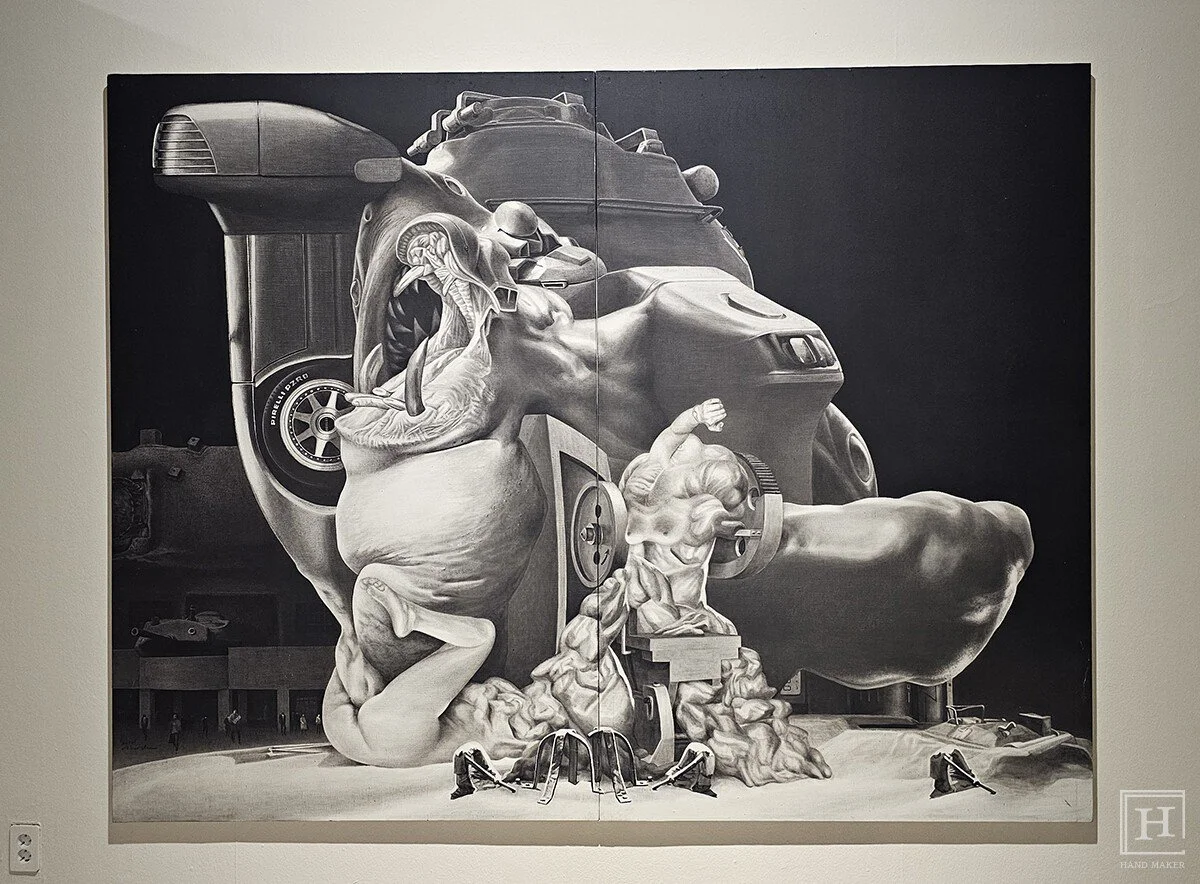
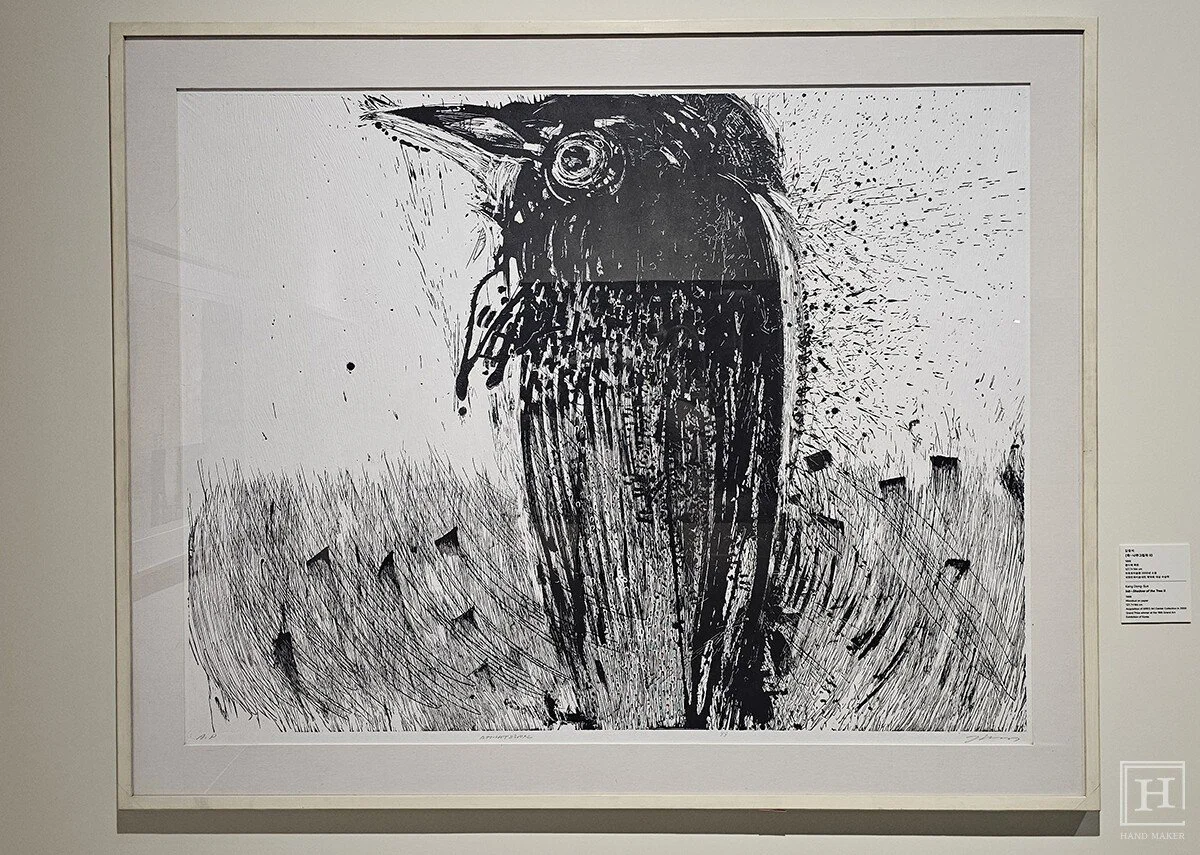
This exhibition, which explored different themes every time over a decade—such as city, ecology, body, and technology—led the diversification of art, produced major contemporary discourses, and is still mentioned as one of the museum's representative exhibitions today. At the same time, the 'Special Invitational Exhibition (formerly Representative Artist Exhibition),' which focused on one mid-career or senior artist per session—such as Lee Kun-yong, Kim Ku-lim, and Shin Hak-chul, who have built experimental and original artistic worlds—sought to build a differentiated image by highlighting the museum's public and leading role.
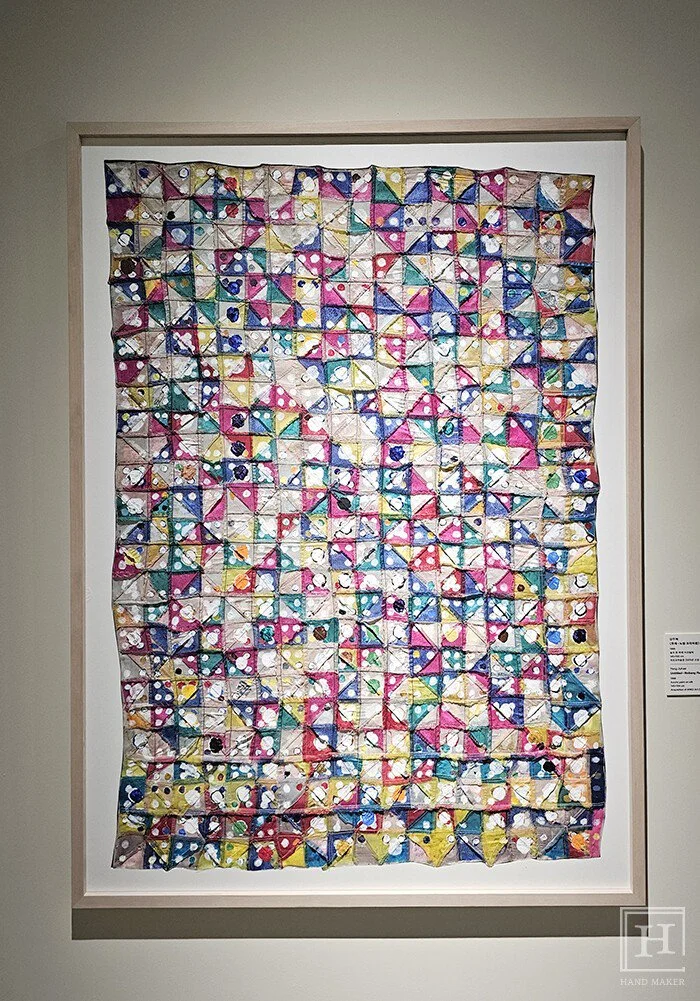
The museum also hosted exhibitions by various groups of sculptors, craftspeople, and printmakers, capturing the multi-layered landscape of the 1990s art scene through its exhibitions. This section introduces works including award-winning pieces from the Korea Art Exhibition, works showing the diversification of Korean painting that has continued since the 1980s, experimental prints, sculptures, crafts, and about ten works from the 1990s by artists who participated in the aforementioned major exhibitions.
2000s
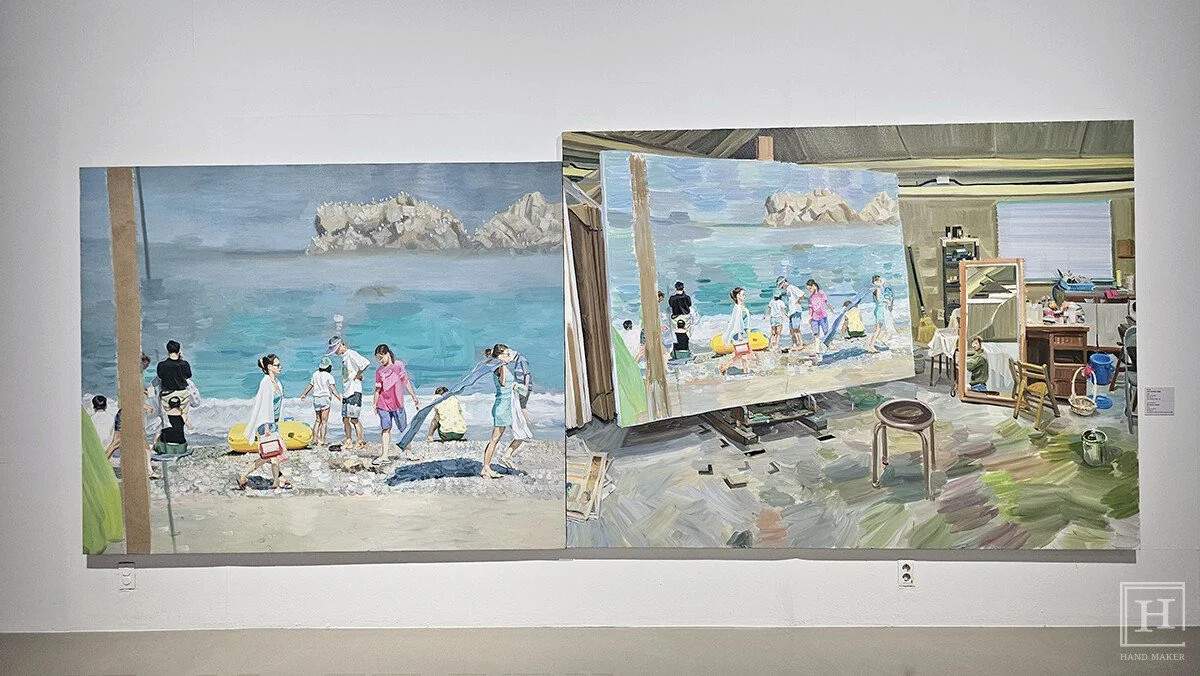
Entering the 2000s, new policies were introduced to support artistic activities that had been contracted following the IMF financial crisis in the late 1990s. Amid this change, the museum changed its name to 'Marronnier Art Center' in 2002, seeking to strengthen its social functions and curatorial capabilities as a public art museum.
And in 2004, it completely abolished the rental exhibitions that had continued for decades and actively presented themed special exhibitions that explored the museum's geographical, historical, and cultural identity and new ways of communicating with the audience. Representative examples include 《Park, Pause, People》 (2003) featuring Yang Ju-hye and Choi Min-hwa, 《Clouds》 (2004) featuring Kim Ho-deuk, Park Ki-won, Choi Jin-wook, and Kim Eull, and 《Gradually, Power Station》 (2005) featuring Kim Su-beom.
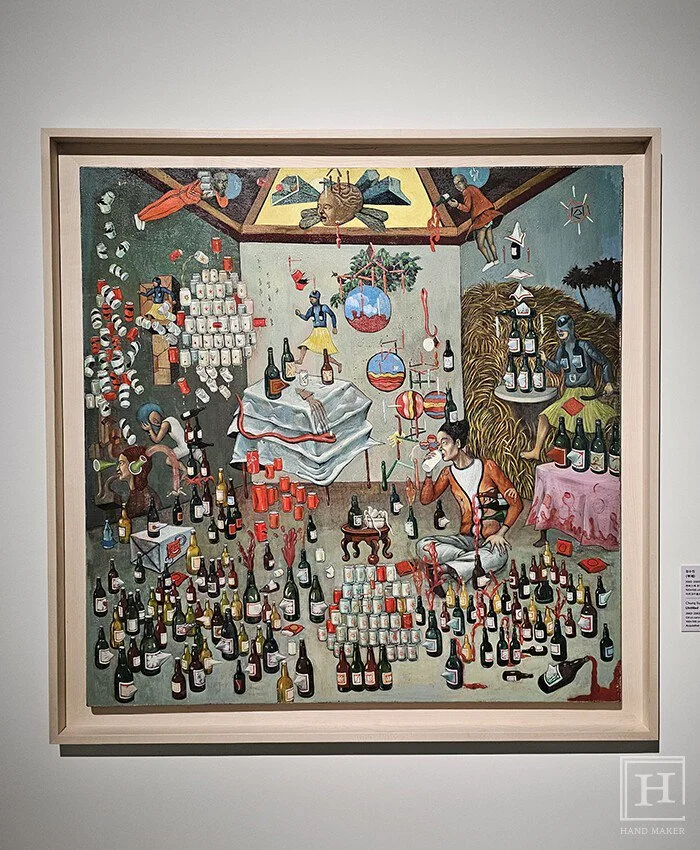
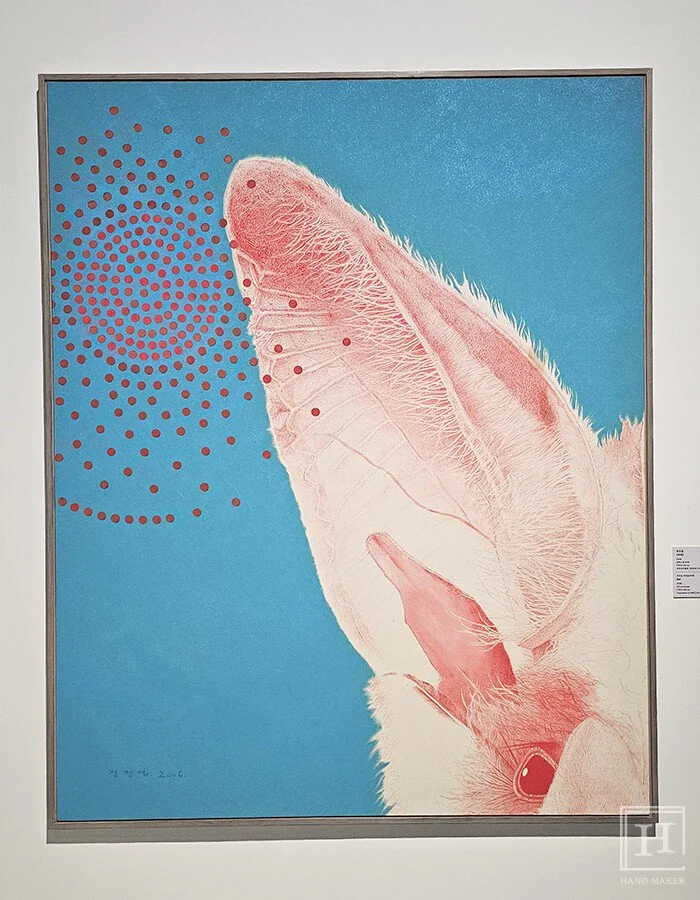
Meanwhile, as the Korea Culture and Arts Promotion Agency transitioned into the Arts Council Korea, a consensus-based system for field artists in 2005, the museum also renamed itself Arko Art Center and sought to re-establish its status as a public art museum. During this period, while focusing on spotlighting capable artists, it also aimed to systematize its overall curatorial programs by developing new discourses and communicating with the era through the raising of cultural and social issues.
Accordingly, exhibitions reflecting Korean contemporary art trends and major keywords were actively held, and the 'Special Invitational Exhibition' that had continued since the 1990s was divided into Representative Artist Exhibitions and Mid-career Artist Exhibitions by generation. During this period, Choi Jin-wook, Yang Ju-hye, Lim Dong-sik, Jung Jung-yeob, and Park Ki-won, etc., were invited as mid-career artists. Furthermore, in step with the revitalization of video and installation works of the time, related works were also actively introduced. In this process, works by Lim Minouk, Ham Yang-ah, Park Hye-seong, Kim Su-beom, etc., were exhibited in various exhibitions.
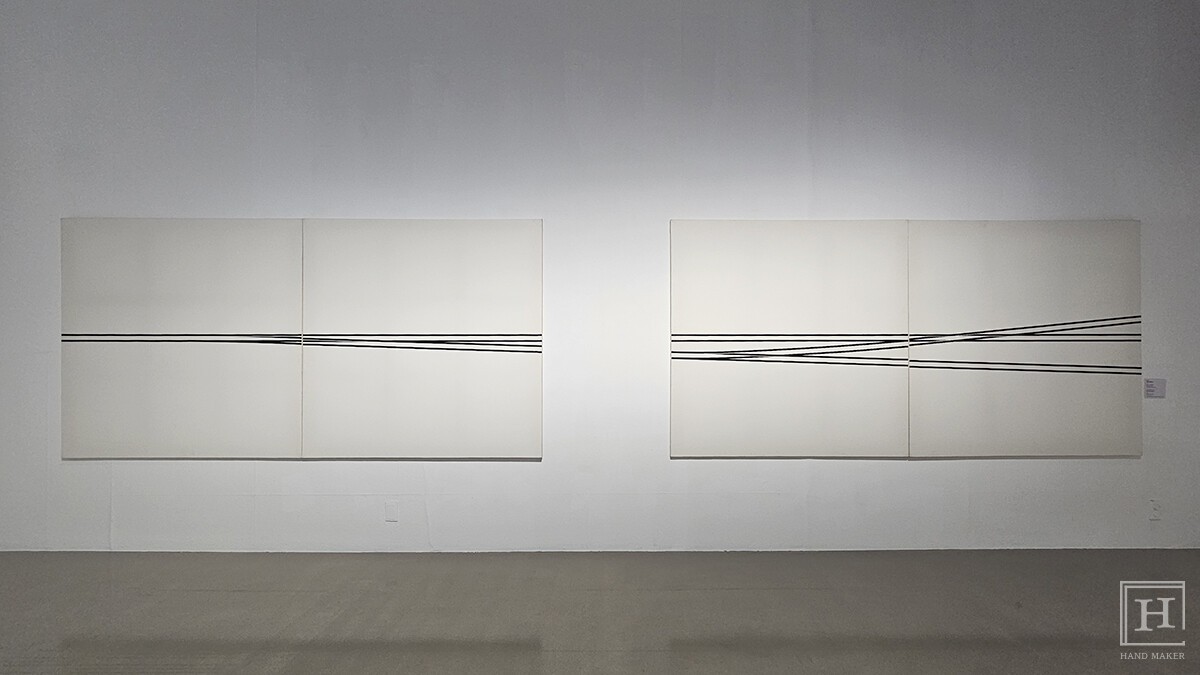
Meanwhile, during this period, important changes also appeared in the management of the collection. As rental exhibitions were abolished and thematic special exhibitions and solo exhibitions were actively held, a large number of new works produced in alignment with the museum's direction and exhibition themes were registered as part of the collection. Furthermore, moving away from the method of sponsoring the Korea Art Exhibition and receiving award-winning works that continued until 2006, the collection system was reorganized toward purchasing works in connection with the museum's own special exhibitions and solo exhibitions.
Accordingly, the composition of the collection, which was centered on painting and sculpture, expanded to various media such as video and installation. In the 2000s section, one can examine the connection between the landscapes of the era that exhibitions at the time sought to capture and the thematic subjects of the artists' works, and encounter the early works of mid-career or senior artists who are actively working in the fields of video and installation today.
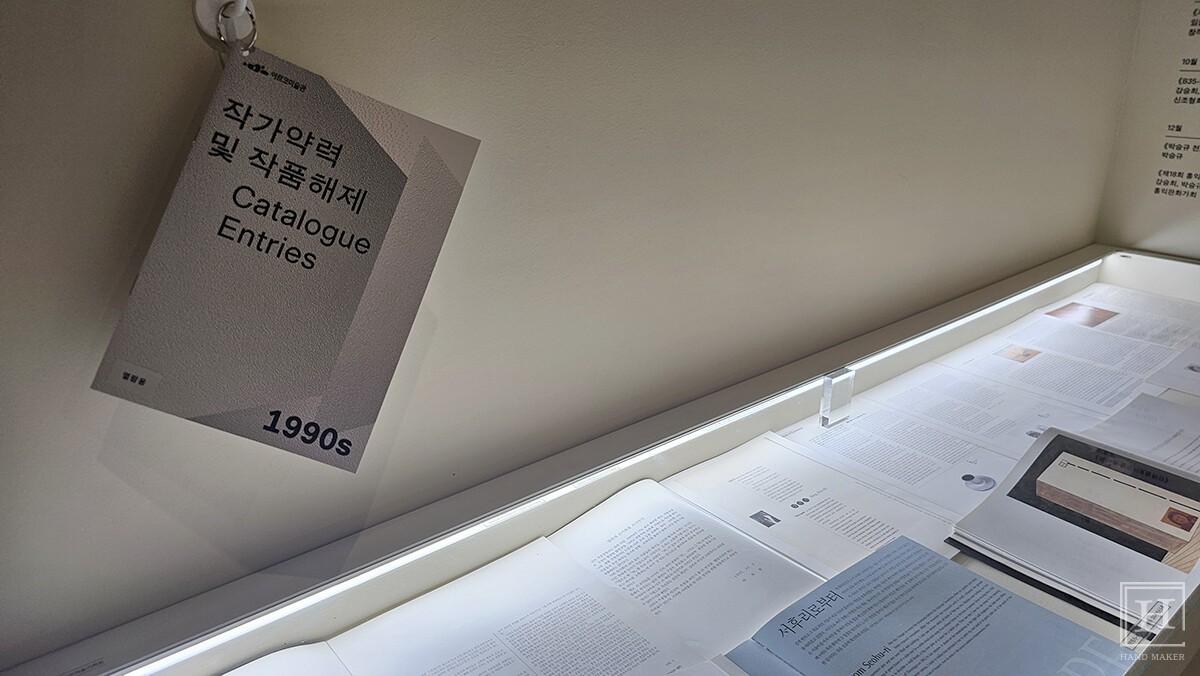
Meanwhile, attention is also given to the role of the museum in expanding the research and utilization of the collection. Six research fellows, selected in connection with the exhibition, researched the collection on themes such as Korean painting (Kang Ji-eun) and printmaking (Kim Yun-ae), the lineage of Korean abstract art and experimental art (Lee Jae-hee), the lineage of figurative painting and Minjung art (Jeong Seo-yeon), sculpture and craft (Min Gyeong-so), and the trends in Korean art since the late 1990s (Jang Seung-yeon).
Each researcher examines the characteristics of the works and the activities of the artists within a temporal context, and presents the results in a separately prepared archive section. Through this, they expand the art-historical meaning accumulated in individual works and suggest the possibility that the collection can be utilized as a resource for research and recording beyond exhibitions.
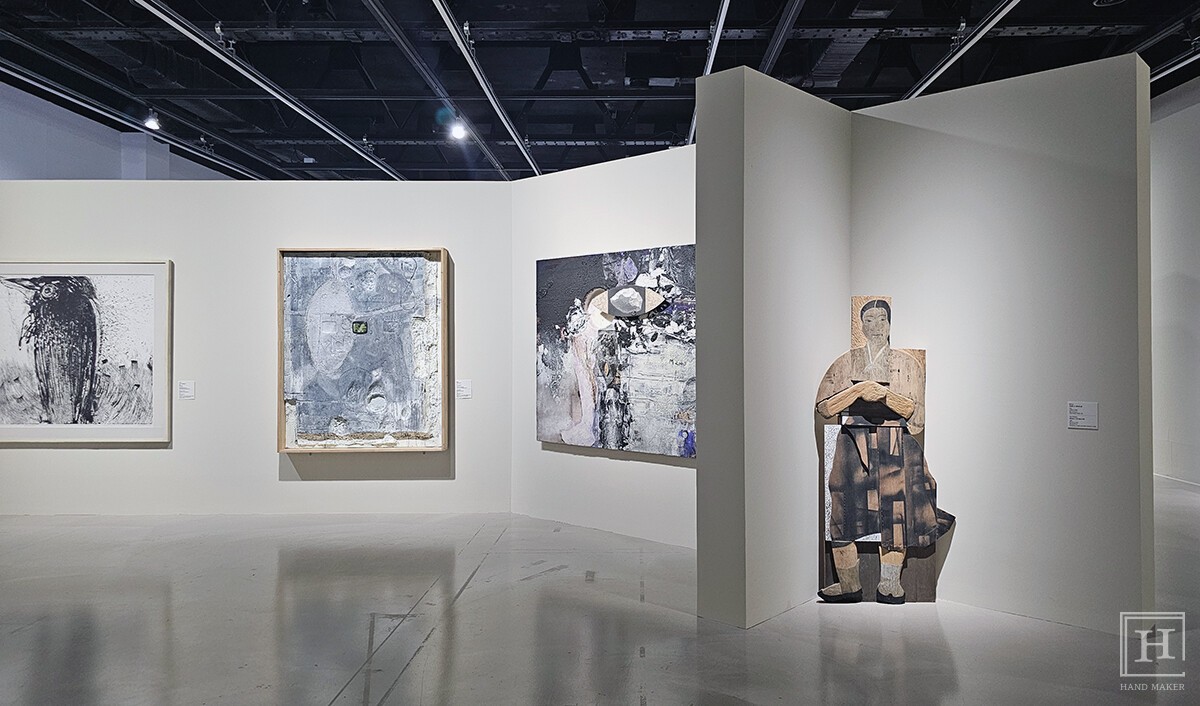
In the exhibition title 《The Collection: Scenes of the Times》, 'Scenes' refers to the realities faced by artists in different eras and environments and the various artistic practices responding to them. The works contain not only the artistic experiments and social changes of the time but also a multi-layered accumulation of the relationship and time established between the artists and the Arko Art Center.
An exhibition official stated, “This exhibition views the collection not merely as a result of collection, but as a medium to read the history of Korean contemporary art and the role of the Arko Art Center together, and through this, we intend to reveal multiple scenes of Korean contemporary art formed as different eras, memories, institutions, and artistic practices intersect.”
Meanwhile, during the exhibition period, various linked programs will be operated, including a sharing session for the research fellows' research results, workshops for children and seniors, and special docent tours for experts. They plan to increase understanding of the collection and Korean contemporary art through programs that share research achievements with the audience and encourage participation while considering the characteristics of different generations.
Reporter at HANDMAKER (핸드메이커), a Korean magazine devoted to crafts and handmade culture. Covers exhibitions, traditional crafts and the makers behind them.
Related Articles
Shin Mi-kyung's 10-year artistic evolution on display at AOD Museum
[On-site Sketch] Joseon's White, Embracing Diverse Existences: "Joseon Spatial Aesthetics: The Order of White" Exhibition
Comments 0
Comments are currently disabled.