
[Field Sketch] 2026 Gyeonggi Ceramics Biennale ⑤ The Diverse History and Formative Spectrum of Korean Ceramics, "Unfamiliar Traditions" Exhibition
The "Unfamiliar Traditions" exhibition, a collaboration between the Gyeonggi Museum of Contemporary Ceramic Art and Jiwooheon, explores lesser-known Korean ceramic traditions through the works of six artists. The exhibition connects professional museum curation with the art market by utilizing both a museum space and a traditional Hanok gallery.
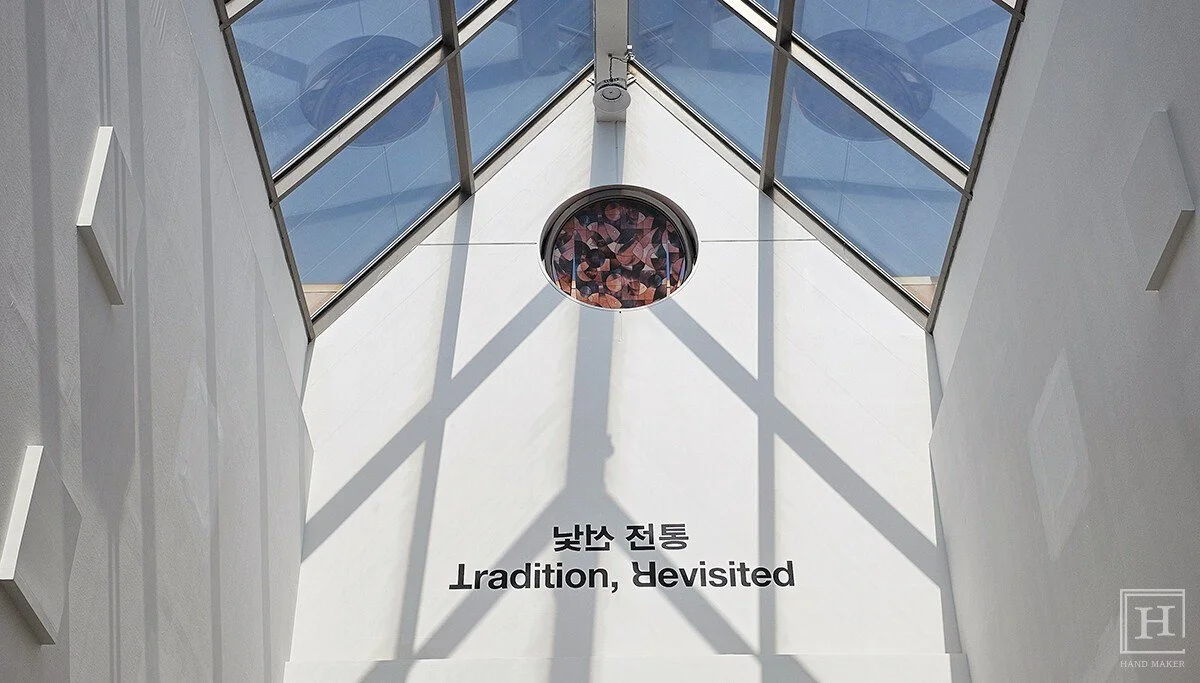
The "Unfamiliar Traditions" exhibition, a collaboration between the Gyeonggi Museum of Contemporary Ceramic Art and Jiwooheon, is an exhibition that illuminates, through a contemporary lens, other traditions that have existed beyond the familiar images of Korean ceramics represented by celadon and white porcelain.
This exhibition, running until November 1 (the exhibition held at Jiwooheon runs until October 17), showcases the works of six artists from veteran, mid-career, and emerging generations, focusing on materials and techniques that clearly exist in Korean ceramic history but are relatively less known, such as earthenware, black-glazed porcelain, Onggi, and iron-painted Buncheong.
Rather than simply reproducing the old, the artists reinterpret the properties of clay, vessel shapes, and production techniques through their own formative language and philosophy, demonstrating the broad spectrum and contemporary possibilities of Korean ceramics.
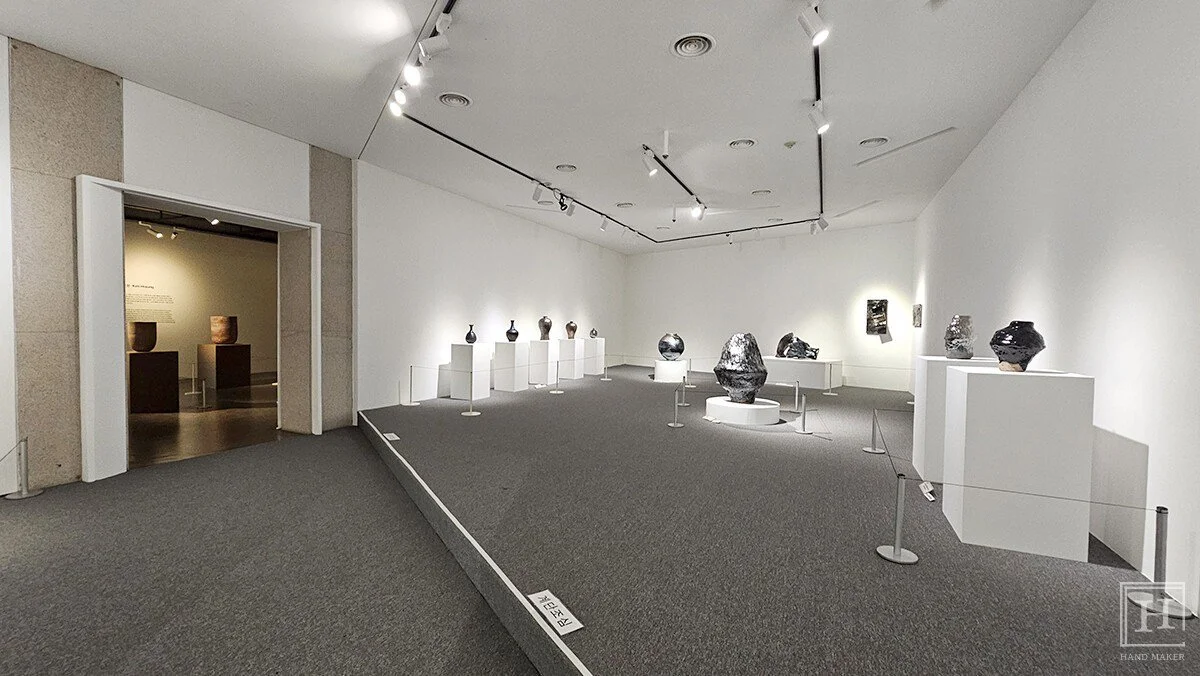
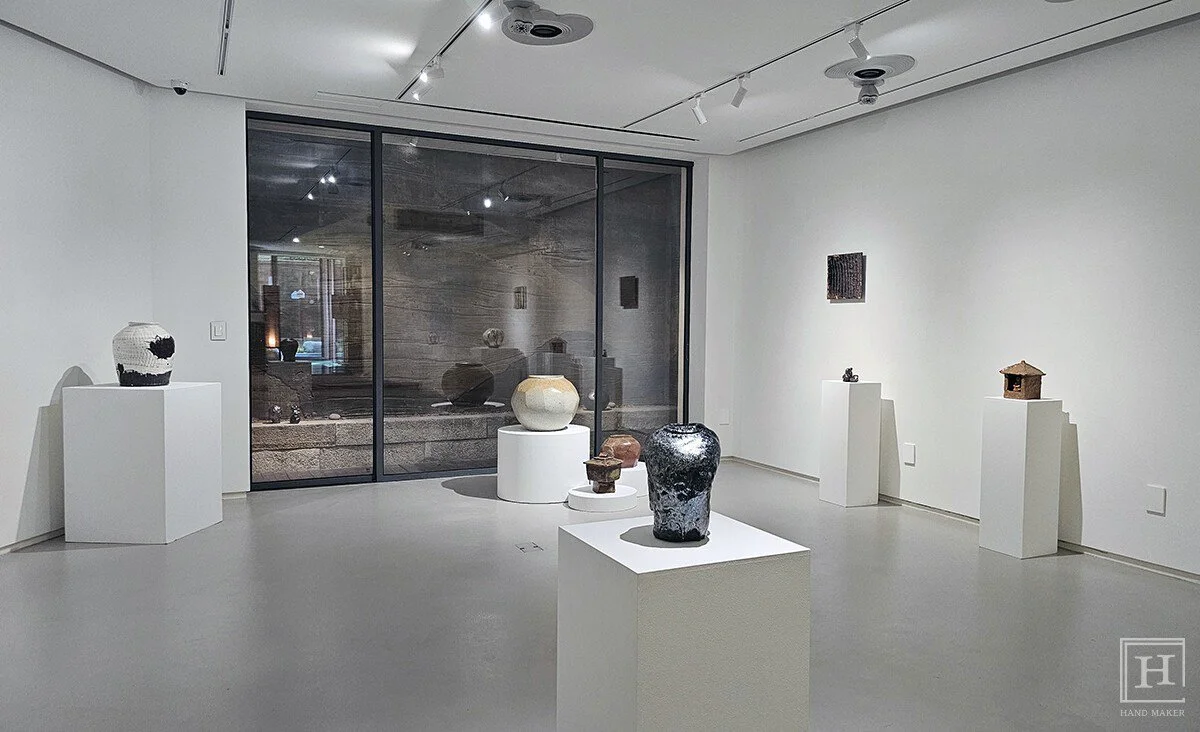
This exhibition is a special exhibition linked to the art market of the 2026 Gyeonggi Ceramics Biennale, connecting the professional ceramic curation of the Gyeonggi Museum of Contemporary Ceramic Art to the art market through Jiwooheon, a private cultural space, and proposing a new way to view Korean ceramics through two spaces with different characters. At the museum, the artistic worlds of each artist are viewed in depth, while at Jiwooheon, the senses accumulated over a long time naturally harmonize with contemporary ceramic art within the spatial characteristics of a Hanok.
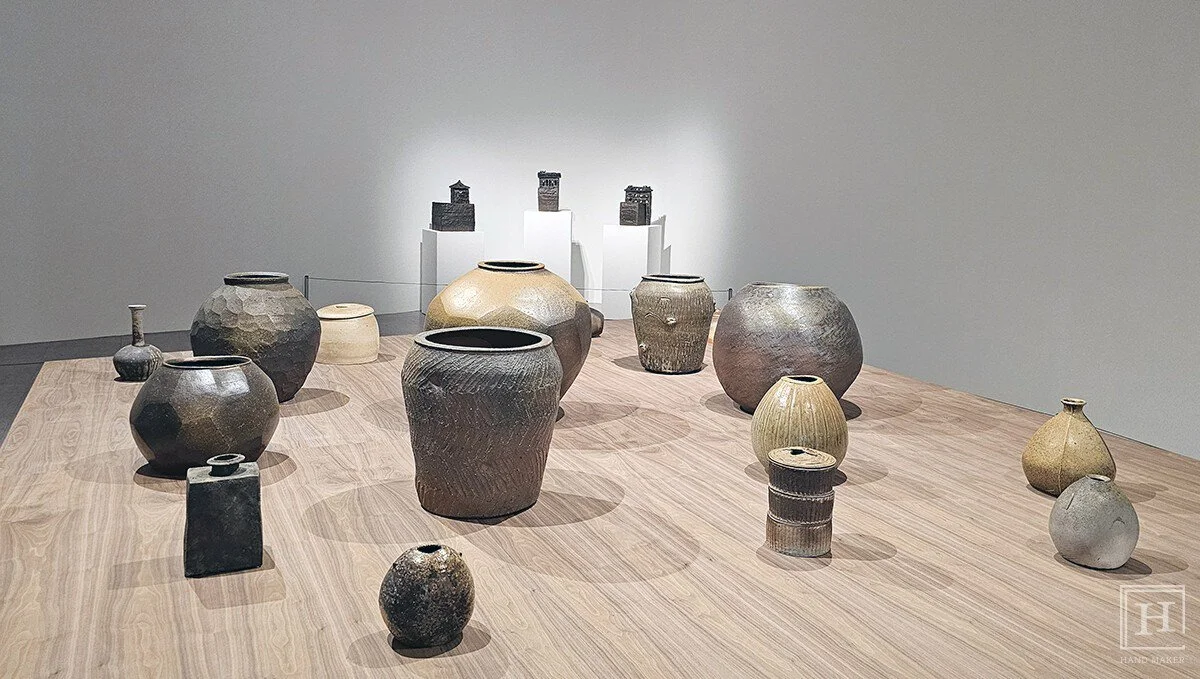
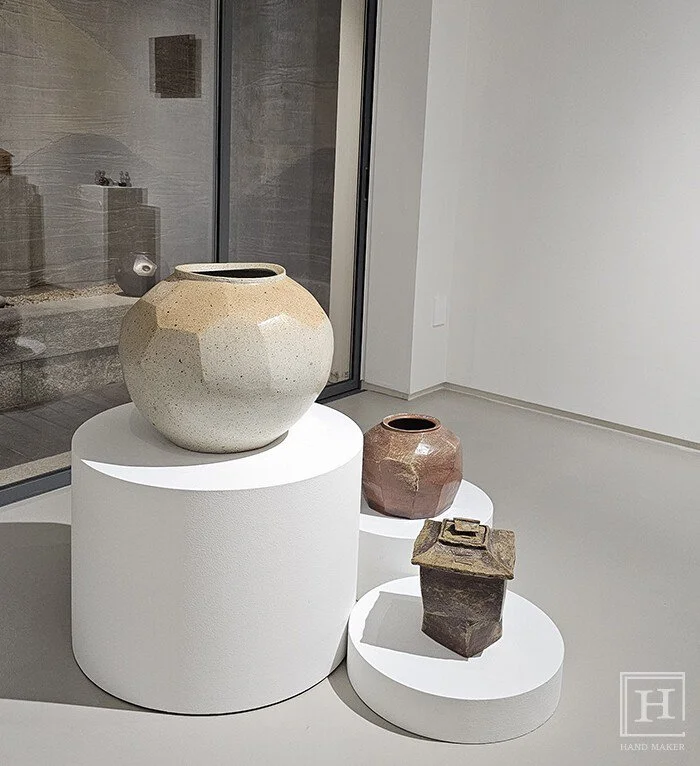
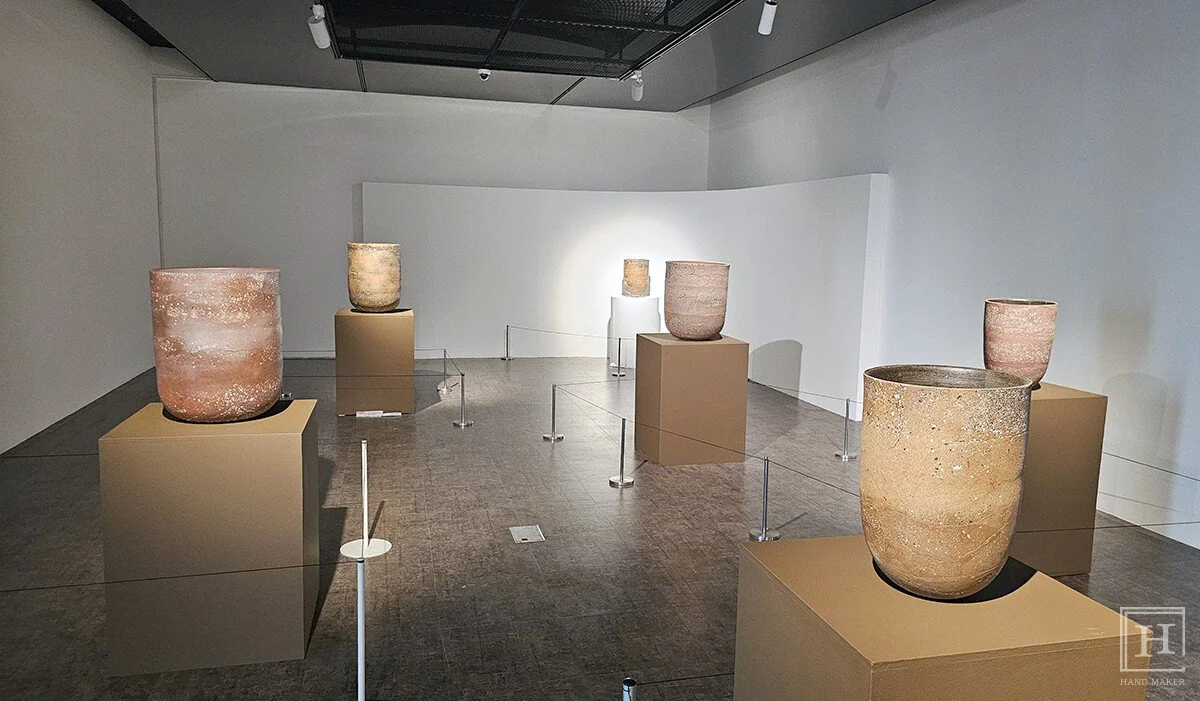
Artist Lee In-jin starts and ends her day with clay, continuing a life and work that has been with clay for a long time. Centering on wheel-throwing, she produces vessels while constantly exploring the properties of clay and glaze that change according to time and environment, as well as their use and form.
Her daily life of touching clay in her studio and tending to her garden, communicating with nature, serves as an important foundation for the artist's work. Even through long experience, she continues to learn and explore clay anew, carrying on the interest and excitement that clay provides through her own formative language. For the artist, working with clay is not a matter of repeating completed methods, but a process of constant learning within changing materials and eras, an attitude revealed through the forms of wheel-thrown vessels and the natural surfaces of the clay.
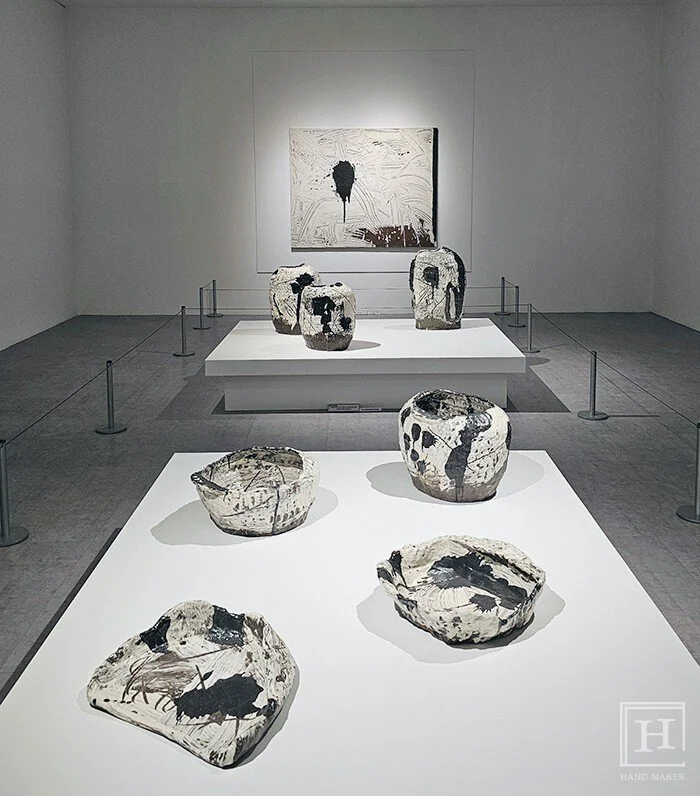
Artist Lee Su-jong has worked for a long time, viewing clay not merely as a material but as the foundation of life and a part of nature. He places importance on the repetitive labor and the process of handling clay itself, and recently, instead of wheel-throwing, he focuses on the process of creating the primal properties and forms of clay through the coiling technique of stacking clay.
The artist reveals the unique painterly quality of iron-painted Buncheong and the natural texture of clay by adding white clay slip and the free expression of iron pigments. He preserves the traces left during the process of building forms by stacking clay coils by hand, and through the powerful strokes of iron painting added on top, he ensures that the three-dimensional form of the vessel and the painterly expression harmonize naturally.
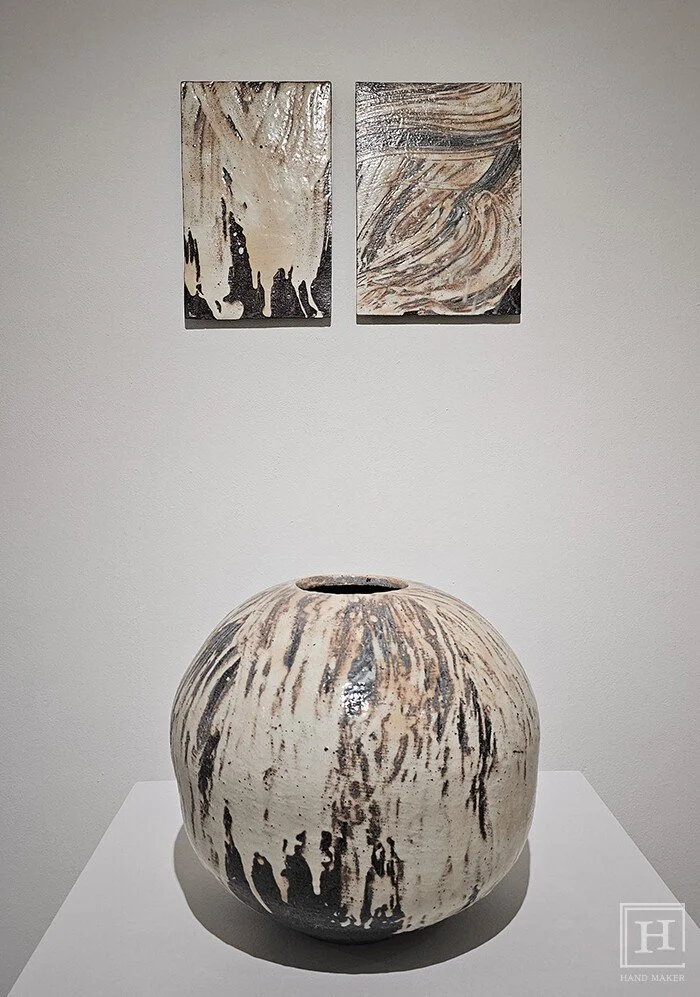
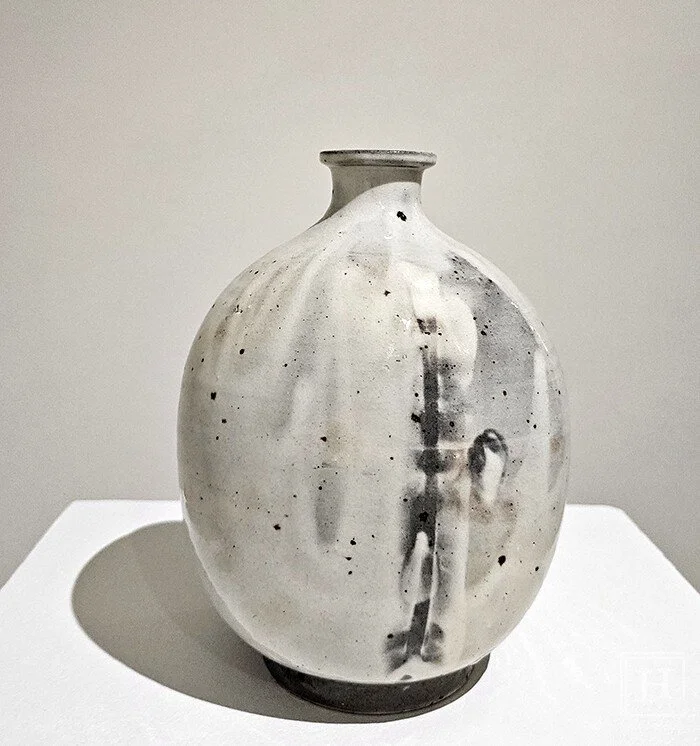
Artist Jeong Yeong-yu explores natural landscapes and sensations based on the contrast of texture and color created by the clay body of Buncheong ware and white slip. Before working, she personally visits mountains in various regions to collect raw clay, seeking to capture the changes and movements of nature encountered during that process.
The artist focuses on the appearance of mountains that seem like calm surfaces from a distance but reveal a living presence as one approaches, expressing the static and dynamic sensations of nature and the contrast between plane and volume through the materials and formative language of Buncheong. The contrast of colors and the large and small particles of earth revealed between the clay body and the white slip evoke clusters and landscapes found in nature, leading to various Buncheong expressions such as Gwi-yal, Deombeong, and Sanggam.
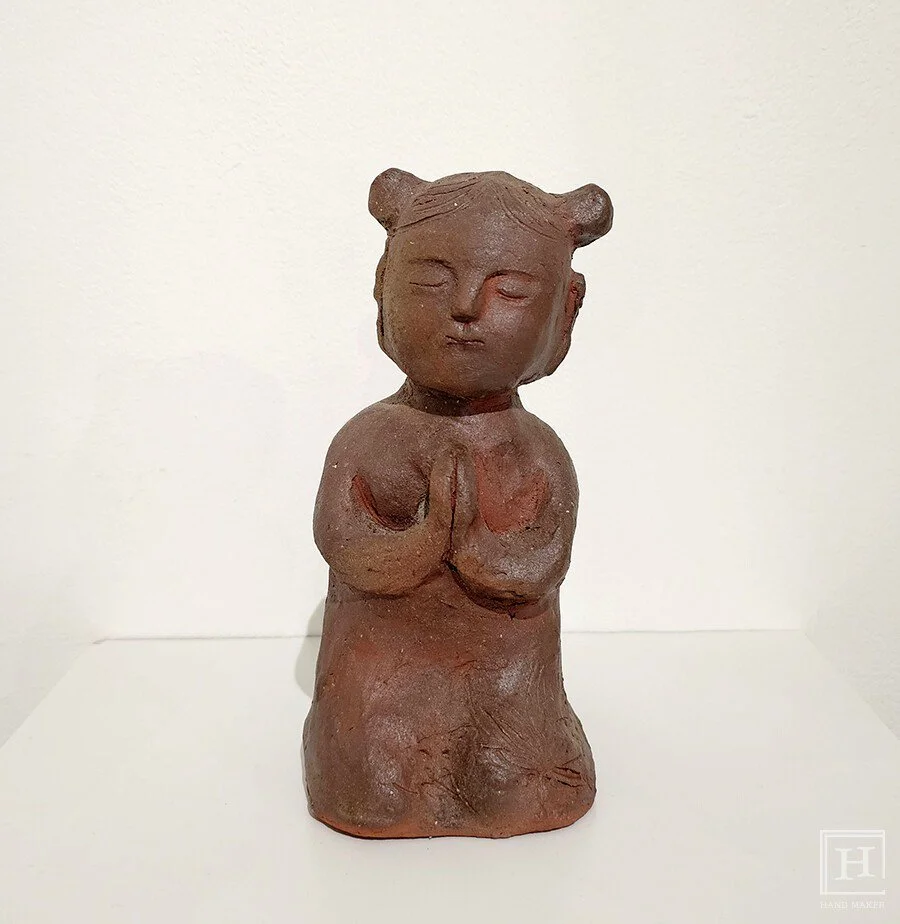
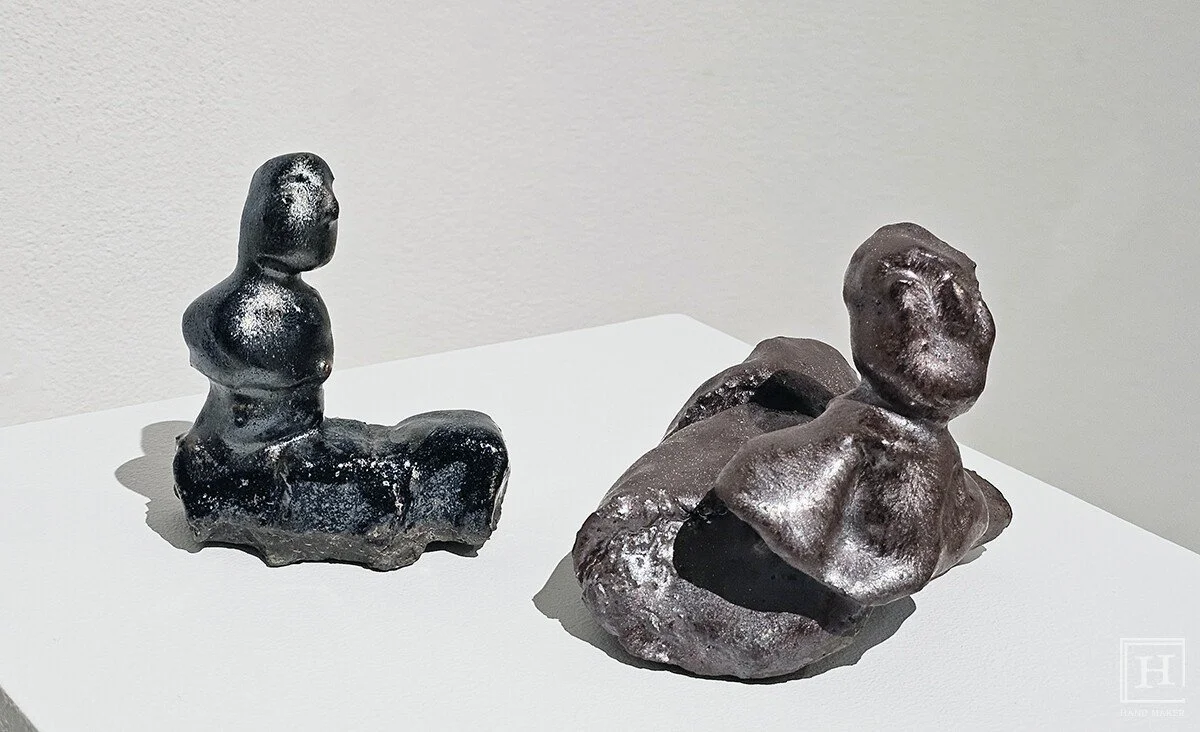
Artist Jeong Yeong-rak has built his world of work based on Buddhist contemplation and the memories of reciting the Heart Sutra with his grandfather during his childhood. His grandfather's teaching that "all beings possess Buddha-nature" has resided within the artist for a long time and became an important starting point for his work on Buddha statues.
The artist continues to work on expressing the Buddhist worldview through his own formative language, capturing these memories and contemplations in his work to explore the essence of humans and existence. In particular, through forms such as Buddha statues, Pensive Bodhisattvas, and heads, he connects the experiences accumulated since childhood to his current work, calmly shaping the meaning of existence as he perceives it.
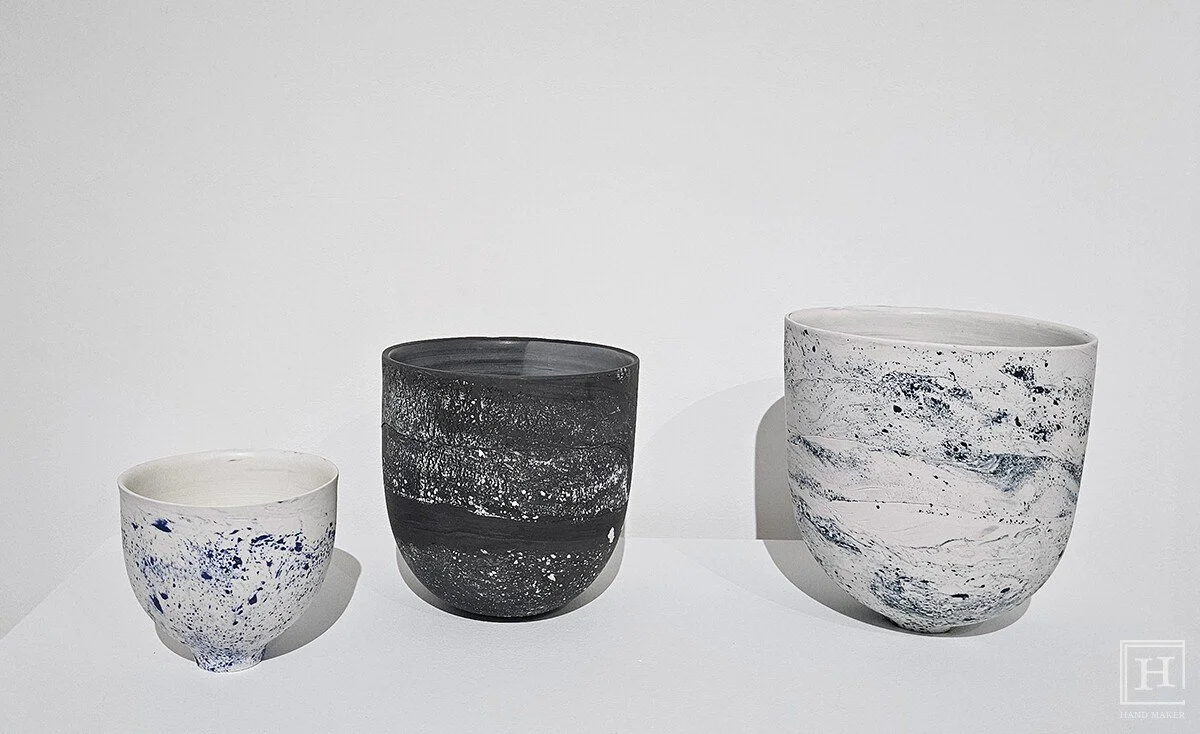
Artist Kim Ho-jeong takes inspiration from ancient vessels from Cyprus and comb-pattern pottery from the Korean Neolithic period to reinterpret past forms in a contemporary way. The 〈FLOW〉 series explores the universe, natural landscapes, colors, and surface textures based on the forms of ancient vessels.
On the surface of the works, color fragments and clay blend to reveal dots, lines, and planes formed by chance. Colors such as Blue and Teal Green evoke the sky, the sea, and green forests, capturing the energy and tranquility of nature. The surfaces, created by the mixing and combining of color fragments and clay, reveal the traces of the making process and expand into a single sculptural landscape when they meet the form of the vessel. Through this, she shows the dynamic flow where matter moves and changes.
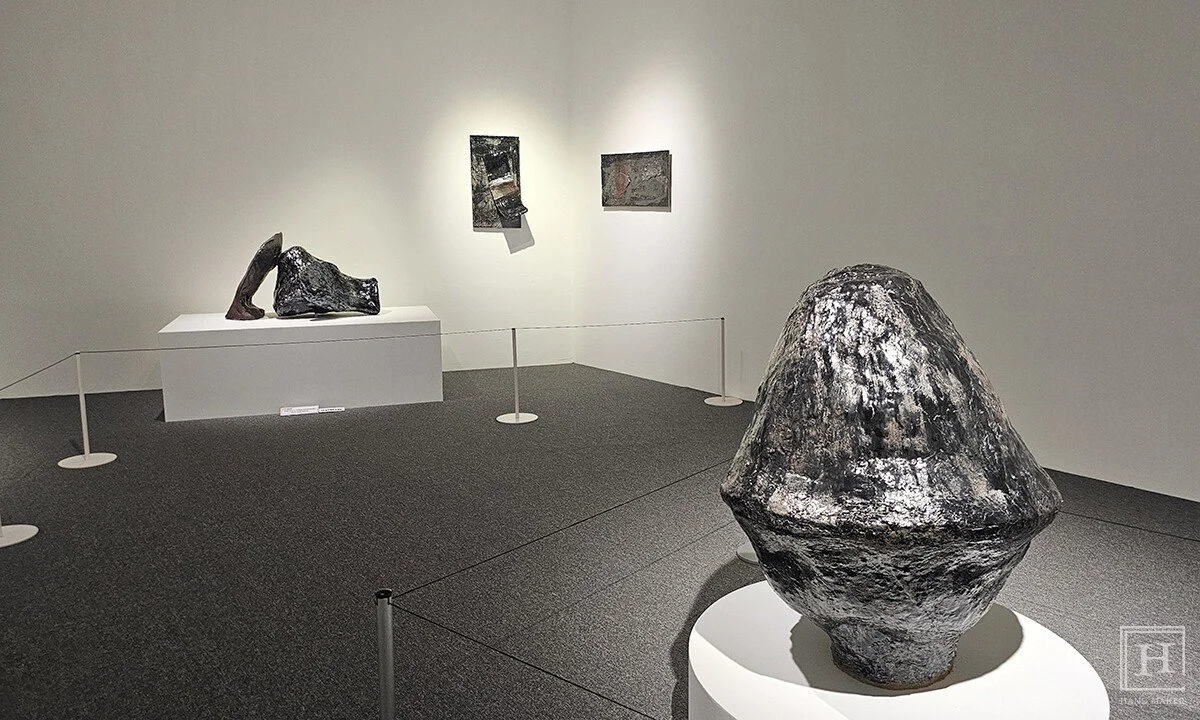
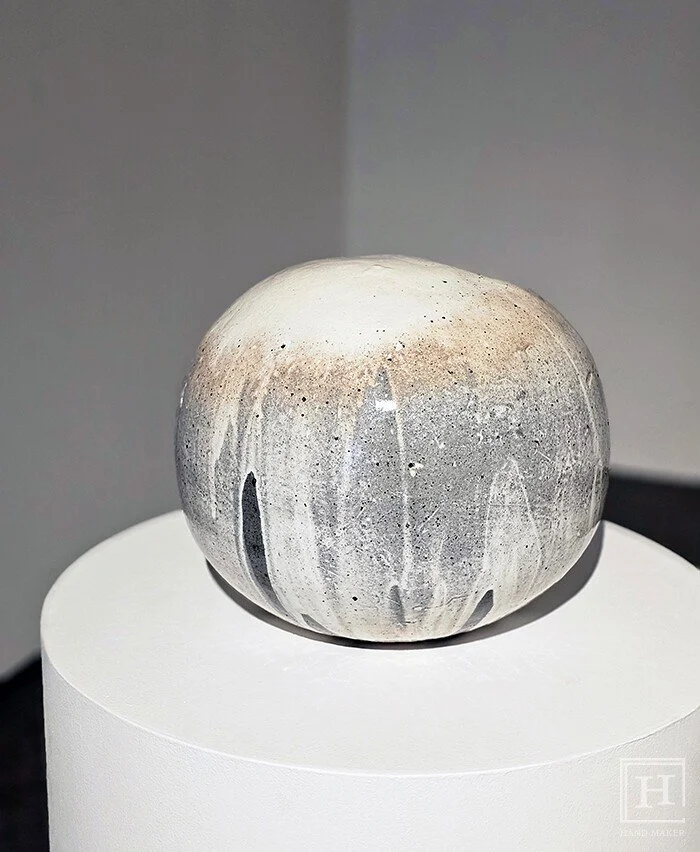
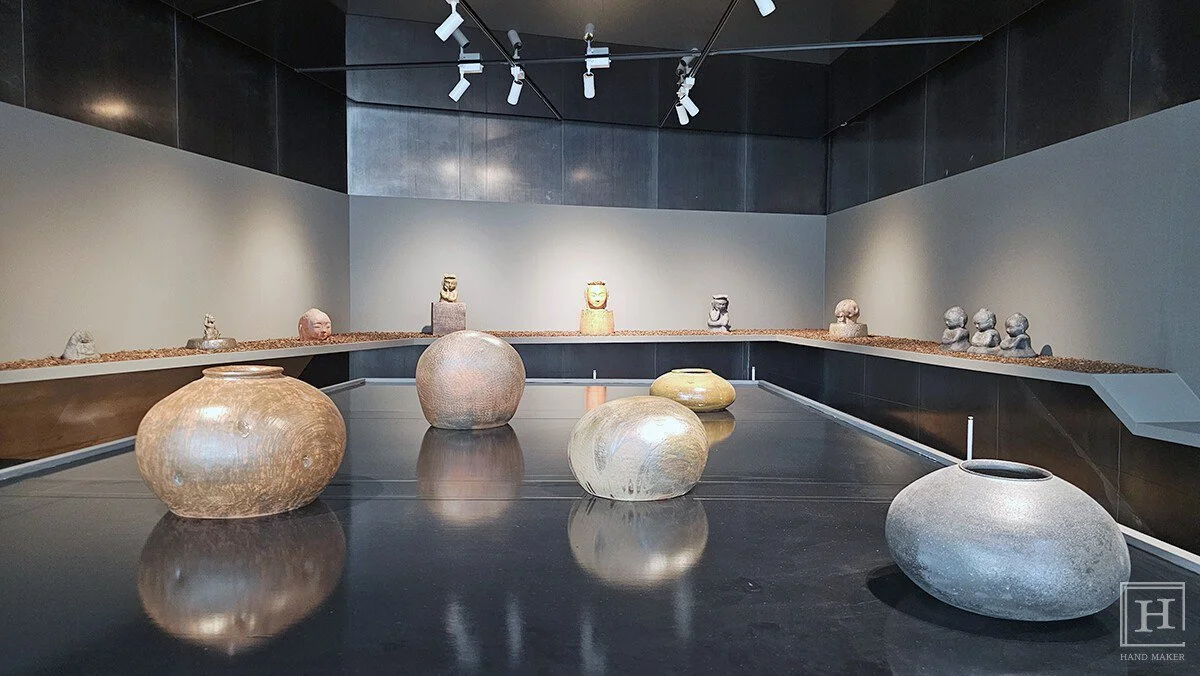
Artist Kim Si-young explores the world of black-glazed ceramics, focusing on the "change" created by clay, fire, gravity, and time. He particularly pays attention to "Yo-byeon" (kiln change) that occurs at high temperatures of over 1,350°C inside a wood-fired kiln. He uses clay from different regions and continuously experiments with color development according to black glaze and kiln temperature to explore various colors and textures.
This is well demonstrated through his representative work, the 〈Planet〉 series. 〈Planet〉 shows the unpredictable changes in color and form created when black glaze meets the fire of the kiln. Depending on the subtle temperature and atmosphere inside the kiln and the position of the work, various lights and colors appear on the black surface, and the process of clay collapsing or deforming at high temperatures also becomes an important factor in determining the form of the work.
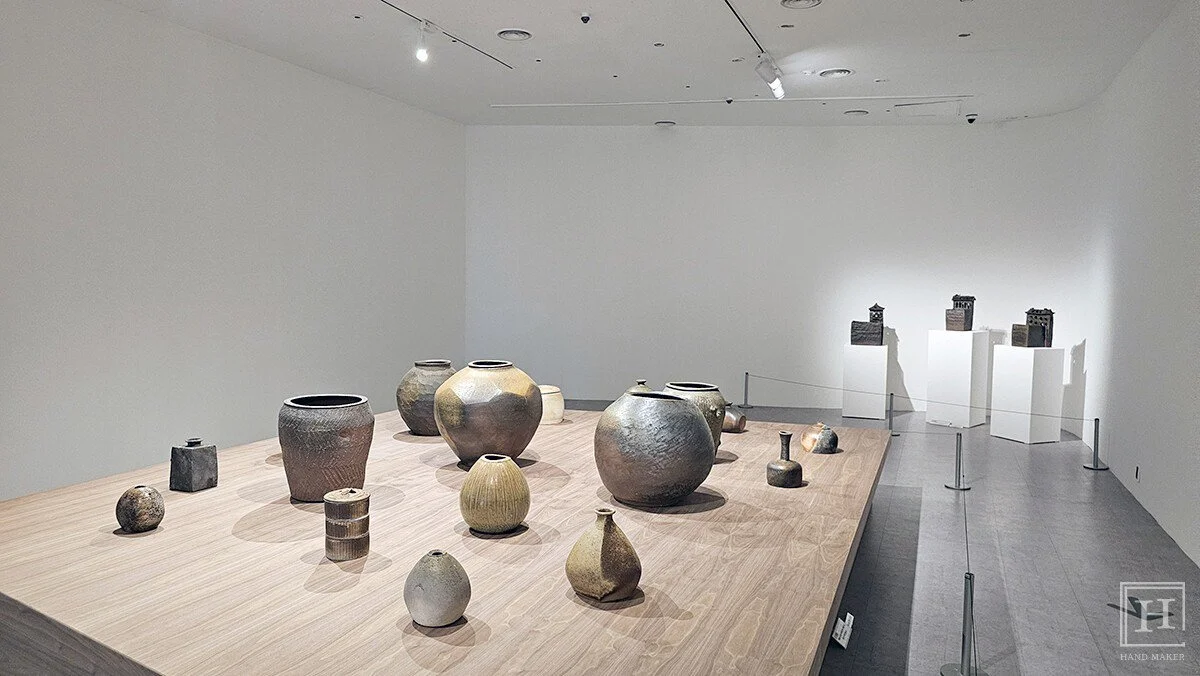
This exhibition aims to broaden public interest and understanding of Korean ceramics by re-examining lesser-known Korean ceramic traditions from a contemporary perspective, and furthermore, to expand the new appreciation layers and market possibilities for Korean ceramic art.
An official from the exhibition explained, "Through 'Unfamiliar Traditions,' one can encounter another side of Korean ceramics that had not yet been discovered, and together we can observe the process by which the ceramic culture passed down from the past is being newly continued and expanded within today's life and art." They also stated, "At Jiwooheon, we hope you encounter the unfamiliar yet new traditions presented by six artists within the Hanok space."
Reporter at HANDMAKER (핸드메이커), a Korean magazine devoted to crafts and handmade culture. Covers exhibitions, traditional crafts and the makers behind them.
Related Articles
![[Field Sketch] Gyeonggi Ceramics Biennale 2026 ④ Excellent works that inherit and modernize the…](/storage/handmk-global/2026/10/d436f315-b3e8-499b-a0d0-6f56d8df6303-ee0028f8-thumb.webp)
[Field Sketch] Gyeonggi Ceramics Biennale 2026 ④ Excellent works that inherit and modernize the tradition of Korean ceramics, 《Beautiful Korean Ceramics Competition》
![[Field Sketch] 2026 Gyeonggi Ceramics Biennale ③ The Tradition and Present of Korean Ceramics…](/storage/handmk-global/2026/09/10405e53-4191-42cc-9144-d4fc12c6e3b2-15e9a4d7-thumb.webp)
[Field Sketch] 2026 Gyeonggi Ceramics Biennale ③ The Tradition and Present of Korean Ceramics Created by the Hands of Masters: "Ceramic Masters of Our Time" Special Exhibition
![[Field Sketch] Gyeonggi Ceramics Biennale 2026 ② Surveying the Trends and Diverse Works of…](/storage/handmk-global/2026/09/993f8493-7de4-48fb-84e1-80cb669c5633-535c7399-thumb.webp)
Comments 0
Comments are currently disabled.