
[Field Sketch] The journey of an artist who viewed all existence as a single life: Seoul Museum's special exhibition for the 30th anniversary of Lim Jik-soon's passing, 《I Want to Paint the Inner World》
Seoul Museum is holding a special exhibition titled 《I Want to Paint the Inner World》 to commemorate the 30th anniversary of the passing of Lim Jik-soon in 2026. The exhibition showcases his life and artistic world through approximately 80 oil paintings and various other works.
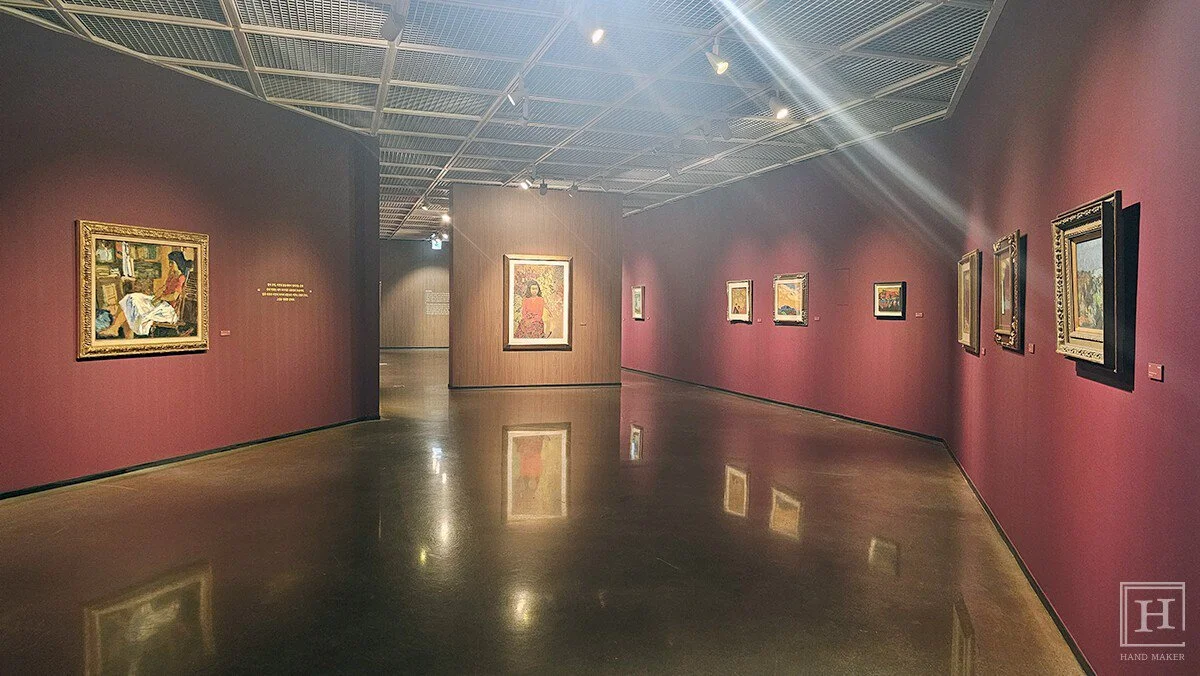
Seoul Museum is holding the special exhibition 《I Want to Paint the Inner World》, which surveys the life and artistic world of Lim Jik-soon, marking the 30th anniversary of his passing in 2026, until Sunday, February 14, 2027.
Prepared for the 30th anniversary of his passing, this exhibition is an opportunity to reunite with the colors, light, and the deep world of the heart left behind by Lim Jik-soon. In this exhibition, one can encounter his gaze and heart, as he sought to observe and paint the world until his final moments.
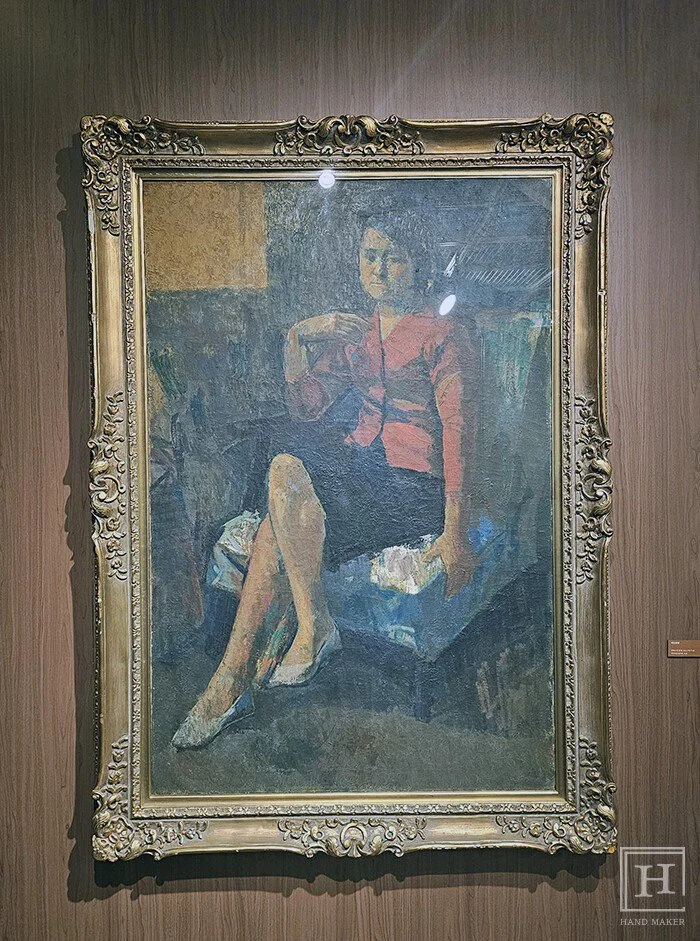
Among the exhibitions prepared to commemorate the 30th anniversary of Lim Jik-soon's passing, this exhibition is presented on the largest scale ever. In particular, with the help of numerous museums, galleries, and private collectors, this exhibition was able to be organized on a deeper and broader scale. The exhibition features approximately 80 oil paintings as the center, along with works in various media such as drawings, watercolors, and prints. In addition, more than 30 personal belongings, including the easel, palette, brushes, and paints that the artist used directly during his lifetime, as well as furniture and daily necessities, will be revealed.
His works allow one to rediscover beauty in familiar subjects and to look into one's own heart while looking at a piece. And at the end of that gaze stands a person who did not let go of the brush until the very end.
1960s
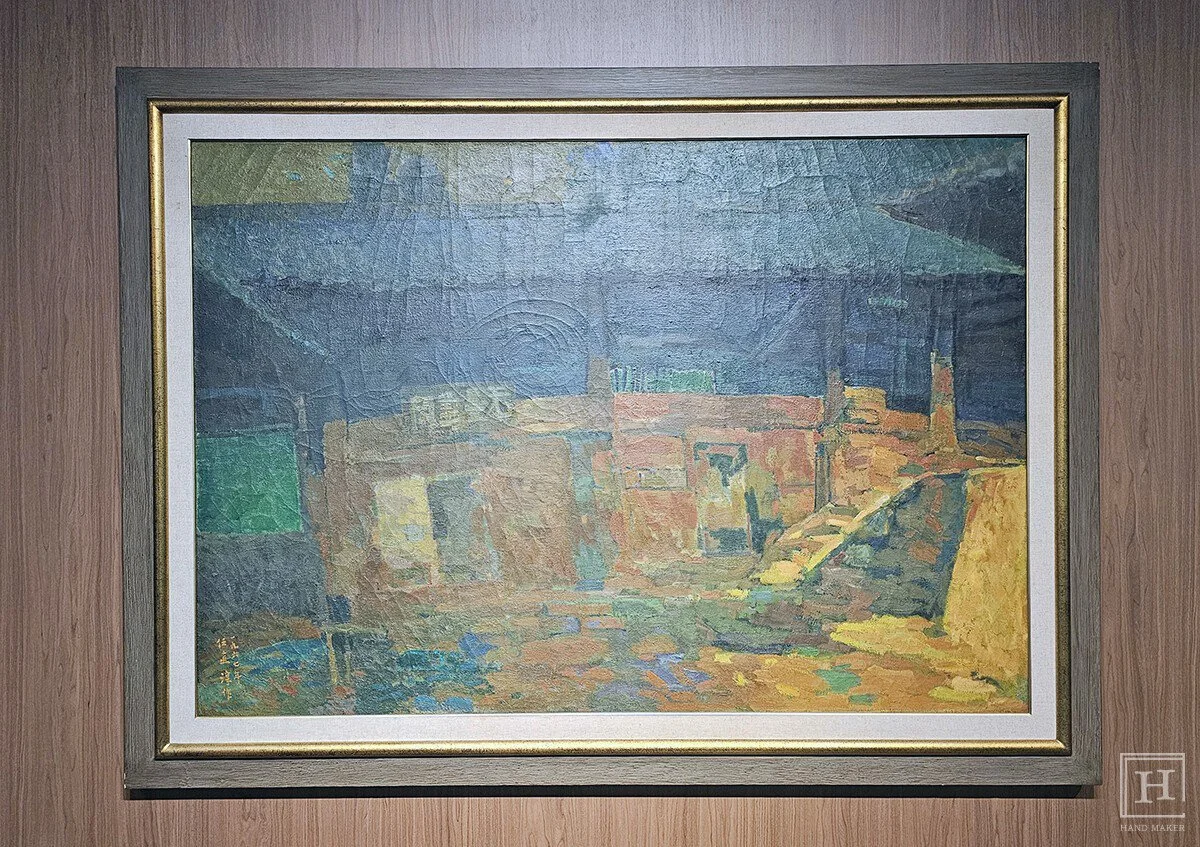
Lim Jik-soon, who settled in Gwangju, expanded the gaze of his works toward nature as he encountered the landscapes of Southern Korea and Mudeungsan Mountain. Including the women and flowers he had enjoyed painting previously, he captured mountains, fields, and surrounding landscapes on his canvas, expressing the warm emotions and sense of life unique to Southern Korea.
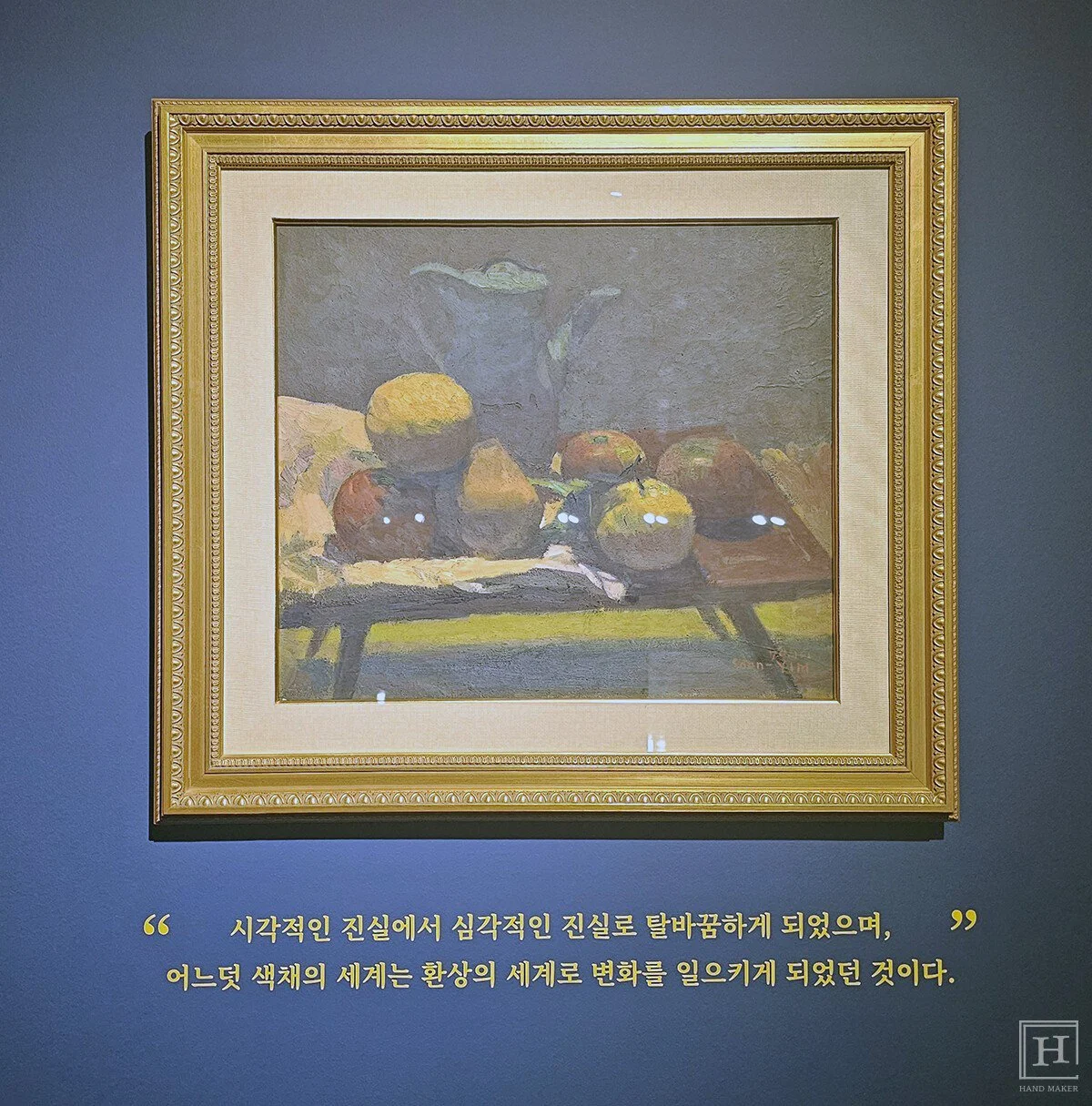
He built his own pictorial world by adding vigorous brushstrokes and warm yet intense colors onto a stable and solid composition, and rather than merely staying at faithfully reproducing subjects, he pursued formative beauty where figures, flowers, and backgrounds harmonize with each other. In particular, women and flowers became important subjects for him that went beyond simple motifs to allow him to discover the power of life and beauty.
1970s
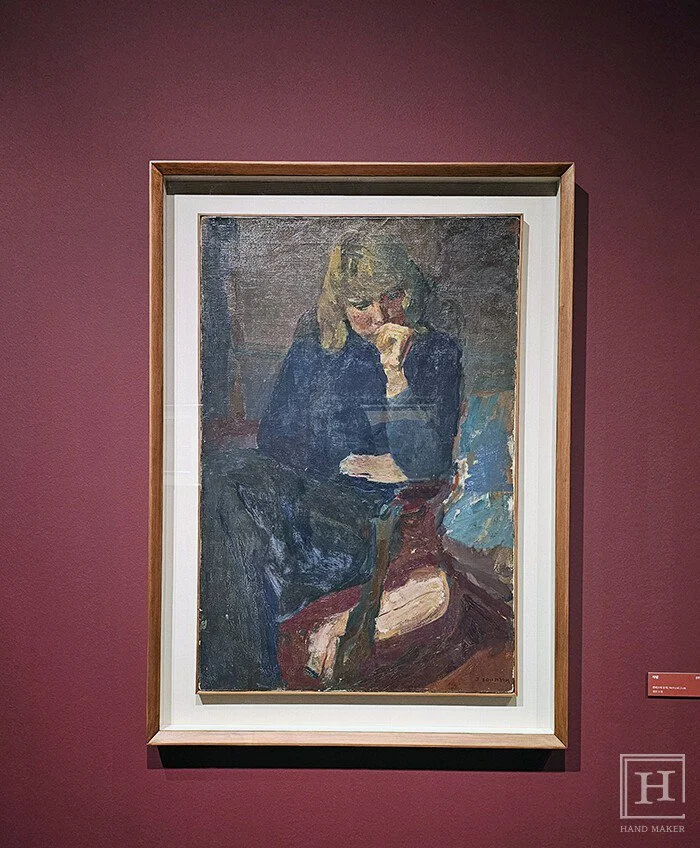
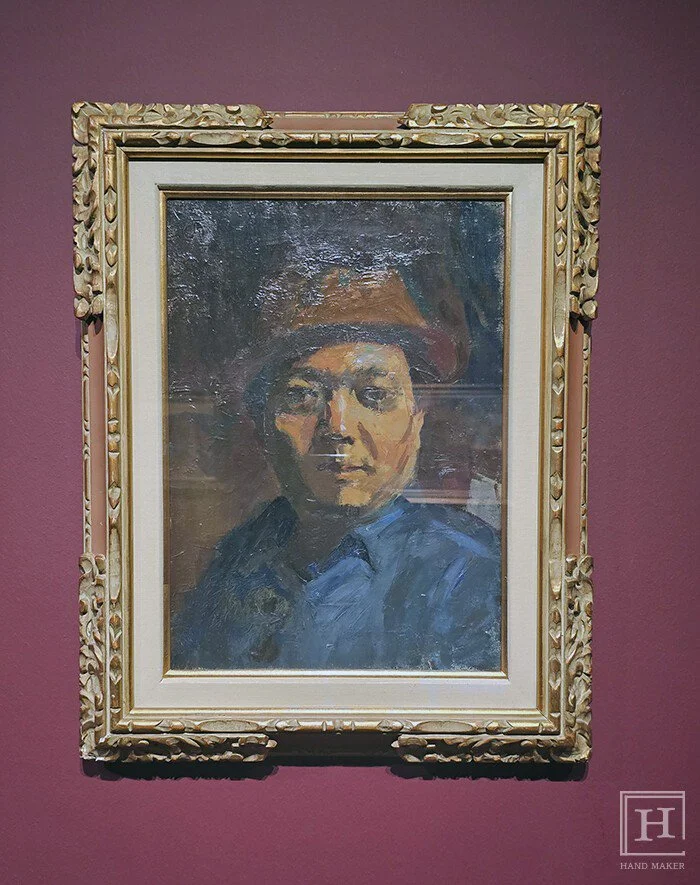
After encountering Impressionism in Paris and also experiencing sudden illness, his gaze toward subjects became even deeper. While exploring colors that change according to light, he gradually moved away from simply transferring what was visible to the eye, and sought to capture on the screen the emotions he felt while facing the subject and the essence contained within.
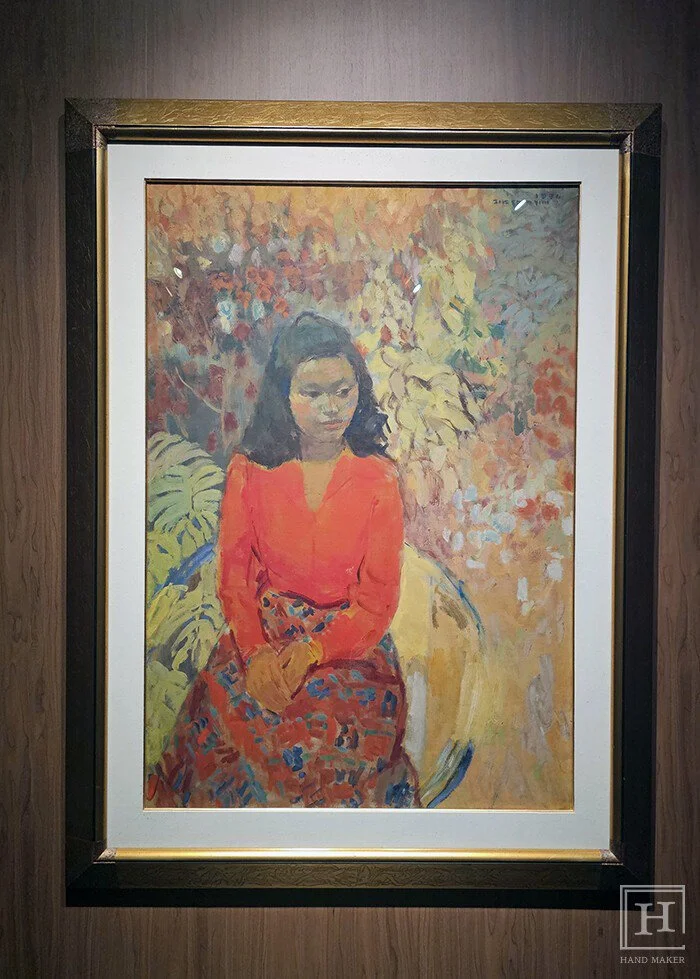
Color became an important element that composes the screen beyond a means of explaining form, and he began to reveal inner emotions through simplified shapes and bold brushstrokes. His interest in discovering the power of life dwelling within women and flowers gradually moved toward the emotions and essence that exist beyond concrete subjects.
1980s
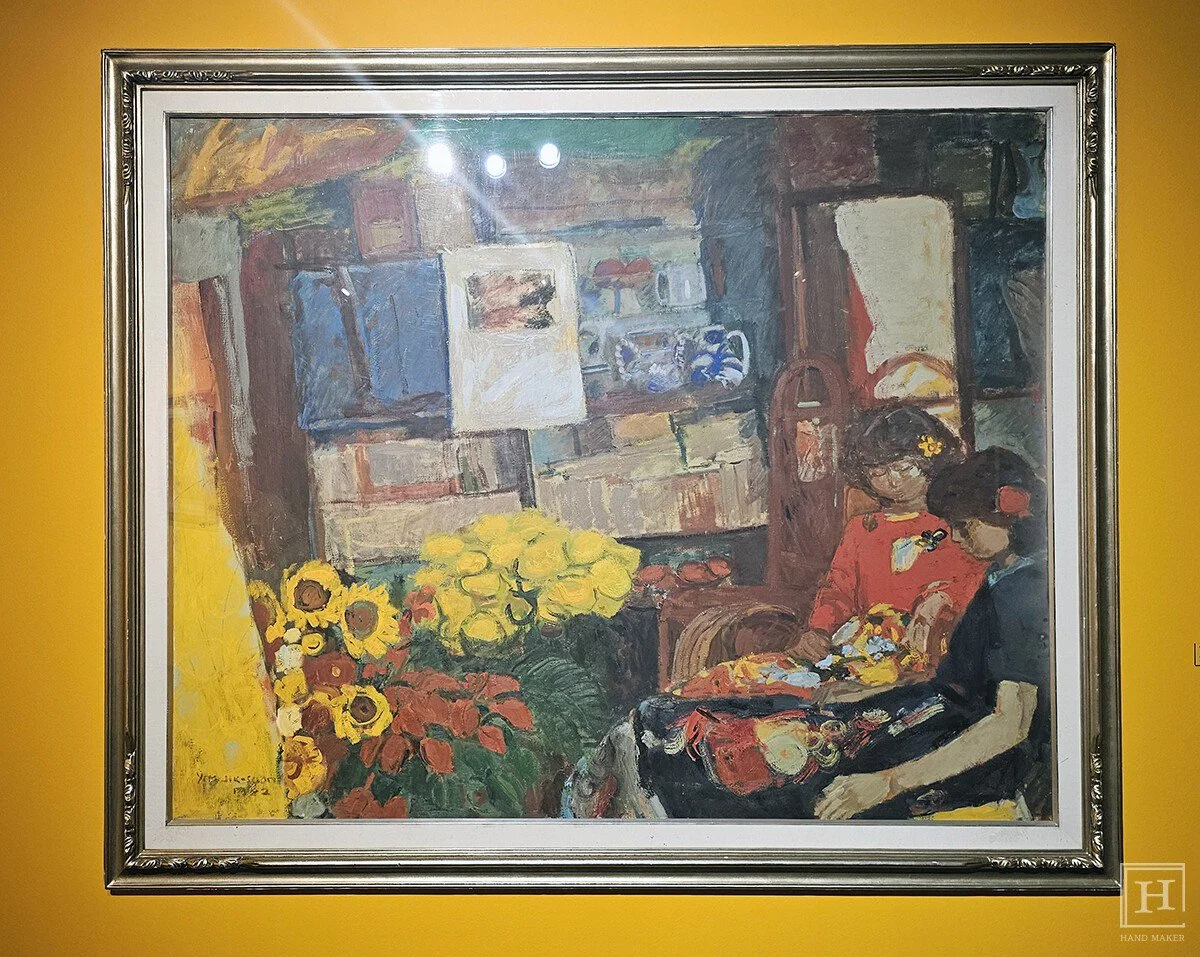
The 1980s were a period when he engaged in his most active artistic activities, a time when his long-explored artistic world reached its peak and bloomed abundantly. Through sketching en plein air, he expanded the scope of his subject matter to nature, such as mountains, seas, and ports, while also deeply exploring the formative harmony created by color, line, and brushstrokes rather than merely reproducing subjects from his existing motifs, including women and flowers.
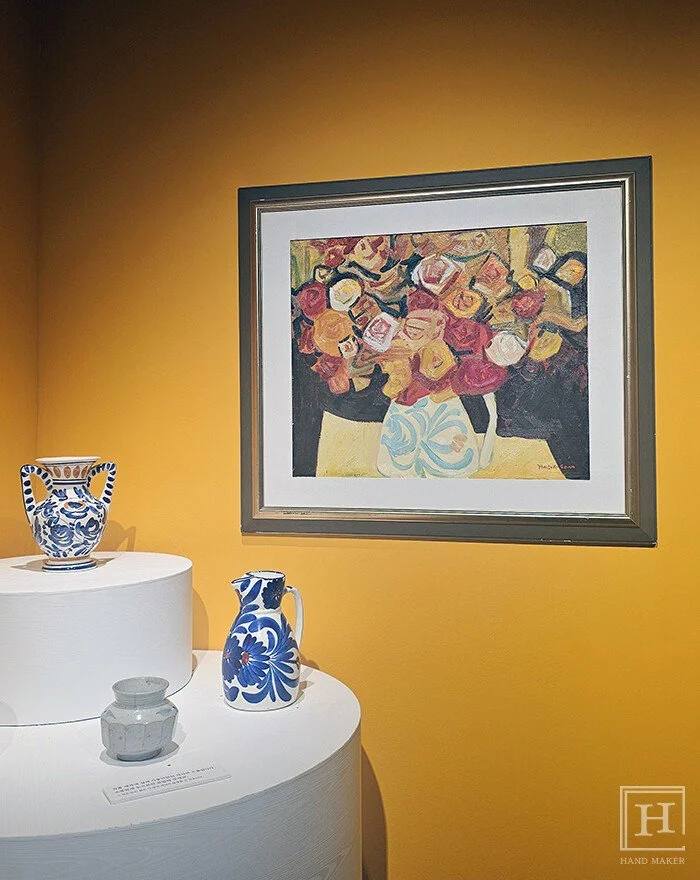
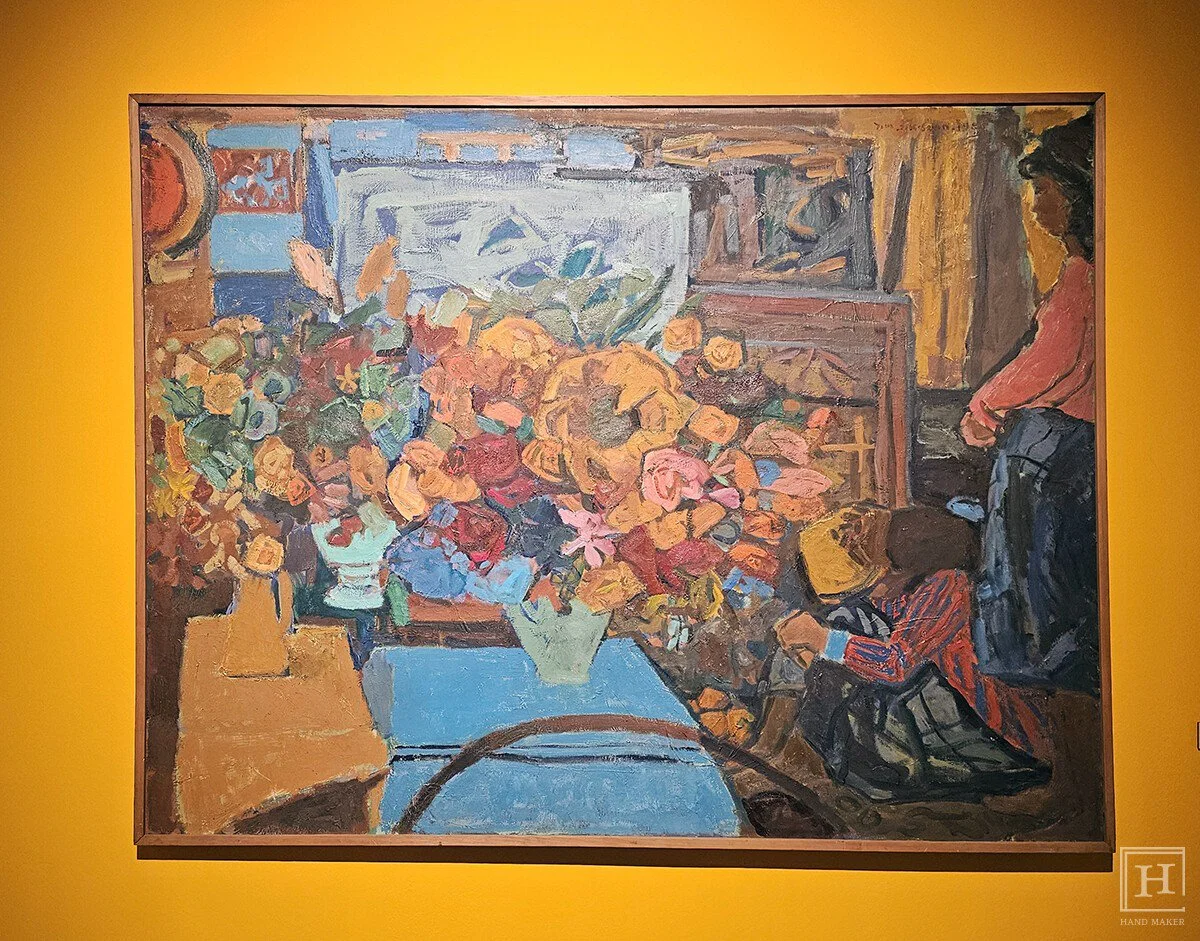
The canvases, where bold lines, intense colors, and thick textures harmonize, vividly capture the emotions he felt while facing nature and its subjects. In particular, this exhibition presents a large number of still lifes centered on flowers and vases, as well as seated portraits of women that represent Lim Jik-soon's artistic world. Visitors can focus on his painterly characteristics, where figures, flowers, and backgrounds achieve harmony within a single frame, as he reinterprets the subjects he dealt with repeatedly throughout his life through his own unique colors and brushstrokes.
1990s
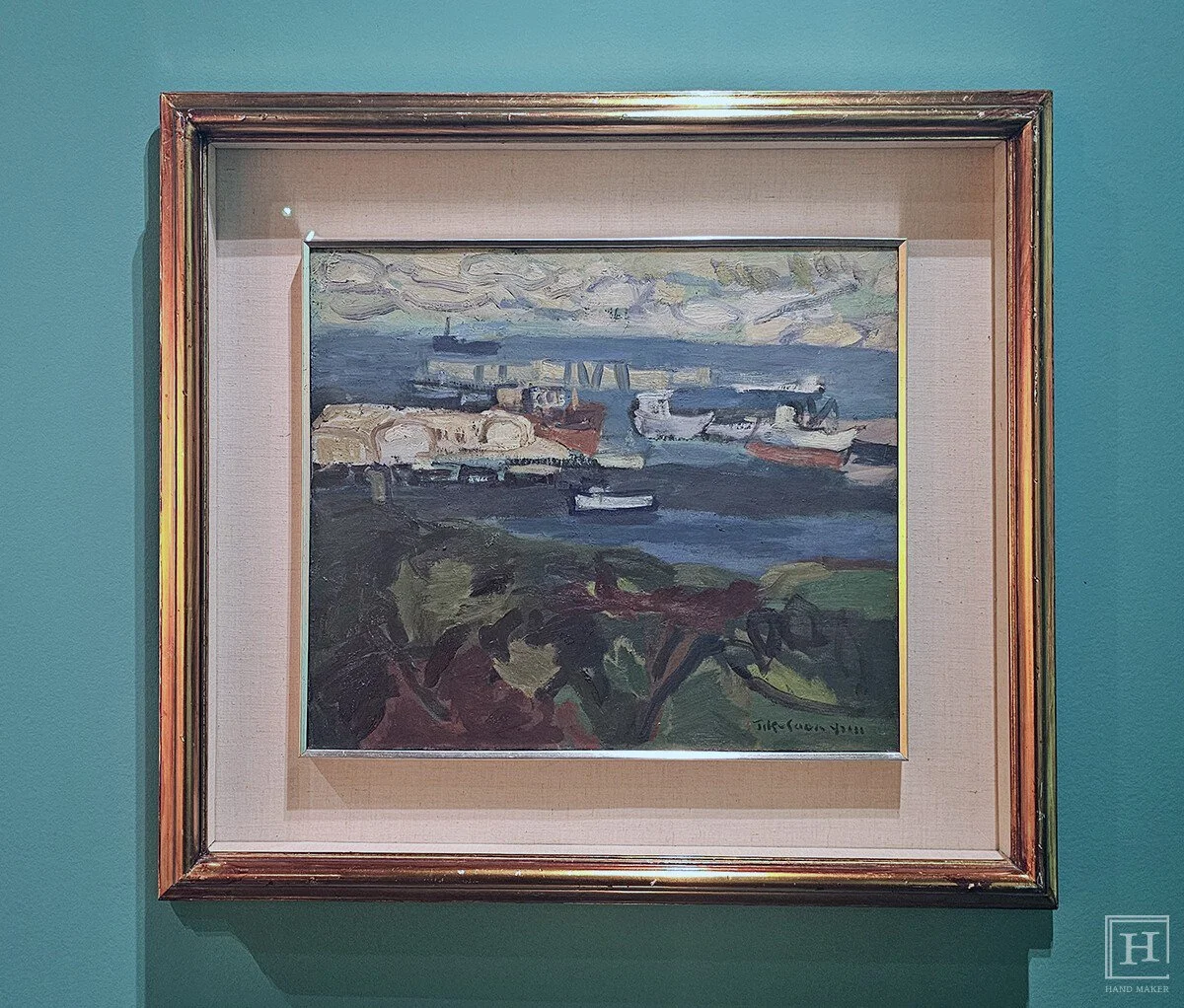
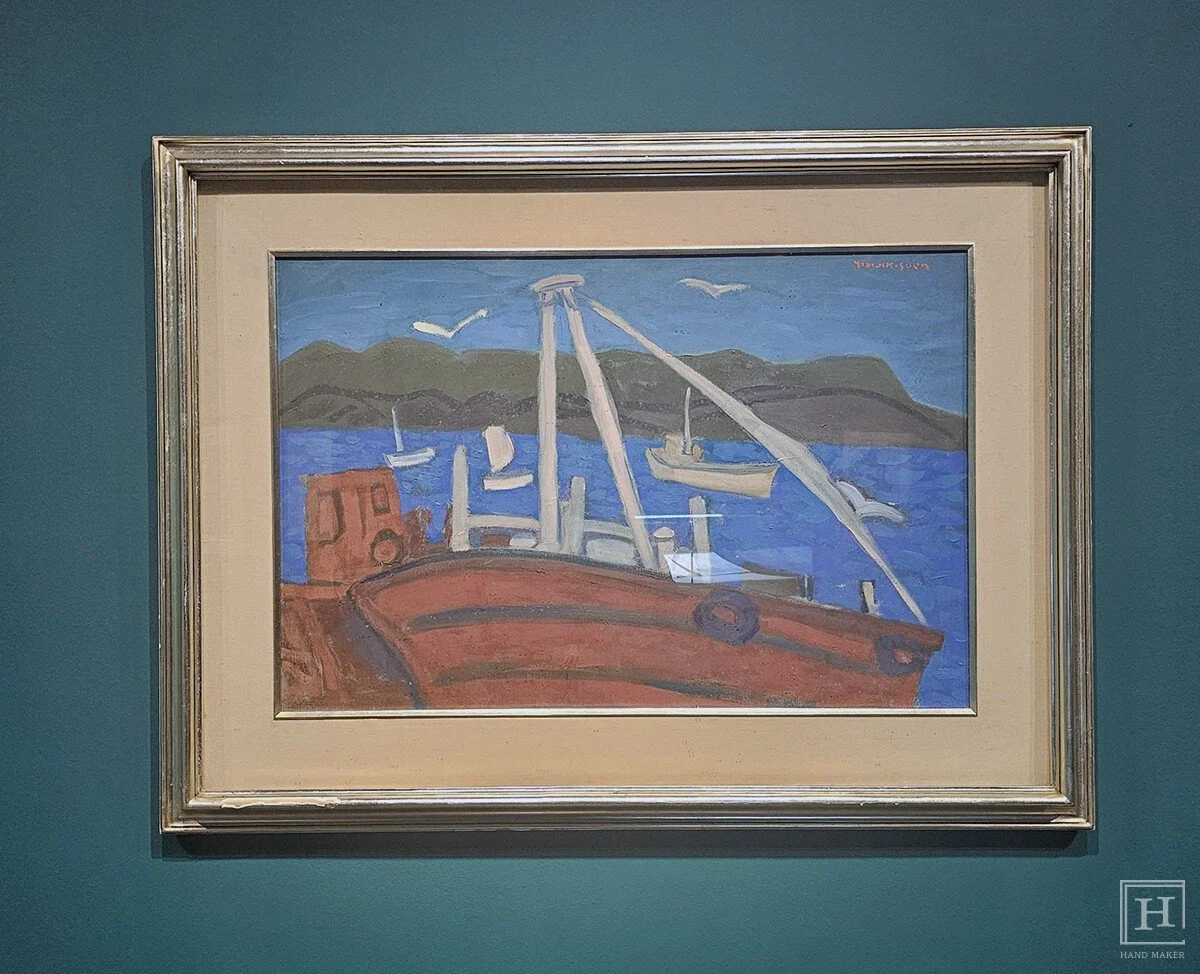
Even amidst his struggle with kidney disease that continued from 1988, Lim Jik-soon continued his work, and as he reached his later years, he boldly stripped away the forms and descriptive elements of his subjects to focus on lines, colors, and vigorous brushstrokes. Specific subjects, including nature, gradually became simplified and transformed into abstract compositions.
Rather than reproducing the visible colors of nature, his attitude of seeking the essential colors he felt is even more clearly manifested in his works. Through thick textures, free brushstrokes, and intense colors, he condenses and captures the essence of nature and life, expressing the lifelong exploration of his inner self through a deepened formative language.
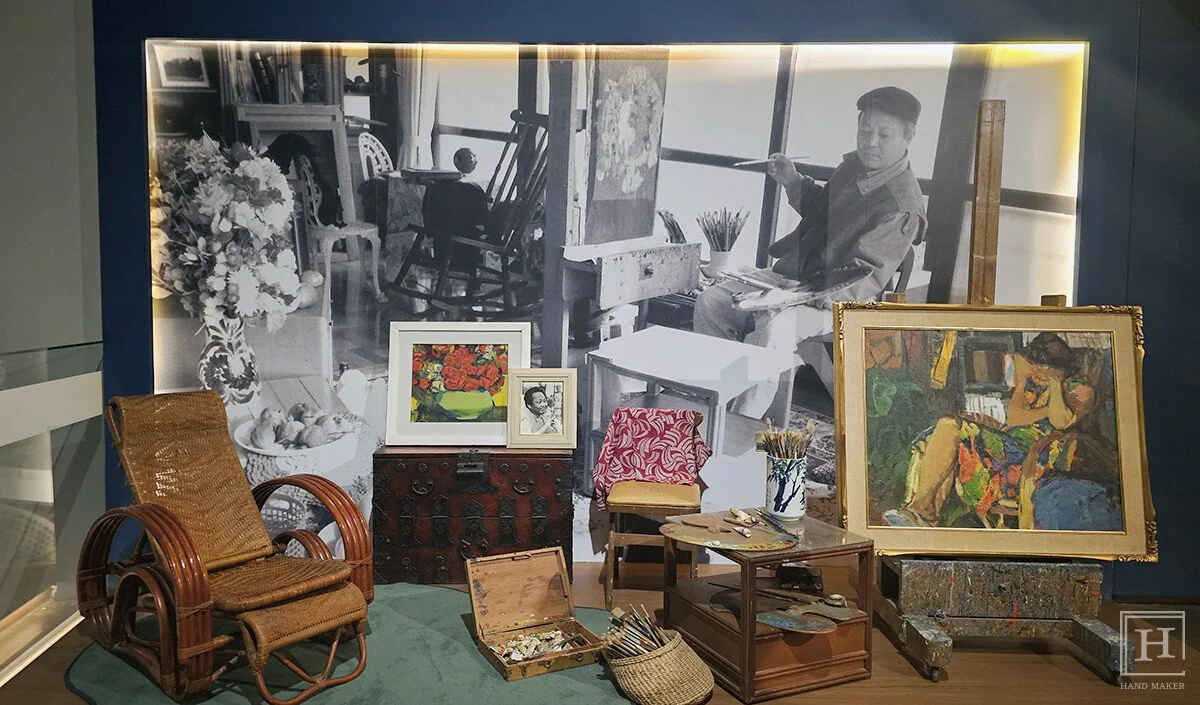
One of the most special aspects of this exhibition is that, in addition to the artworks, visitors can encounter the space and objects Lim Jik-soon actually used while painting. At the entrance of the exhibition hall, furniture and small items used by the artist during his lifetime are arranged to evoke his actual workspace.
In particular, when painting portraits, Lim Jik-soon would personally select models and invite them to his home to conduct modeling, observing the subjects on-site. By presenting his representative work—a seated portrait of a woman painted on the rattan armchair he most enjoyed using, with the actual female model sitting in that chair—the exhibition provides an experience where the space within the artwork and the actual workspace are connected.
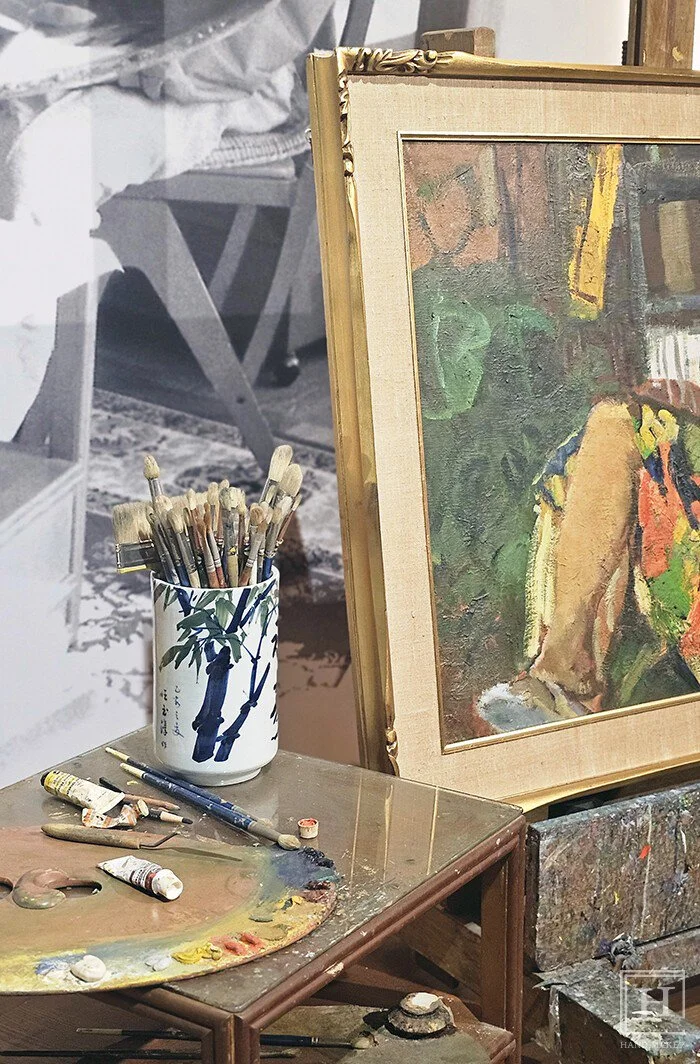
The dried paint on the palette he used until the very end in his studio, along with brushes and easels, vividly shows the environment in which the artist worked during his lifetime. Through the experience of viewing the works alongside his personal belongings, visitors can meet Lim Jik-soon not just as "the artist who left behind works," but as "a person who painted every day."
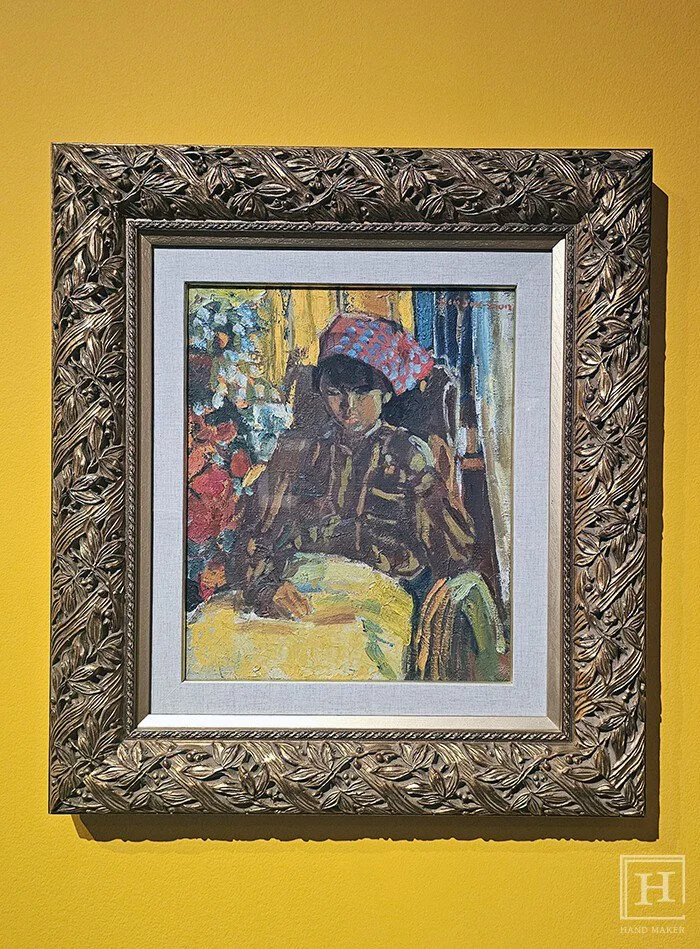
Lim Jik-soon is often remembered as the "painter of flowers and women." This exhibition also presents numerous portraits capturing girls sitting in studios or libraries, and innocent, modest women, as well as still lifes featuring various flowers, including roses, placed in vases and flower jars. However, Lim Jik-soon's artistic world did not stop at figures and still lifes. He also explored the traditional major themes of Western painting—figures, still lifes, and landscapes—evenly throughout his entire life.
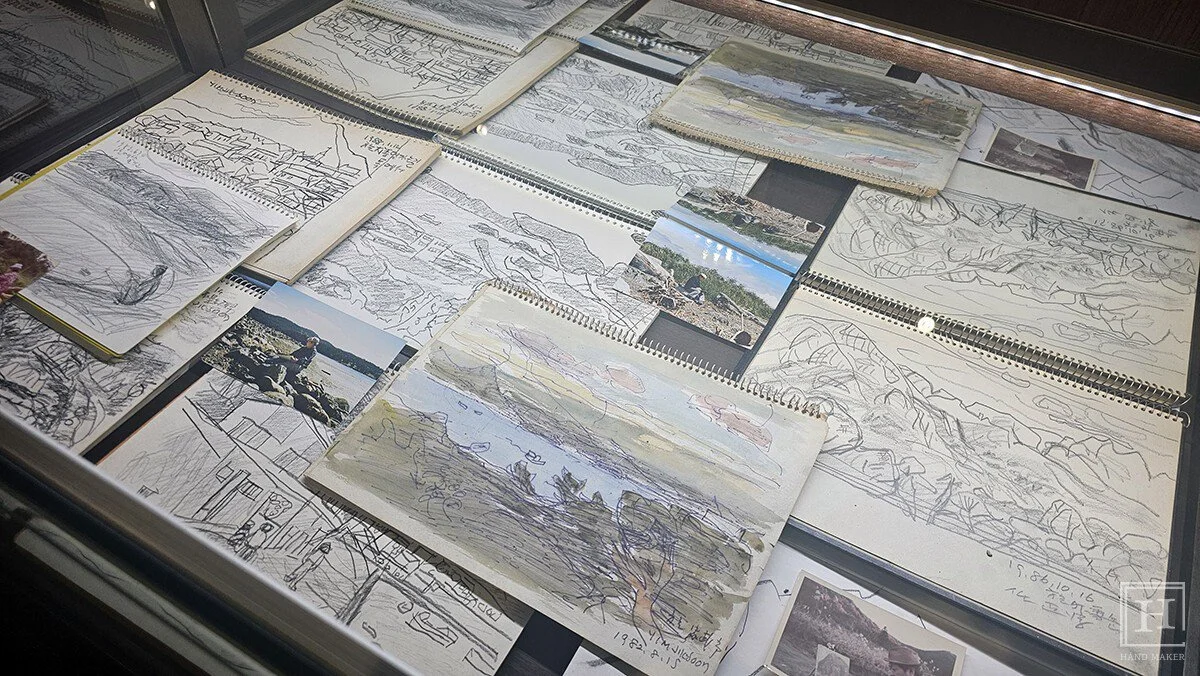
In this exhibition, along with the various landscape paintings he directly encountered, the works that served as the starting point for his work, such as photographs, sketches left on-site, and watercolors, are also being revealed. Through this, one can observe how a single landscape was transformed into a painting through the artist's gaze.
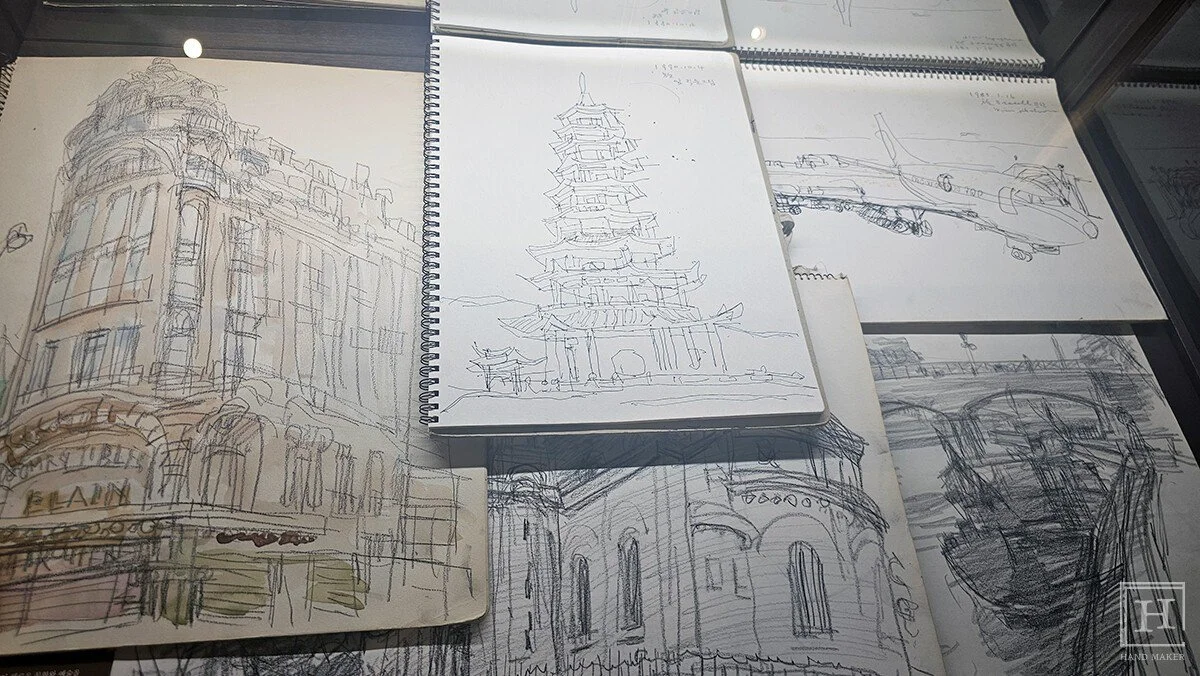
Traveling was Lim Jik-soon's only hobby and also an important time for his work. Rather than a method of recording landscapes with photographs and then copying them exactly, he placed importance on the method of directly facing mountains, seas, ports, and nature, and recording the emotions felt on-site through sketches and watercolors. The sketches left on-site led back to the atelier, and based on these, the artist completed oil paintings.
What is important in Lim Jik-soon's landscape paintings is not how realistically the scenery in front of his eyes was reproduced. It lies in what the artist felt and what impression he received when facing that scenery, and how he reinterpreted it with his own colors and brushstrokes.
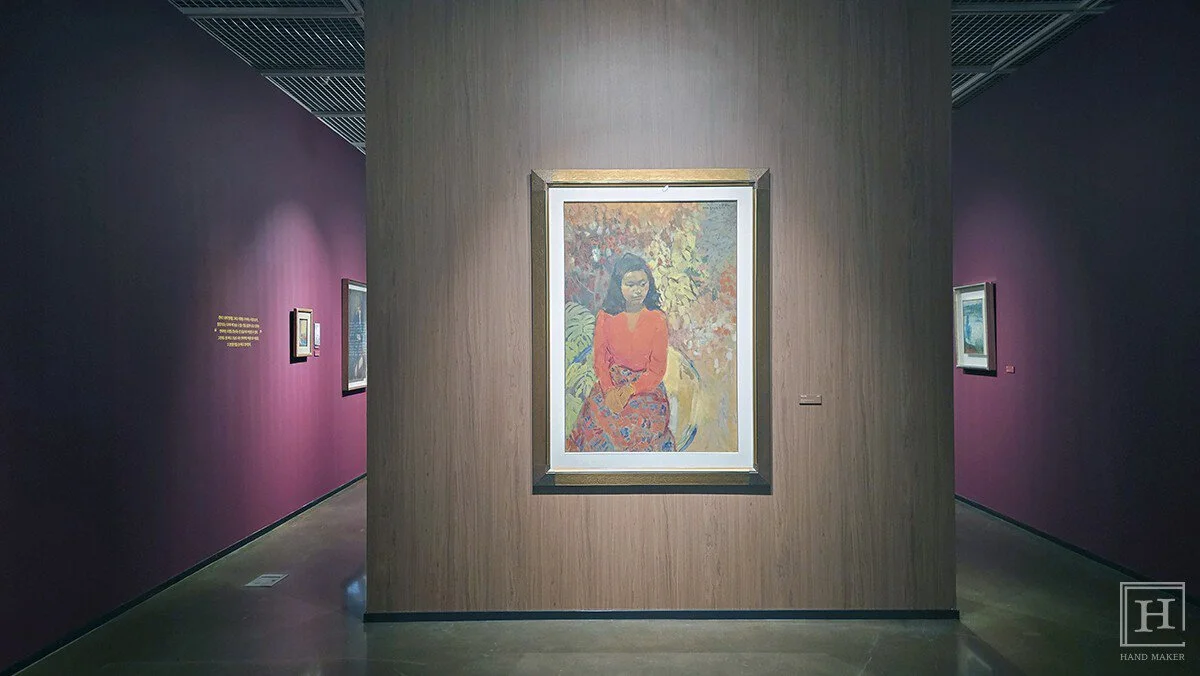
What Lim Jik-soon painted were familiar subjects such as flowers and women, mountains and seas. However, what he looked at went beyond the outward appearance of the subjects to the power of life and beauty dwelling within them, and his own heart as he faced them. In today's era where numerous images are consumed rapidly, Lim Jik-soon's paintings instead remind us of the meaning of looking slowly.
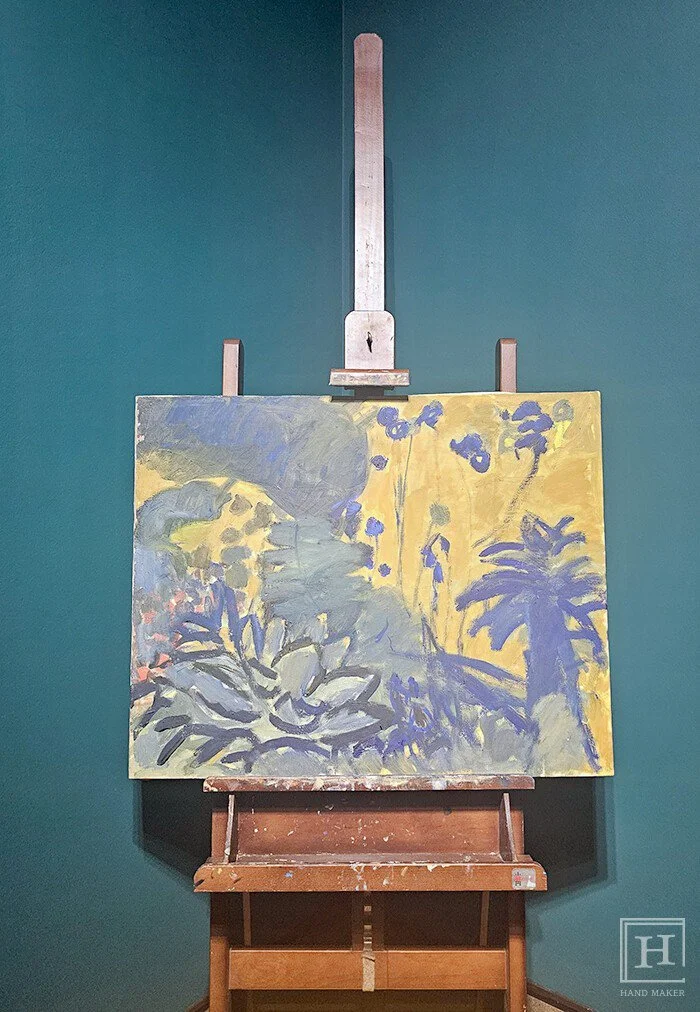
In July 1996, Unchang Lim Jik-soon, a great star of the Korean art world, passed away. Although he fought kidney disease for about 10 years, he did not let go of his brush, and he passed away due to a sudden worsening of heart failure.
After the funeral, what the family faced was the atelier where the artist worked until the very end and a single unfinished work left there. It was a work in which he poured his soul until the last moment to capture the exotic scenery he encountered in the United States a year before his death. However, the work could not be completed in the end. The unfinished screen, left exactly as the moment he laid down his brush, preserves the artist's last breath and his tenacity for art.
In this Seoul Museum special exhibition for the 30th anniversary of Lim Jik-soon's passing, this unfinished posthumous work is being revealed for the first time along with the easel the artist used during his lifetime. It is an opportunity to face the final working process of Lim Jik-soon, which could not be seen through completed works alone, and the scenery he tried to hold onto until the end. In particular, this work is an important record that shows not only the completeness of the work itself but also the fact that an artist who painted his whole life did not let go of his brush until the last moment.
An official from the exhibition stated, "In observance of the 30th anniversary of the passing of Lim Jik-soon, who looked at the world, drew out his inner self from within it, and did not let go of his brush until the last moment, we hope this exhibition will serve as a place to honor the art to which he devoted his entire life and to long remember the colors, light, and the deep world of his heart that he left behind."
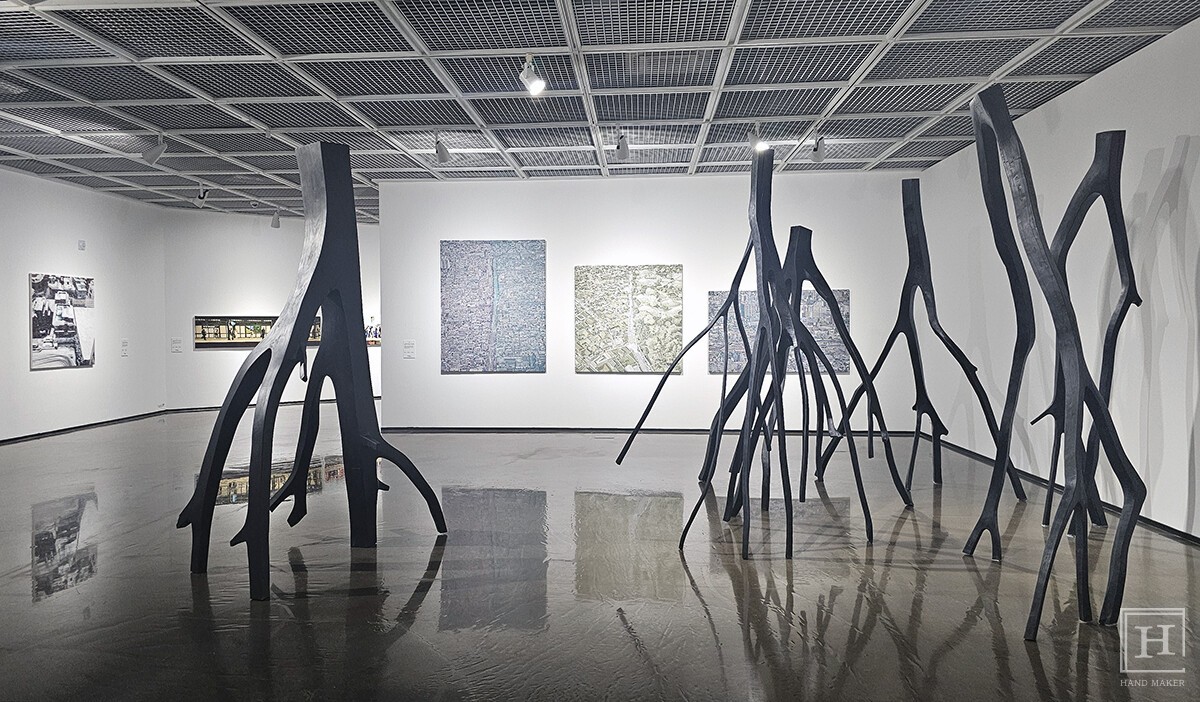
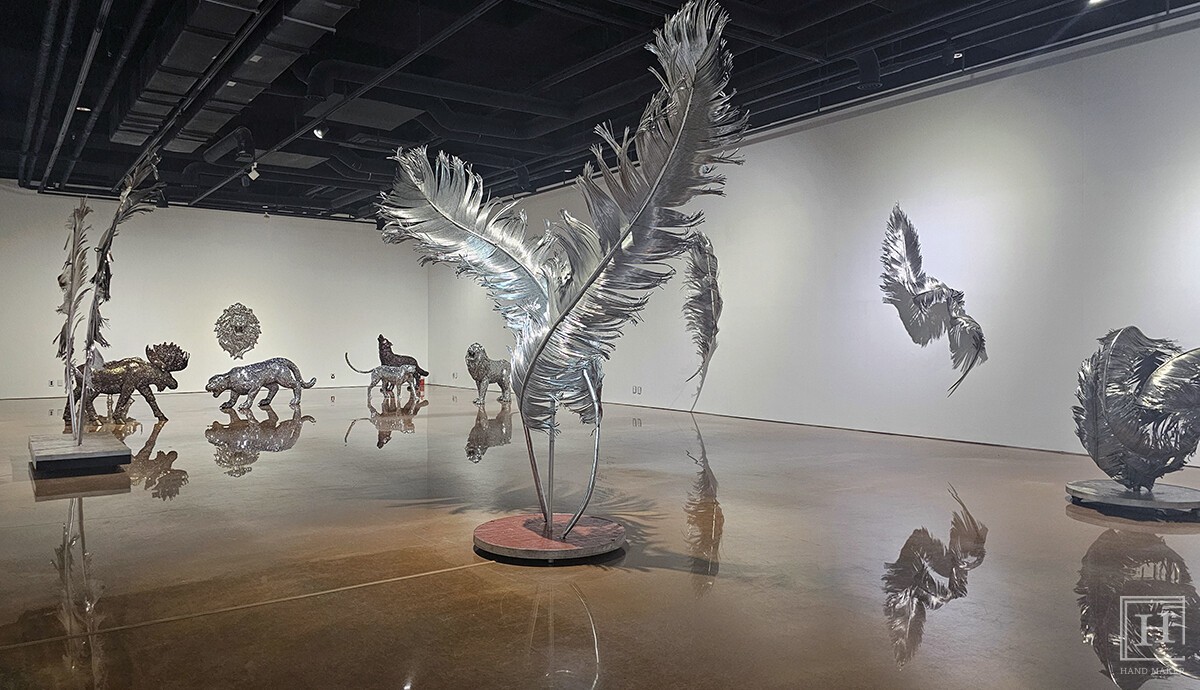
Meanwhile, Seoul Museum is conducting the planned exhibition 《Mostly Yes, Sometimes No》 for the second half of 2026 until February 14, 2027, and 《Living Together: Gathering to Become Something》 until December 27, 2026. 《Mostly Yes, Sometimes No》 unravels the stories of people where different perspectives between 'yes' and 'no' coexist through the eyes of 28 artists, and 《Living Together: Gathering to Become Something》 examines the various possibilities of contemporary sculpture through the perspectives of three artists who start from a single material to create different worlds.
Reporter at HANDMAKER (핸드메이커), a Korean magazine devoted to crafts and handmade culture. Covers exhibitions, traditional crafts and the makers behind them.
Related Articles
![[On-site Sketch] Looking back at 20 years of the pioneer of Korean art toy culture... Coolrain solo…](/storage/handmk-global/2026/10/a65891fb-4f63-4144-84f8-47e467697bfc-48efde25-thumb.webp)
[On-site Sketch] Looking back at 20 years of the pioneer of Korean art toy culture... Coolrain solo exhibition 《ART TOY : PIECES of COOLRAIN》
![[Field Sketch] 2026 Gyeonggi Ceramics Biennale ⑤ The Diverse History and Formative Spectrum of…](/storage/handmk-global/2026/10/8cb57284-d8cb-41dd-bf49-9241cb9c3d5b-0cd3a093-thumb.webp)
[Field Sketch] 2026 Gyeonggi Ceramics Biennale ⑤ The Diverse History and Formative Spectrum of Korean Ceramics, "Unfamiliar Traditions" Exhibition
![[Field Sketch] Gyeonggi Ceramics Biennale 2026 ④ Excellent works that inherit and modernize the…](/storage/handmk-global/2026/10/d436f315-b3e8-499b-a0d0-6f56d8df6303-ee0028f8-thumb.webp)
Comments 0
Comments are currently disabled.